
Reading time: 2 minutes
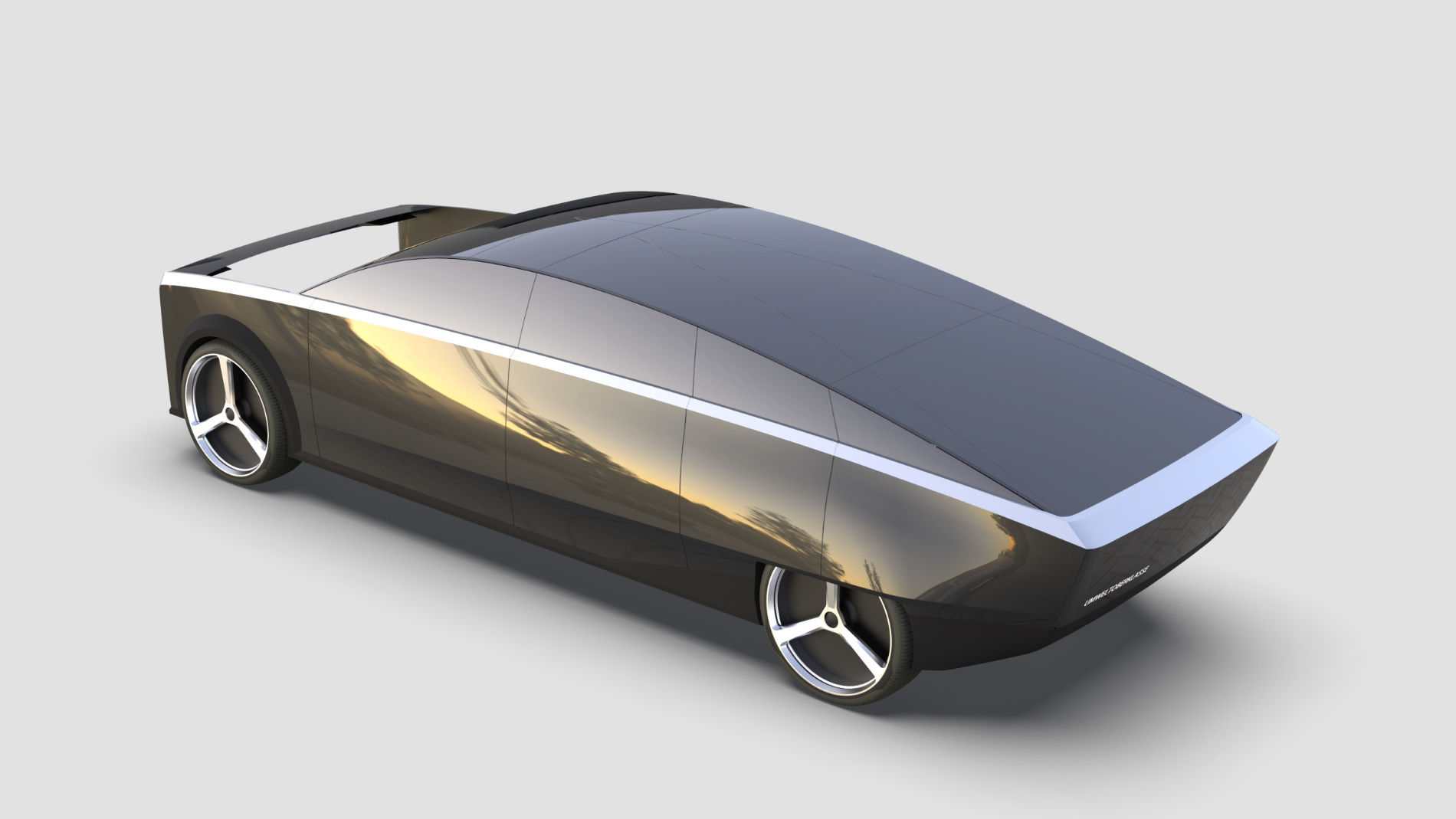
Visionary Gert Pollmann envisages the car of tomorrow as a versatile, long-term platform: modular in design, customisable and conceived in such a way that individual components can be swapped out. In this interview, he explains how his idea could combine classic enthusiast design with modern mobility.
Mr Pollmann, your idea stems from an observation: today’s car design often gives the impression that the industry is still searching for the right form. What fascinates you about classic cars?
Classic cars have a character all of their own. They stand for consistency and longevity, and many people associate them with personal memories and the dreams of their youth. You experience them with all your senses: they have a distinct smell, they hum, sometimes they rattle – and even that can be charming. For their owners, they are more than just everyday objects.
At the same time, classic cars come with technical drawbacks and practical challenges. How could your long-term platform reconcile these with the desire for classic design?
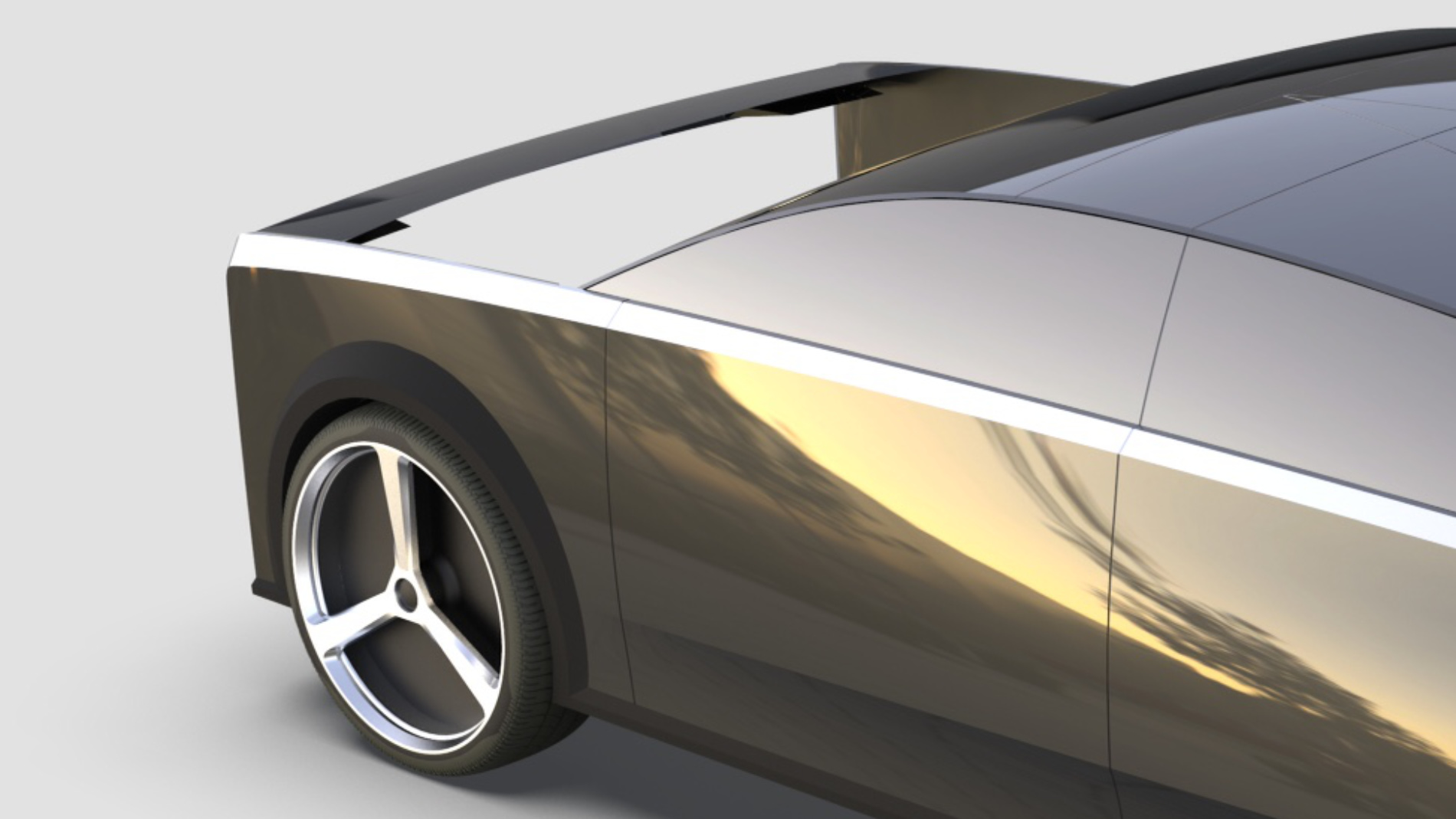
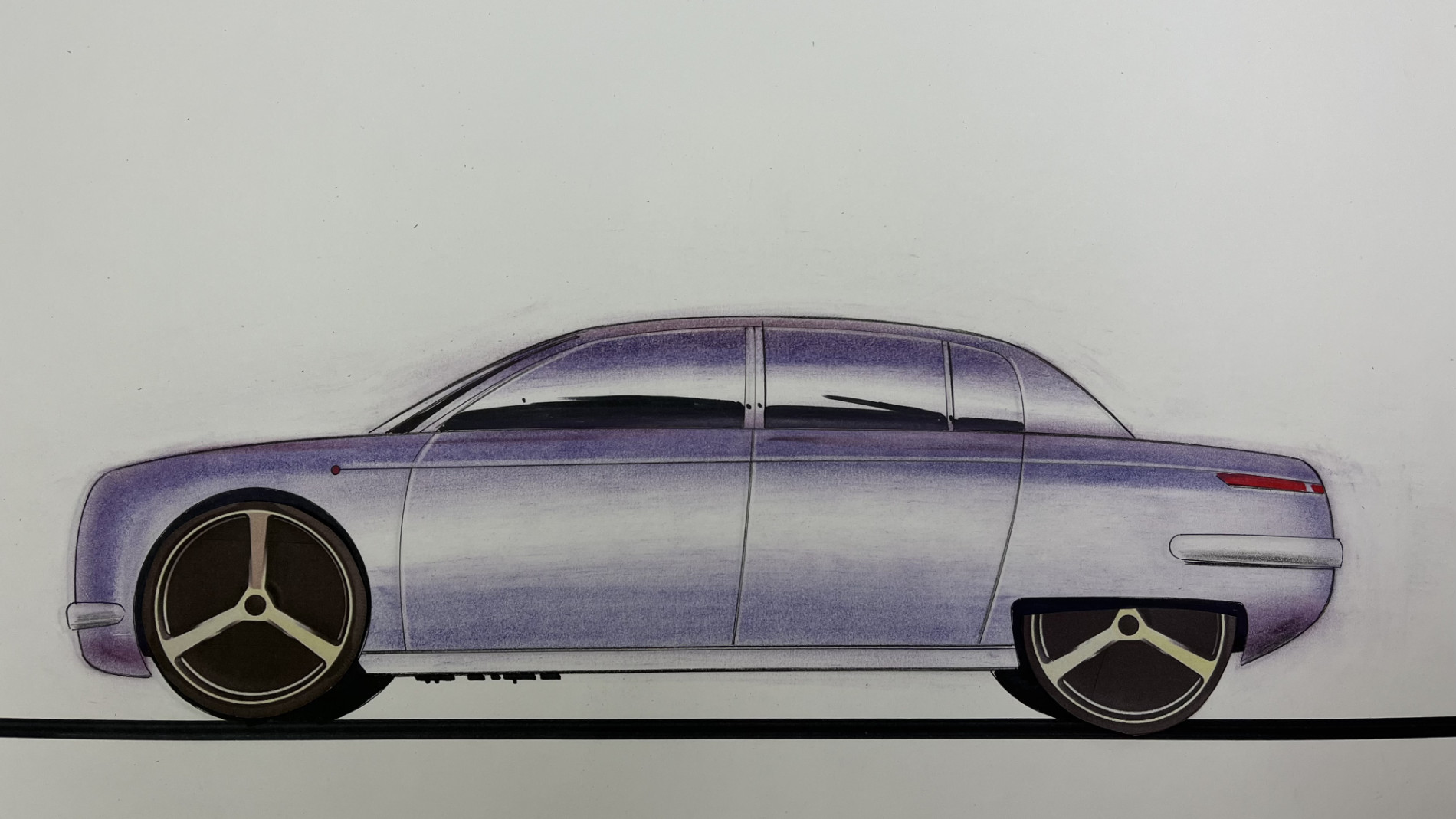
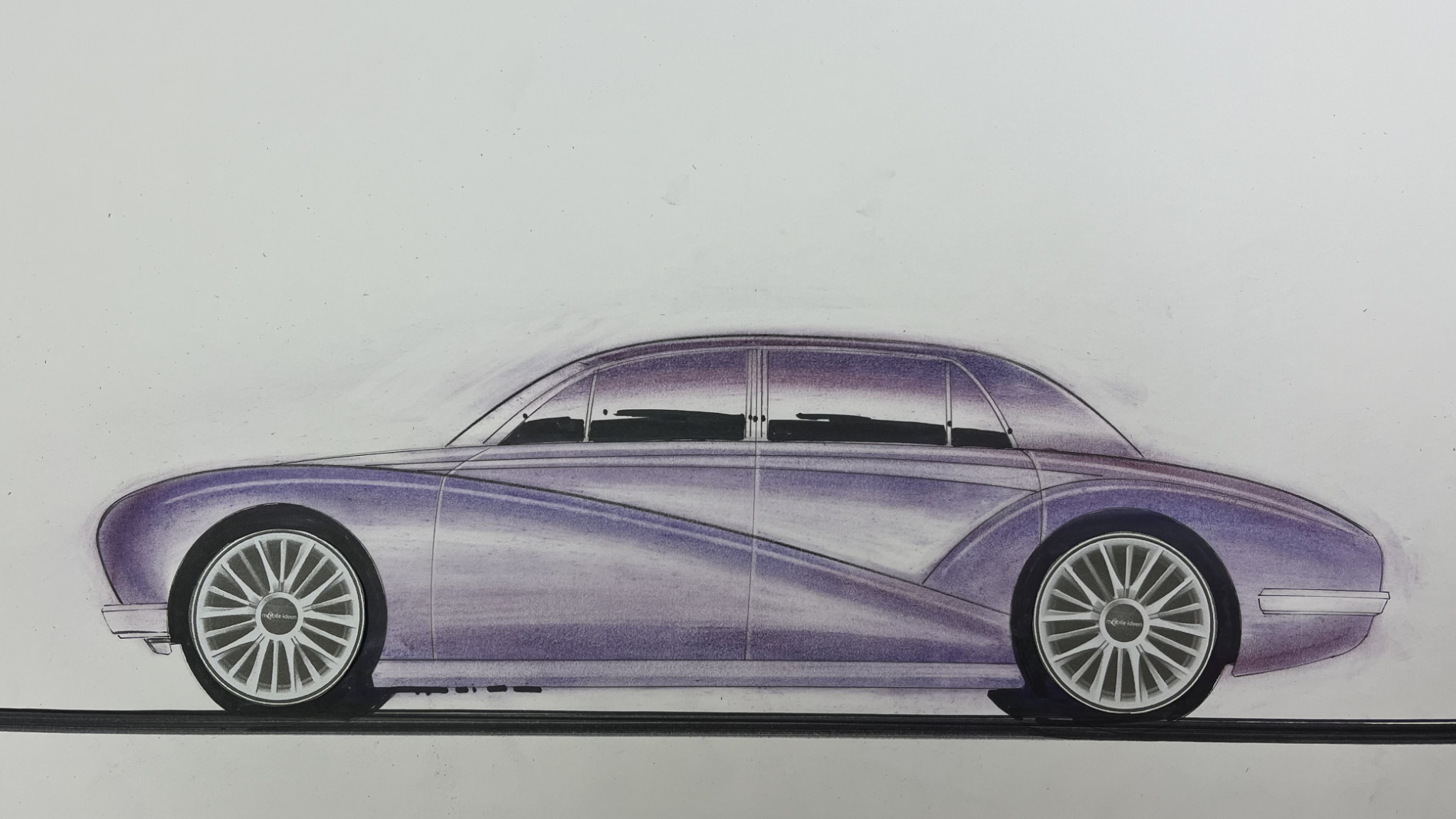
The idea is a modern, strictly modular technical platform on which different vehicle designs can be built. Individual components such as the dashboard, displays, seats or door panels could be swapped out. The powertrain and parts of the chassis should also remain interchangeable. In this way, the technical platform could be used over a long period and adapted to new requirements, whilst the vehicle’s appearance could be customised. This would also be highly sustainable. However, a particular stylistic challenge is integrating the design concept of a bonnet that is heavily sloped downwards for aerodynamic reasons into a classic silhouette. But this could be achieved by retaining the ‘fins’ on the sides, which reinforce the overall historical feel...
Neutral designs from different eras
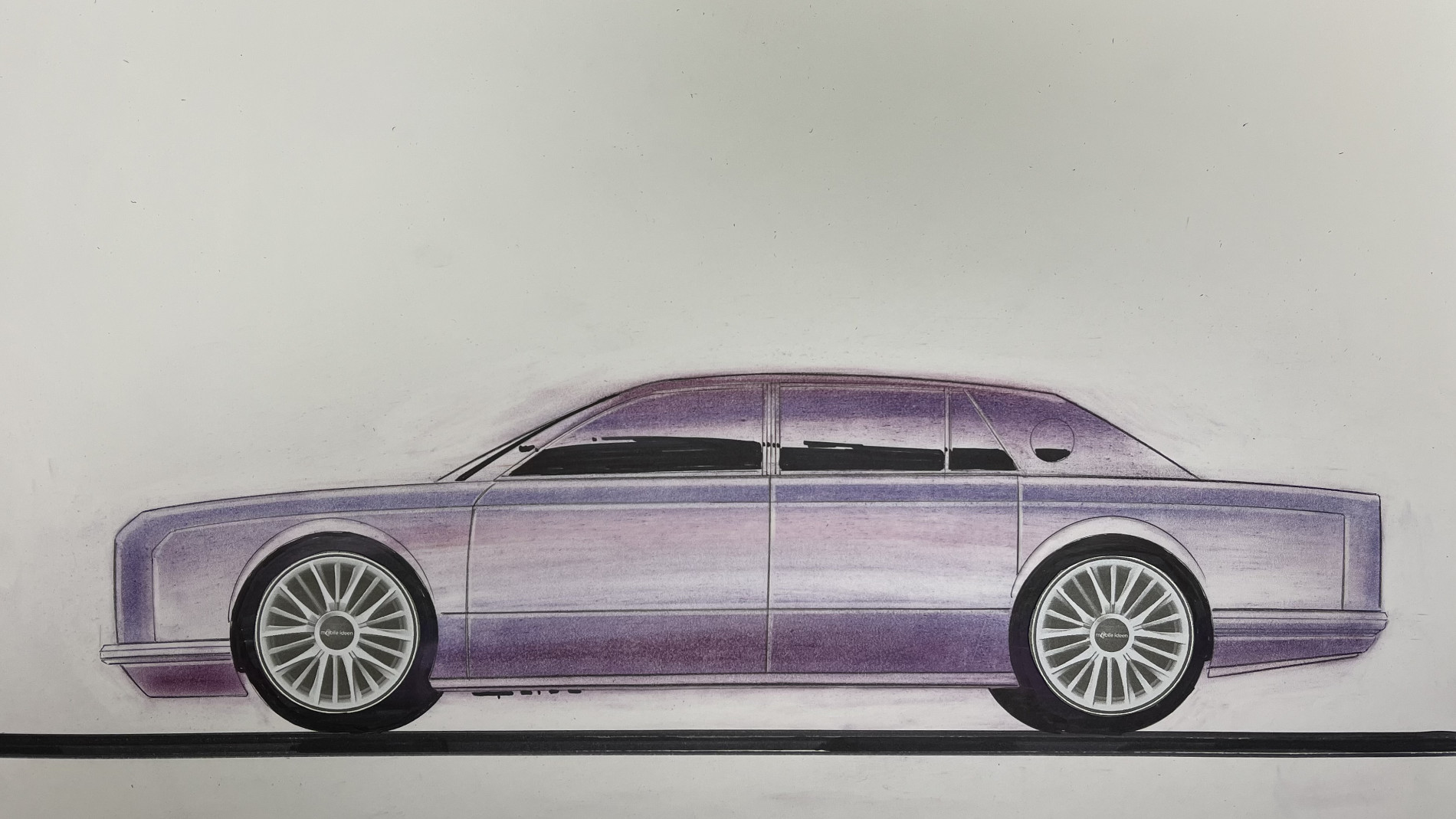
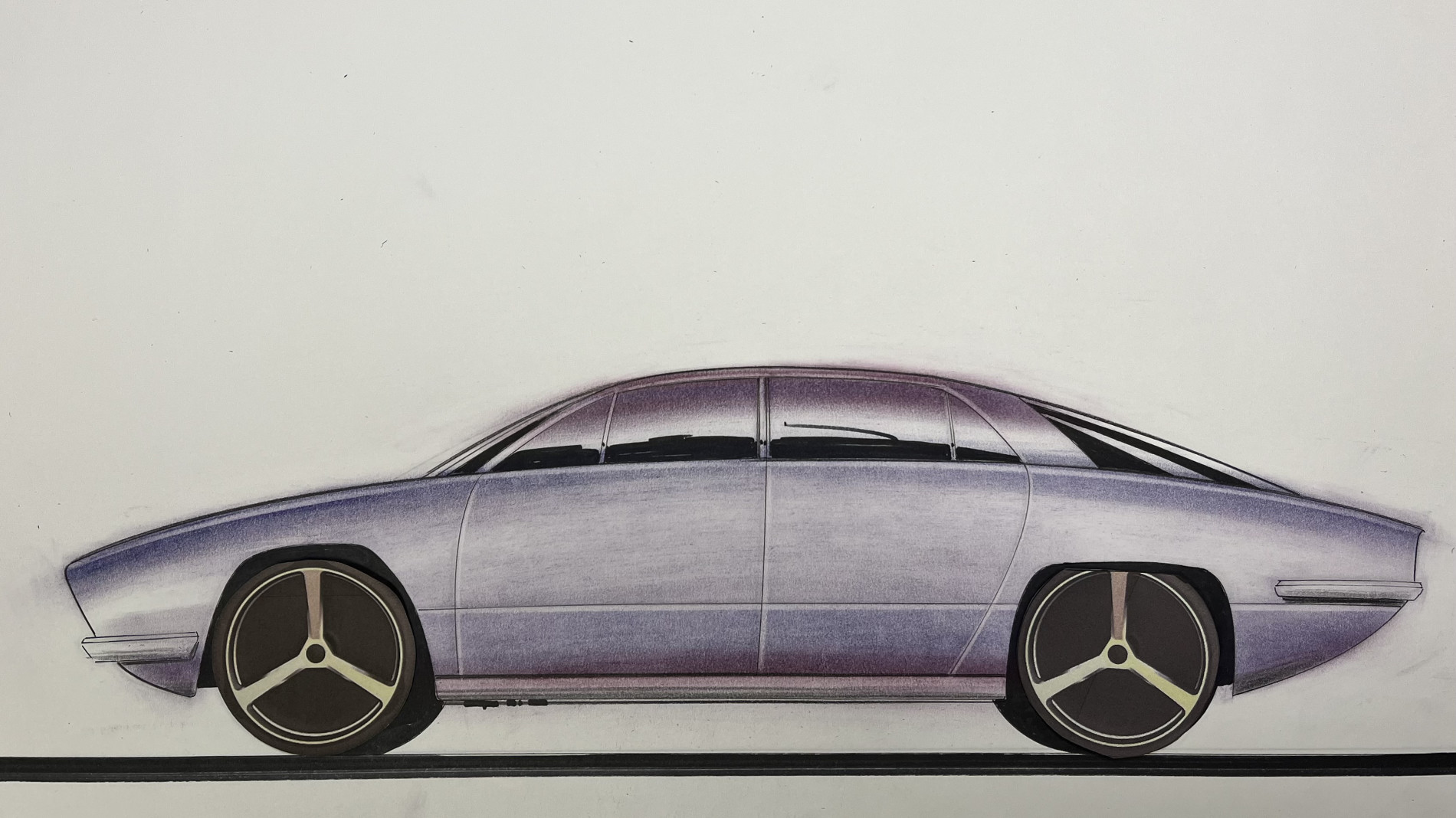
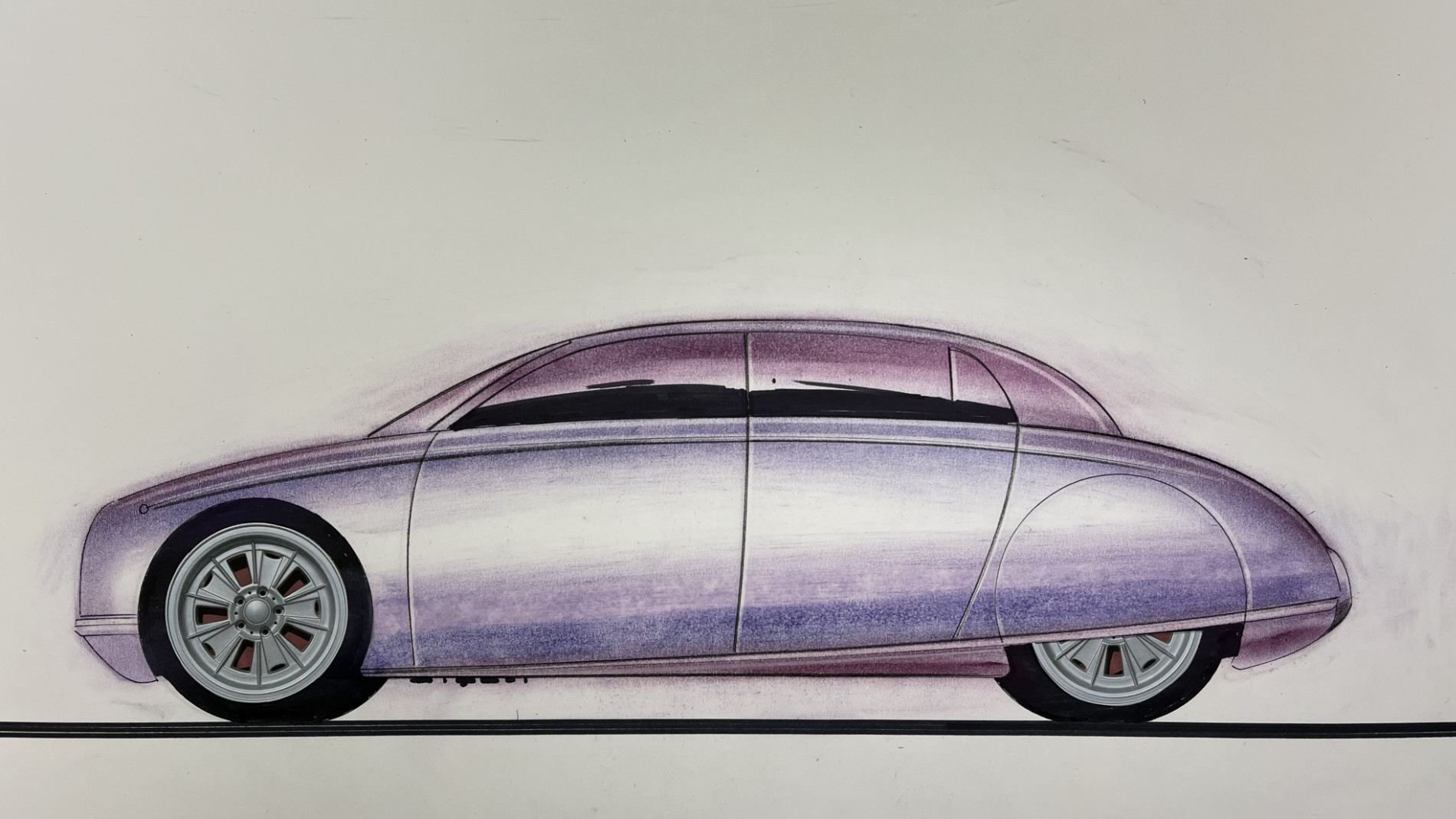
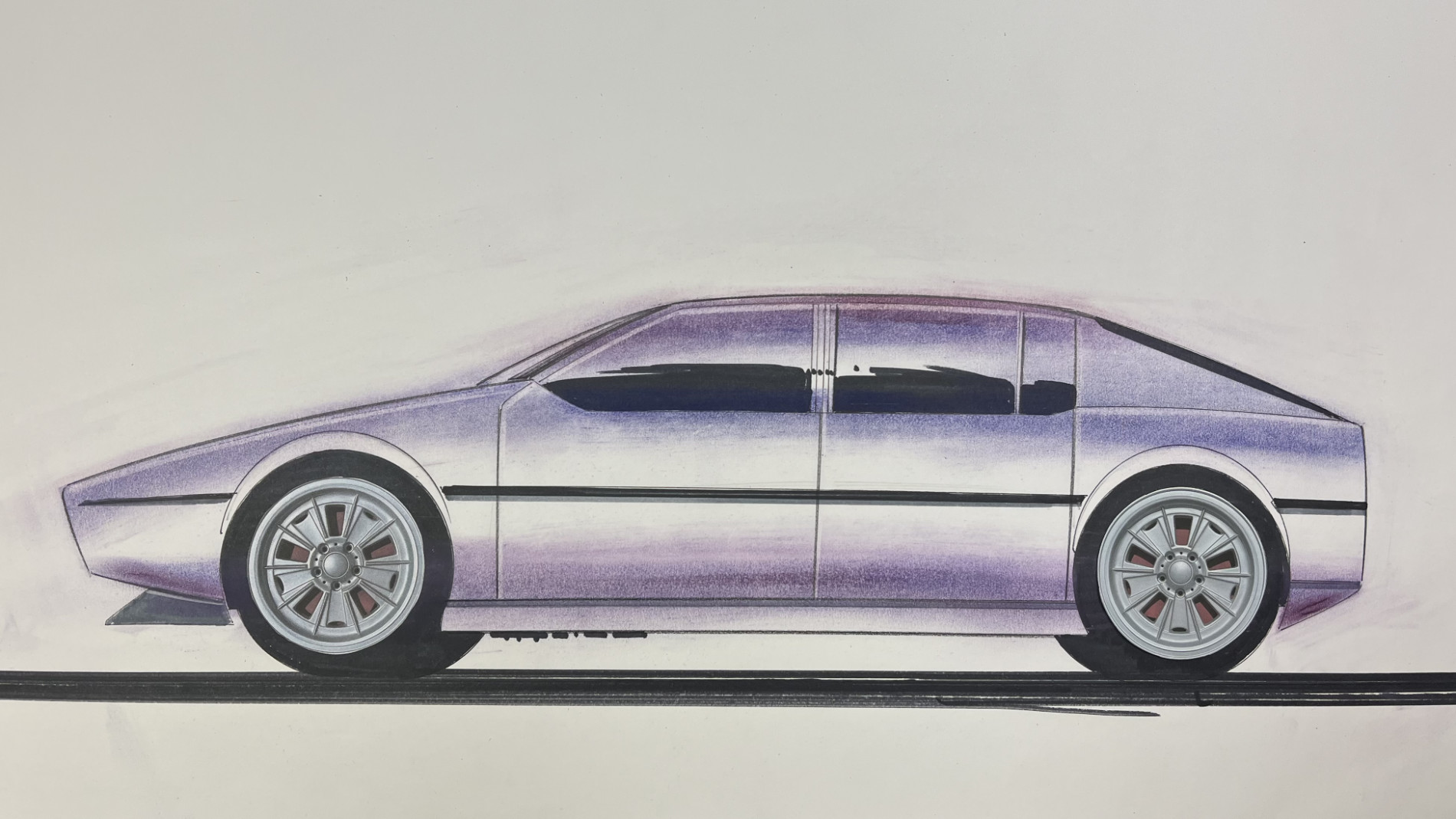
You mention a platform that could be used for up to 40 years. What would need to be adaptable for that?
Essentially, everything that might change over time, whether technically or in terms of personal preference: from the instrument cluster and steering wheel, through the centre console, to the roof module and seats. We should also remain open-minded regarding the powertrain. We don’t know today which powertrain will be in demand in 20 years’ time. The modular design is intended to make it possible to replace individual components rather than the entire vehicle.
Your designs draw on various design eras and national styles. What is important to you in this regard – and what are your hopes for the future of this concept?
My aim isn’t to replicate specific historical models or brands. Rather, the appeal of classic forms should be reflected in a contemporary vehicle: their elegance, cheerfulness and charm. The platform could bridge the gap between much-loved classics and the modern car of the future. Perhaps this might even give rise to new companies that take this idea further. That would be wonderful – though, of course, it’s not easy.
Do you think this is a brilliant idea?
Then please get in touch with Gert Pollmann:
Email: gp.gmbh@t-online.de
Telephone: +49-172-8655654