
Reading time: 3 minutes
In July 2025, MEKO’s Mobility Barometer found that 45% of Finnish respondents could not envisage owning, renting or leasing an electric car. Finland had the most sceptical response among the four Nordic countries surveyed.
By January–October 2026, battery-electric cars accounted for 51.3% of Finland’s new passenger-car registrations. More than half of the vehicles entering the new-car market were fully electric.
The apparent conflict provides an important signal for manufacturers assessing the Nordic aftermarket. Buying behaviour is changing, while affordability concerns and the needs of the existing vehicle population remain. A consumer survey, new-car registrations and workshop demand describe different stages of that transition.
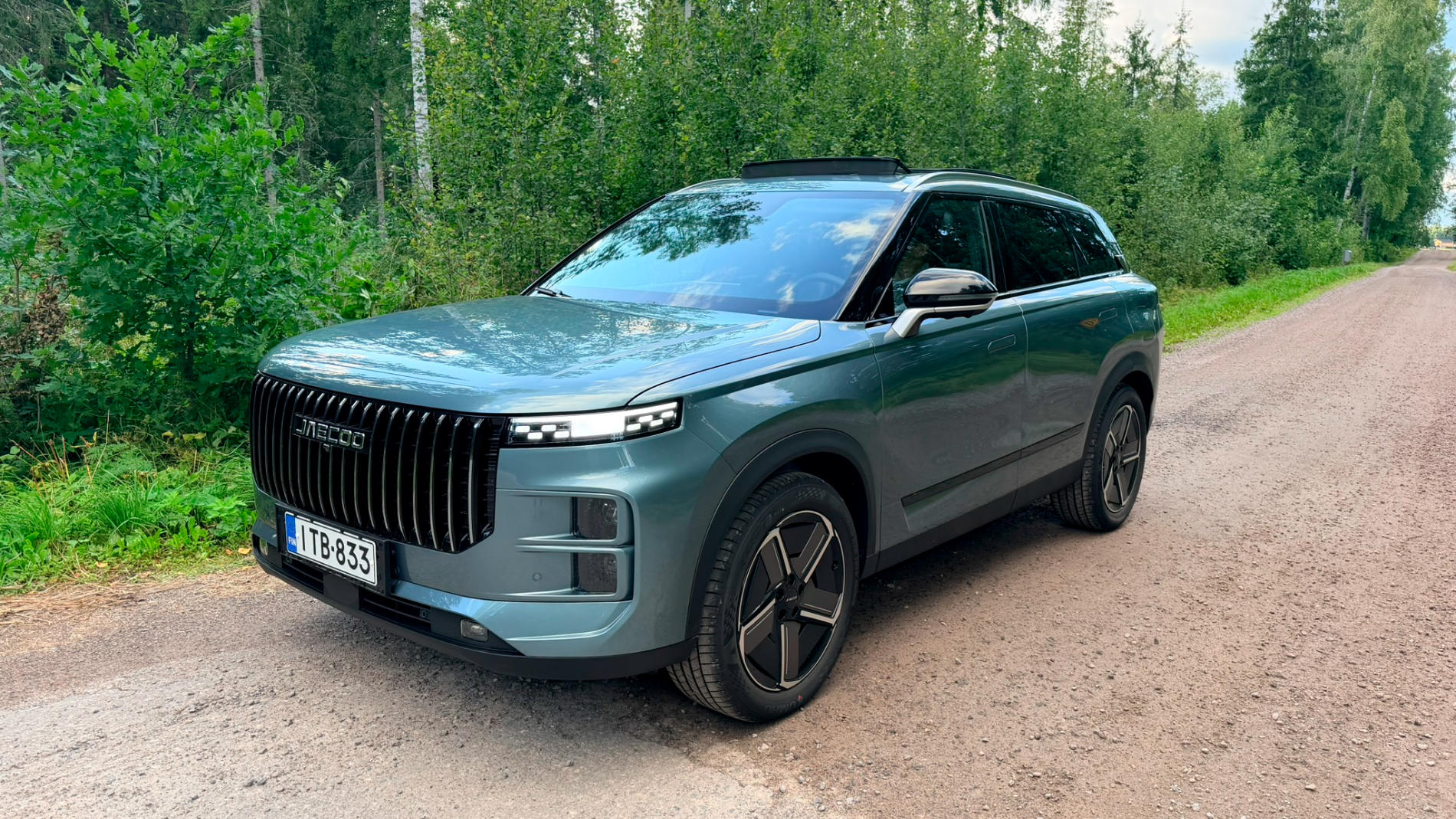
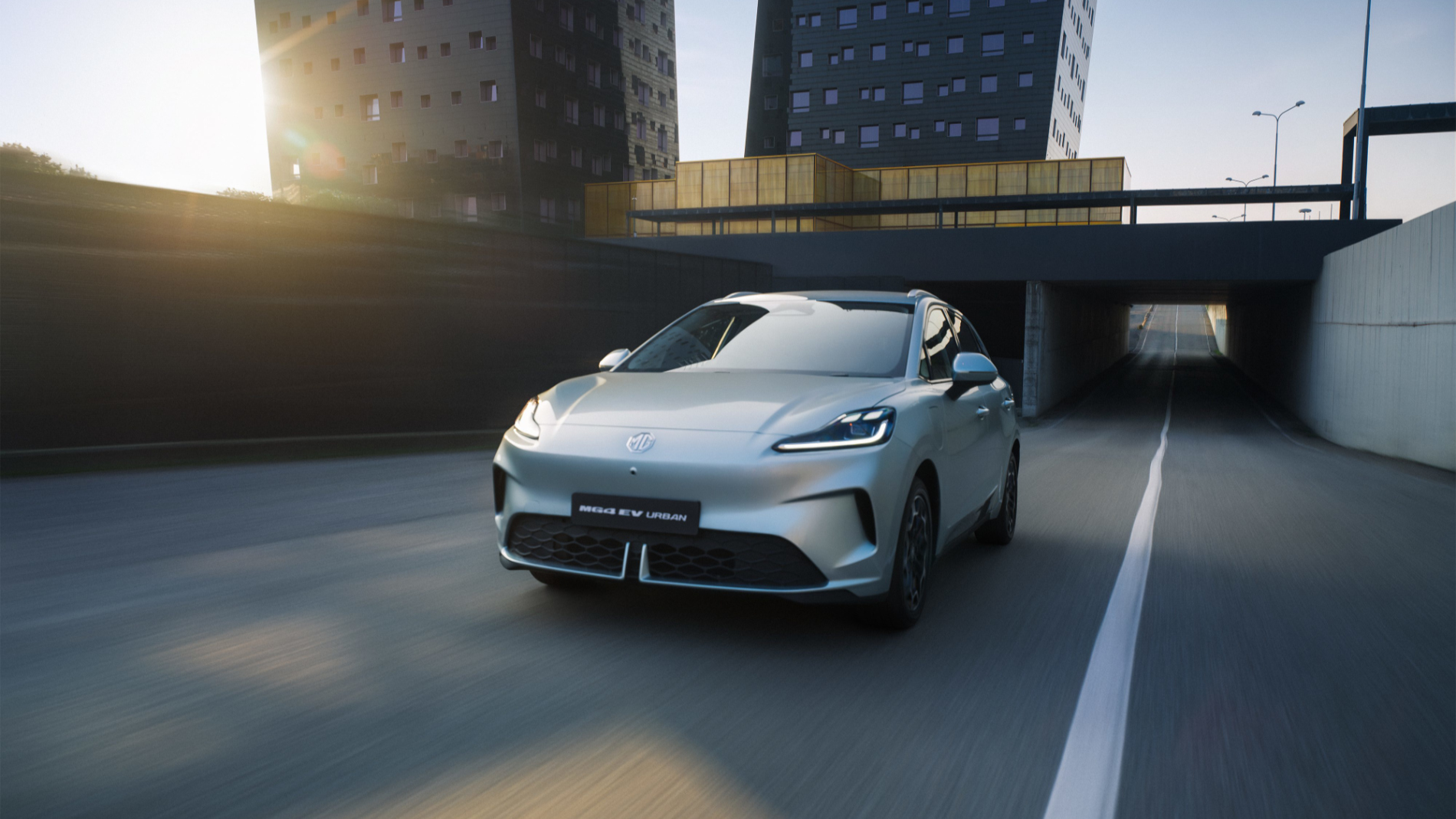
As a result, Finland’s new-model offering has shifted decisively towards electrification. Of the 52 Vuoden Auto Suomessa 2027 (car of the year in Finland) contenders, 41 (79%) offer a fully electric version and 44 (85%) a plug-in powertrain. Only eight are exclusively non-plug-in combustion or hybrid models.
For the independent automotive aftermarket, this is a clear signal to strengthen EV products, technical support and workshop competence. The list illustrates the direction of new-model supply; registration data and the existing car fleet determine how quickly aftermarket demand follows.
Registration data reveal the shift
ACEA recorded 21,454 new battery-electric cars out of 60,161 passenger-car registrations in Finland in January–October 2025: approximately 35.7%. The 2026 share is therefore about 15.6 percentage points higher. Applying the published 51.3% share to 62,614 registrations gives approximately 32,100 BEVs, implying roughly 50% volume growth. This is a calculation from a rounded share, rather than an official exact BEV count; the total new-car market grew 4.1%.
Battery-electric cars accounted for 49.7% of new cars registered to individuals in January–October 2026, compared with 53.1% of company registrations. Finland’s automotive dealer union Autoalan Keskusliitto attributes growing interest to high fuel prices, a wider model choice and more affordable electric options.
Finland’s BEV share also exceeded Sweden’s 44% over the same period. Include plug-in hybrids and Sweden remained ahead, at approximately 68% against Finland’s 63.1%. The comparison depends on which technology is being measured.
Consumer caution and changing purchases can coexist
The MEKO survey remains useful evidence of the consumer environment. In July 2025, Demoskop interviewed 4,006 adults across four countries. The registration figures cover vehicles registered in 2026, including company purchases. They do not track the same respondents or show how many sceptics changed their minds. [4,8]
In the survey across the Nordic countries, 37% cited affordability as a barrier to choosing an electric vehicle. At the same time, 85% considered it important to repair cars to extend their lifespan, with support strongest in Finland. For manufacturers, these findings strengthen the case for economical repairs and durable components, alongside preparations for growing demand for EV servicing.
The commercial interpretation is that a cautious consumer environment can coexist with a rapidly changing new-car market. Manufacturers need to revise their outlook as registration trends emerge, while recognising that the vehicles already on the road will shape much of the workshop workload for years to come.