Reading time: 3 minutes
1. For many, the car remains indispensable
More than 80 per cent of car owners consider the car to be indispensable. Even in regions with good to very good public transport networks, 73 per cent still agreed with this. The DAT Report also surveyed alternatives to car ownership, including the use of public transport and e-bikes. More than 90 per cent of all car buyers saw no alternative to owning their own car.
2. For most people, buying a car is a necessity

For the majority of respondents, their current car purchase was absolutely essential. For 80 per cent of used car buyers and almost 70 per cent of new car buyers, it was clearly the point at which the purchase could no longer be postponed. This is evident across all age groups. Younger buyers under the age of 30 were particularly likely to regard their current car purchase as necessary.
3. Almost all car owners are planning to buy another car
Around a third of car owners plan to buy a car within the next twelve to 24 months. A further third expect to make a purchase in three to five years’ time. Most of the remaining respondents (30 per cent) intend to buy a car in more than five years’ time. Only seven per cent stated that they did not intend to buy another car in the future.
4. Reliability counts for both new and used cars
For buyers of both used and new cars, reliability is the most important purchasing criterion. For used cars, a history free of accidents and the purchase price also rank highly. For new car buyers, appearance or design and the price are particularly important. Notably, the image of the car brand also plays a very significant role when buying a new car.
5. Many are waiting to see how electric cars develop
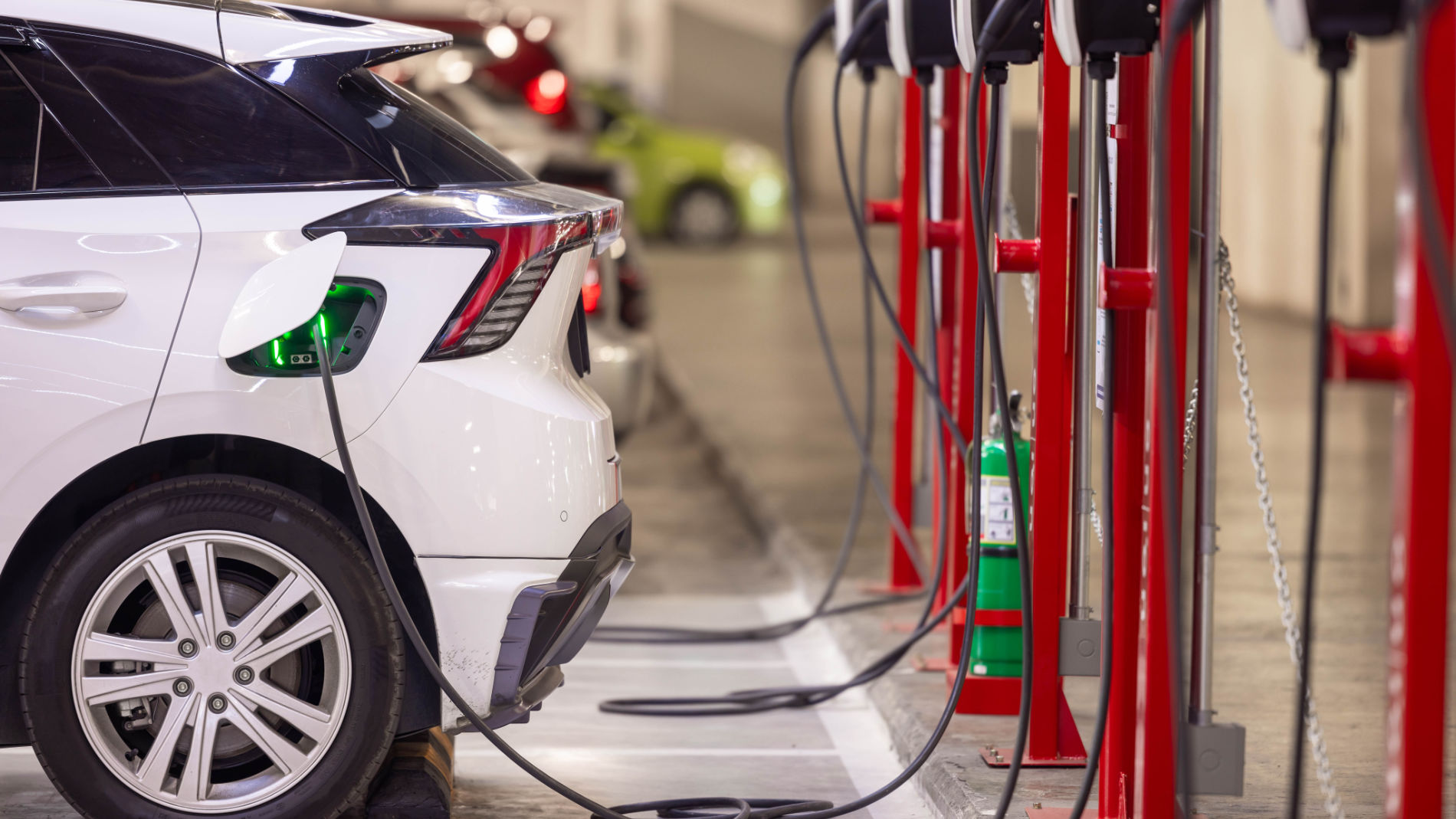
76 per cent of car owners want to continue driving their current car and are waiting to see how technological or political developments in electric mobility and drive systems pan out. Home charging is also a key factor for a potential purchase: 72 per cent said an electric car was out of the question for them as long as they could not charge it at home.
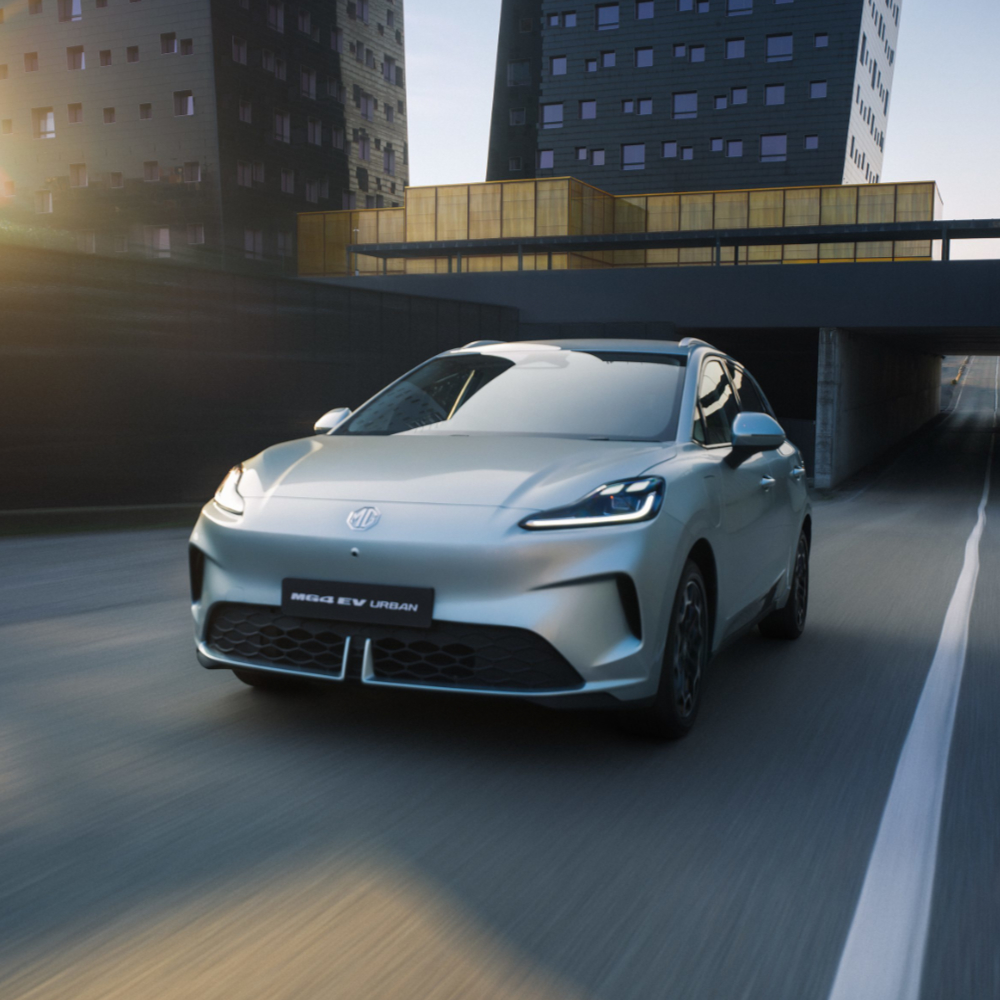
6. More car owners can envisage buying a Chinese brand
The proportion of car owners who can envisage buying a Chinese car has risen: from 25 per cent last year to 29 per cent. Among those who had purchased a new car for private use in 2025, however, only five per cent shared this view last year.
7. The majority prefer established car brands
62 per cent of all car owners and 77 per cent of private new car buyers stated that they continue to prefer established car brands. Many respondents expressed concerns about the quality and reliability of Chinese car brands – including 51 per cent of car owners and 74 per cent of new car buyers.
8. Three-quarters of used cars are bought from dealers

Independent and brand-affiliated dealers together accounted for a 74 per cent market share of all ownership transfers. Since 2018, independent dealers in particular have been steadily gaining market share in the used car sector. In 2025, at 38 per cent, they overtook brand-affiliated dealers for the first time, which accounted for 36 per cent of all ownership transfers. A quarter of all used cars were sold privately between individuals.
9. Buyers are satisfied with their dealers
More than 95 per cent of new and used car buyers would recommend their dealer to others. Almost as many new car buyers would also buy their next car from the same dealer.
10. Good advice and friendly staff are in demand
A good relationship with the dealer is a key criterion for customers when choosing a dealer. Both new and used car buyers rated good customer care and advice, as well as friendly staff, as very important. These factors can positively influence the choice of dealer and are among the decisive drivers.
“Buying a car remains a matter of personal mobility and flexibility in everyday life: most drivers see no alternative, and the purchase is often perceived as a necessity. When buying a car, a positive relationship with the dealer is highly relevant, as it significantly influences purchasing decisions. Personal service and trust in the brand remain strong drivers,” comment Uta Heller and Dr Martin Endlein, the authors of the DAT Report.