Mobile vehicle inspection: helping keep life-saving fleets on the road
12 Oct 2026
At Automechanika Frankfurt 2026, MULLER Automotive and the Global Road Safety Partnership (GRSP) used the show as a platform to highlight how mobile vehicle inspection can support road-safety efforts.
In this interview, Benoît de Maynadier, President of MULLER Automotive, and Michael Chippendale, Head of External Relations at GRSP, explain the potential of mobile inspection stations for emergency and disaster-response fleets.
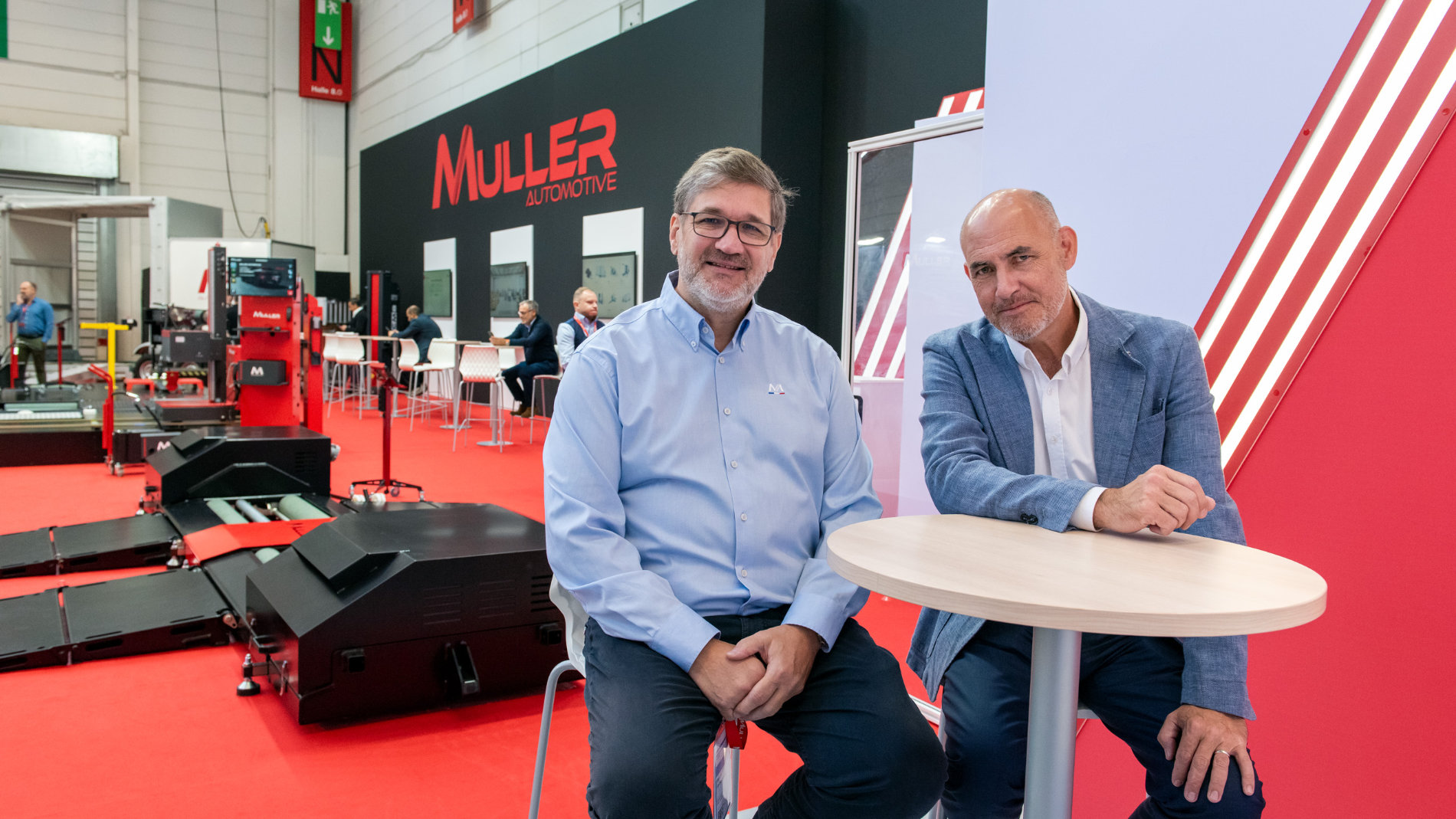
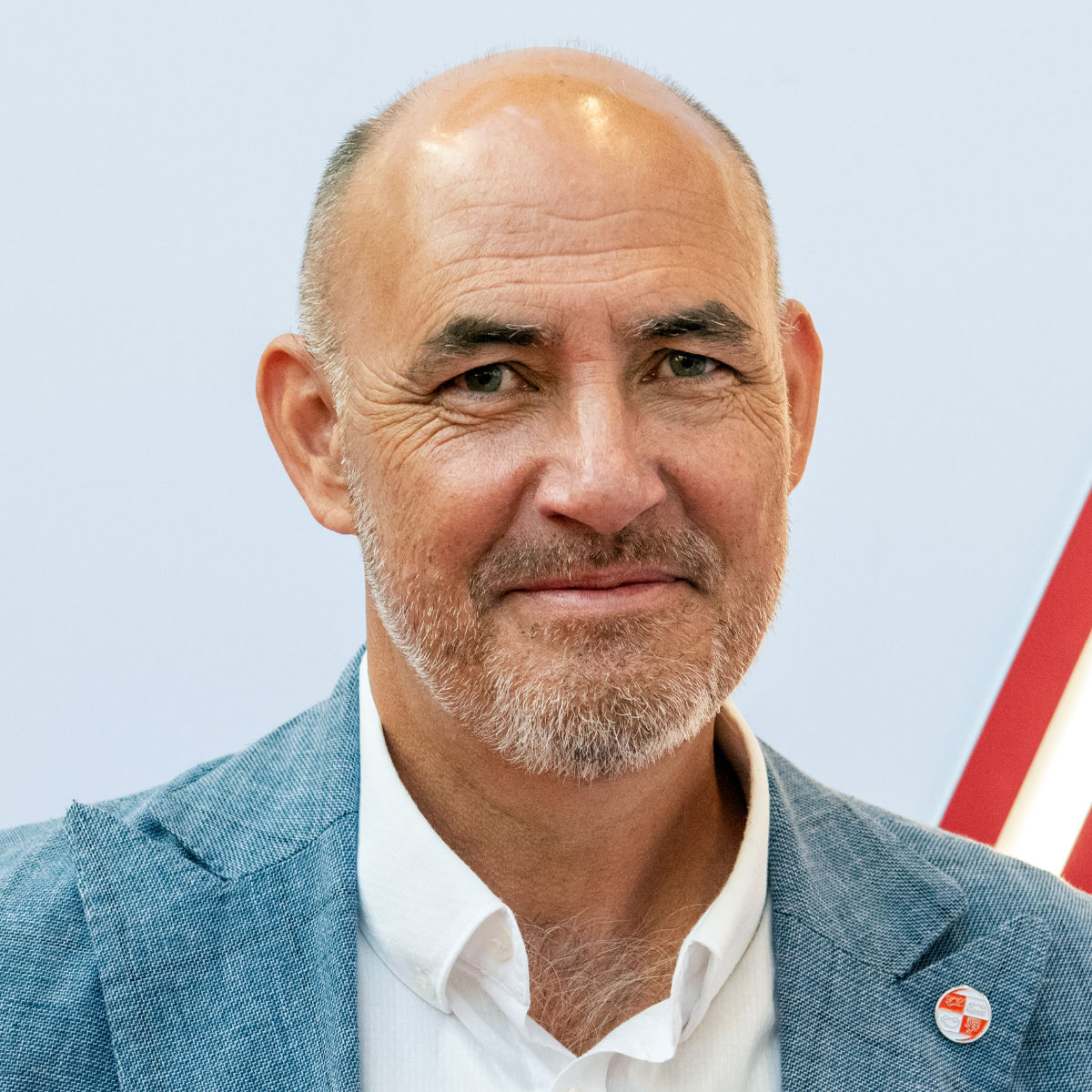
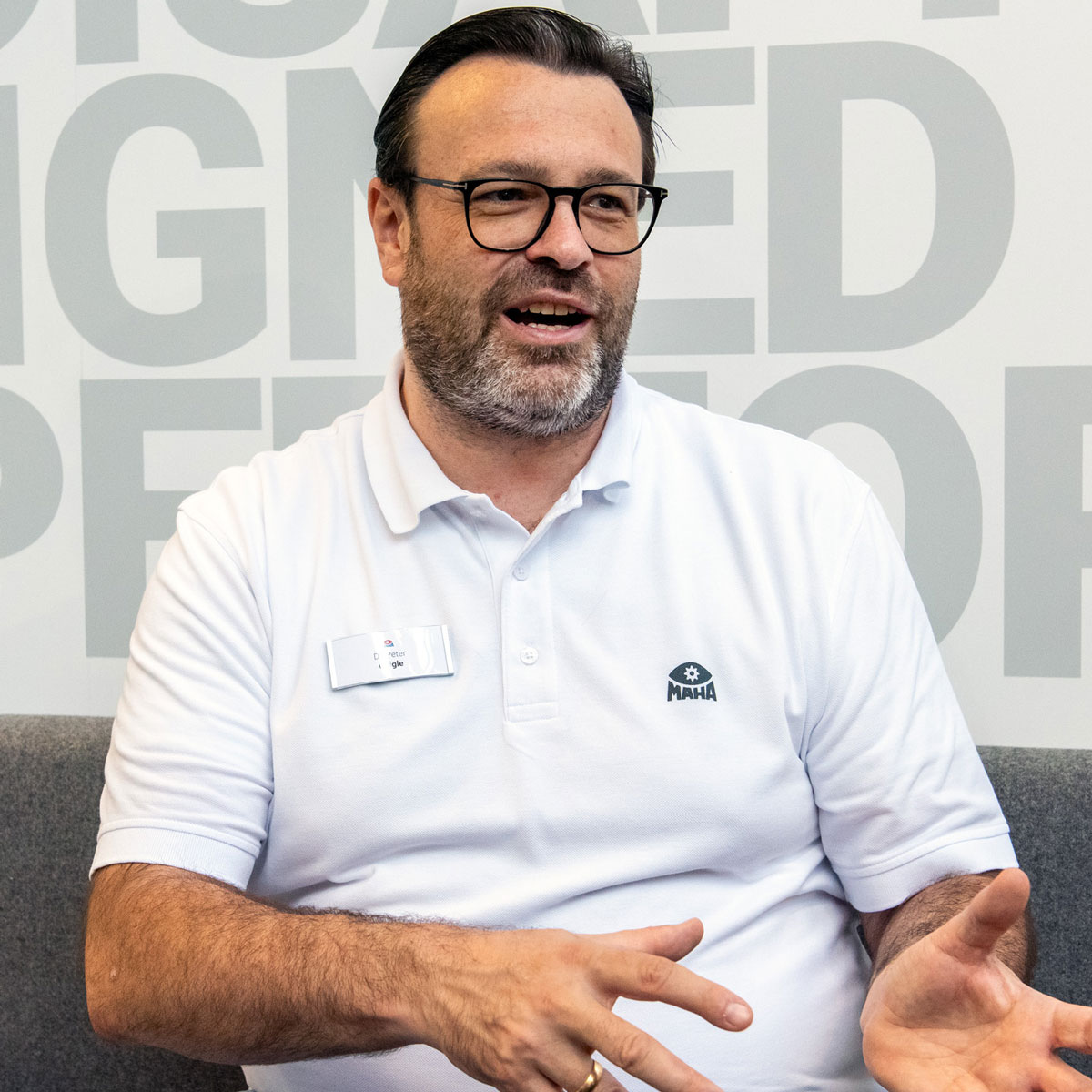
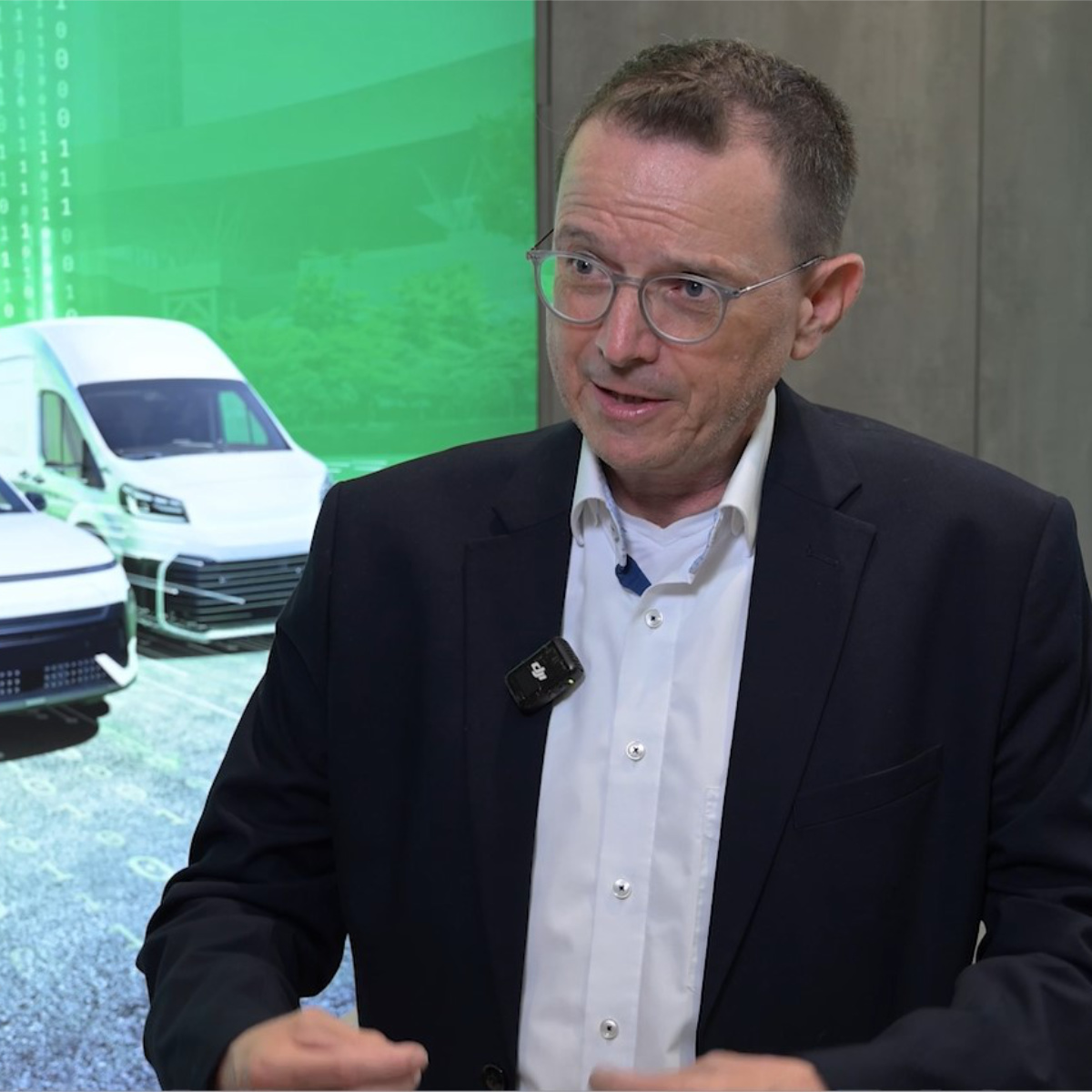
Benoît de Maynadier, President of MULLER Automotive (left), and Michael Chippendale, Head of External Relations at the GRSP (right).
Mr de Maynadier, MULLER Automotive is dedicating part of its Automechanika stand to GRSP. What brought the two organisations together?
Benoît de Maynadier: At our level, we contribute to saving lives on the roads. Periodic technical inspection is part of the roadworthiness package and directly affects the safety of pedestrians, vehicle users and people travelling by bus.
We discovered GRSP online and attended an event it organised in Manila. We saw that our work fitted well with its vision and objectives. MULLER Automotive already had the mobile inspection product, and in discussions with Michael Chippendale and his team we asked ourselves how we could help promote the concept in countries where vehicle inspection systems do not yet exist.
Road safety has several pillars: driver education, infrastructure and the vehicle itself. GRSP had already covered vehicle homologation very well. Our role relates to the vehicle’s lifecycle. It is one thing for a vehicle to be safe by design; it is another to make sure, ten years later, that its safety components are still working properly.
What exactly is a mobile inspection station, and which vehicle defects can it identify?
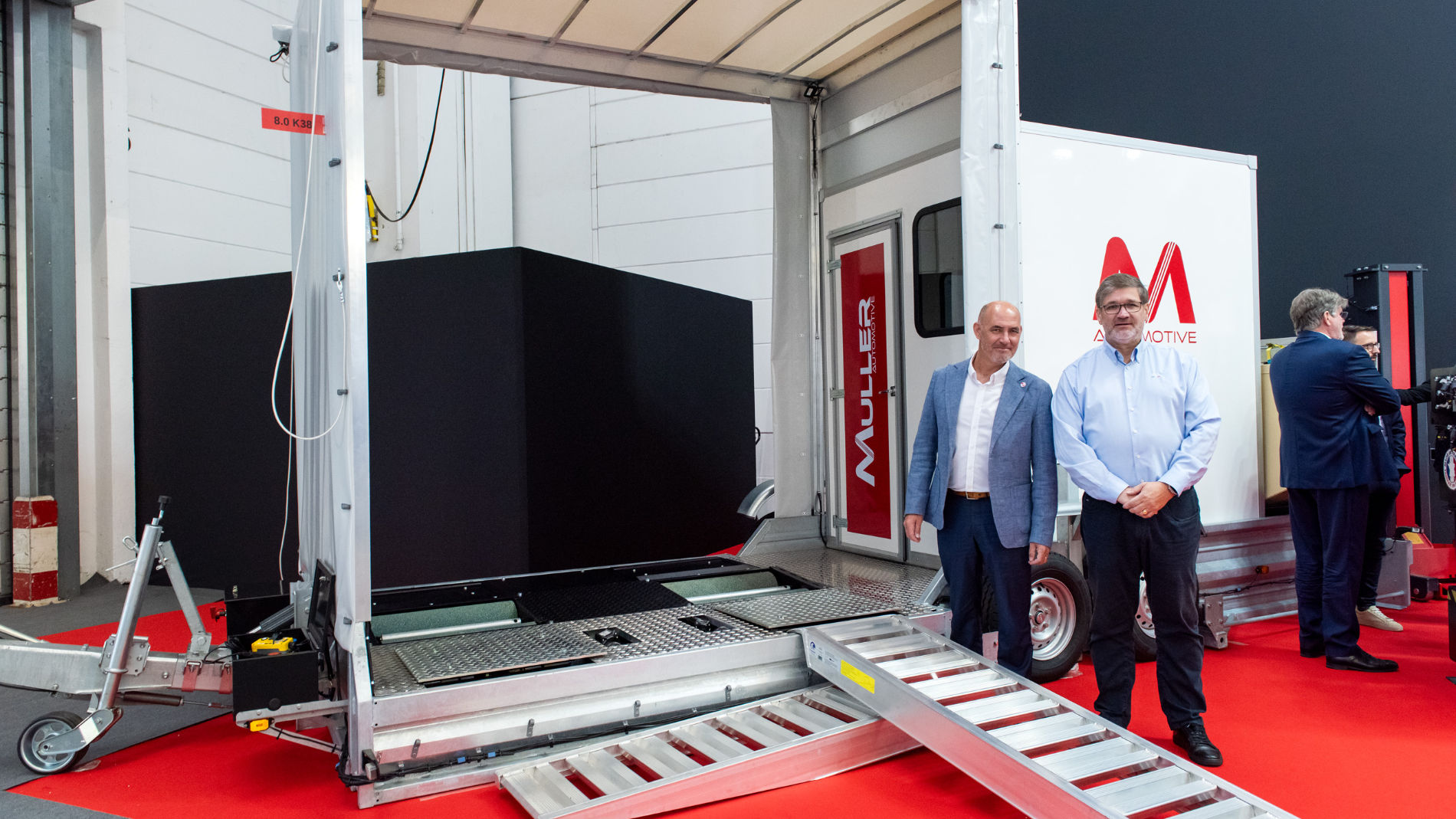
Benoît de Maynadier: A mobile station can perform everything a fixed inspection centre can do. It includes a side-slip tester to check the geometry and wheel alignment of a car. This can affect emergency braking: if the wheel alignment is not correct, heavy braking can cause the car to pull from one side to the other, leading the driver to lose control.
The station also includes a suspension tester. Poor suspension can increase braking distance, even if the brakes themselves are in good condition. Depending on the situation, that could add ten, 20 or even 50 metres – and sometimes a single metre of braking distance can make the difference in a fatal crash.
The brakes are tested as well, of course, along with wheel fixation using an axle-play detector. Lights are checked for correct alignment, so that high beams do not blind oncoming drivers. Finally, the station can test emissions. They may be less spectacular, but emissions also harm people, slowly and silently.
“The test cabin can be towed by a car or a pick-up and takes around ten to 15 minutes to set up.”
How quickly can such a station be deployed and put into operation? What local infrastructure, training and regulatory framework are required?
Benoît de Maynadier: The mobile station is particularly suited to developing countries and to large countries with low population density. In some regions, building a large fixed centre is not economically realistic: it requires construction and land, while there may be relatively few people and vehicles. These areas are often among the poorest.
The product was developed so operators can bring the inspection capability directly to the site. It can be towed by a car or a pick-up and takes around ten to 15 minutes to deploy. It is quick and easy to set up.
Mr Chippendale, from GRSP’s perspective, in which situations are mobile inspection stations especially useful? Is the aim to reach remote regions, establish an initial inspection system, or both?
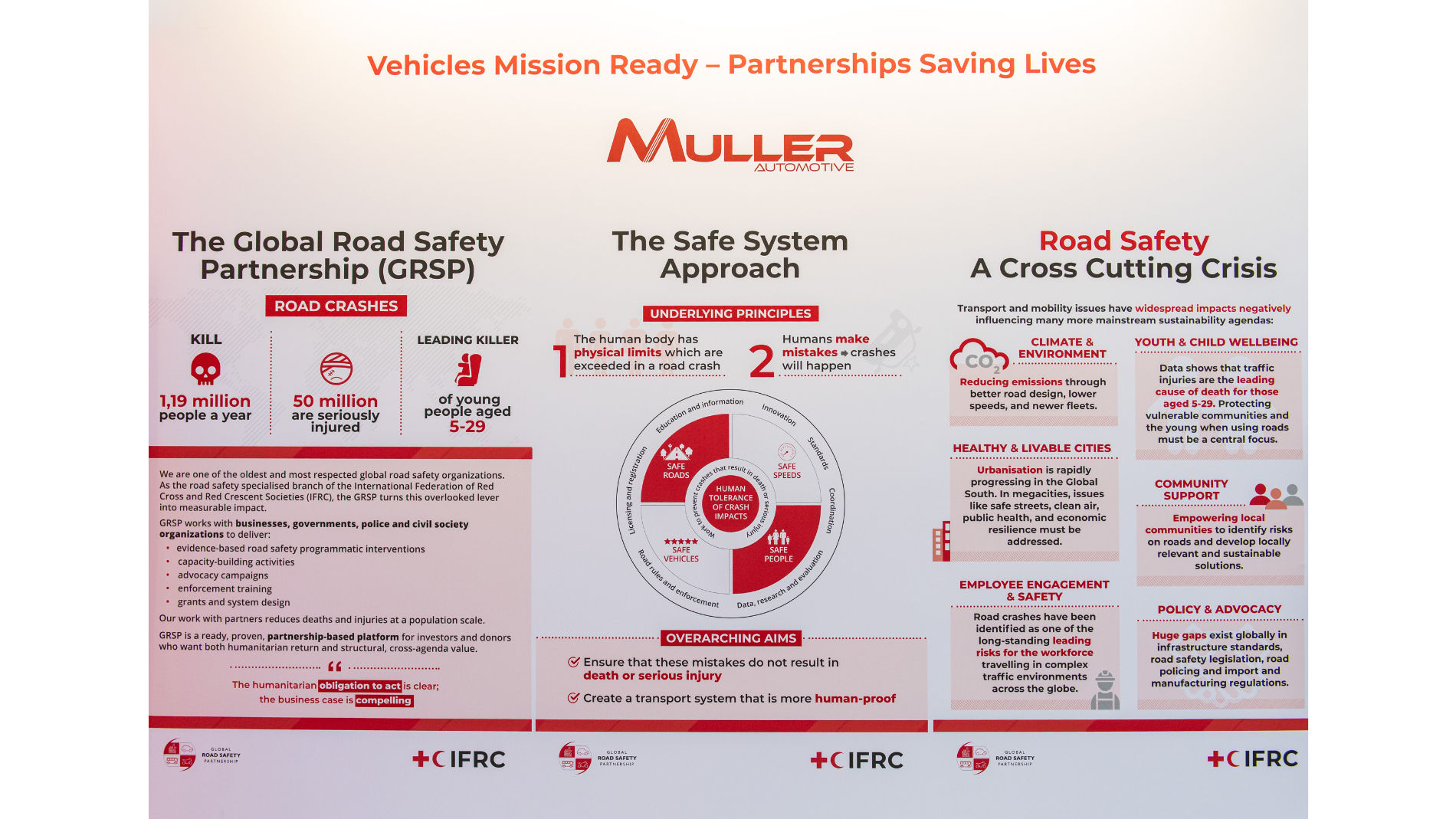
Michael Chippendale: GRSP works predominantly in low- and middle-income countries, where the risk of road crashes and the death toll are disproportionately high. We are part of the International Federation of Red Cross and Red Crescent Societies, which has 191 national societies embedded in communities around the world.
Many of these organisations operate fleets for emergency medical services and disaster response. Those vehicles need to be mission-ready. If a vehicle is out of service when there is a flood, landslide or hurricane, lives can be put at risk.
A safe-system approach includes safe roads, safe speeds, safe road users and safe vehicles. In this case, the focus is on how vehicles are maintained throughout their lifecycle – five or ten years after they have been put on the road. A mobile station can help keep vehicles operating in remote settings safe and operational. When these vehicles are ready to go, they can help save lives.
GRSP’s work is supported by financial partners, including governments and private-sector funders. Under this initiative, MULLER Automotive’s concept is to provide a mobile station and training for local operators – for example at the Mexican Red Cross – so that they can maintain their vehicles. The community would not have to pay for this service.
In which countries are you first looking to pilot this approach, and what impact could it have locally?
Michael Chippendale: Mexico is the first focus. The Mexican Red Cross is highly respected and has a large fleet of more than 2,400 vehicles, including ambulances and vehicles used for disaster response. We work with them on their vehicle purchasing policy, making sure that vehicles have, for example – and this may sound strange – seatbelts in the front and rear. A lot of vehicles sold into Latin American countries, sub-Saharan African countries, Asia and India do not have rear seatbelts.
“A lot of vehicles sold into Latin American countries, sub-Saharan African countries, Asia and India do not have rear seatbelts.”
There are European manufacturers that produce a brand-new vehicle in Europe for the European market with five-star safety features. From the same factory, they may turn off safety features and sell the vehicle into Latin America cheaper, to save hundreds of dollars.
The next step is fleet maintenance: making sure vehicles are well maintained and mission-ready when they are needed. We hope to have the first mobile inspection station in place in 2027. We are also looking at Kenya and Pakistan in the initial period. The mobile nature of the station is crucial. Red Cross and Red Crescent organisations have branches in many communities, including remote areas that may only operate a small number of vehicles. Rather than requiring those vehicles to travel to a fixed maintenance facility, the inspection station can come to them.
“The goal is for the vehicles to be mission-ready – ready to go when they are needed!”
What would success look like for this initiative two years from now?
Michael Chippendale: Starting with Mexico, success would mean that vehicle maintenance is written into the national society’s fleet policy. GRSP already helps develop policies that cover purchasing decisions. The next step is to include vehicle readiness as a core maintenance requirement.
Too often, when visiting Red Cross or Red Crescent national societies, you see vehicles that are clearly not operational. When the phone rings and an emergency response is needed, an organisation cannot respond if its vehicles are not ready. The goal is for the vehicles to be mission-ready – ready to go when they are needed!
Anja Körner
Editor
Refines texts, makes connections and is always looking for new topics.