
Reading time: 3 minutes
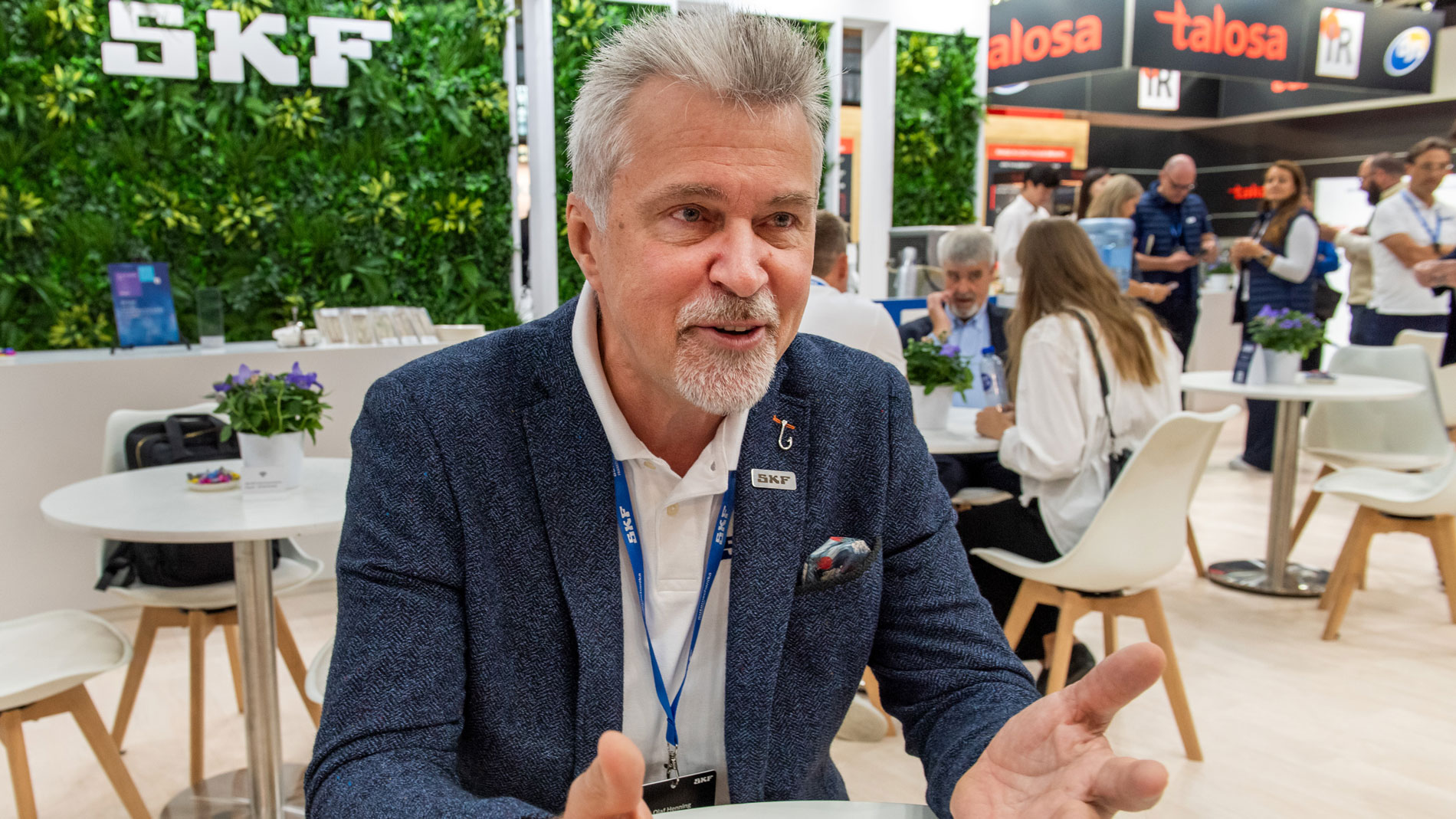
Mr Henning, SKF technology can be found in millions of vehicles, yet many drivers are barely familiar with the name. Where do we encounter SKF in a car?
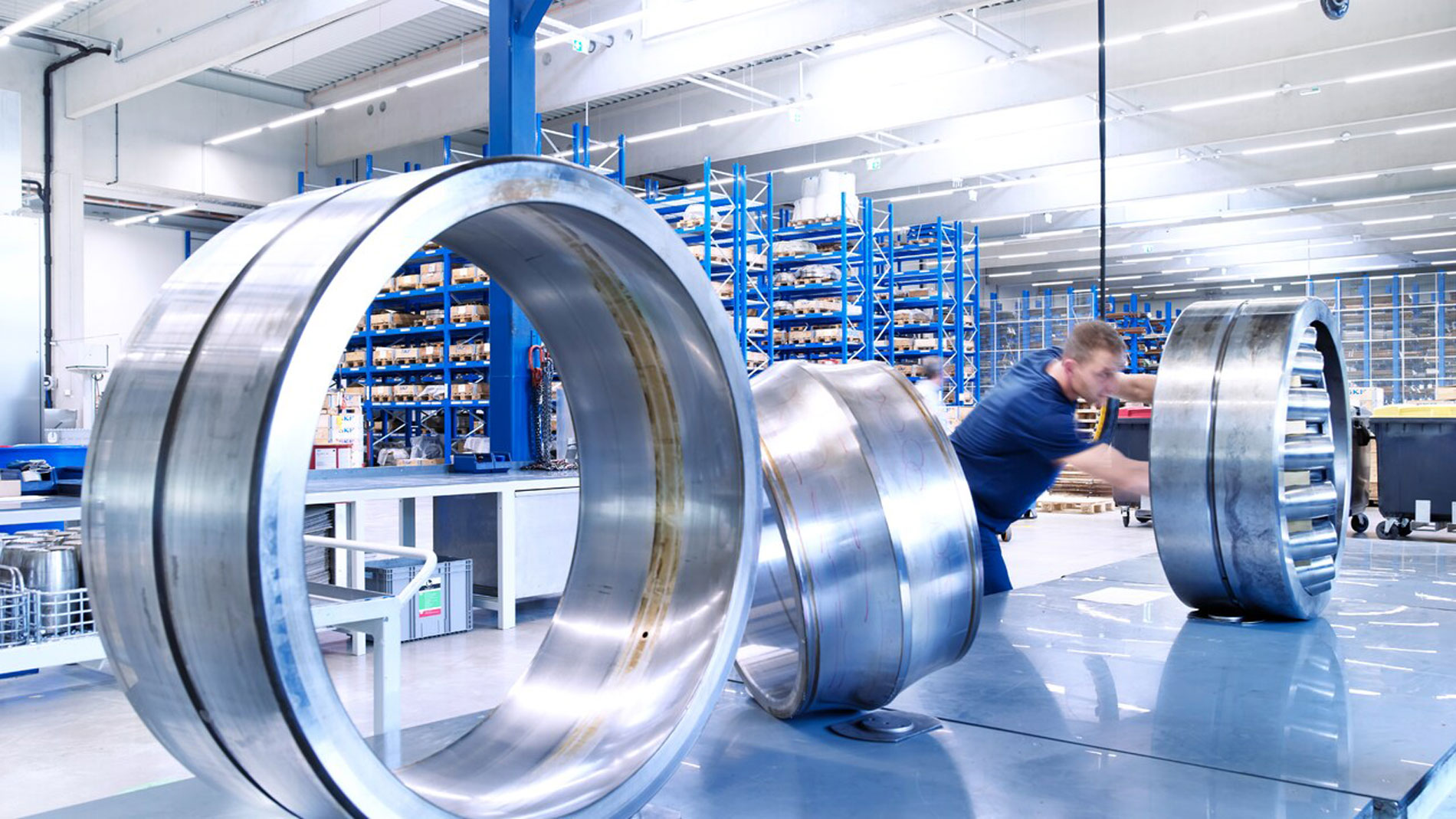
Anywhere something rotates. And if you look more closely, a surprising number of things rotate in a car: in the engine, transmission, axles or wheels. SKF invented the self-aligning ball bearing in 1907 and, incidentally, also founded Volvo, not the other way round. Our driving force has always been innovation with a tangible benefit: less friction, lower fuel consumption and reduced material use. That certainly has something to do with our Swedish culture. We do not develop technology for technology’s sake, but for users and society.
SKF plans to list its automotive business on the stock exchange as SKF Vertevo. Why is this independence necessary, and is it more about cost savings or new investment?
Cost pressure is nothing new. We have to make money, because only then can we invest in new products. But it was not the driver behind the separation. The key factor is having a complete focus on automotive. Today, investment is allocated across the entire Group; in future, 100 per cent of our own funds will go into the automotive business. Logistics, customer service and product management will also be fully tailored to OE and the aftermarket. This will make us faster and improve service.
Electric cars place new demands on bearings due to high rotational speeds, high torque and low tolerance for noise. Is electric mobility a growth driver for SKF?
Quite clearly, it is a driver of technological innovation. More than 80 per cent of our portfolio is independent of the type of powertrain; every powertrain needs bearings. But the requirements are changing. In an electric motor, currents can pass through a steel bearing, causing sparks and corrosion and leading to noise or failures. That is why, for example, we use ceramic balls, which provide insulation, a little like the insulator on an electric fence. Alternatively, a carbon brush ring diverts the current. Which type of powertrain ultimately prevails is less important to us: we master all three technologies.
“We have 13 innovation centres worldwide, close to our customers.”
SKF has long offered more than wheel bearings. How far do you want to develop into a systems supplier without diluting the brand’s profile?
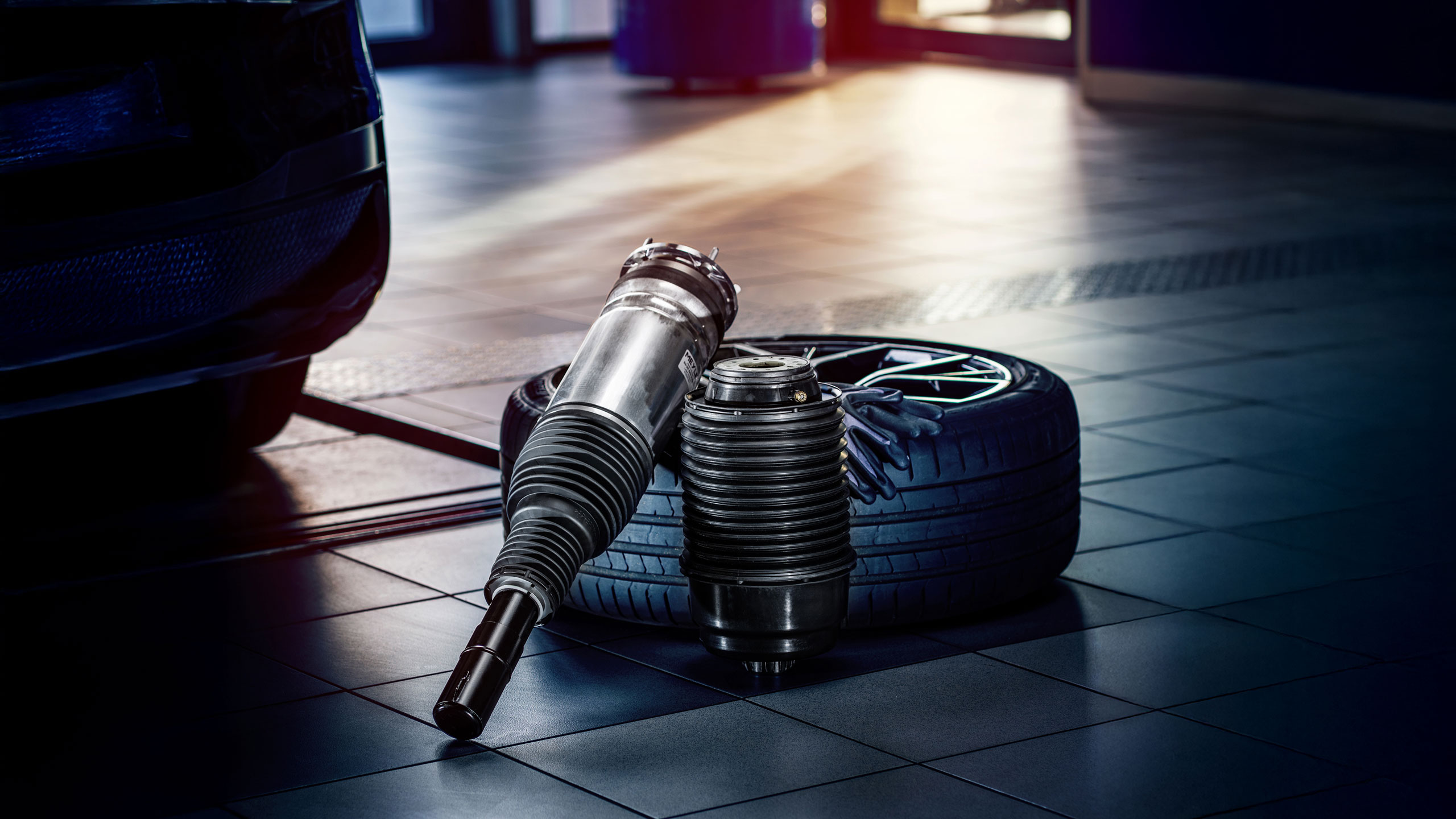
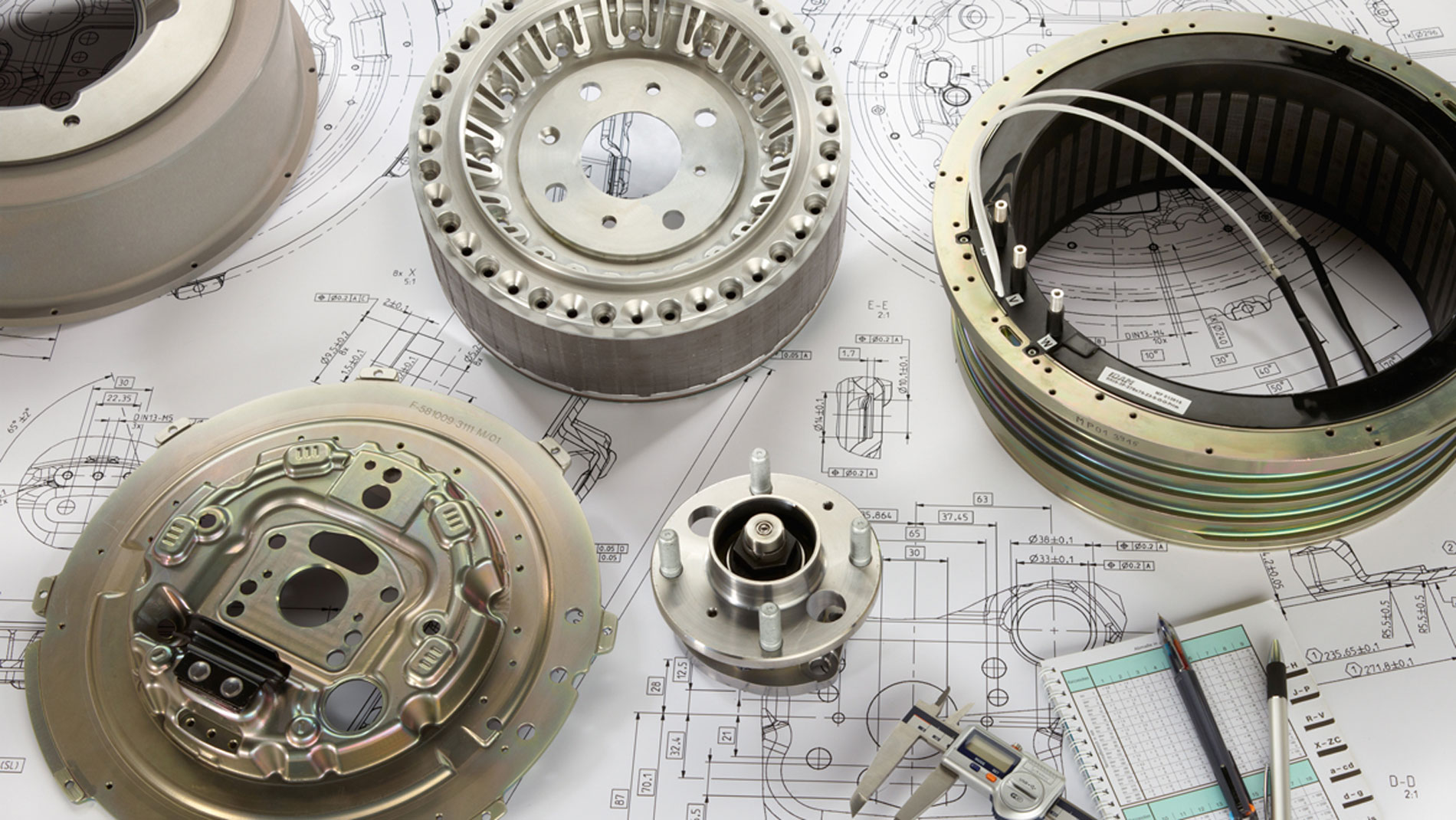
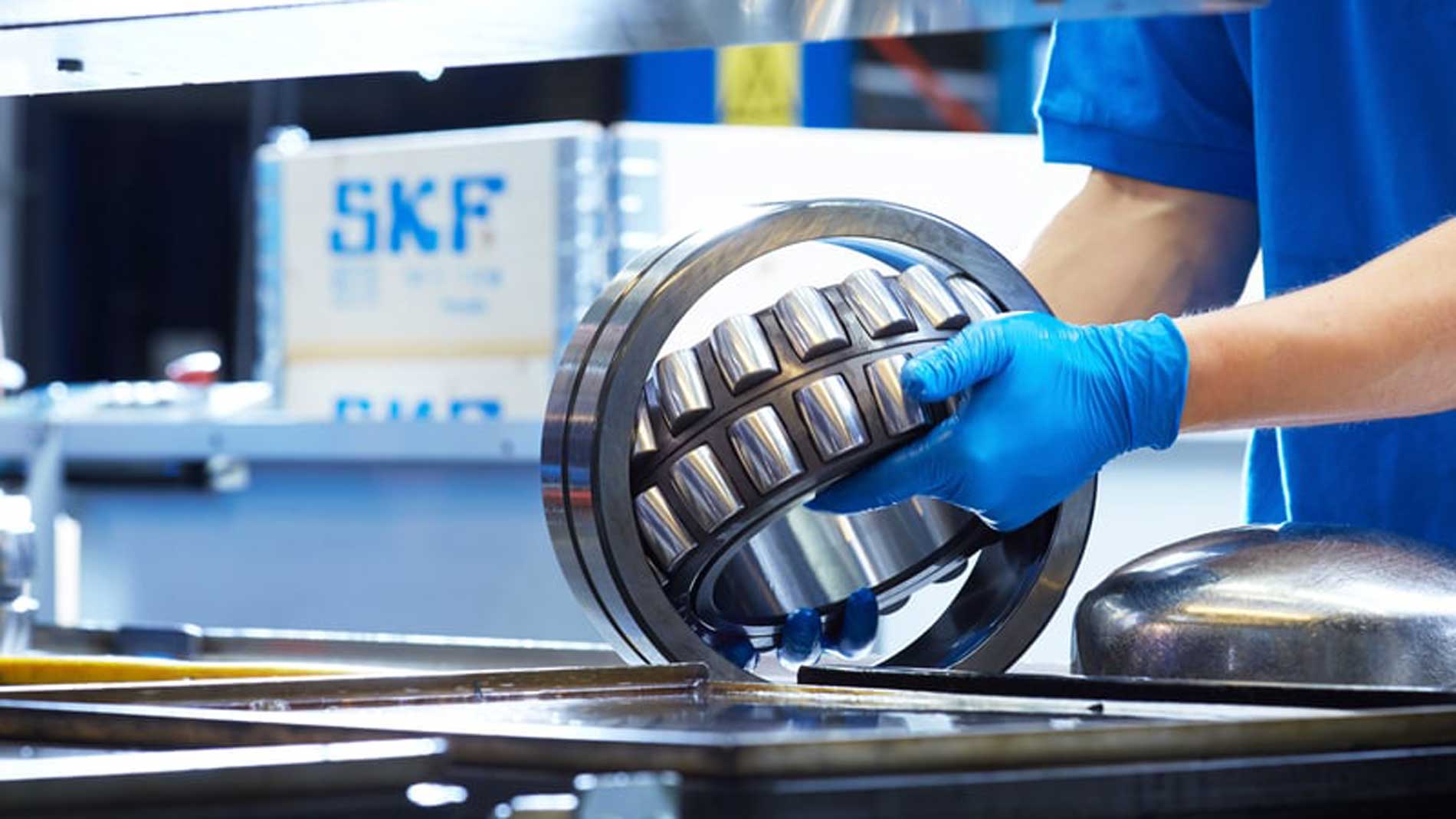
We expand our aftermarket portfolio wherever we can draw on expertise from original equipment. Our drive shafts, for example, are developed by us and produced in Italy. We are the global market leader in strut bearings, so adding a complementary chassis range is an obvious step. We also have OE experience with brake discs featuring integrated wheel bearings. Our range covers around half of what a workshop needs. We expand it selectively, but not indiscriminately.
What does the shift from product supplier to solutions provider mean in practical terms for independent workshops?
Especially with electric vehicles, the spare part alone is not enough. Workshops need knowledge, training and special tools to repair a unit consisting of an electric motor and transmission. Weight and high torque can increase wear, while new drive units are very expensive. That is why we focus on in-field repair solutions: the workshop repairs components instead of replacing the entire unit. We are already very successful with this approach.
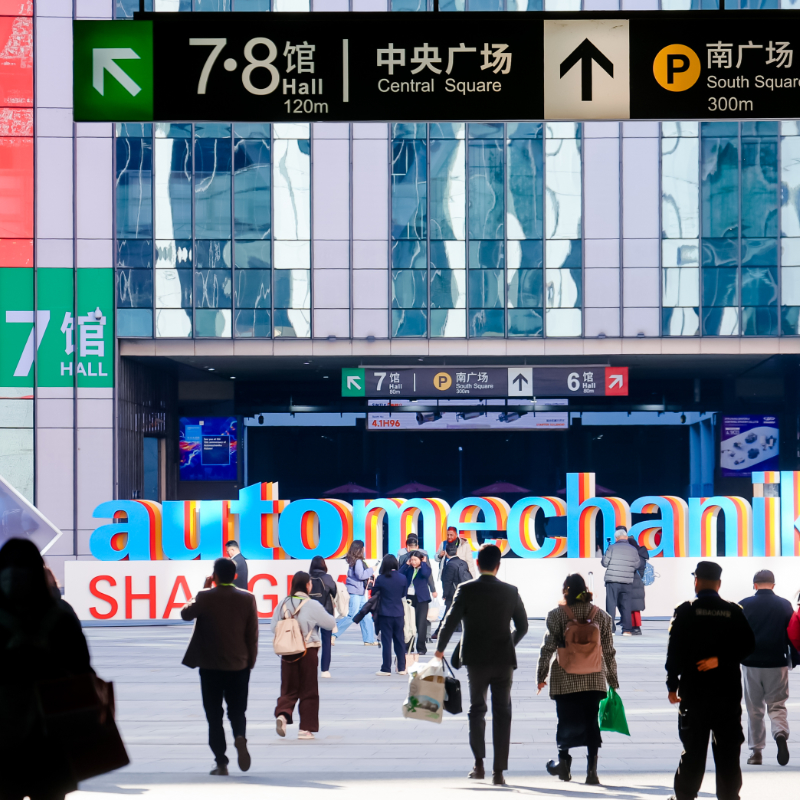
China, India and Latin America are growing faster than Europe. To what extent does a traditional Swedish company need to localise in these markets, and what is the atmosphere like at the trade fair?
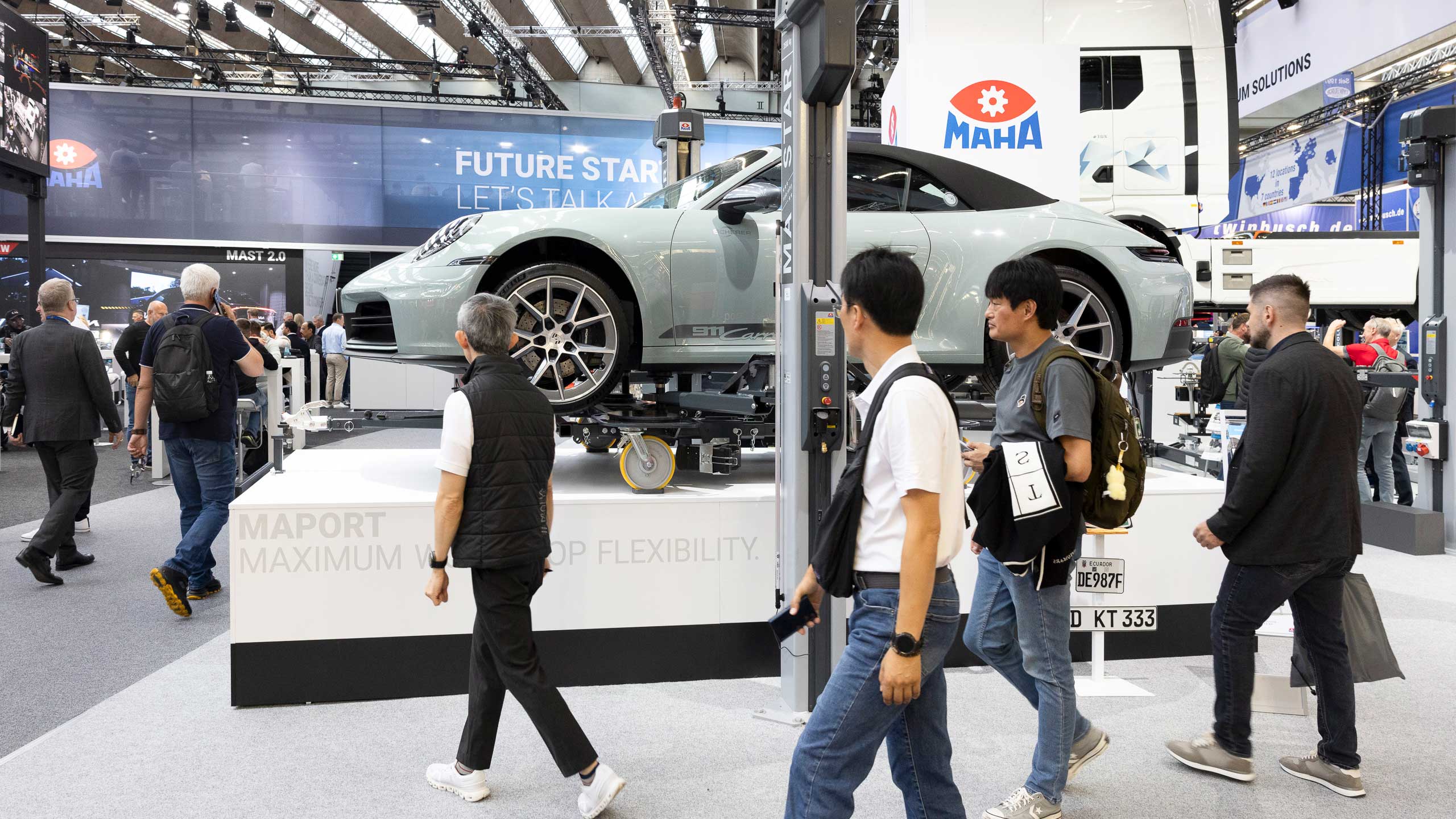
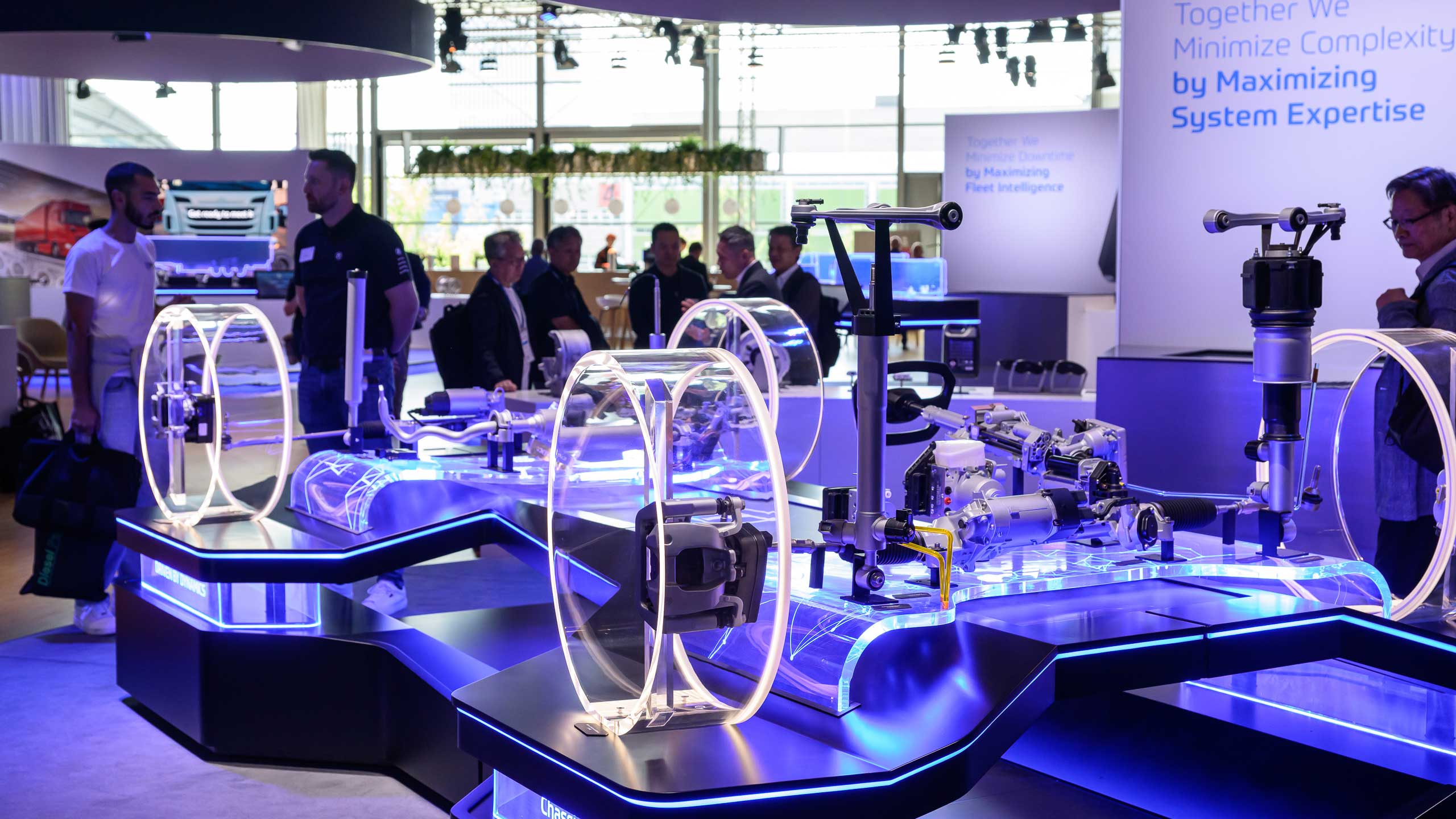
Localisation is essential. We have 13 innovation and technology centres close to our customers, including in China, India, Mexico, Brazil and Europe, and we produce regionally. We want to roll out our European portfolio worldwide, adapted to local requirements. At the same time, the trade fair shows just how important personal interaction remains. People ask whether events like these are still necessary in the age of social media. Our stand is absolutely packed. Fortunately, this business is a people business. We use computers where they help, but ultimately, people work with people.