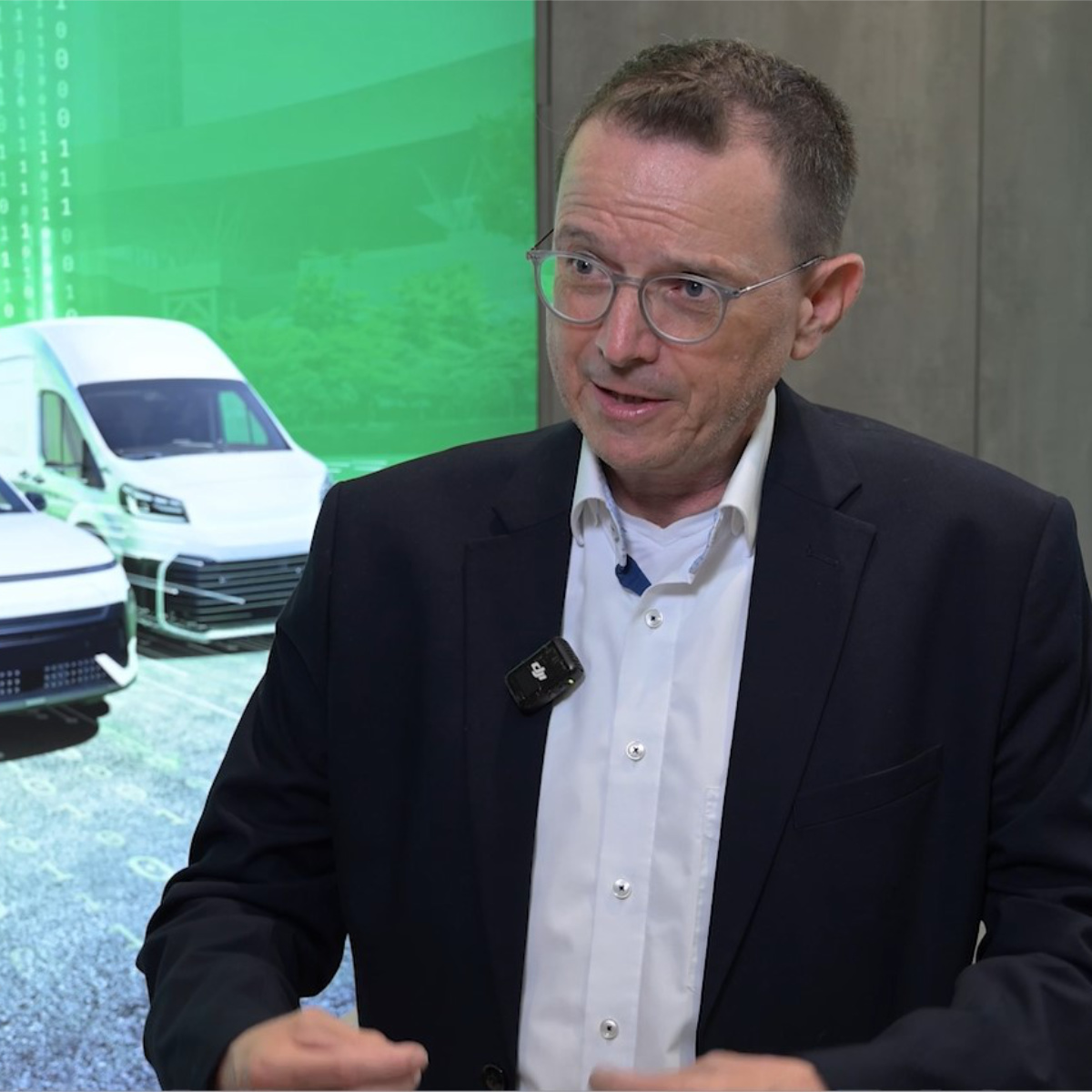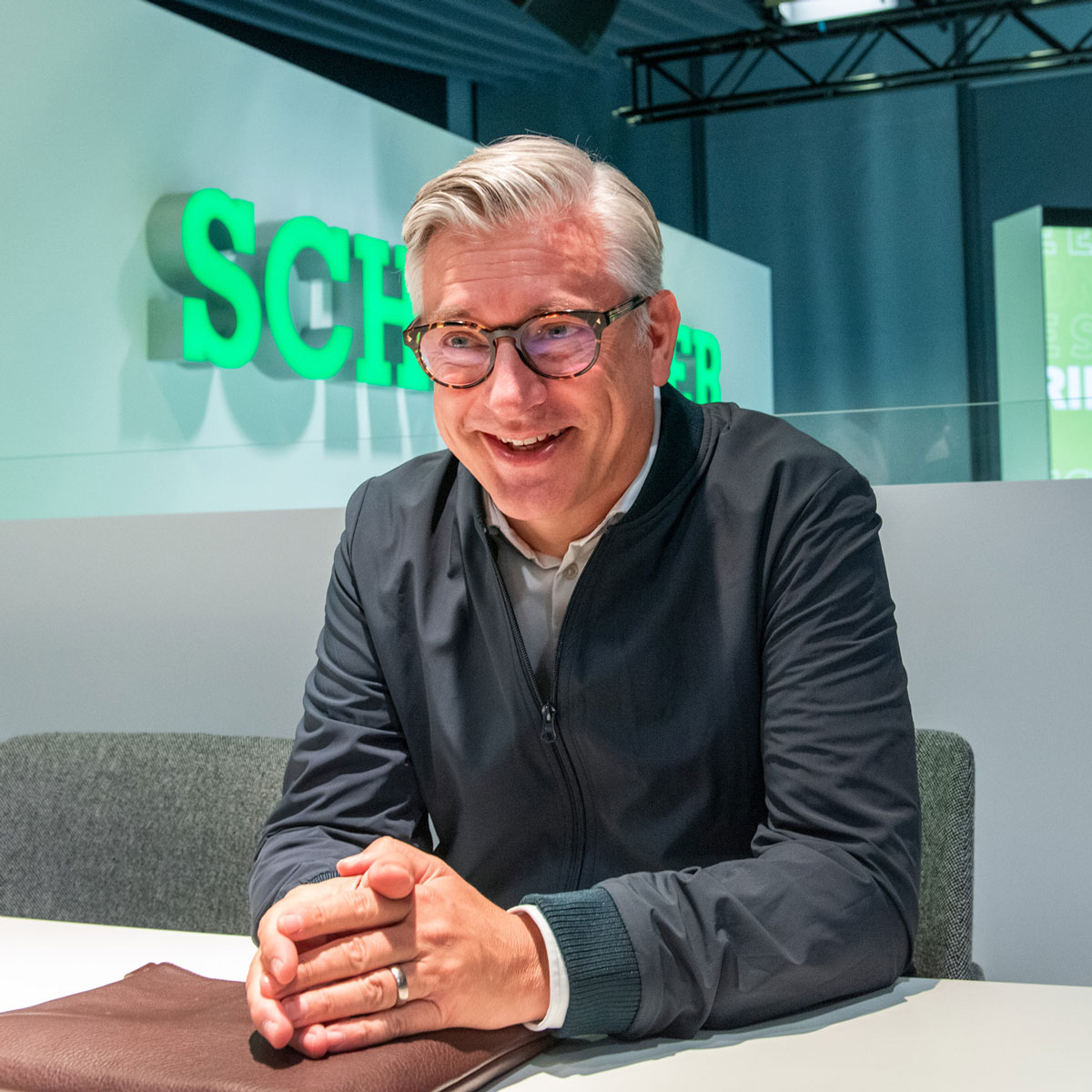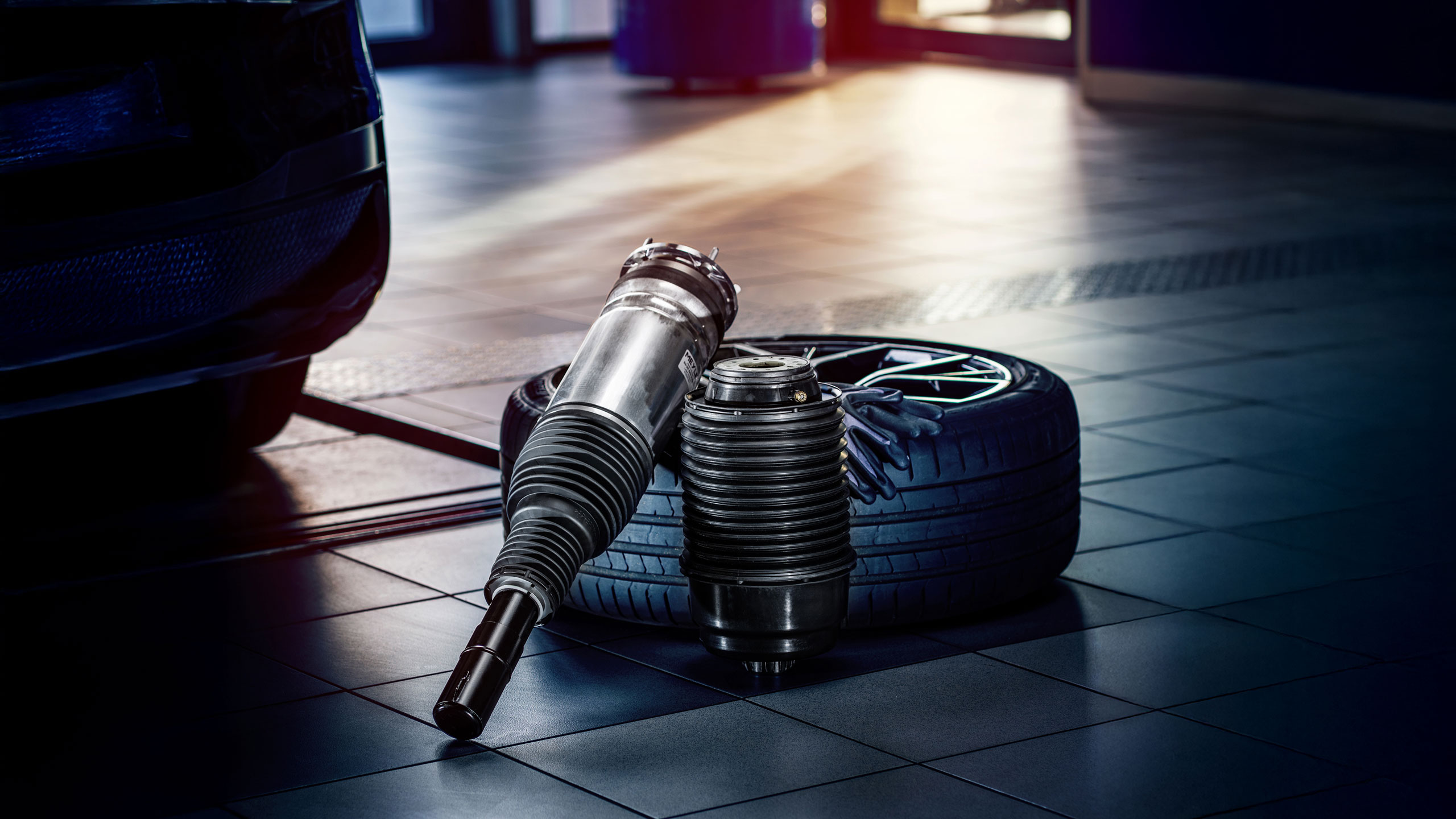

At Automechanika Frankfurt 2026, Michael Hopp spoke to leading figures in the industry on the topic of transformation for Gateway to Automotive. Read the first interview in this five-part series with MEYLE board member Marc Siemssen here.
Reading time: 3 minutes
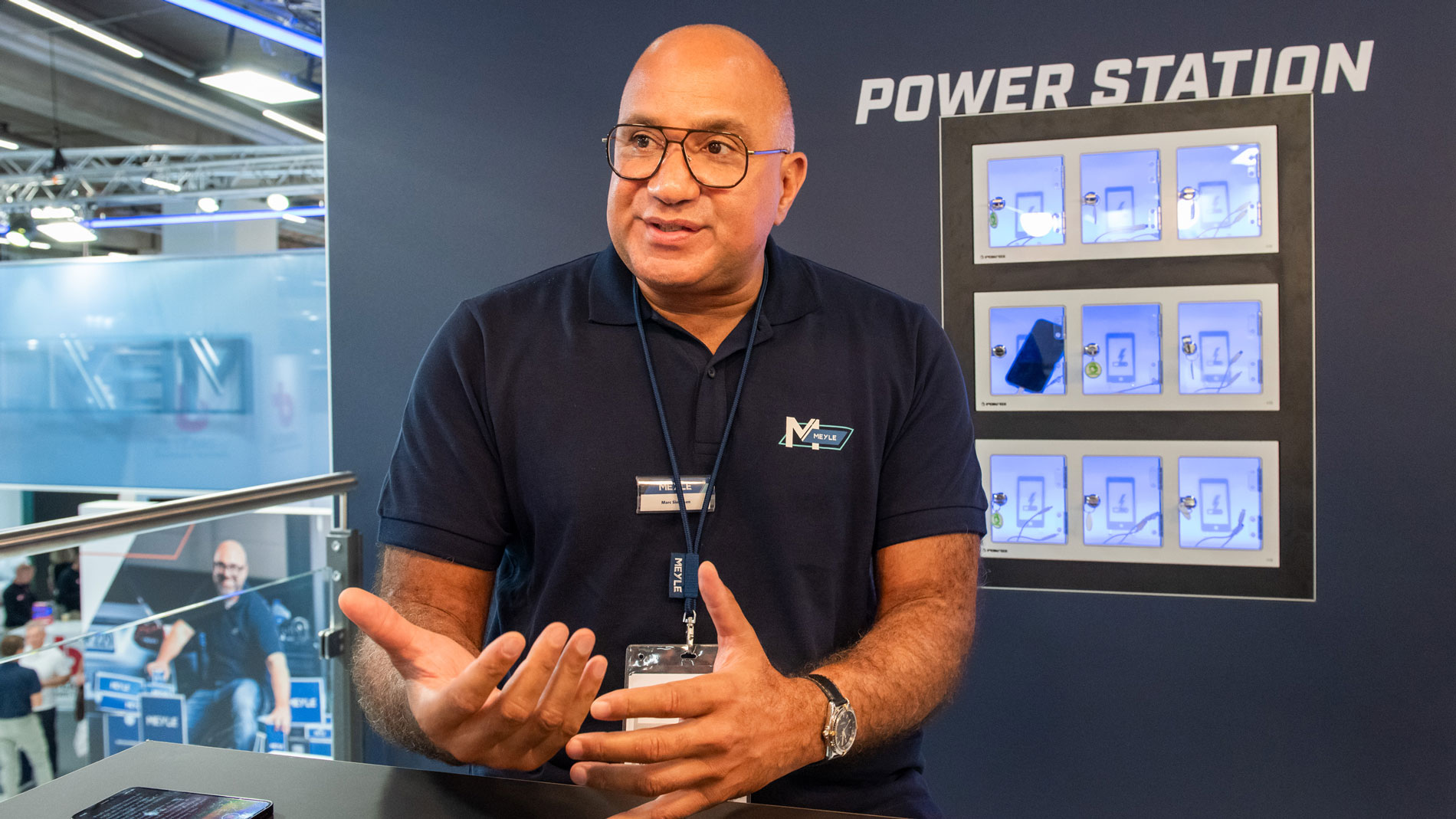
Mr Siemssen, how would you describe the current mood in the independent aftermarket? Is the sector benefiting from ageing vehicles, or is the crisis in the automotive industry already making itself felt?
Overall, the mood is good, although there are regional differences. In Germany, independent workshops are operating at high capacity. We occasionally hear that repairs are being postponed. At the same time, there is clear evidence that vehicles are being kept on the road for longer. This creates opportunities for the independent aftermarket.
MEYLE HD is designed to technically improve known weaknesses in original parts. How do you identify these weak points, and how can a workshop recognise the difference?
We analyse TÜV reports and data from a range of sources. If we see increased failure rates, we investigate the causes and test the parts ourselves. Our new EV workshop serves as a practical laboratory in this process: working on customers’ vehicles allows us to see which problems occur in real-world use. For chassis parts for Tesla vehicles, for example, we use more robust combinations of materials and reinforced designs. With many HD products, you can see and feel the difference; with others, the improvement is on the inside. We offer a four-year warranty on all HD parts.
“With local teams on the ground, we analyse markets around the world.”
Modern vehicles increasingly restrict digital access to their systems. Do independent workshops have sufficient access to diagnostic and repair data?
At present, access still works, but the barriers are getting higher. Workshops have to invest heavily in diagnostic equipment and still cannot always access vehicle systems in sufficient depth. Industry associations are therefore campaigning for fair access to data. The crisis facing manufacturers could increase political pressure to protect their business models more strongly. That would be a genuine threat to the independent market.
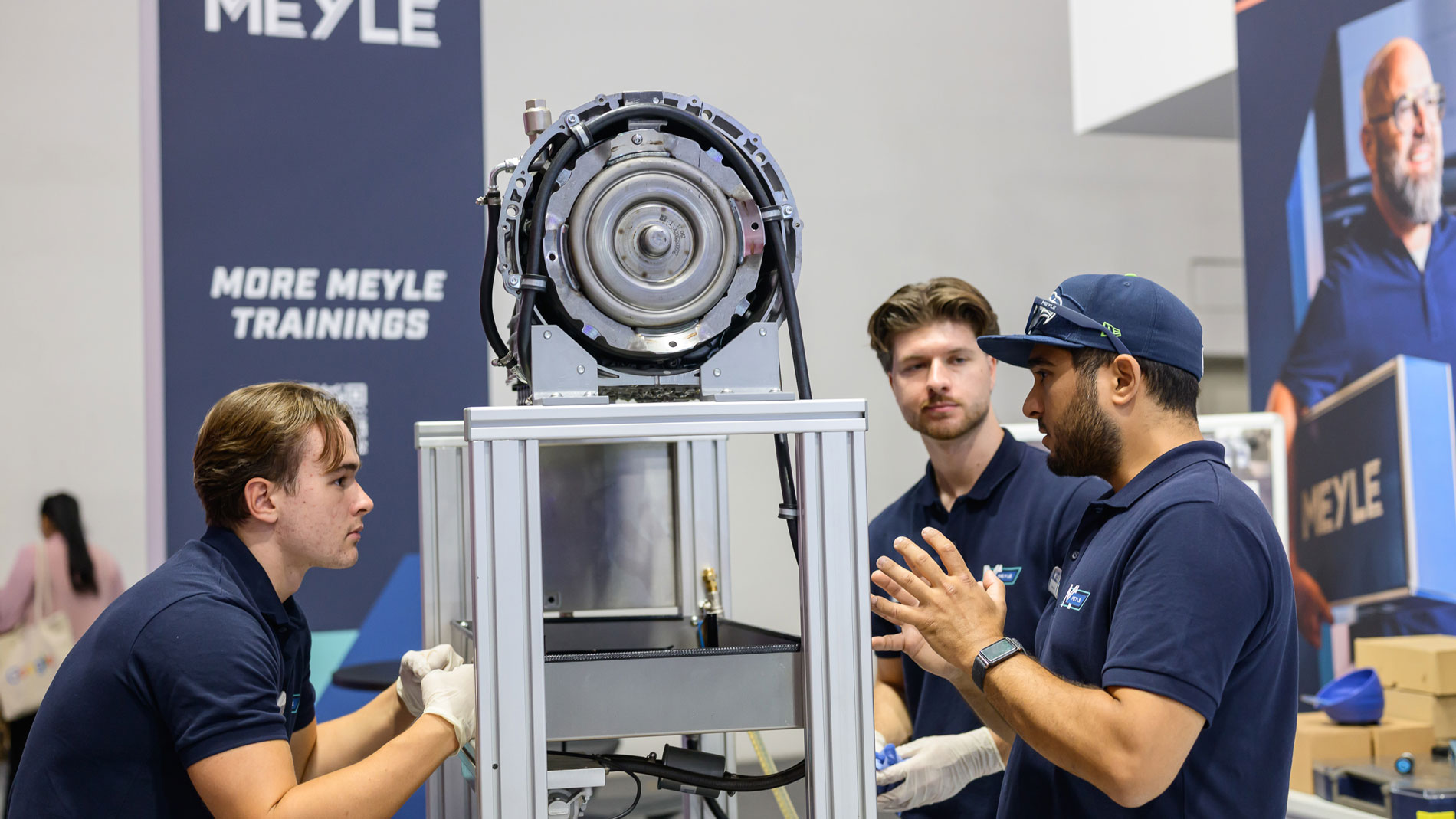
You are presenting numerous new products at Automechanika. What strategic direction lies behind them?
We want to be perceived as a specialist for the entire chassis system. In the past, we focused more strongly on individual components. Today, we analyse the chassis as a system and are expanding our portfolio to offer repairs from a single source. Highlights include our first MEYLE HD brake disc and HD drive shaft, complete chassis kits and the new shock absorbers for the Tesla Model 3 and Model Y. What matters is providing a comprehensive chassis solution.
Is electric mobility a threat or an opportunity for MEYLE?
Quite clearly, it is an opportunity. An electric vehicle also has a chassis, and that is exactly where our expertise lies. The higher weight and strong acceleration increase the load. At the same time, chassis noises and vibrations are more noticeable in quieter vehicles. This sometimes requires different materials and tuning. Recuperation also changes the demands placed on the brakes. Our portfolio is hardly dependent on the combustion engine.
MEYLE used to manage international markets largely from Hamburg. How does your new model with local teams work – and what are you learning from it about Asia?
For a long time, we tried to understand the world from a Hamburg perspective, and we reached the limits of that approach. For around three years, we have therefore been building local teams around the world. In Asia-Pacific, a dedicated team collects market data and speaks directly with customers about which parts they need and what price level the market will accept. These insights feed into our decisions about our product range and offering. The model is beginning to bear fruit and is opening new doors. German standards of quality are appreciated in many Asian countries, but the brand and the added value it offers first need to become known there. This is particularly difficult in China, where original parts are held in very high regard.