
Reading time: 3 minutes
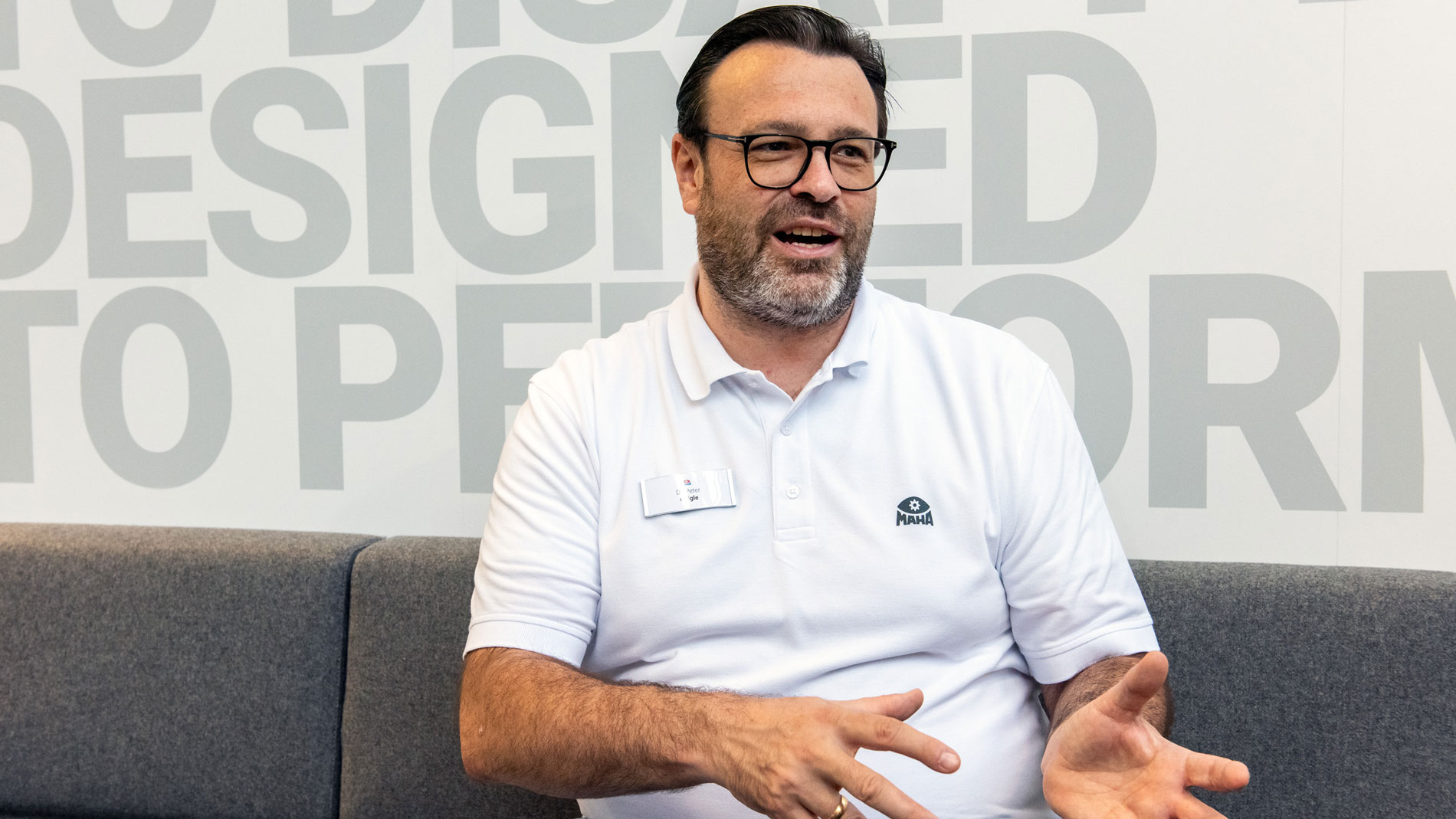
Dr Geigle, where might a driver encounter MAHA without even realising it?
Anyone who has ever taken a vehicle for its periodic technical inspection will have encountered us indirectly: in most cases, the vehicle drives over one of our brake testers. In Germany, we have an equipment penetration rate of almost 95 per cent, and around 60 per cent worldwide. Whether at TÜV in Germany or in Tanzania, our technology helps determine whether the brakes are working properly.
To what extent does MAHA need to transform from a mechanical engineering company into a software provider?
Everyone thinks MAHA builds things out of iron and steel. But for decades, our recipe for success has been the software in our test equipment and the way these systems are interconnected. Every country inspects vehicles differently. We adapt processes and interfaces to the respective government systems. In Spain, for example, a police officer can digitally check the result of a vehicle’s most recent periodic technical inspection. We provide software environments like these. Electronics have been part of our test equipment for more than 35 years, and we have now moved on to web and cloud solutions. By the end of the year, we also want to support the new PTI-Net communication protocol.
Where, then, does the real transformation lie for you?
With people. In the past, the boss said what had to be done, and then it was done. Today, I spend much more of my time building teams, involving people and conveying a sense of purpose.
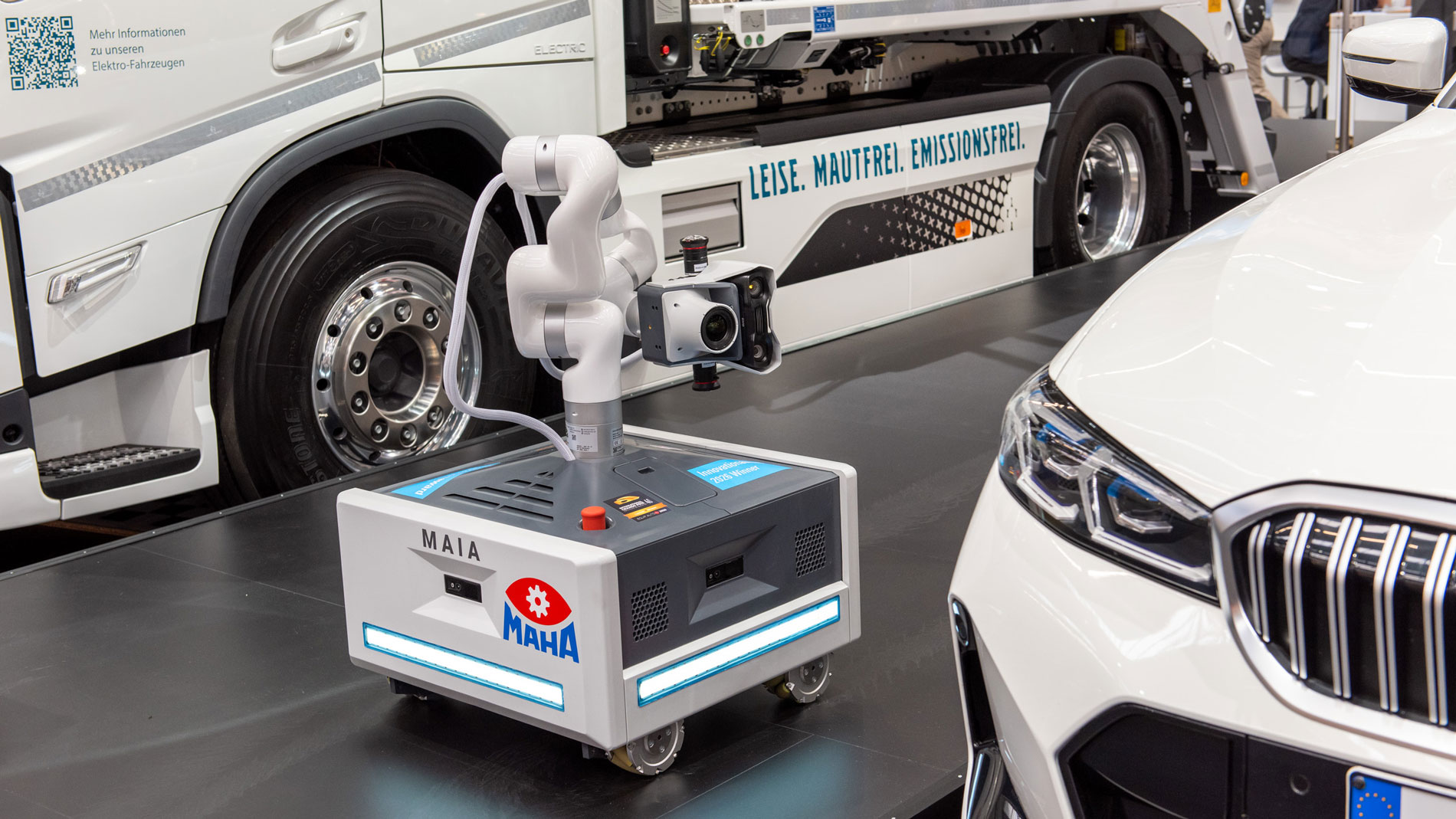
Is your autonomous inspection assistant MAIA primarily a response to the shortage of skilled workers?
It will ease the problem to some extent. But vehicles are also becoming increasingly complex; some things can no longer be inspected as precisely by people alone. And we have to work for longer, so we need more support. Look at the construction sector: many tasks that used to be done by hand are now performed with the help of assistive equipment. MAIA will support people in the same way. That is why it is called the MAHA Autonomous Inspection Assistant.
MAST 2.0 is designed to test the functionality of driver assistance systems. When will this become standard?
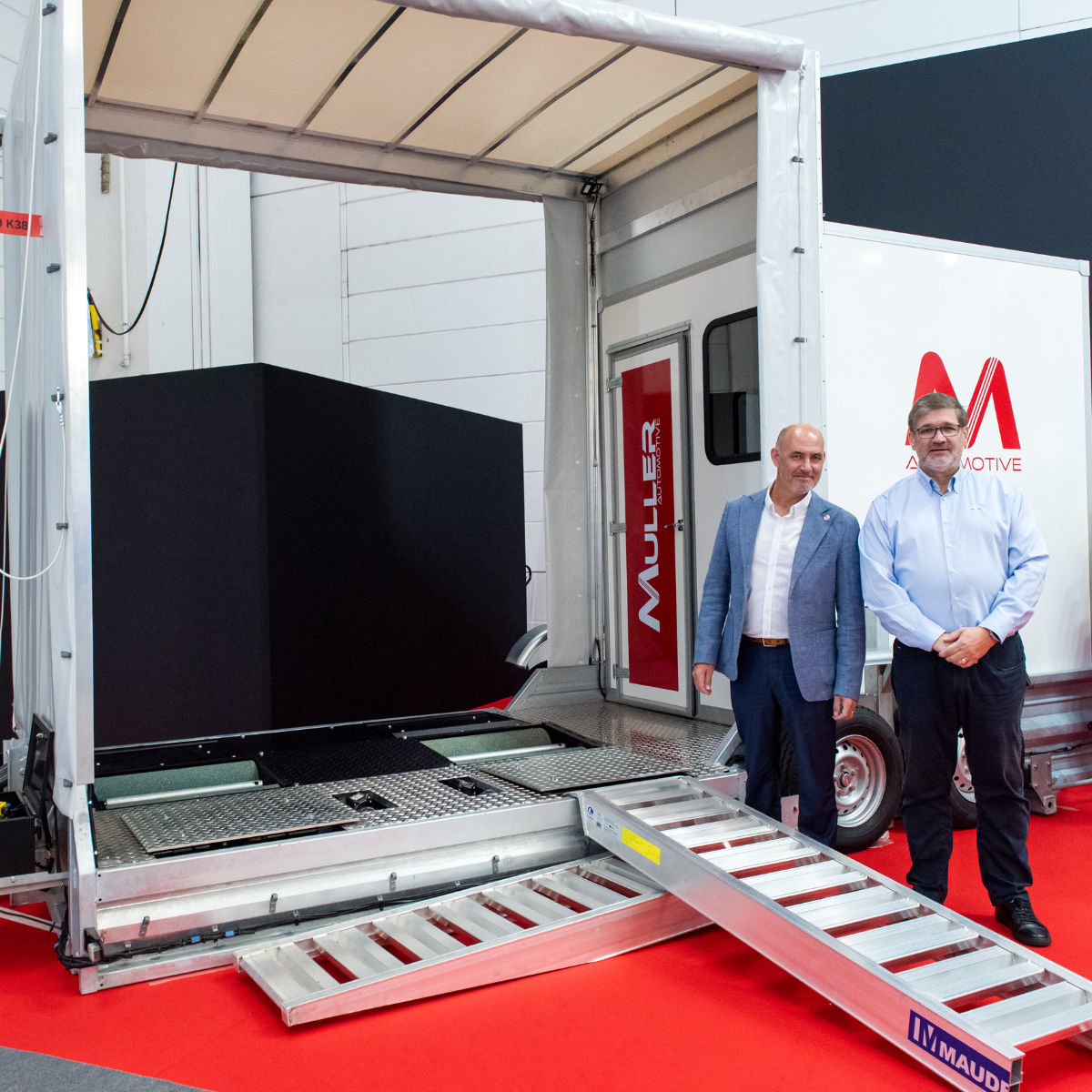
Today, we can calibrate these systems in the workshop, but we cannot simply test whether they actually function correctly. With MAST, we can see whether they are working. This will be introduced in Korea: by 2029, we will develop the first 60 test stations for this purpose. In Germany, four to five are initially due to be installed in order to study the process. Implementation is more complex here: we have around 30,000 inspection sites, while Turkey has around 700. Nationwide deployment therefore requires much greater investment in Germany.
You connect equipment via SystemLink. Is local data storage an advantage over the cloud?
You have to offer both. A large customer may have its own cloud, while others use the MAHA Cloud. And if a workshop wants to connect its five devices locally, that works just as well. The key advantage is the reduced service effort: I open my laptop and can immediately see which lift is installed and what condition the equipment is in. The data does not need to be stored in the cloud for that.
“We have invited the world to Automechanika.”
Which of the ideas you are presenting at the trade fair will become a commercial product first?
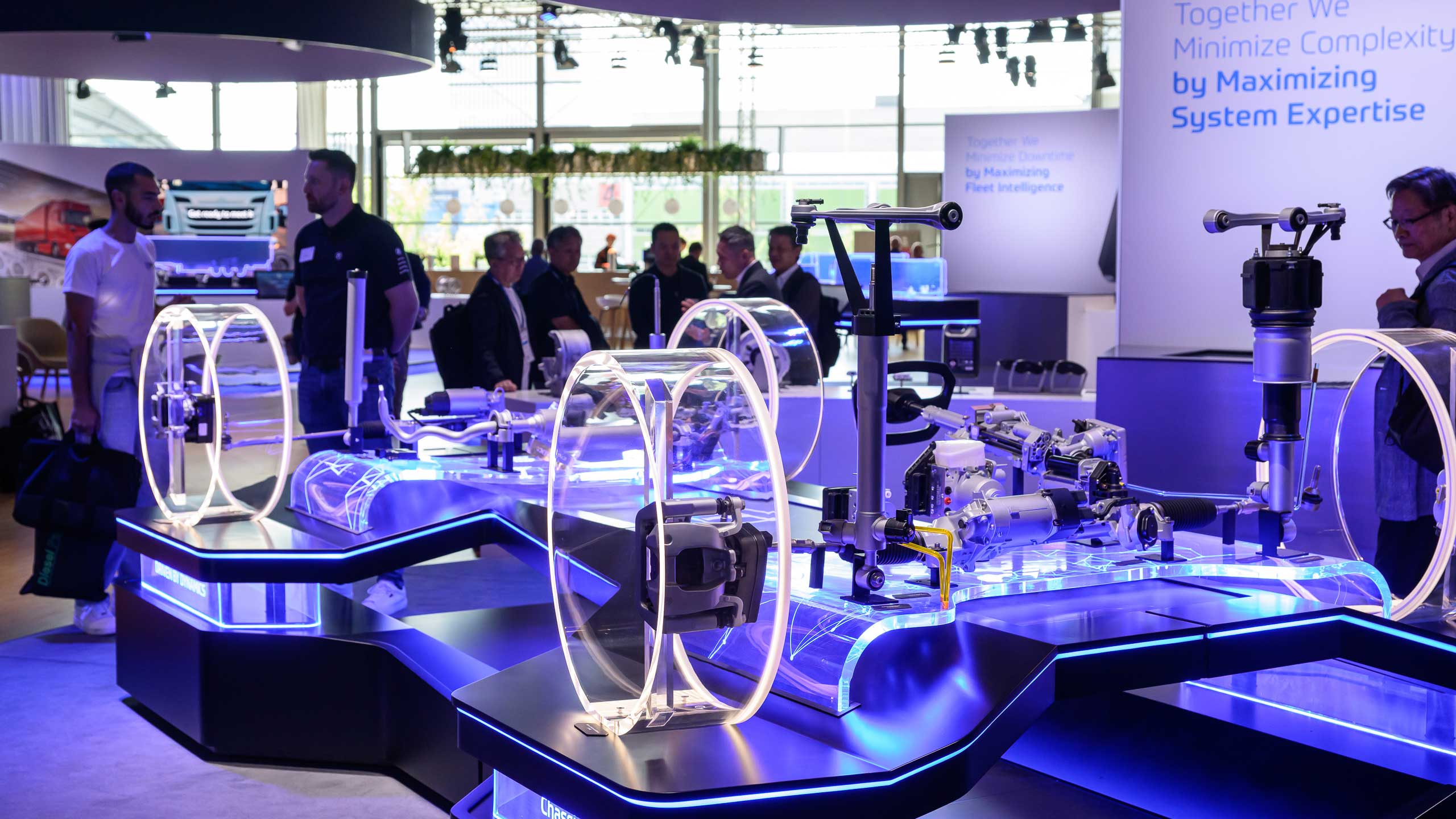
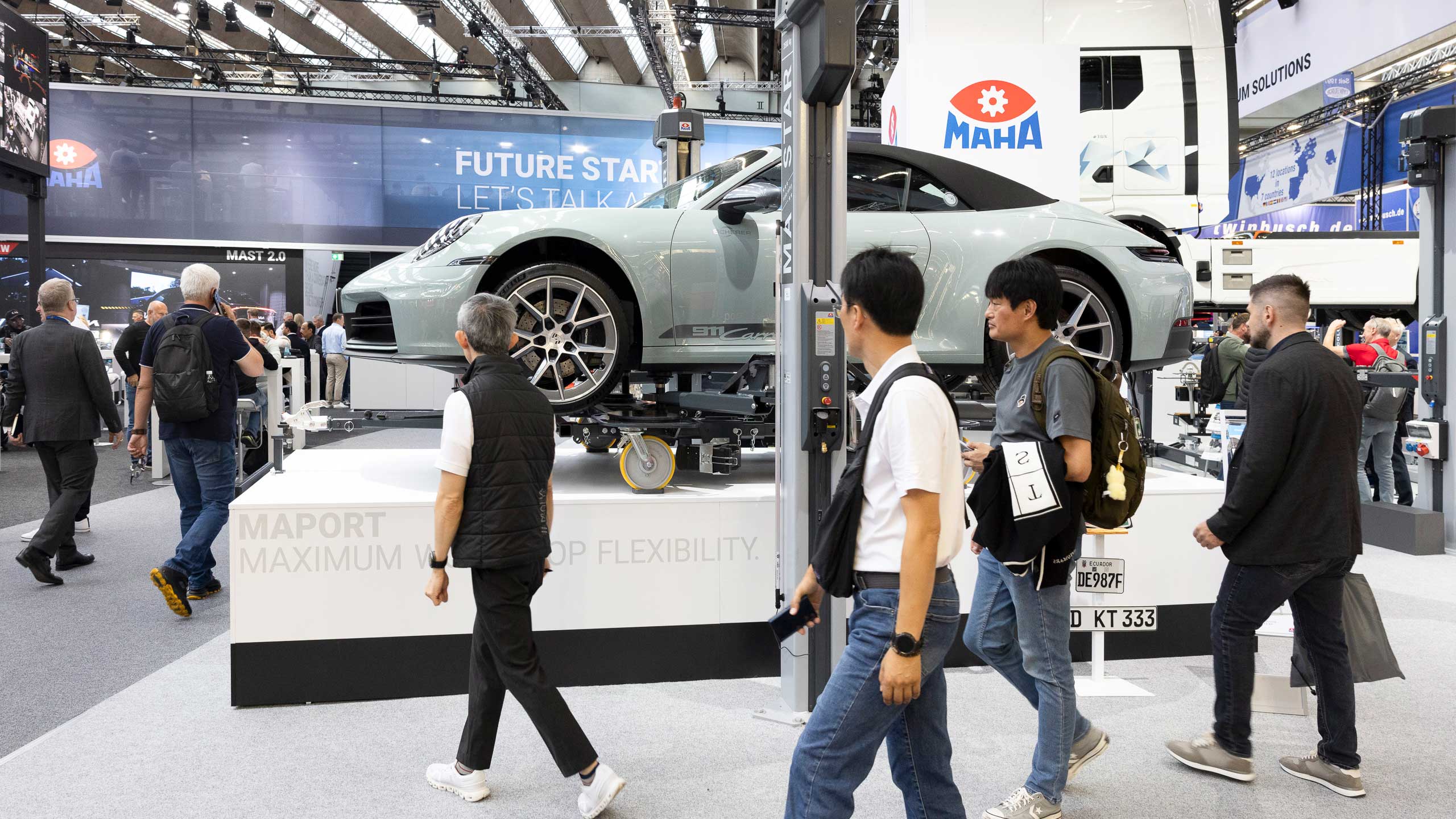
We want to find out what the market needs most. The new brake system for testing electronic parking brakes and all-wheel-drive vehicles is expected to be launched around the middle of next year. More and more vehicles can no longer be tested on conventional brake testers. Our 360-degree tyre tread scanner OmniTread Scan is also being extremely well received, as is the new MA STAR H 4.5 hydraulic lift with radio remote control. We use this feedback to define our development priorities. In two years’ time, we will certainly bring new ideas again and ask: What does the customer need? What is interesting? That is the task of research.
How would you describe the atmosphere at the trade fair?
Extremely positive at our stand. In March, we completed the most successful financial year in the company’s history. Yesterday, we generated almost as many leads as we did over the entire trade fair two years ago. Here at Automechanika 26, we have invited the world to join us, including partners for major projects. For us, the trade fair is a network.