
Reading time: 2 minutes
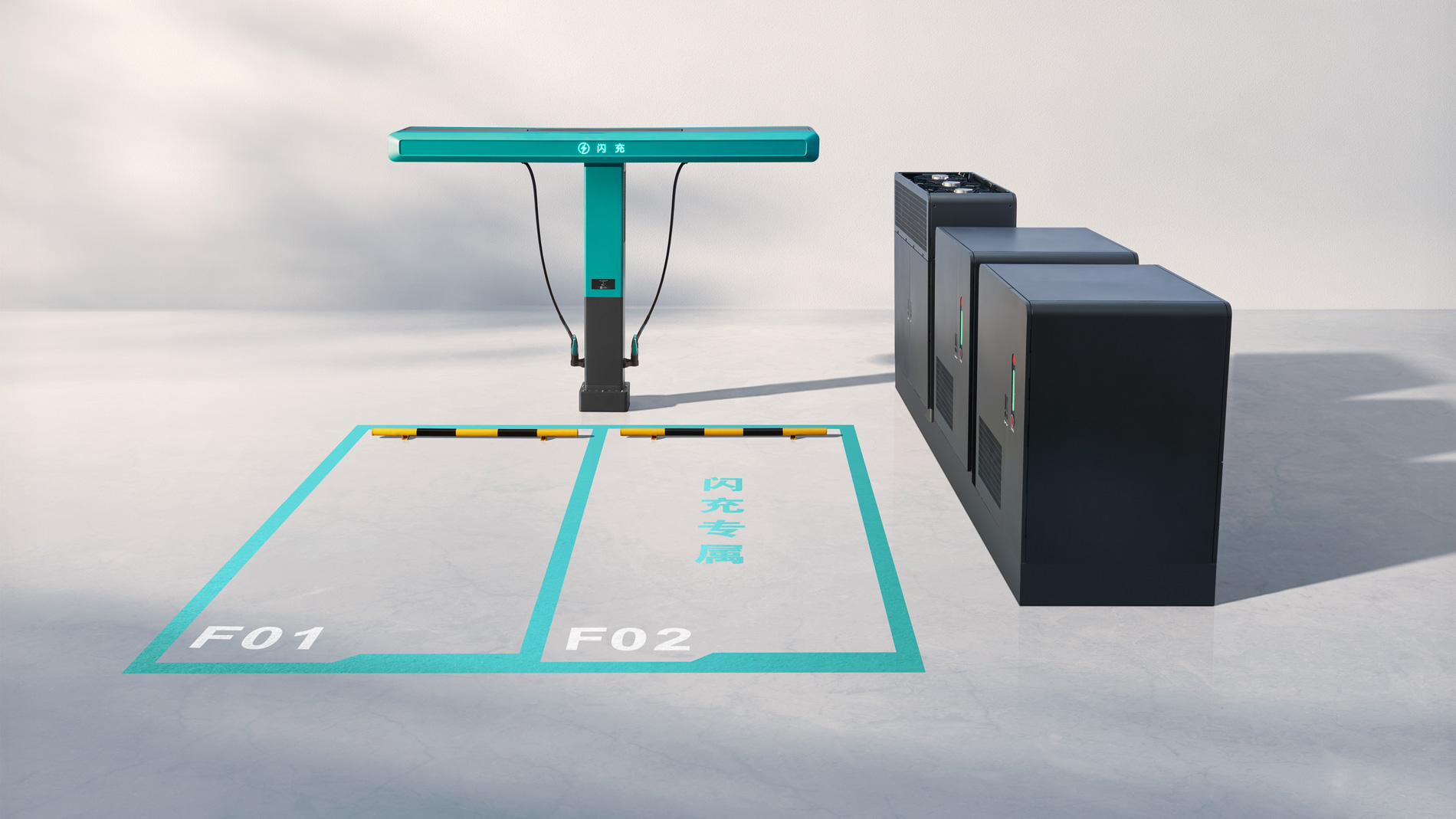
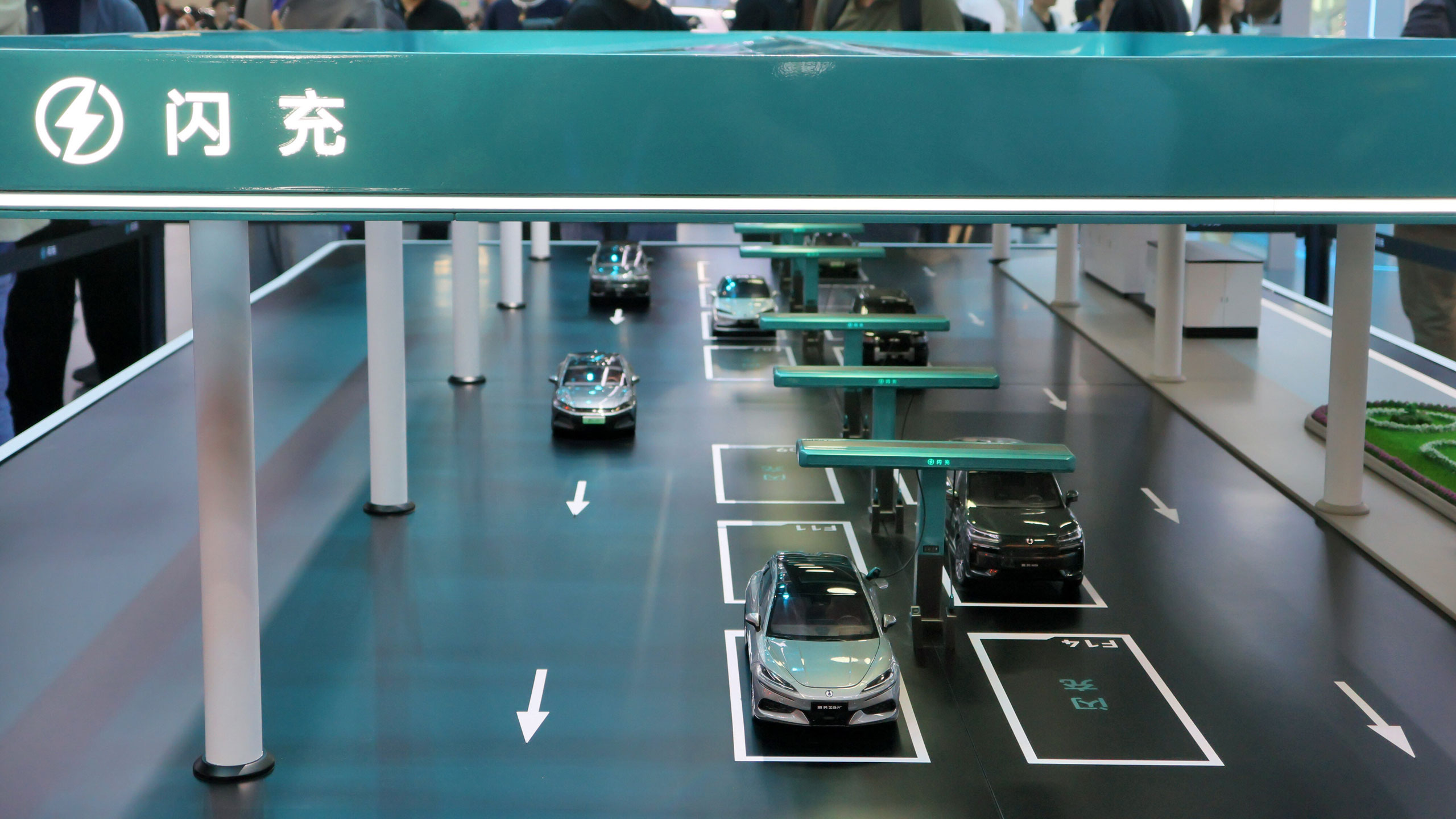
Charge for five minutes, drive 400 kilometres: with figures like these, BYD has reignited the international competition around fast charging for electric cars. In 2025, the Chinese manufacturer presented its so-called Super-e Platform, a new electric-car architecture with very high voltages, high currents and charging capacities in the megawatt range. BYD speaks of charging capacities of up to 1,000 kilowatts, and later, as part of the Flash Charging system, even of up to 1,500 kilowatts. This brings charging an electric car close to a conventional refuelling stop.
If charging no longer takes longer than refuelling, one of the strongest arguments against the electric car loses weight. Especially on long-distance journeys, for company cars, taxi fleets or in the premium private-customer segment, that would be a strong signal. BYD combines charging capacity with its own system architecture: high-voltage platform, Blade battery, silicon carbide power electronics, liquid-cooled cables and its own network of Flash Chargers.
Do passenger cars in the mass market really need megawatt charging?
BYD’s advance shows what becomes technically possible when battery expertise and infrastructure strategy interact closely. For Germany, however, the central question is a different one: do passenger cars in the mass market really need megawatt charging? Or is a dense, reliable network of 300- to 400-kW chargers sufficient if vehicles become more efficient, charging parks are well dimensioned and waiting times remain calculable? Many experts see the greatest impact not in ever higher peak figures, but in availability, predictability and grid compatibility.
In addition, charging capacity is expensive. The higher the capacity, the more complex the cables, cooling, power electronics, grid connection and protection become. Large fast-charging parks on motorways can reach connection capacities comparable to those of small towns. Such sites are no longer merely electricity consumers, but potential nodes in the energy system. They can contain battery storage systems, integrate photovoltaics, smooth load peaks and, in future, even operate in a grid-supportive manner.
We need resilient fast-charging parks
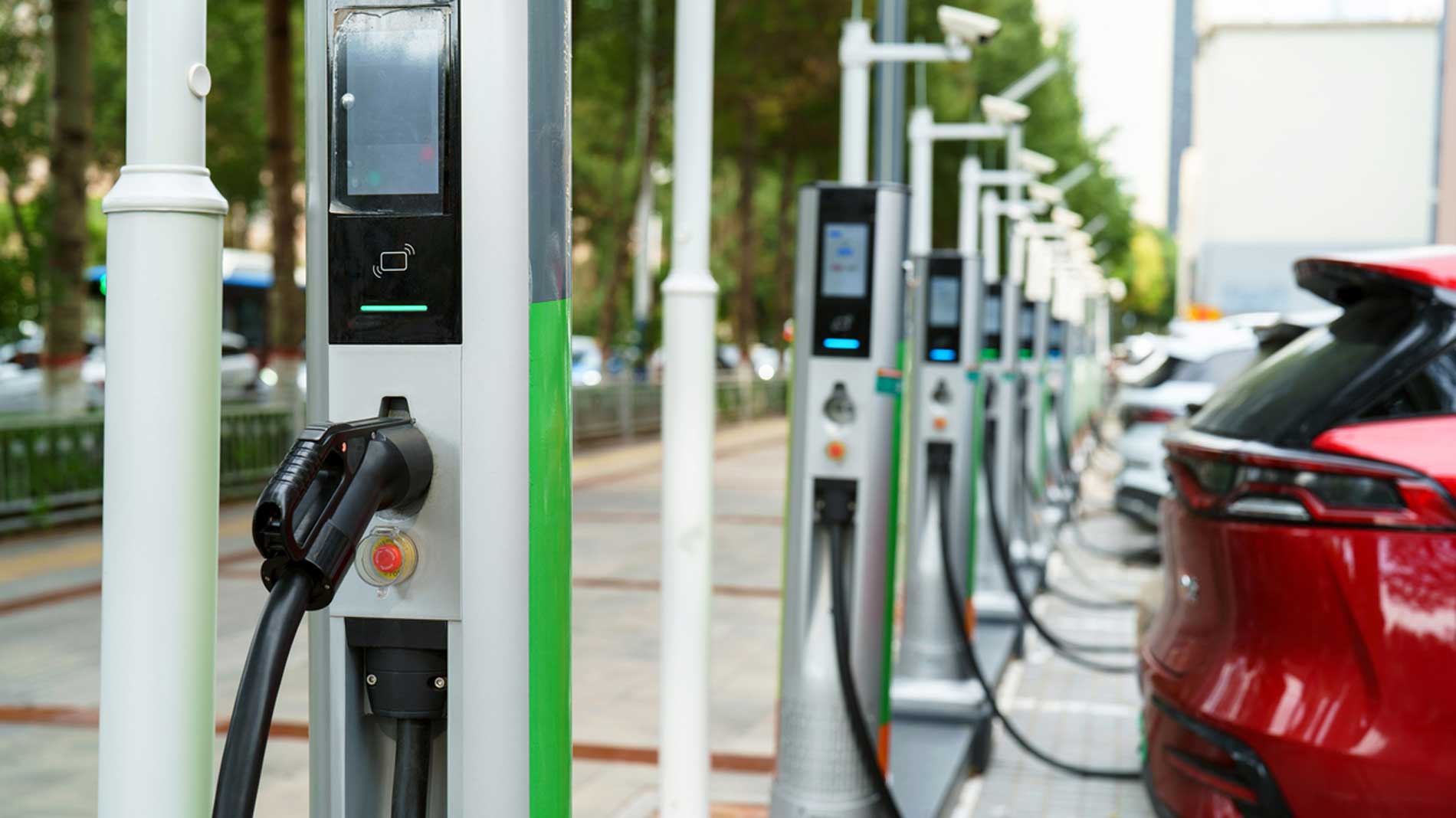
This is where European and German research comes in. Projects such as ReNew at Fraunhofer ISE are investigating resilient fast-charging parks that not only supply many vehicles, but are also integrated into the power grid more robustly and efficiently. The focus includes DC grids within the charging park, central rectifiers, battery storage systems, PV systems, bidirectional power electronics and grid-forming functions. That sounds less spectacular than “400 kilometres in five minutes”, but it could be more decisive for market ramp-up.
BYD’s Super-e Platform is a wake-up call, but no blueprint for Germany. It shows that extremely high charging capacities are technically moving closer. But it also shows that fast charging can no longer be understood merely as a plug in a car park in the future. The competition will not be decided solely at the charging station, but by the ability to provide large amounts of energy at the right time, in the right place and at a bearable cost. What will be decisive for Germany is whether fast-charging parks are built to be grid-compatible, scalable, economical and crisis-resistant.