
Reading time: 3 minutes
Moving decisions earlier
How digital is a manufacturing company? The answer is not necessarily found in the number of software tools it uses. A better question is where decisions are made. Is quality still decided at the final inspection station, or can problems be identified while the process is running? Does a new design have to go through several physical trials on the shop floor, or can its behaviour first be studied through simulation?
For OSKİM Automotive, digitalisation starts with moving these decision points earlier in the process. The earlier a potential problem can be identified, the easier it becomes to reduce unnecessary trials, rework and cost. This approach has shaped three main priorities: using simulation to support design decisions, bringing quality control into the production process, and collecting energy and carbon data directly from production equipment.
From simulation to smarter production
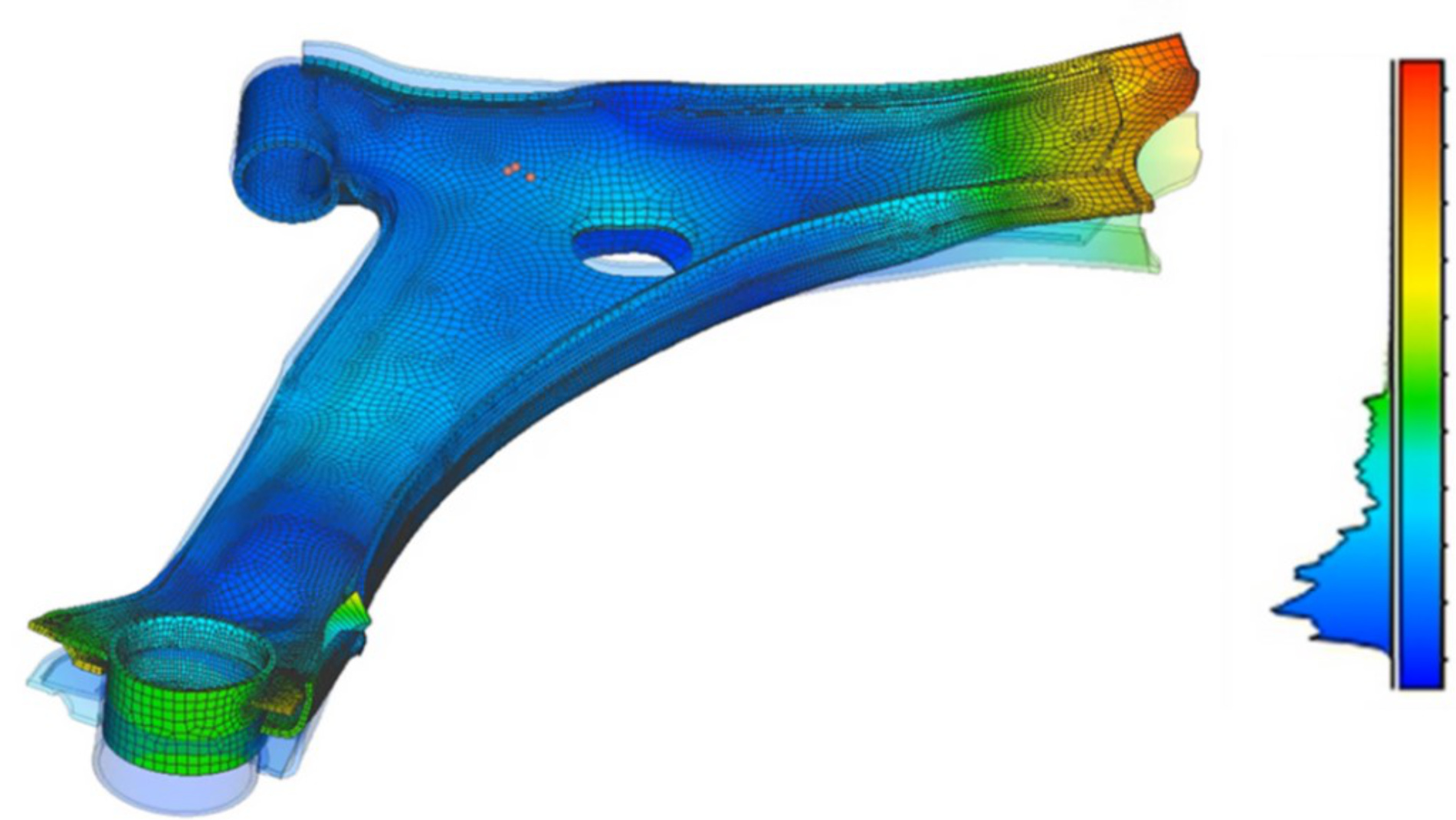
One area where this approach is already being applied is welding. OSKİM has been working on the optimisation of welding sequences by combining engineering simulation with artificial intelligence. The aim is straightforward: understand how different welding sequences affect part distortion and use this information to support better production decisions.
The work won first place at WINOVATION 2026 and the Jury Special Award at KalTek Cup 2026. Other projects are taking the same principle into different areas of manufacturing. Through its R&D Center, OSKİM is developing machine-learning-based quality control for assembly processes and working on real-time monitoring of welding operations.
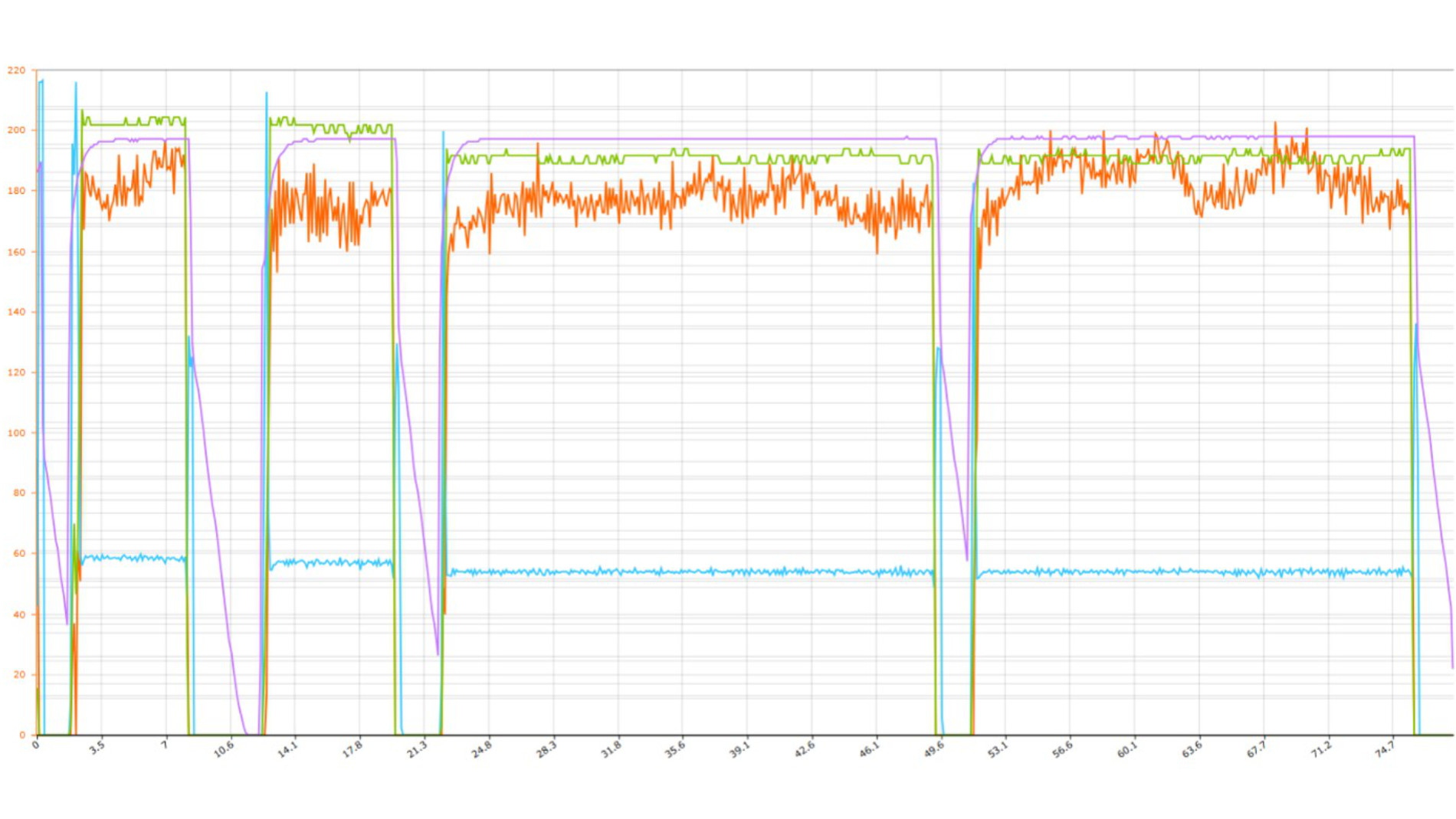
An important part of this development is the company’s ability to design its own automation machines and test systems under the Dynaress brand. Instead of adding measurement systems after a machine has already been completed, sensors and data collection can be considered from the beginning of the machine design. This makes it easier to connect what happens physically on the production line with the digital information used for analysis.
Good AI starts with good data
The first results are encouraging: fewer physical trials, less rework caused by dimensional deviations and a better chance of identifying problems before they reach the customer.
But the experience has also highlighted an important lesson.
The hardest part is not necessarily creating an artificial intelligence model. It is making sure that the data behind the model can be trusted.
A measurement taken from the wrong point, an unreliable sensor or inconsistent process data can reduce the value of even the most advanced algorithm. For this reason, OSKİM increasingly approaches digital projects by first defining what needs to be measured, where it should be measured and how that data should be managed.
In other words, data collection is not treated as the final step of a digital project. It is part of the engineering process from the beginning.
Connecting quality, energy and carbon data
The next goal is to bring different types of production information together. Quality results, process parameters, energy consumption and energy consumption and carbon data are often managed separately. A connected data structure could instead make it possible to track this information at the product level.
This is becoming increasingly relevant as automotive manufacturers expect greater traceability throughout the supply chain and require more detailed information about the environmental impact of individual products. When these different data sources are connected, reporting no longer needs to be an isolated activity. The required information can become a natural output of the production process itself.
When the product becomes a source of data
The next step could go beyond collecting data from machines. Suspension and chassis components are directly exposed to loads from the road, yet much of this information is lost once the vehicle enters service. A sensor-equipped control arm, for example, could one day provide information about the loads it has experienced and how these loads change throughout its service life.
Such information could help engineers compare design assumptions with real-world driving conditions. For vehicle manufacturers, it could also support new approaches to condition monitoring and predictive maintenance. This represents a broader change in the role of an automotive supplier: from supplying a physical component to providing information and engineering insight together with that component. For OSKİM and Dynaress, this is where the long-term potential of digital manufacturing lies.
Technology itself is becoming increasingly accessible. The greater challenge is building the engineering discipline, data culture and skilled teams needed to turn information into useful decisions. Across the global automotive industry, the ability to turn reliable production data into better decisions may become one of the defining competitive advantages of the next generation of manufacturing.
You’ll find Oskim at Automechanika Frankfurt in Hall 12.1, stand C64.