
Reading time: 1 minute
This white paper explores the key implications for value chains, cost structures, and demand, while outlining how companies can recalibrate their strategies in an increasingly uncertain environment.
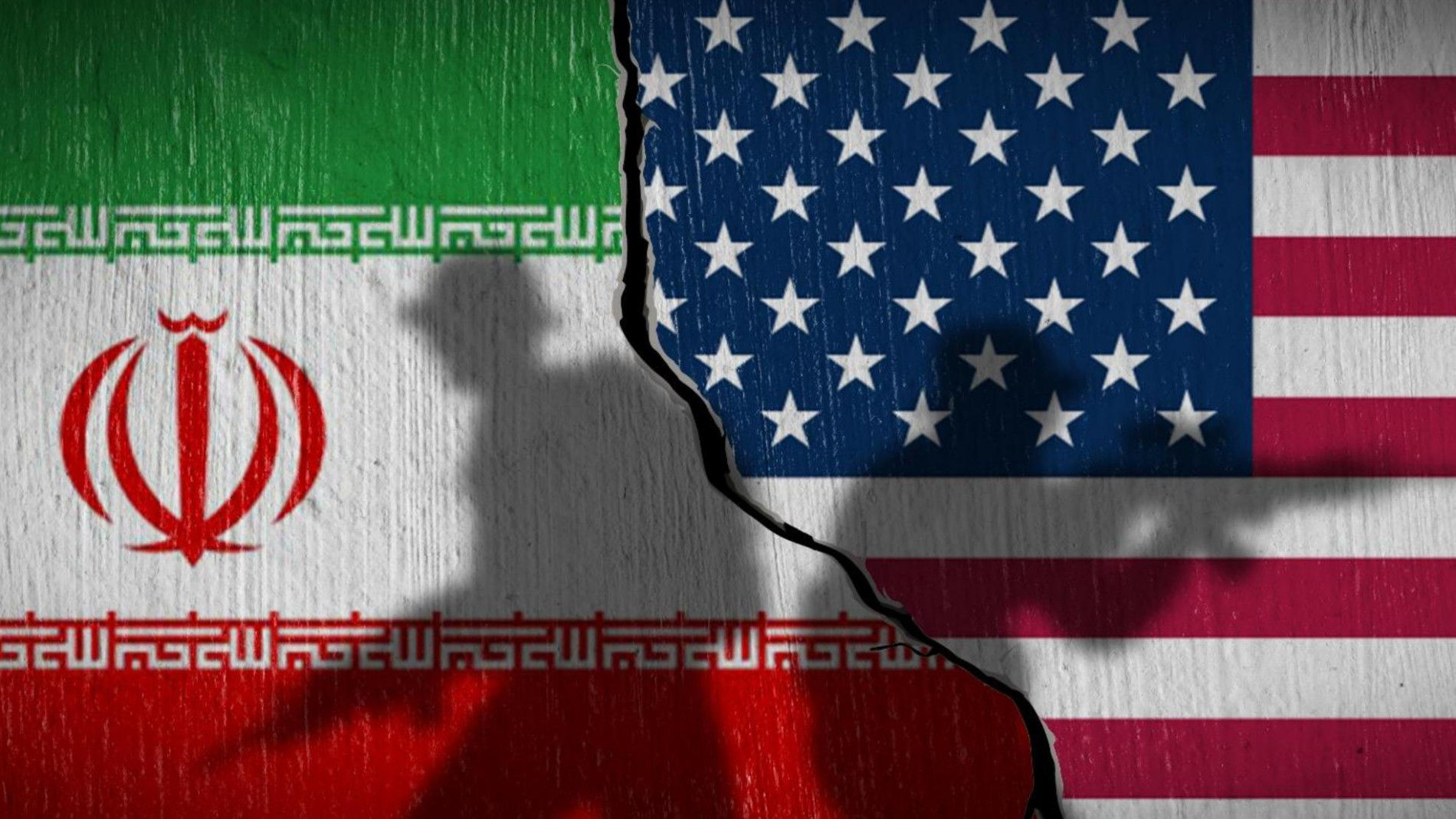
Amidst energy, raw materials, logistics, and demand shocks, automotive industry stakeholders recalibrate strategic roadmaps. After close to 40 days of intense hostilities, the US and Iran agreed on a two-week ceasefire on April 8, 2026. The conflict that began on February 28, 2026, moved quickly from a geopolitical flashpoint to a full-scale industrial disruption. It has come at a particularly difficult time for the automotive industry when it is already grappling with sluggish growth, high capital requirements, and an uneasy transition toward electrification.