
Reading time: 5 minutes
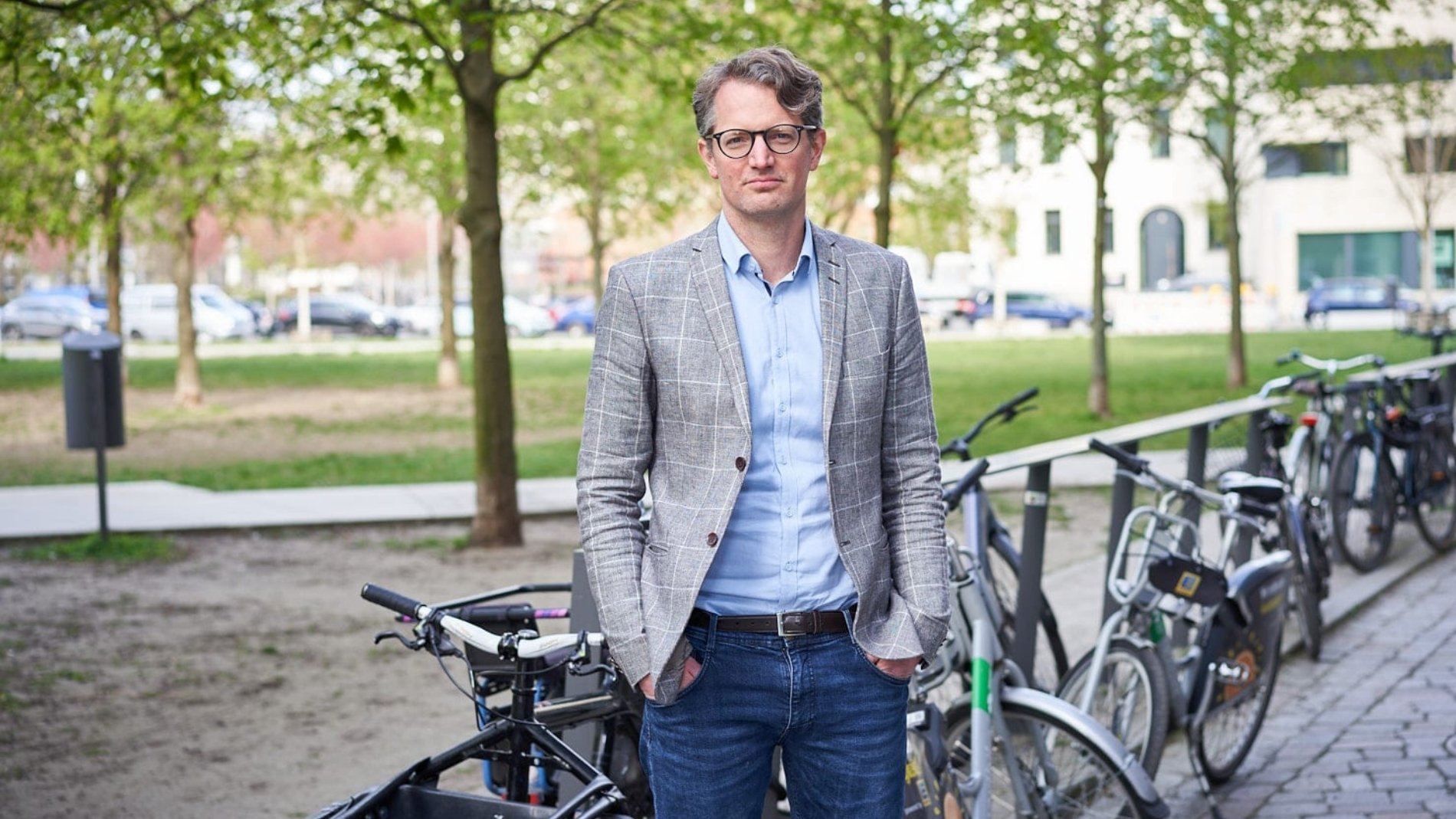
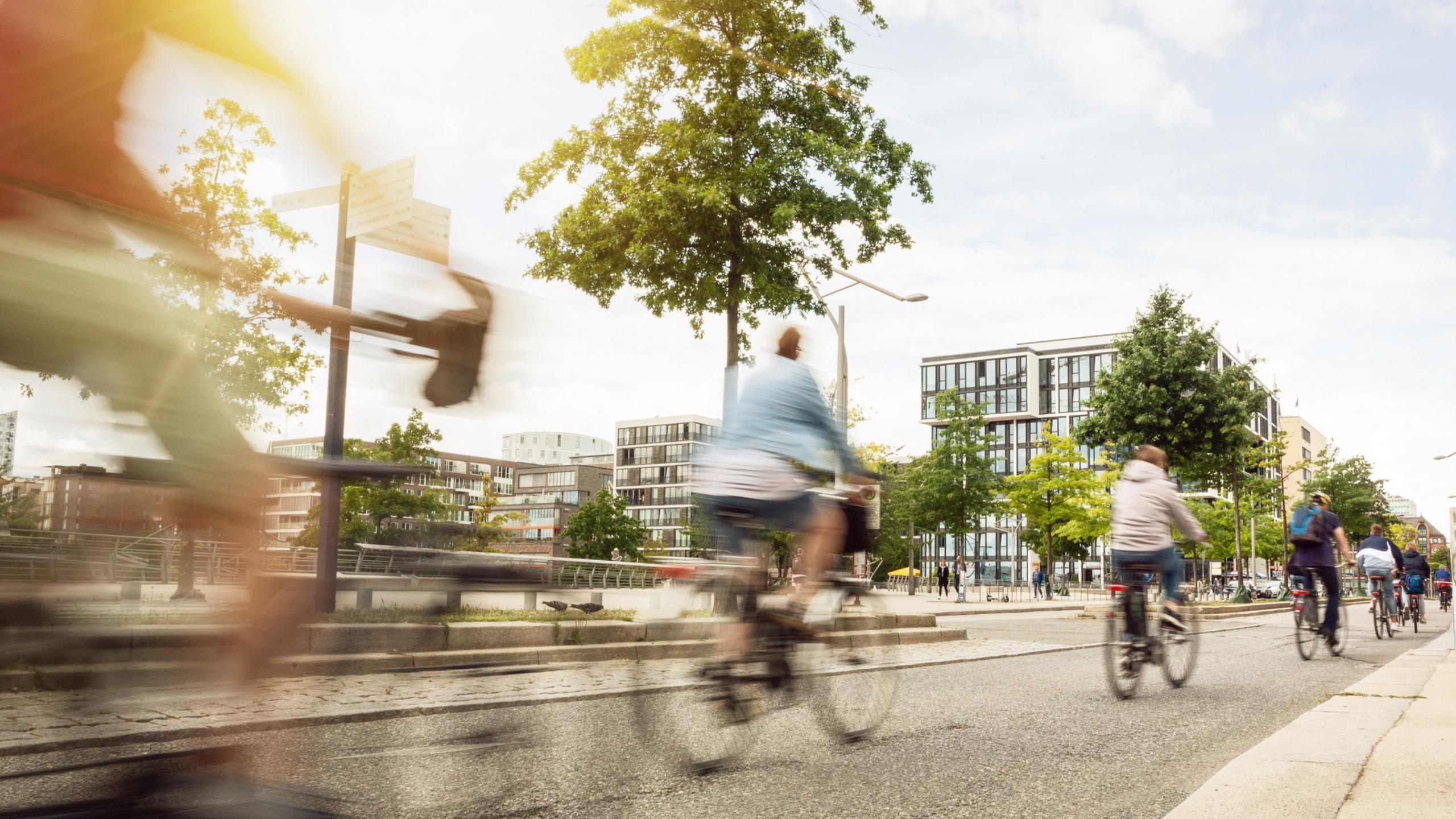
Cities around the world are turning to bicycles to reduce pollution in urban areas and improve the quality of life in metropolitan regions. The company bike, which is leased through the employer and thus saves on taxes, is far more than just a healthy mode of transportation. Wasilis von Rauch, managing director of the industry association “Zukunft Fahrrad” which is based in Berlin, takes it a step further: “Company bike leasing is a real game-changer for people, who can use it to commute to work efficiently and healthily, and for the bicycle industry, which benefits from stable demand for high-quality models.” Bicycles play a key role internationally in alleviating traffic congestion in metropolitan areas, provided that the legal and structural framework supports this. Company bikes are accelerating this trend. Current industry figures confirm this.
A Market in Transition: The Numbers Behind the Rise
The company bicycle leasing model was originally developed in Germany, and these experiences now serve as a model for all of Europe. This success story, which has seen growth surges of nearly 30 percent per year, has now reached a plateau for the time being. This is shown by the recent study “Der deutsche Dienstradleasing-Markt 2026 (The German Company Bicycle Leasing Market 2026)” conducted by the market research firm Deloitte in collaboration with the industry association “Zukunft Fahrrad”: In 2025, the industry’s total revenue fell by four percent to 2.8 billion euros. The number of new contracts signed also declined by five percent to 720,000.
Behind these declining figures, however, lies a core of stability: company bicycle fleets in German businesses continue to grow, as many contracts span several years. For Wasilis von Rauch, the figures are evidence of a return to normalcy following an exceptionally strong period of growth: “Following the rapid growth of the record years, the company bicycle leasing market is returning to normal. Nevertheless, more than 60,000 employers have decided to offer bike leasing by 2025. In this steady conversion I too see enormous opportunities for the industry.” After all, many companies could create even more favorable conditions for company-bike leasing. Another figure is increasing steadily: thanks to long-term contracts, around 2.2 million people were riding company bikes on German roads and bike paths in 2025. The previous year, the figure was 2.1 million, and before that, 1.9 million.
E-Bikes as the Driving Force
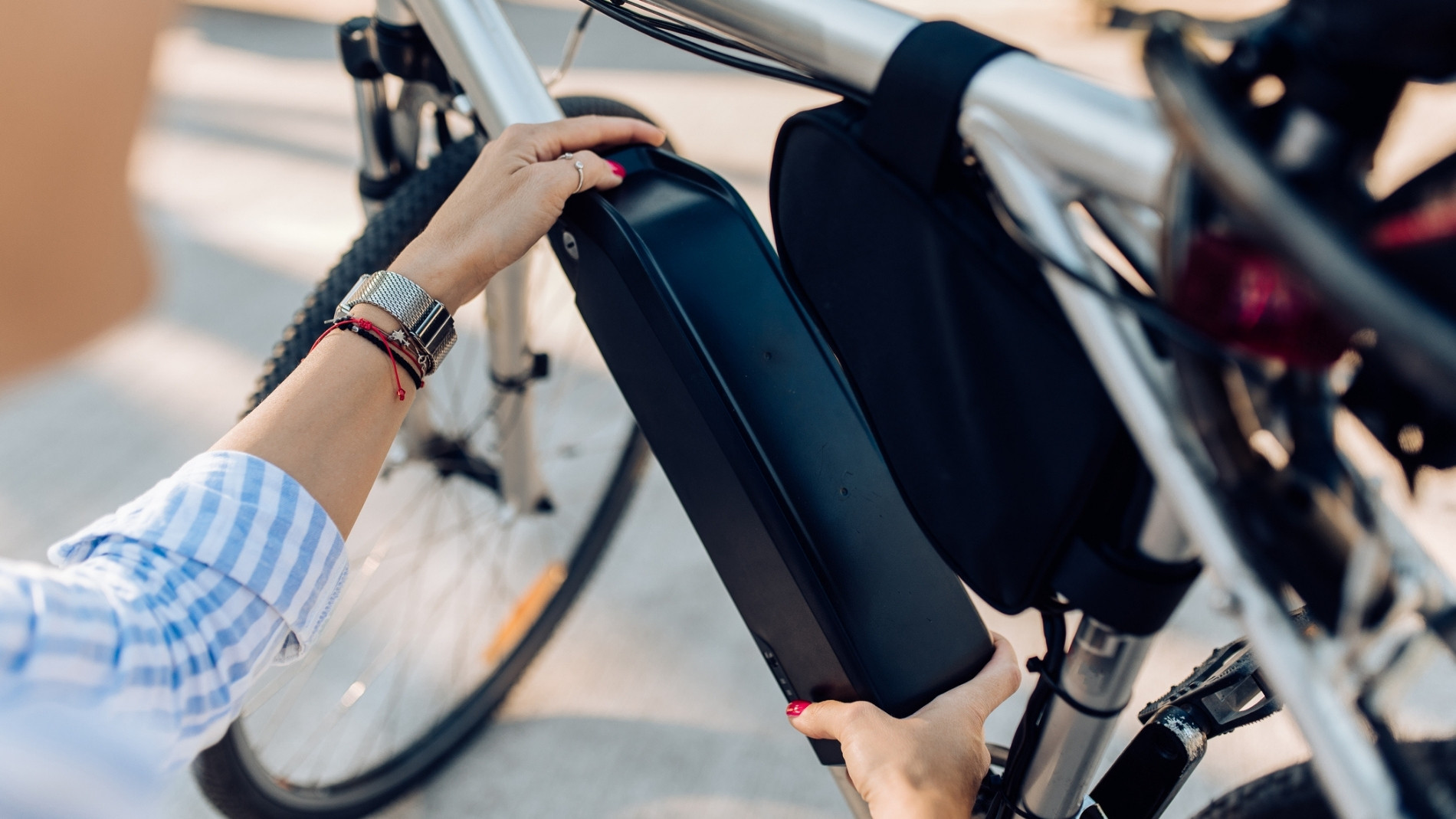
E-bikes play a special role in company-bike leasing: with a 77 percent share of all new contracts in 2025, electric bikes dominate the market. According to Wasilis von Rauch, this has made expensive e-bikes mass-market friendly. According to the Deloitte study, one in four households in Germany already owns a bike with an electric motor. And a third of those are acquired through leasing. “In my view, this is nothing short of a market revolution,” says von Rauch.
There are now 17.2 million electric bicycles registered in Germany—a figure that has increased nearly sevenfold over the past ten years. Although growth has somewhat slowed down recently, the potential for daily commuting remains significant. “The e-bike makes cycling easier, more inclusive, and more attractive, especially for medium distances or commuters, and is thus a central component of the mobility of the future”, comments Wasilis von Rauch on the advantages. A key factor here is the price point: leased bikes are typically high-end models with an average price of 3,500 euros. Thanks to the tax benefits of leasing, more people are able to access high-quality technology.
The Role of Large Corporations: The Case of SAP
Companies like the IT giant SAP in Walldorf are accelerating this trend: with around 25,000 employees in Germany, the company has been one of the first major firms to adopt company bicycles since 2011. “Half of all SAP employees already have a company bike,” confirms Steffen Krautwasser, Head of Global Car Fleet and Travel at SAP. He reports 13,000 completed company-bike leasing contracts.
The reason for this success story is not just the cost savings, but the overall environment. “SAP promotes bicycle leasing through a combination of financial incentives, health benefits, and a robust infrastructure,” says Krautwasser. This includes bicycle inspections, consultations, and safety training. Additionaly, the company is looking beyond Germany’s borders and already offers the program in Austria.
Users' challenges and concerns
Despite these successes, there are also factors holding employees back: A survey of over 600 working people conducted as part of the study found that while many are familiar with the concept, only 17 percent plan to actually lease a bike in the next twelve months. The reasons for this skepticism are often practical in nature: 38 percent of respondents are put off by the long-term commitment, which typically lasts three years. 31.5 percent fear difficulties or costs if they leave their job during the term of the contract. 23.4 percent say they feel uncertain about the terms of the contract.
The Future: Small Businesses and Recycling
Industry observers warn that in order to further advance the mobility transition, the company-bike leasing model must reach smaller businesses especially. About 97 percent of all companies in Germany have fewer than 50 employees, yet company bikes are still rarely found in this sector. In addition, the circular economy is coming into sharper focus. When bikes are returned at the end of their lease term, new opportunities arise. Wasilis von Rauch of “Zukunft Fahrrad” sees great opportunities here: “Returned leased bikes offer significant potential for making high-quality bikes accessible to more people.”
The topic remains a priority at SAP as well. Steffen Krautwasser says: “SAP is continuously refining its bicycle leasing program. Through a recent call for proposals, we are currently modernizing processes, improving terms and conditions, and further digitizing our platforms. The goal is to establish the bicycle as a permanent and attractive mobility option within the company over the long term.”
A Saturated Market Begins to Show its First Effects
A handful of bike leasing providers have now established themselves in Germany, together handling 85 percent of all contracts. These include Bikeleasing, Jobrad, Businessbike, Eurorad, and Kazenmaier Leasing. Within this stable provider ecosystem, however, the first consequences of market saturation are becoming apparent on a personnel level. Although the number of employees at these companies rose to around 2,100 in 2025, several providers have now announced staff cuts. This underscores the growing pressure to streamline processes and make them more digital.
Technology alone is not enough
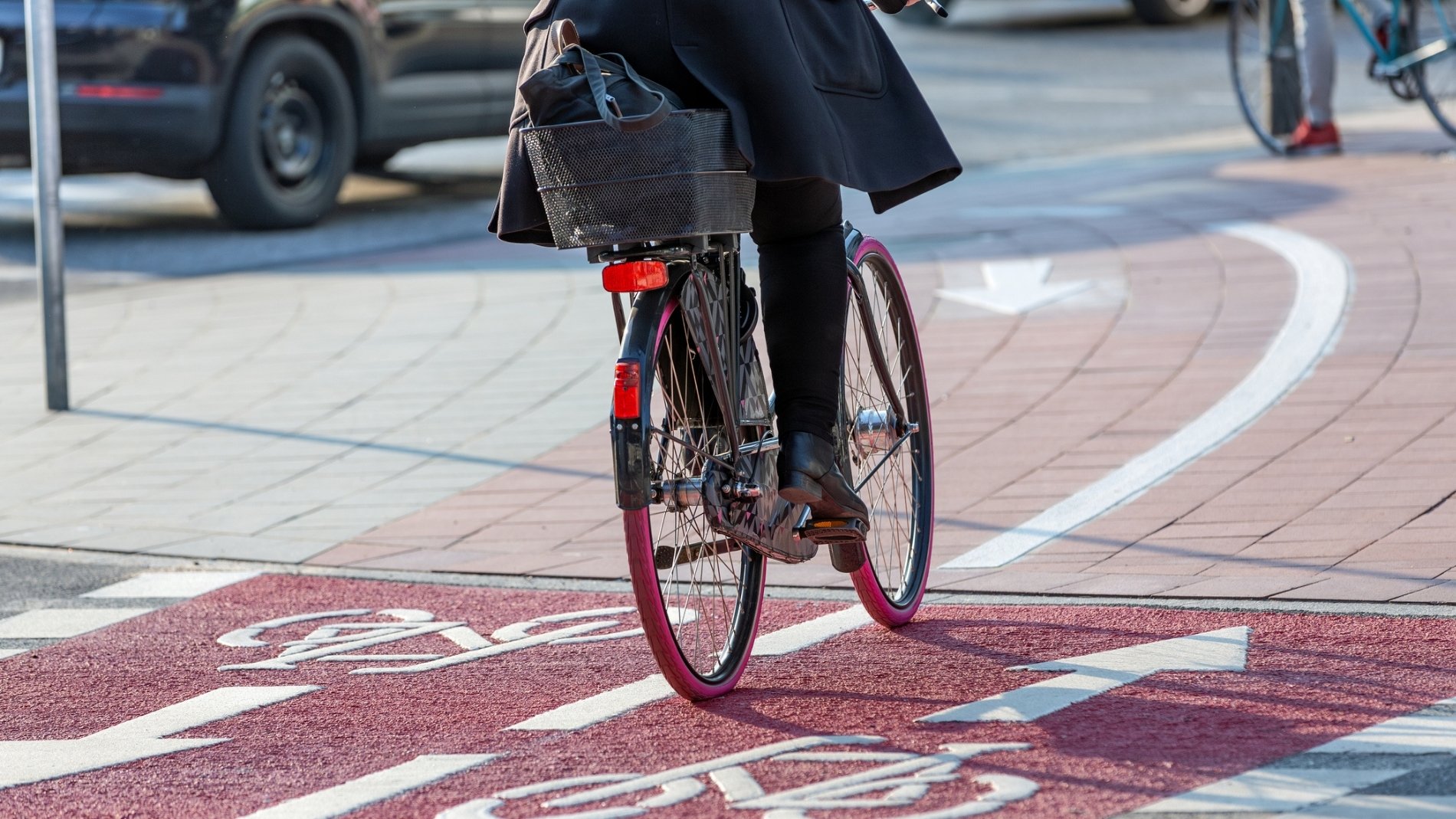
However, hardware alone will not completely change the way we get around. Wasilis von Rauch points out that two-wheeled transportation on the road also requires space: “We need a modern infrastructure that offers a compelling solution for the 30 million cyclists in Germany and inspires even more people in the future.” Without the construction of safe bike lanes and urban planning that promotes cycling, company bikes will reach their limits—regardless of the millions of electric bikes sold.