
Reading time: 6 minutes
1. Škoda Elroq
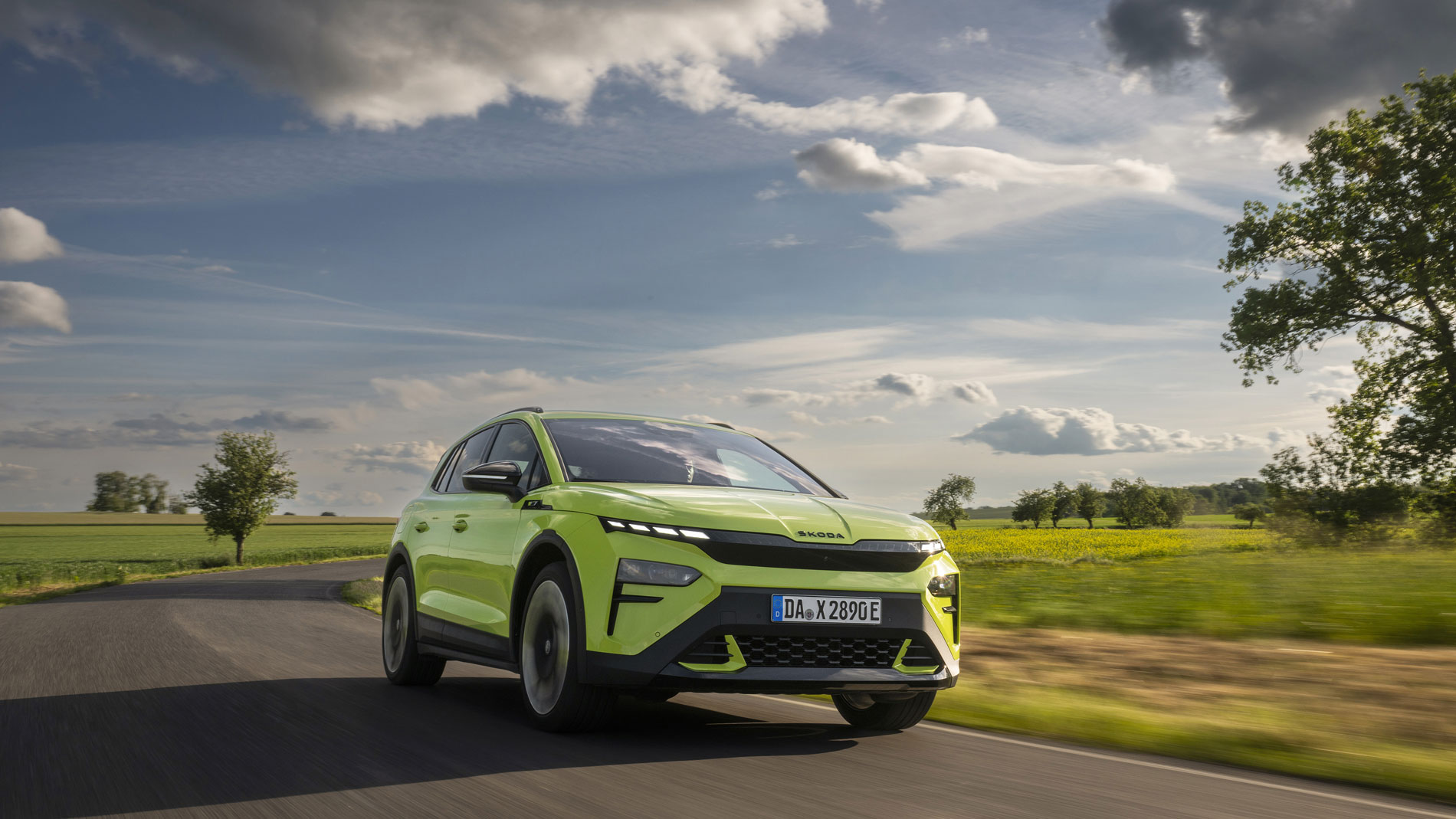
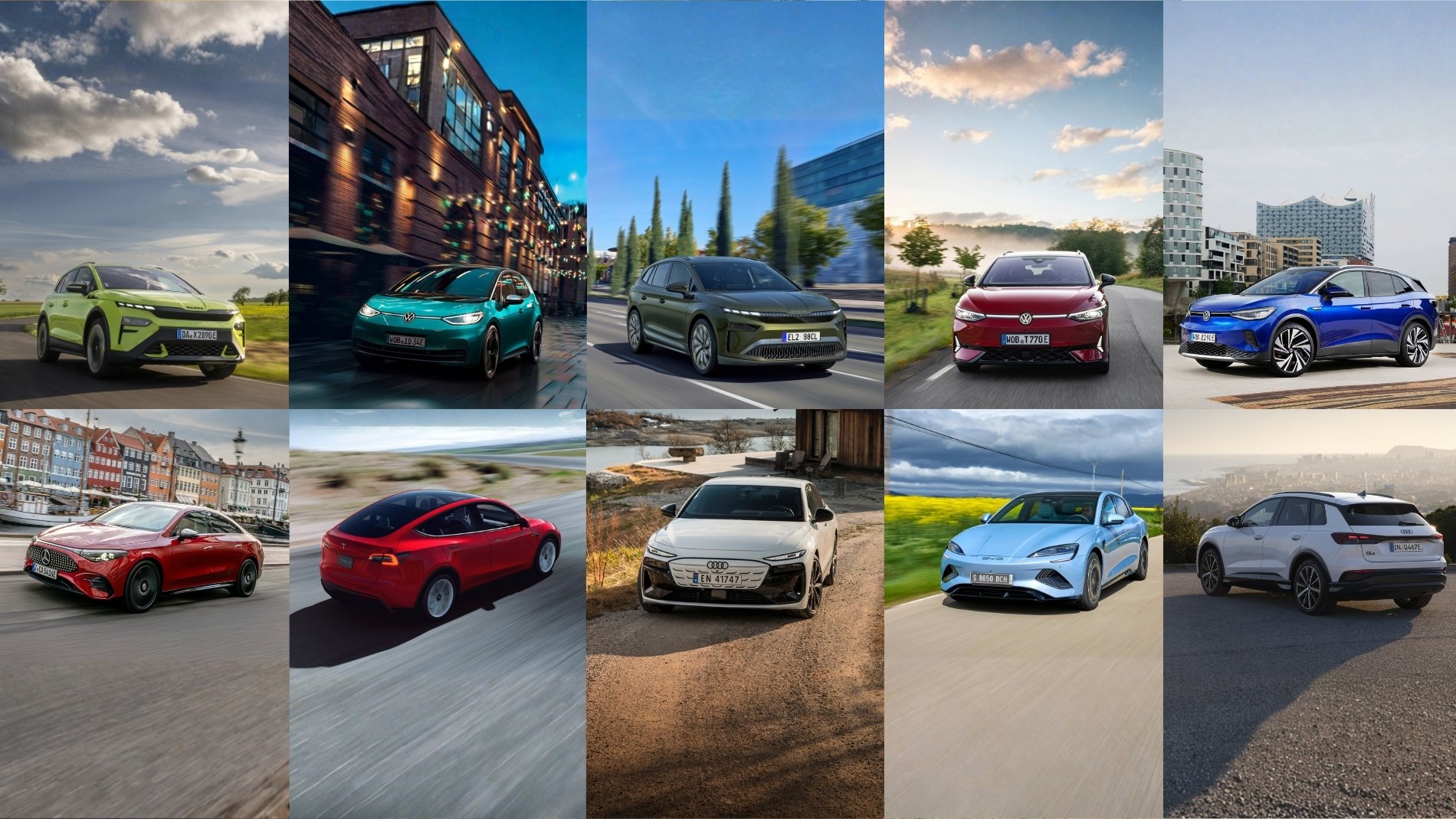
The Škoda Elroq is a compact electric SUV designed for everyday use, not for showing off outside the ice-cream parlour. The driver sits comfortably high up at the front, the rear seats are spacious, and the trunk is more than adequate for families, whether for weekly grocery shopping or a stroller. What’s particularly impressive is how consistently Škoda has carried its well-known strengths into the electric age: plenty of practicality, simple operation, and no frills. The design remains angular and uncluttered. With the Enyaq and Elroq the brand has now firmly established itself in the electric vehicle market.
Product Details
Battery
Li-Ion HV; Variants with 55/52, 63/59, 82/77 kWh (gross/net).
Parts allocation, diagnostics, warranty classification.
Charging Capacity AC/DC
AC up to 11 kW; DC up to approx. 175–185k W.
Troubleshooting charging time/charging interruption.
Software/Charging Logic
Battery preconditioning (manual/automatic via navigation/infotainment).
Charging power and range are temperature- and software-dependent.
Braking System
Front axle varies by model (1- or 2-piston); rear drum brakes.
Correct parts and diagnosis regarding brake feel/regenerative braking.
Tyres
Several approved combinations; mixed tyres in some cases depending on variant/rim.
Avoiding unauthorised combinations, ensuring safe handling.
HV/Rescue
Rescue data sheet with HV disconnection, 12-V-deactivation, recovery instructions.
Working safely during servicing, accidents and breakdowns.
2. VW ID.3
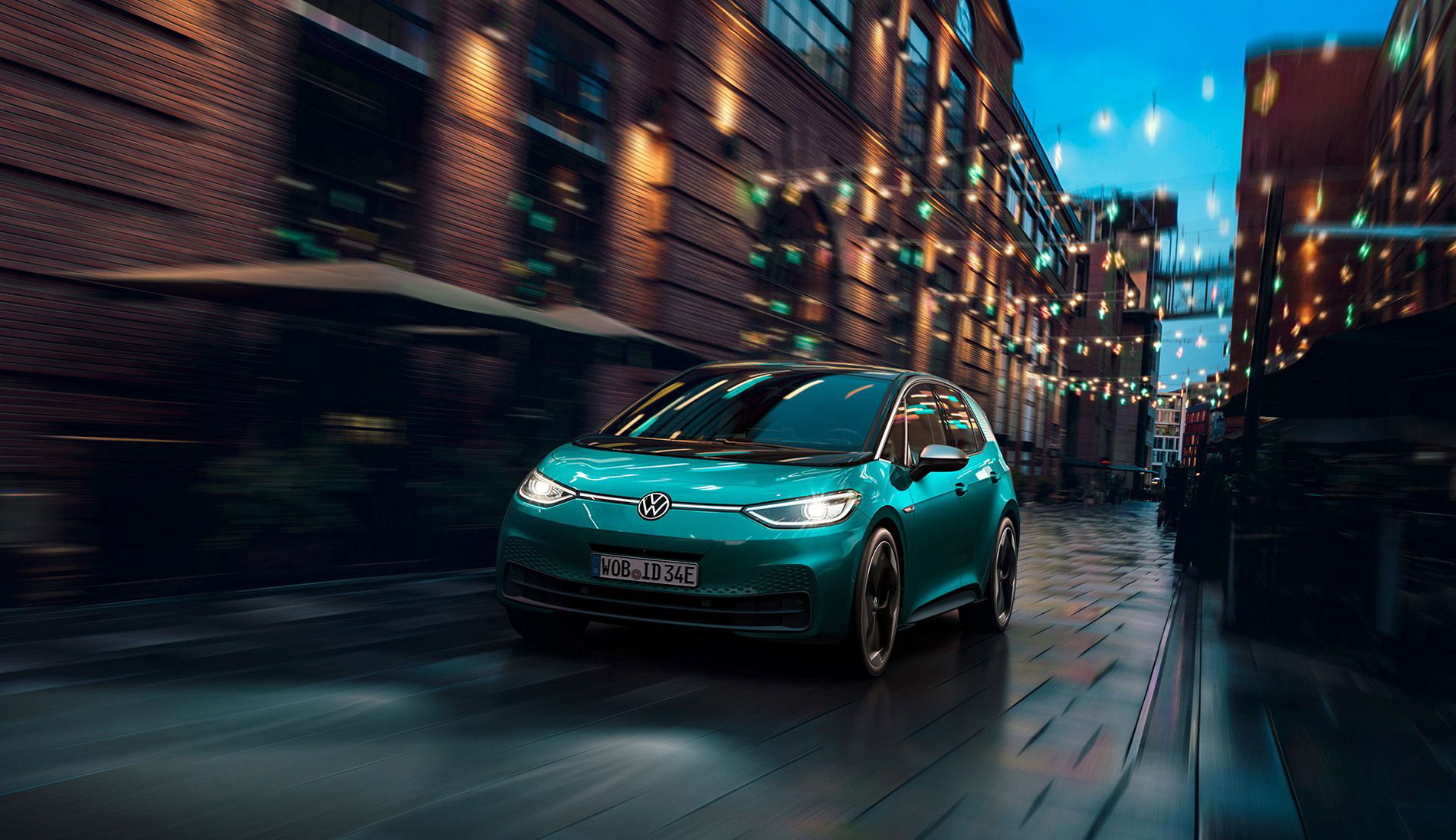
The VW ID.3 is the no-nonsense all-rounder among electric cars: compact exterior dimensions, plenty of space inside, and a design that’s comfortable in the city without compromising on winding roads in the countryside. What sets it apart is its role as the brand’s core electric model, sitting somewhere between the concept ‘Golf’ and a new technical platform. It suits commuters, city drivers and those switching to electric vehicles, who aren’t looking for a statement car. The design remains friendly and modern. For Volkswagen, the ID.3 remains a key electric model.
Product Details
Battery
Li-Ion (NMC), net 52 / 59 / 79 kWh depending on version.
Charging
AC up to 11 kW (lower depending on model/market); DC up to 145/165/185 kW depending on version.
Software/Charging Logic
Charging power heavily depends on temperature and software.
Braking system
Regenerative braking with blend strategy; mechanical components vary by version.
Tyres
Several approved sizes depending on specification; TPMS must be correctly programmed.
HV/Rescue
Use the VW rescue data sheet for the relevant model year.
3. Škoda Enyaq
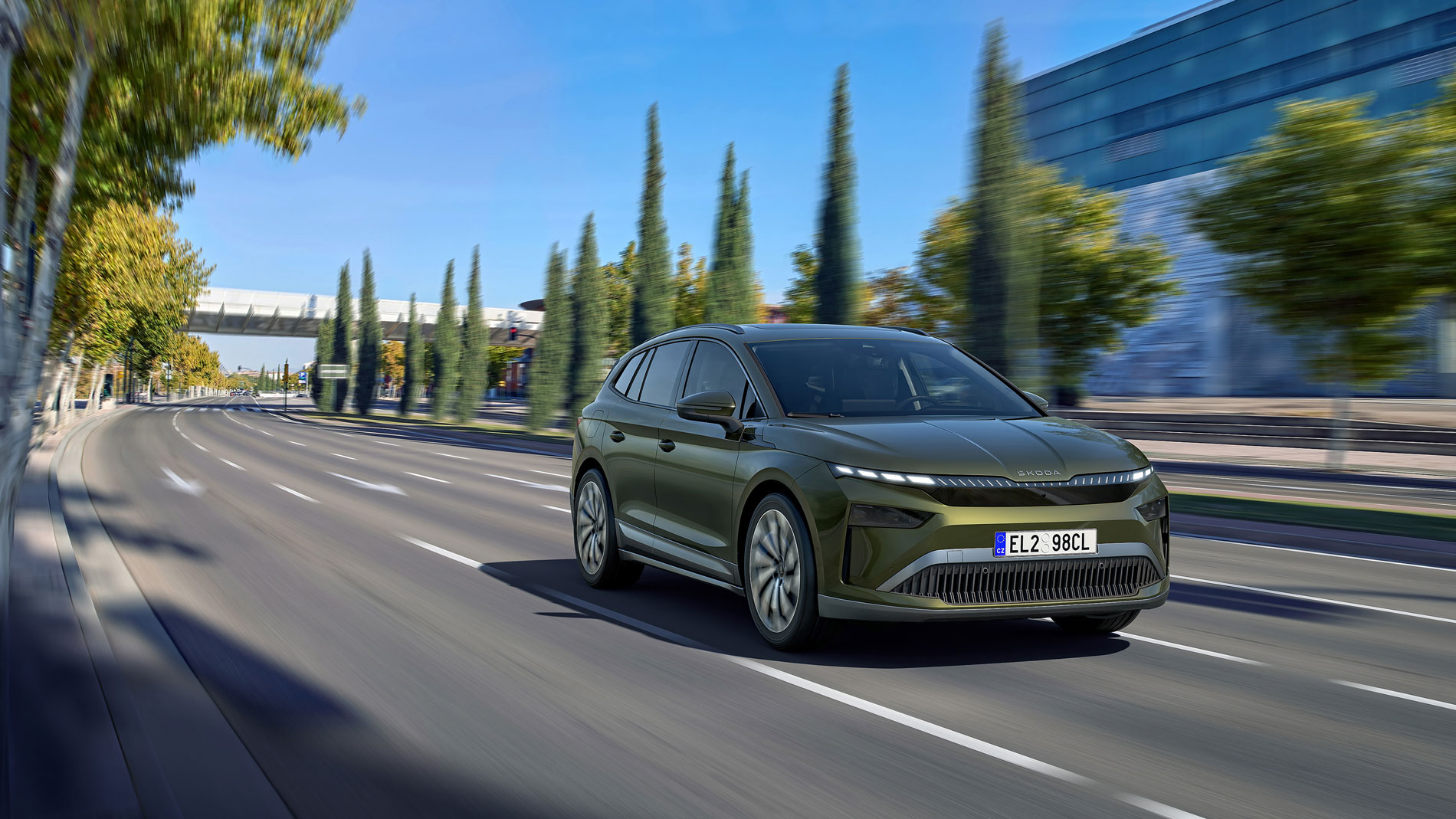
The Enyaq is the car for anyone who, when they hear the word ‘SUV’, think first of space rather than style. The rear seats are spacious, the trunk is generous, and overall the Škoda drives with a pleasant sense of calm rather than an artificially sporty feel. Families and frequent drivers in particular are likely to appreciate this. The design now looks cleaner and more mature than many trendy electric SUVs. Together with the Elroq, the Enyaq has made Škoda a manufacturer that is no longer merely keeping up in the electric vehicle market.
Product Details
Battery
Depending on the version, 82 kWh gross / 77 kWh net, amongst others.
Charging
AC up to 11 kW; DC up to 175/185 kW depending on the version.
Software/Charging Logic
ME software version and battery preconditioning relevant for charging issues.
Braking System
Depends on variant (including RS-specific configuration).
Tyres
Varies depending on model/wheel rim; mixed tyres possible.
HV/Emergency
Ensure the Škoda emergency data sheet for the correct model year is on file.
4. VW ID.7
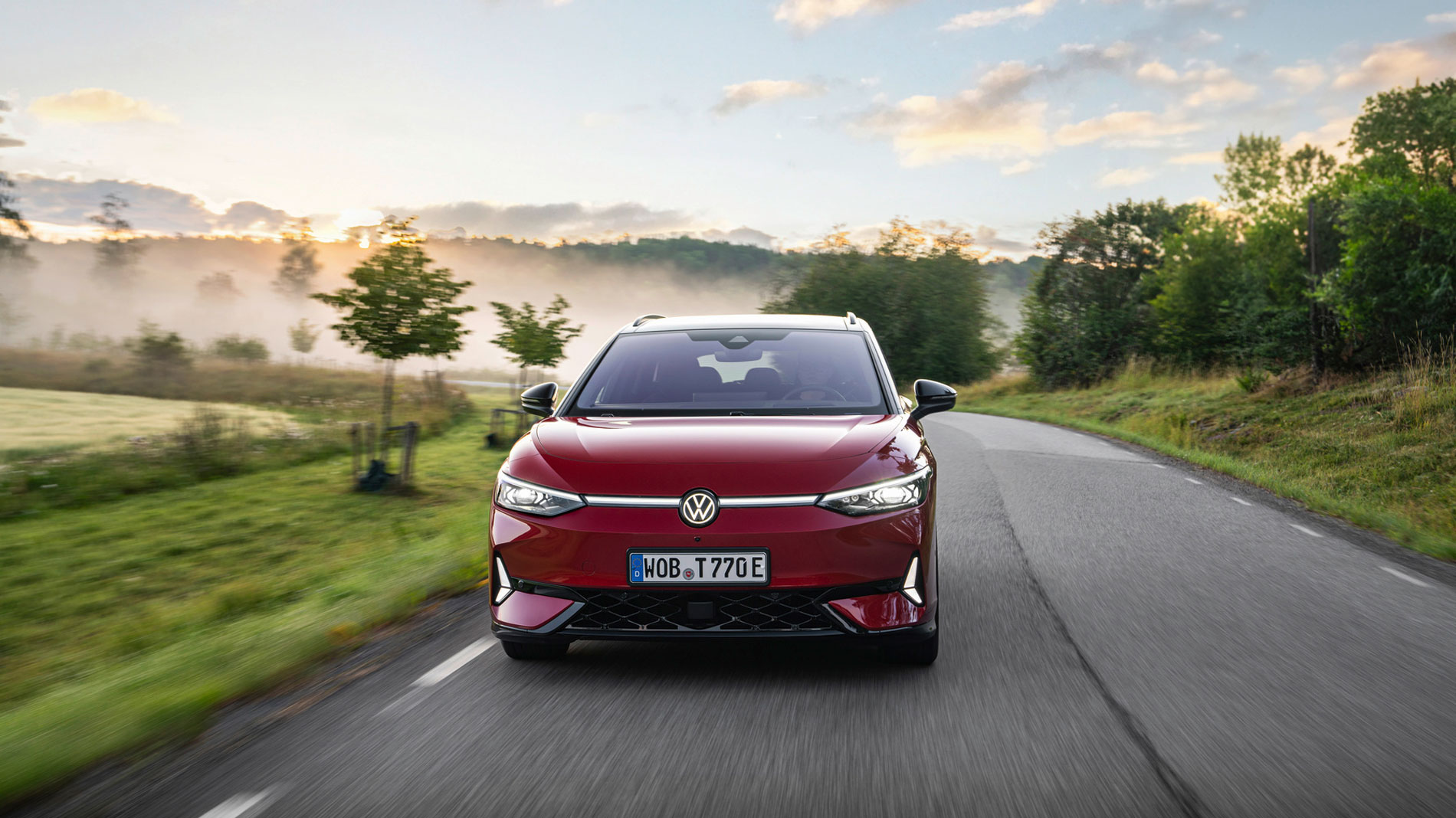
Long-distance travel is right at the top of the specifications for the VW ID.7. The body is designed as an aerodynamic fastback, inside there is plenty of legroom and a pleasantly quiet, comfortable ride, particularly on the motorway. That is precisely where the car feels most at home. For those who travel frequently for work or cover many kilometres at a stretch, this is more of an electric touring limousine rather than a playful tech gadget. With the ID.3, ID.4/5 and ID.7, Volkswagen has established a broad and successful range of electric cars.
Product Details
Battery
Li-Ion (NMC), 77 or 86 kWh net depending on variant.
Charging
AC up to 11 kW; DC up to 175/200 kW depending on version.
Software/Charging Logic
Battery preconditioning significantly affects fast-charging performance.
Braking System
Model-specific; parts allocation via VIN required.
Tyres
Check approved sizes via CoC/VIN.
HV/Rescue
File the VW rescue data sheet (specific to model and year of manufacture).
5. VW ID.4 / ID.5
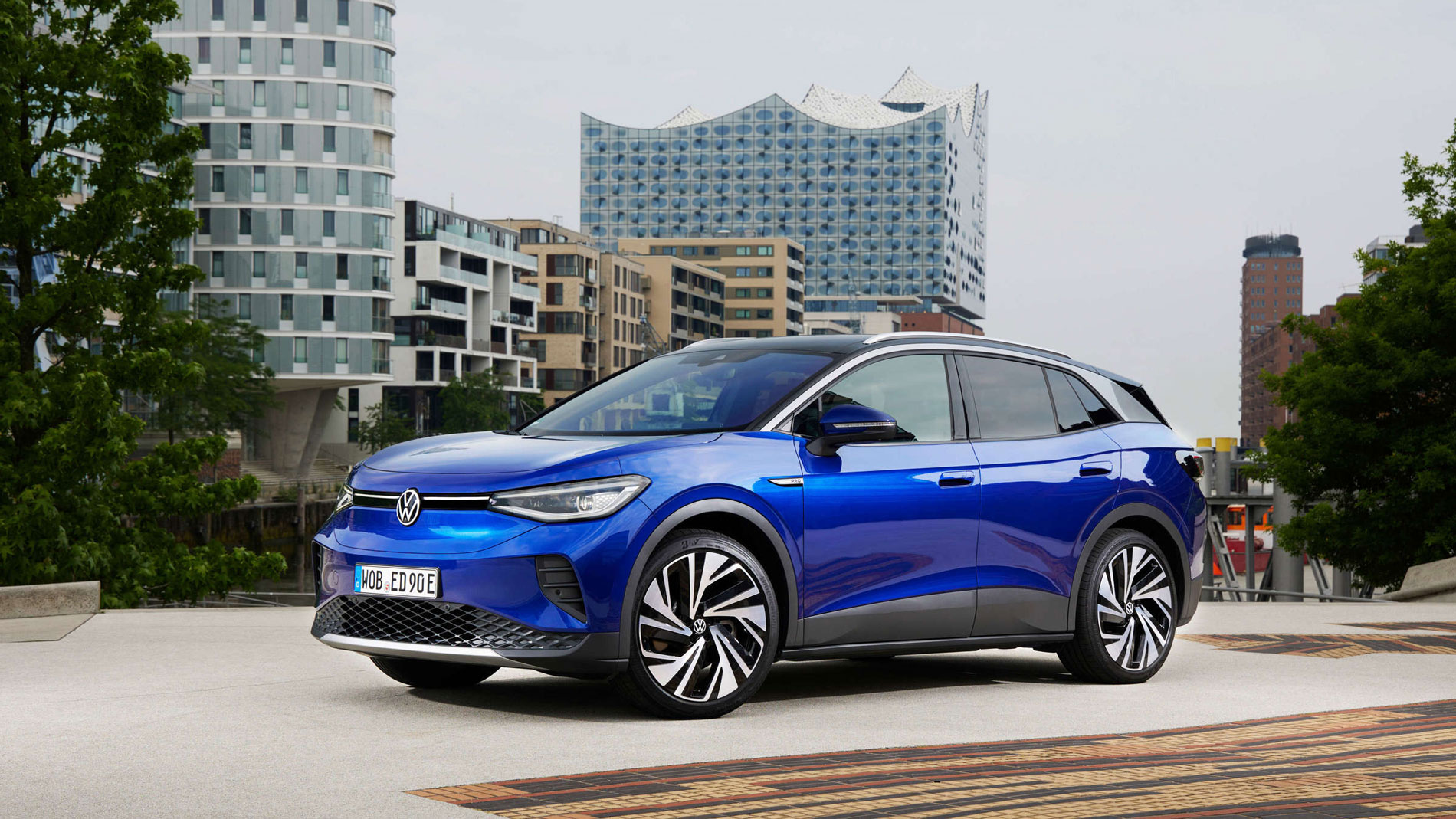
The VW ID.4 and ID.5 demonstrate just how much impact the shape of the car alone can have, even though the technology is closely related. The ID.4 is a practical, spacious everyday SUV, whilst the ID.5 takes the same approach in a slightly sleeker and visibly more dynamic package. Inside, the key factor in both cases is the sense of space: plenty of room, a high seating position and a decent boot. What’s special isn’t the grand spectacle, but the way Volkswagen is electrifying a broad mass-market segment here. If you’re looking for family-friendly features, good visibility and familiar controls, this is pretty much the right choice.
Product Details
Battery
Li-Ion (NMC), net 52 or 77 kWh depending on version.
Charging
AC up to 11 kW; DC up to 115/135/175 kW depending on version.
Software/Charging Logic
Battery preconditioning and software version are crucial for fast-charging performance and fault patterns.
Braking System
Varies by variant; different component configurations possible on AWD and GTX versions.
Tyres
Different approvals depending on model, performance level and wheel rim; mixed tyres in some cases.
HV/Rescue
Use the VW rescue data sheet and OEM service information specific to the model and year of manufacture.
6. Mercedes CLA (Elektro)
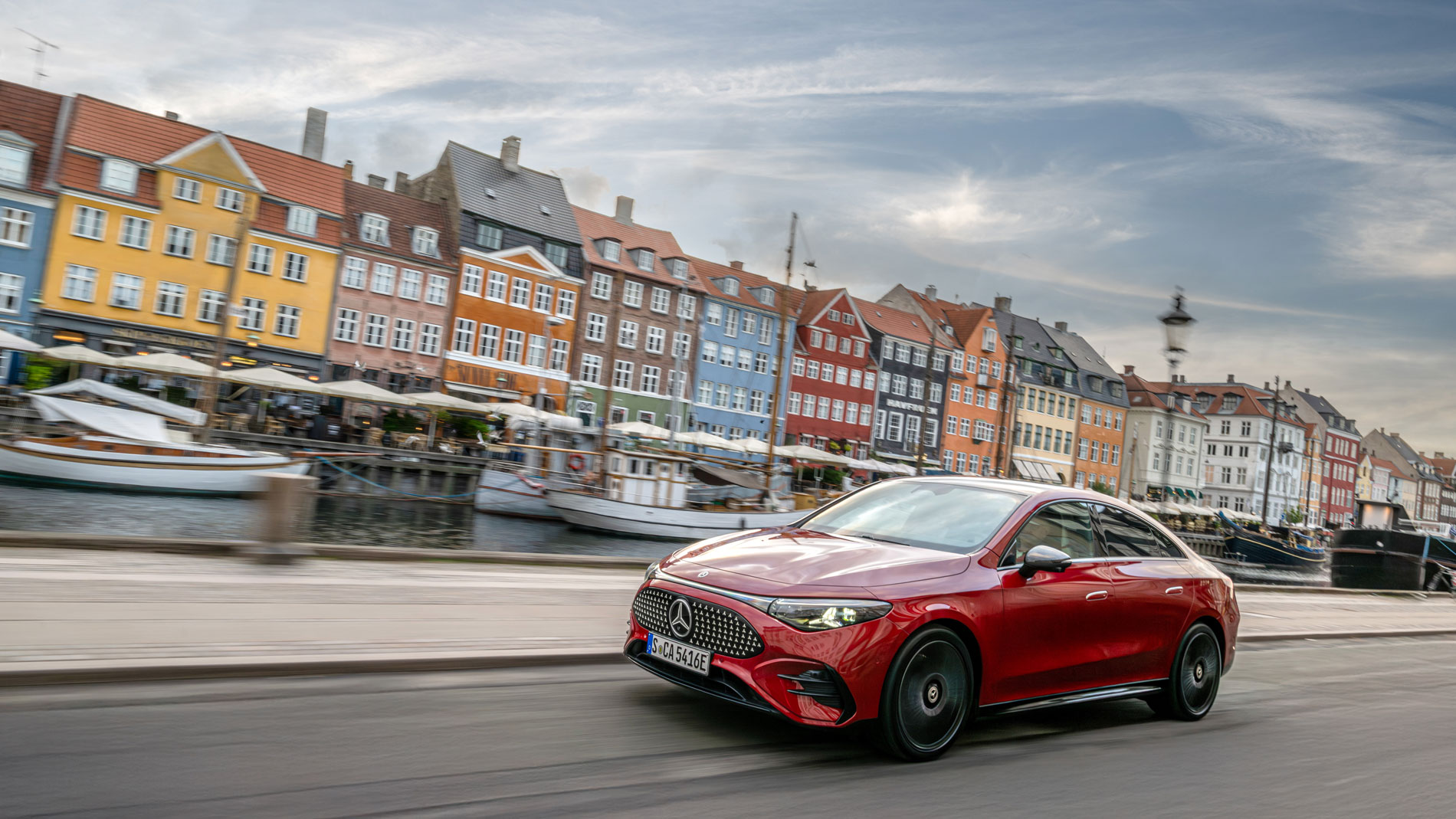
The electric Mercedes CLA focuses less on SUV-style bulk and more on sleek forms, efficiency and the promise of a long range. Its coupé-like silhouette makes it clear that design is a key consideration here. At the same time with its modern 800-volt technology and fast charging, the car aims to demonstrate that elegance and everyday practicality in an electric vehicle need not be a contradiction. It is well suited to commuters and company car drivers with an eye for design. For Mercedes the CLA is an important model because the brand aims to appear significantly more focused in the electric sector than before.
Product Details
Battery
Li-Ion (NMC), usable capacity approx. 85 kWh depending on version.
Charging
AC up to 11 kW; DC up to approx. 250–300 kW.
Software/Charging Logic
MB.OS; 800 V system, temperature/software-dependent charging window.
Braking System
Varian-specific; parts and labour costs strictly VIN-based.
Tyres
Dependent on engine/wheel rim; note CoC and axle loads.
HV/Rescue
Mercedes rescue data sheet according to year of manufacture/market.
7. Tesla Model Y
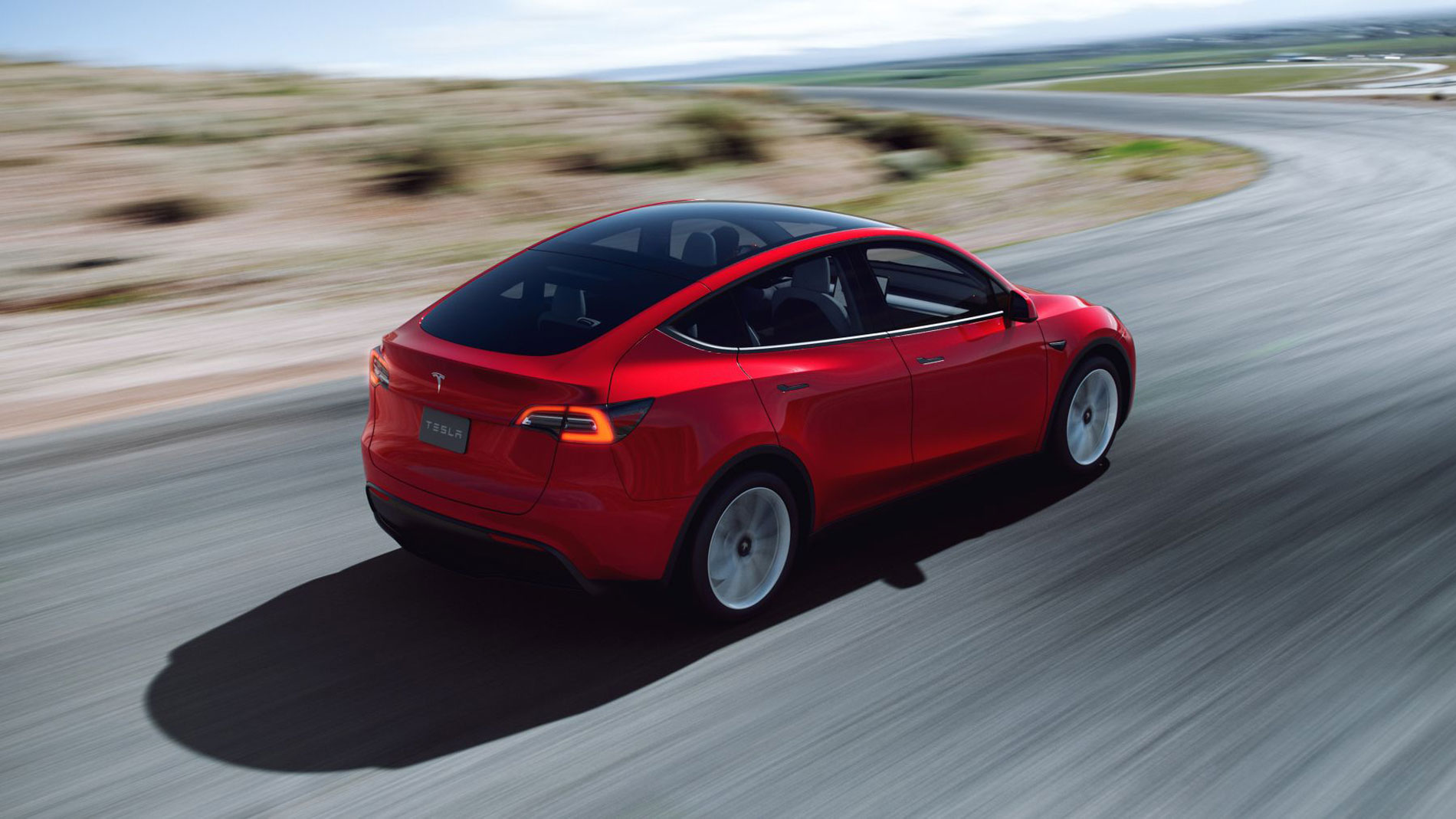
The Tesla Model Y thinks less in terms of traditional car categories and more in terms of functionality: plenty of space, a large trunk, a high seating position, plus a control system that organises almost everything via the central screen. A particular highlight is the seamless integration of software, navigation and charging, which works very conveniently in everyday use. Families and frequent drivers will find this to be a thoroughly practical electric car. The design is sleek and functional. Overall Tesla remains one of the manufacturers against which the competition in the electric vehicle sector must continue to measure itself.
Product Details
Battery
Li-Ion underfloor battery; specification varies by model year/variant.
Charging
AC up to 11 kW; DC up to 250 kW (V3 Supercharger); charging power heavily software-controlled.
Software/Charging Logic
Preconditioning and navigation routing influence DC charging.
Braking System
Disc brakes front/rear; consider energy recovery and mechanical braking separately.
Tyres
Several OEM combinations (e.g. 19/20-inch) depending on plant/variant.
HV/Rescue
Note Tesla ERG with first-responder loop and shutdown logic.
8. Audi A6 e-tron
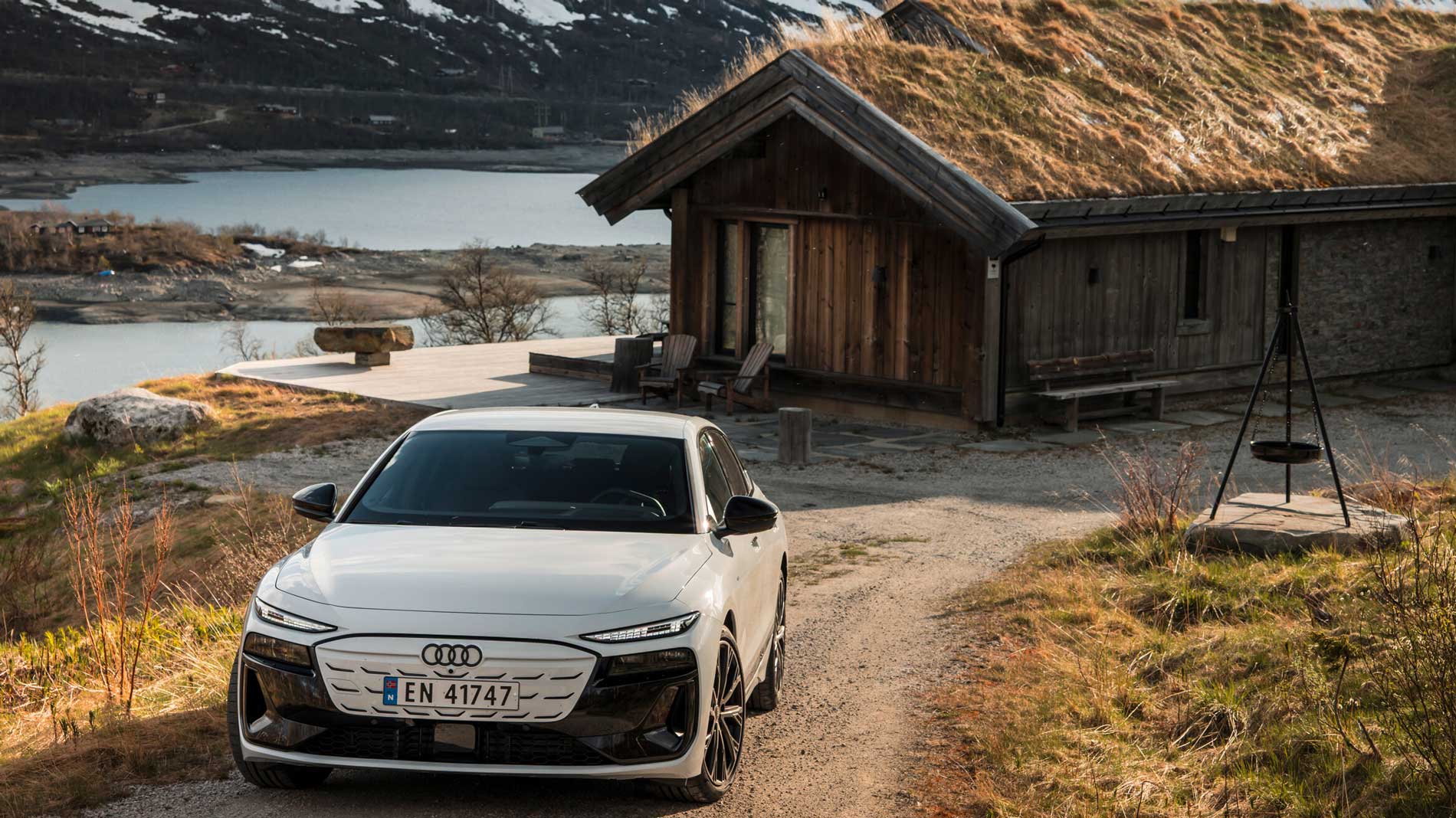
Sleek, elongated and clearly designed for efficiency: the Audi A6 e-tron is an electric business cruiser. What sets it apart is the combination of 800-volt technology, high charging power and a design that doesn’t need to look futuristic to be modern. It is ideal for frequent drivers, company car customers and anyone who prefers to travel quietly over long distances rather than make a loud impression. The design is elegant and streamlined. With the A6 e-tron, Audi appears significantly more organised and stronger in the electric segment than it did just a few years ago.
Product Details
Battery
Depending on version: 83/75.8 kWh or 100/94.9 kWh (gross/net).
Charging
AC up to 11 kW; DC up to 225/270 kW depending on version.
Software/Charging logic
800-V system; thermal management central to charging performance.
Braking System
Disc sizes vary by version (e.g. 345/330 mm).
Tyres
Partially staggered tyre sizes; VIN/CoC must be checked.
HV/Rescue
Audi OEM documentation/rescue data sheets specific to model and version.
9. BYD Dolphin
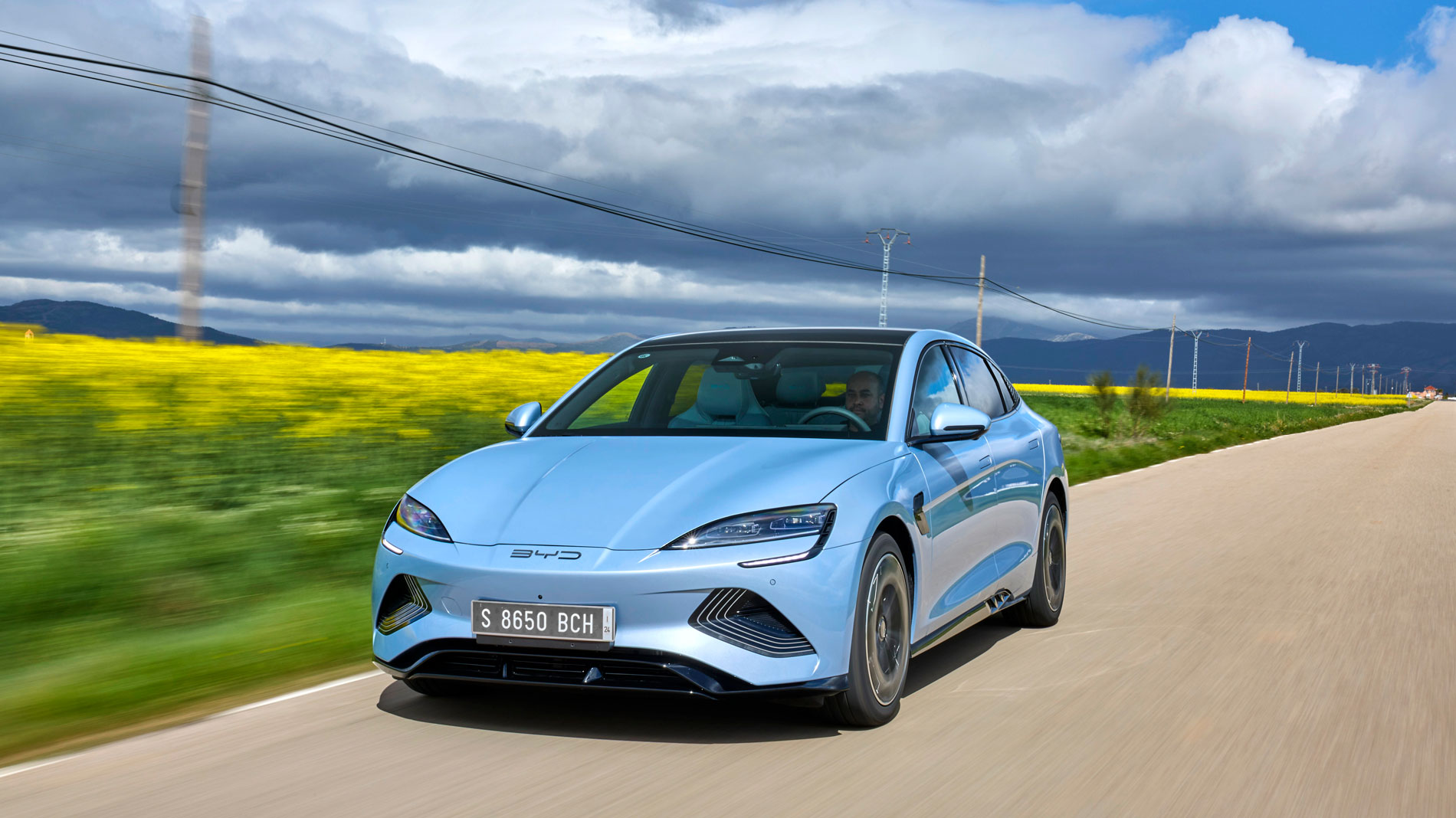
The BYD Dolphin isn’t a car for grand gestures, but rather for everyday life on narrow streets, in packed car parks and on short journeys. It’s compact, but doesn’t look like a compromise, rather it looks like a deliberately simple, modern electric car. What’s special is how BYD has managed to incorporate its own technology – particularly the Blade battery – into a more affordable package. This makes the car appealing to commuters, city drivers and anyone who wants to drive an electric vehicle without immediately switching to larger vehicle classes. In streetscapes it comes across as friendly, practical and clearly designed for utility.
Product Details
Battery
BYD Blade Battery (LFP), 30.0 or 43.2 kWh depending on the version.
Charging
AC up to 11 kW; DC 65/85 kW depending on version.
Software/Charging Logic
Thermal conditioning, charging authorisations and V2L function are diagnostically relevant.
Braking System
Regenerative braking with mechanical design depending on version.
Tyres
15- or 16-inch wheels depending on version; check vehicle-specific approvals.
HV/Rescue
Use the BYD rescue data sheet and market-specific service documents.
10. Audi Q4 e-tron
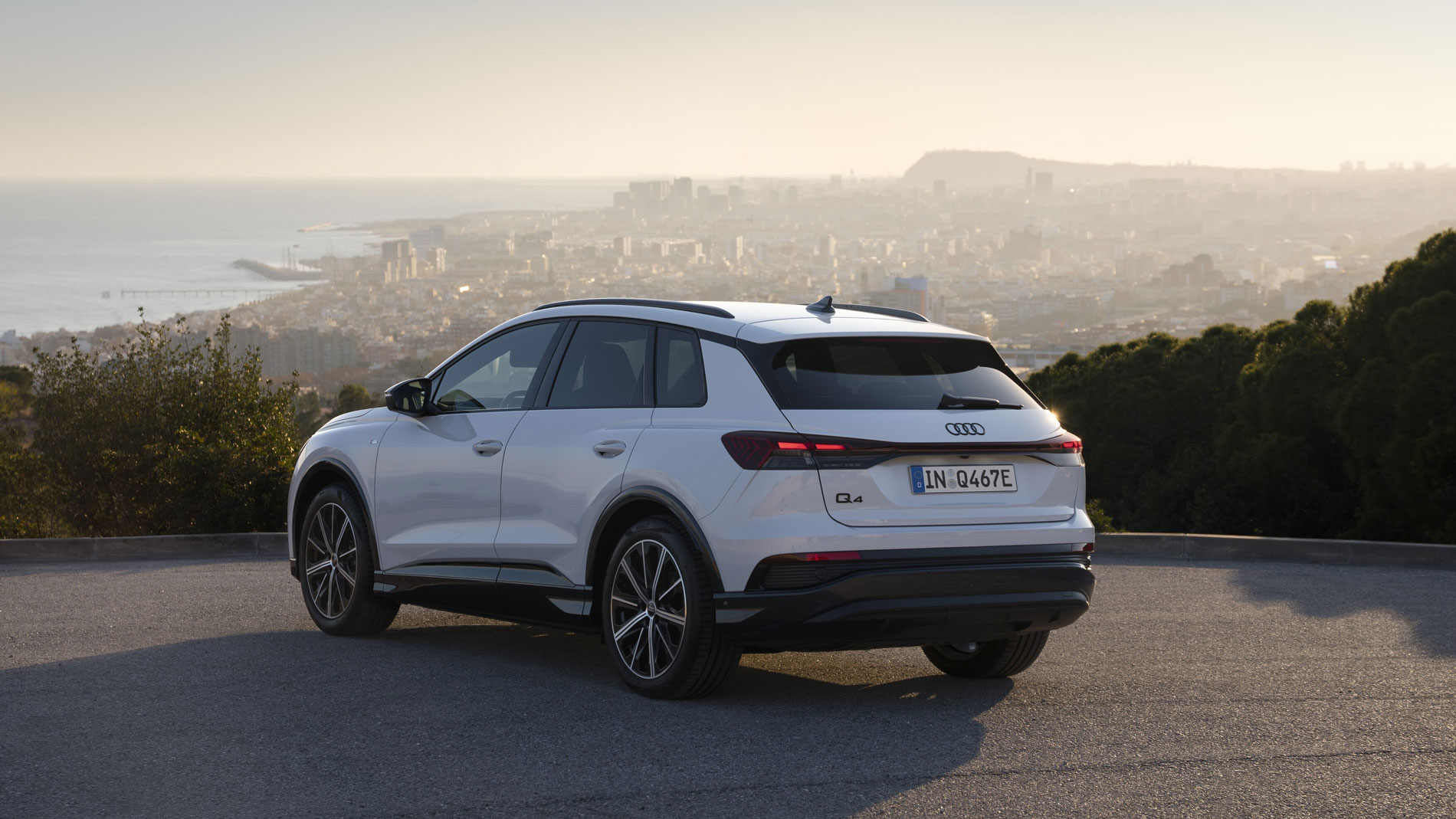
The Audi Q4 e-tron doesn’t set out to be an extroverted tech-star, but rather a compact premium SUV with an electric powertrain and as little pretension as possible. That is precisely where its appeal lies. On the outside it remains clean and uncluttered, inside the car feels more spacious than one might initially expect from this class. What makes it special is the blend of a familiar SUV shape, solid everyday practicality and the typical Audi standards of appearance and operation. For families, commuters and company car drivers, this is a rather compelling package. With the Q4 Audi is thus occupying precisely the segment where premium and volume meet.
Product Details
Battery
Li-Ion, 63/59 kWh or 82/77 kWh (gross/net) depending on version.
Charging
AC up to 11 kW; DC up to 135/165/175 kW depending on version.
Software/Charging Logic
Battery preconditioning and e-tron route planning significantly influence HPC charging performance.
Braking System
Model-specific brake design; regenerative braking and mechanical brakes work in conjunction.
Tyres
Different approvals depending on Q4 e-tron, Sportback, performance level and wheel rim; mixed tyres possible in some cases.
HV/Rescue
Use the Audi rescue data sheet and service information specific to the model and year of manufacture.
1 Note: Manufacturer specifications may vary depending on the production date and software version. For authoritative workshop work, always use VIN-specific original sources (technical data sheets, repair manuals, rescue data sheets, service campaigns).
Sources: KBA/ADAC for the February 2026 ranking; manufacturer websites and OEM documents (VW, Škoda, Audi, Mercedes-Benz, Tesla, BYD), on 22 March 2026.