Reading time: 6 minutes
In a side-impact or frontal collision that does not occur in the centre, even a slight deformation of the floor can be enough to damage a battery module, the aluminium casing, the cooling system or a high-voltage wiring harness. This type of damage is, of course, not visible and must therefore be detected using specific inspection procedures that are time-consuming and require highly specialised certified skills.
How much more expensive?
But the real question is: how much more expensive is it to repair an electric car? European insurers agree on this: in a comparable accident, the repair of an electric vehicle remains, on average, more expensive than that of a combustion-engine model. There is no specific research in Belgium, and the Belgian Federation of Insurers, Assuralia, refers to the analyses by the SRA, which works for France Assureurs. They have scrutinised hundreds of thousands of post-accident assessments and found that 100% electric vehicles cost 14.3% more to repair than their combustion engine counterparts, whilst hybrids cost 15.7% more. A study by Solera, based on over 92,000 quotes comparing strictly equivalent combustion engine and electric models, estimates the additional costs at around 29%, with parts costing up to 48% more for electric cars. In addition, there are further academic studies confirming a more moderate increase, around 6.7%, based on specific samples and parameters. These figures make it possible for a garage to set a realistic margin of between 10 and 30%, depending on the type of damage, the make and the severity of the collision.
However, we are no longer in the caricature of the early days, when some analyses systematically predicted ‘explosive’ repair costs for electric cars. The example of Germany is instructive in this regard: the insurers’ federation GDV indicated a few years ago that repairs to electric vehicles entailed 20 to 25% extra costs, but in its most recent studies this difference has been reduced to around 15 to 20%. According to the GDV, the reason for this is simple: as the vehicle fleet becomes increasingly electric, professional workshops are upgrading their equipment, procedures are being better managed, repair times are gradually decreasing and the supply chain is running more smoothly. This kind of ‘learning curve’ explains why costs remain higher, but are less disproportionate than when the first mass-market electric models arrived.
Even more detailed data confirms this trend. In the Solera study, the ‘battery system’ sub-group accounts for 24% of parts expenditure in electric car repairs, which is not the case for a vehicle with a combustion engine. France Assureurs notes that certain electric models still carry a net cost premium: for example, an electric BMW X1 can cost 28% more (mainly labour costs) to repair than the petrol version, due to a ‘novelty effect’ and the increased use of lightweight materials. At the same time, GDV notes that the increase in volumes and the standardisation of specific parts are already helping to narrow the price gap. In other words, whilst repairs to electric vehicles remain more expensive on average, the circumstances causing these differences are changing and there are no indications that they will remain at the levels seen in the early years in the long term.
Whilst repairs to electric vehicles remain more expensive on average, the circumstances causing these differences are changing (…).
The battery, the nerve centre
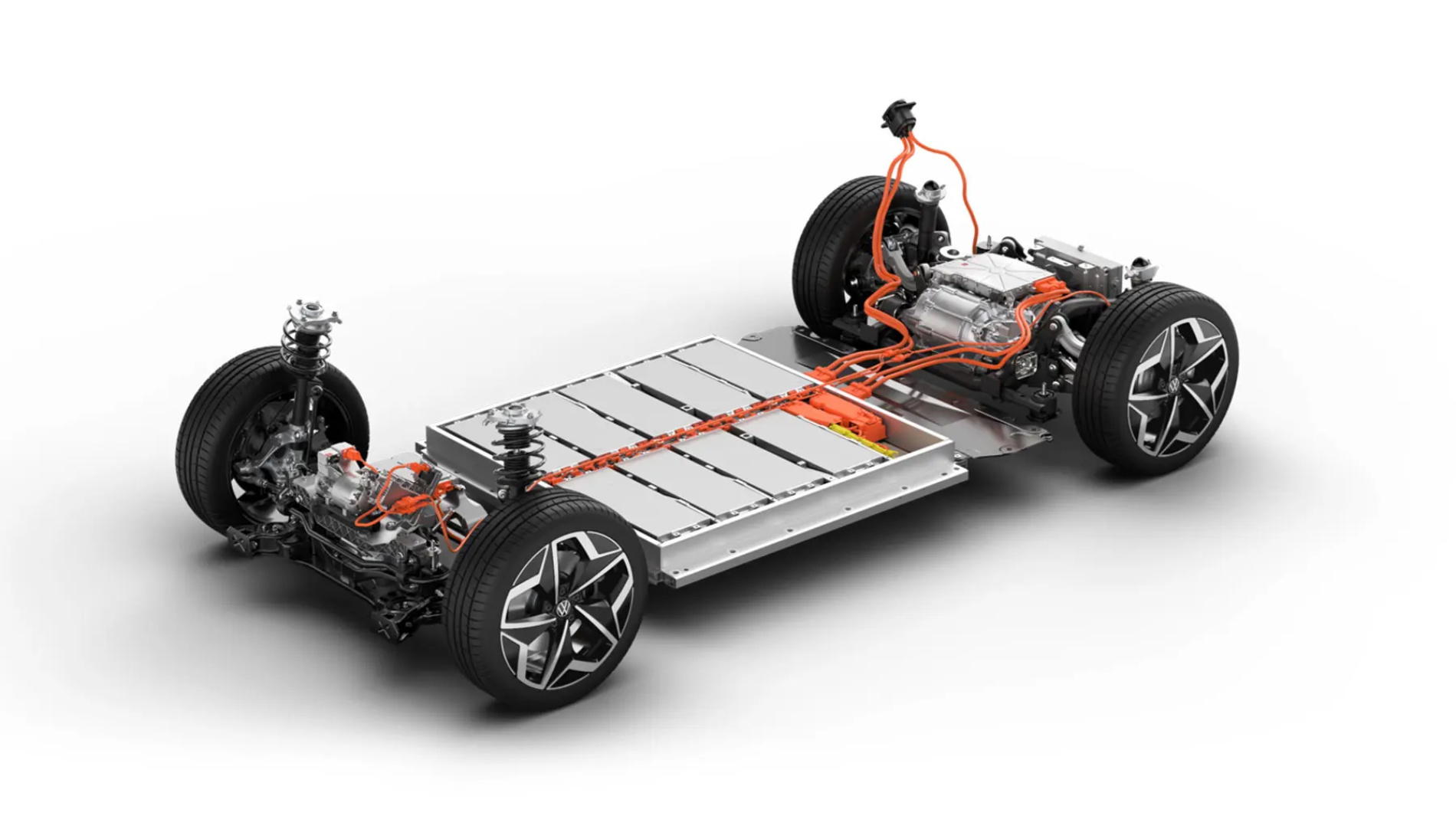
It is well known: the battery is the most sensitive component of an electric vehicle. It is not only the most expensive component, but also the most delicate for technicians. Following an accident, a series of assessments must be carried out: measurement of residual voltage, checking of high-voltage insulation, checking of module temperatures, inspection of the housing and mounting points, and analysis of the cooling system. A single anomaly in any of these tests may be enough to classify the vehicle as beyond repair. Although batteries are rarely torn out or seriously damaged, checking them after an accident is time-consuming and requires advanced skills. In more complex cases, replacing a module – or worse still, a complete pack – entails significant additional costs compared to a car with a combustion engine. As is well known, the battery of an electric car has a very high financial value, which can amount to 40% of a vehicle’s production costs. Sometimes, therefore, a repair can be unaffordable.
Working on electric cars requires a strict procedure for recording data. Before even a bumper can be removed, the vehicle must be disconnected, the battery isolated, checks carried out to ensure there is no current on the high-voltage circuits, insulating tools and protective equipment used, and the work area cordoned off. These steps are mandated by manufacturers and have been harmonised at European level. Naturally, they also extend the duration of the work and increase its complexity, requiring certified training for the teams. This preparation is crucial for the technician’s safety and the compliance of the intervention. A poorly insulated wiring harness, an error in the disconnection sequence or incorrect handling of the battery can cause an electric arc or damage expensive components and put the emergency workers at risk.
More technical materials for repairs
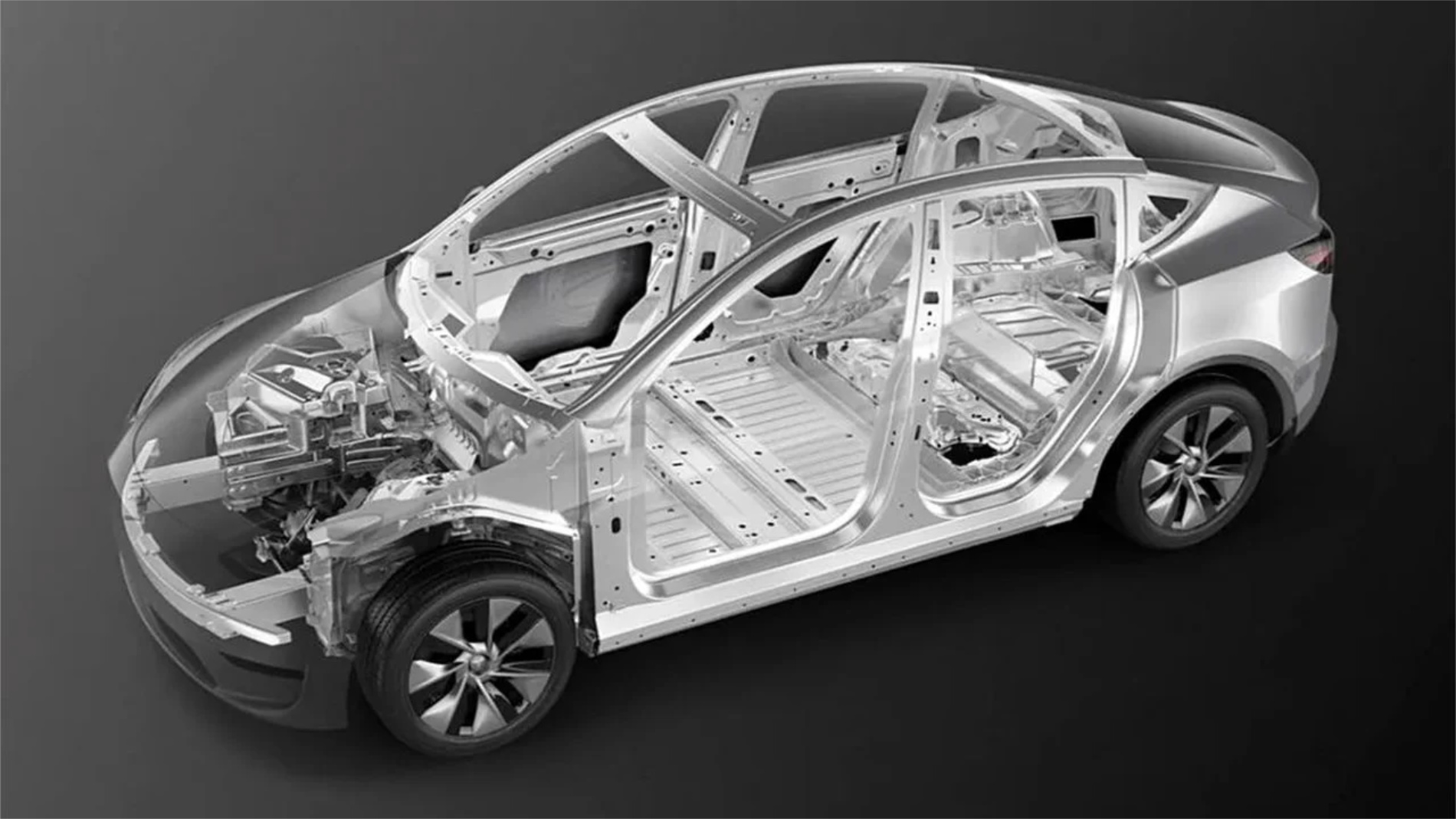
Electric vehicles are designed to be light and rigid, which benefits range and safety. Various materials are used in their structure: aluminium for the longitudinal beams, ultra-high-strength steel in the battery pack’s protective zones, and composite materials or reinforced plastics in the upper modules. This diversity makes repairs complicated.
Aluminium cannot be straightened like steel and requires carefully controlled temperatures. Composite materials are often beyond repair: they are cut out or replaced rather than reshaped. Areas where aluminium and steel coexist must be processed in separate areas to prevent cross-contamination, which can lead to galvanic corrosion. Furthermore, specific consumables and specialised tools must be used, often requiring a costly reorganisation of the workshops.
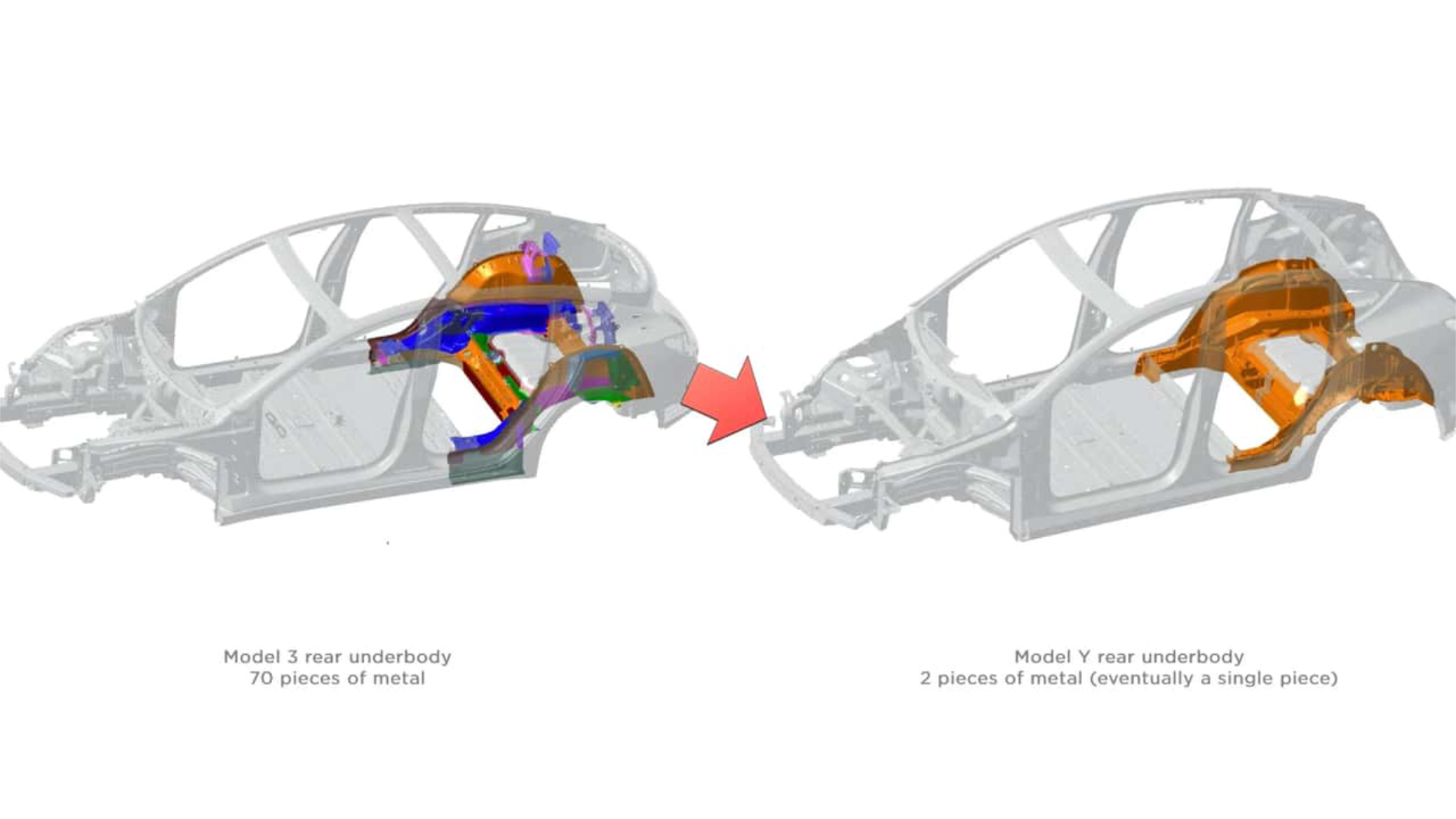
We must also mention the new chassis architectures, such as Tesla’s gigacasting, in which very large chassis components are cast from a single piece of aluminium. This practice is becoming increasingly common and inevitably brings about radical changes in repair practices. Contrary to initial concerns, various studies show that these structures do not systematically make repairs more expensive: Thatcham Research has demonstrated that, for localised damage to the rear, repairing a cast component can actually be cheaper than a comparable repair on a traditional structure, as specific areas can be replaced selectively rather than the entire component. However, this does not alter the fact that there are still limitations: cast aluminium remains difficult to repair and certain cracked areas must be replaced to guarantee structural strength. Diagnosis is also more demanding: micro-cracks must be identified and geometric checks carried out. Furthermore, workshops must have specific tools and strictly adhere to the manufacturer’s procedures for cutting, bonding or welding cast aluminium. In practice, gigacasting primarily requires greater technical reparability, which depends heavily on the accuracy of the diagnosis and mastery of the procedures. For bodywork repairers, it is not so much a question of cost, but of the ability to repair these parts.
ADAS, a factor of complexity
In addition to materials and the battery, ADAS systems play a central role in repairs. Cameras, radars, lidars and ultrasonic sensors are often integrated into bumpers, mudguards or the windscreen. Following a collision, it is no longer sufficient to simply replace the damaged component: the entire system must be precisely recalibrated. The slightest deviation in the position of a radar or in the thickness of a paint layer can disrupt detection. Recalibrating ADAS has become a systematic, time-consuming and costly step. This requires specialised equipment – test panels, calibration benches, specialised software – and sometimes involves multiple consecutive tests. This factor also contributes to the average additional costs associated with repairs to electric vehicles, although this also applies to modern vehicles with internal combustion engines. To address all these challenges, workshops must invest heavily in tools: high-voltage test stations, insulation analysers, battery assessment systems, 3D measuring benches compatible with multiple materials, lifting stations suitable for the battery floor, transport trolleys, and ADAS recalibration equipment.
This infrastructure represents a significant investment for the average workshop. Furthermore, it is also crucial that technicians improve their skills. They now need to have knowledge of power electronics, battery thermodynamics, electrical safety and high-voltage diagnostics. Continuous training is becoming increasingly important, particularly as manufacturers regularly update their service procedures.
Electric cars: are they really more expensive to repair?
The rise of electric vehicles is profoundly transforming the work of body shops. Because behind the apparent simplicity of an engine without pistons or belts lies a particularly complex architecture: high-voltage batteries in the floor, a reinforced or very differently assembled chassis, highly dense electronics, and new materials. All these new technologies and unique manufacturing processes mean that, following a collision, repairs require a new approach and, in particular, a different assessment of the damage, as well as an evaluation capability that goes far beyond the scope of a traditional repair. On this point, European analyses all agree:
Whilst electric vehicles are not involved in more accidents than others, they do, however, require longer, more delicate and often more costly repairs.
Even minor repairs are said to be more expensive. According to the assessment firm Xolutions, it takes an average of eight hours to dismantle and repair an electric car bumper, whereas it takes between five and six hours for a combustion engine model.