
Reading time: 6 minutes

When people talk about electric mobility, East Africa isn’t the first place that comes to mind. That could be a mistake. Because it is here that a mobility transition is taking shape under conditions that are wildly different from those to be found in Europe. The focus is not on private electric cars, but on motorcycle taxis, minibuses and commercial fleets – in other words precisely those modes of transportation that underpin everyday life in many cities and regions. The electrification of those modes of transport promises lower operating costs, cleaner air and new industrial perspectives.
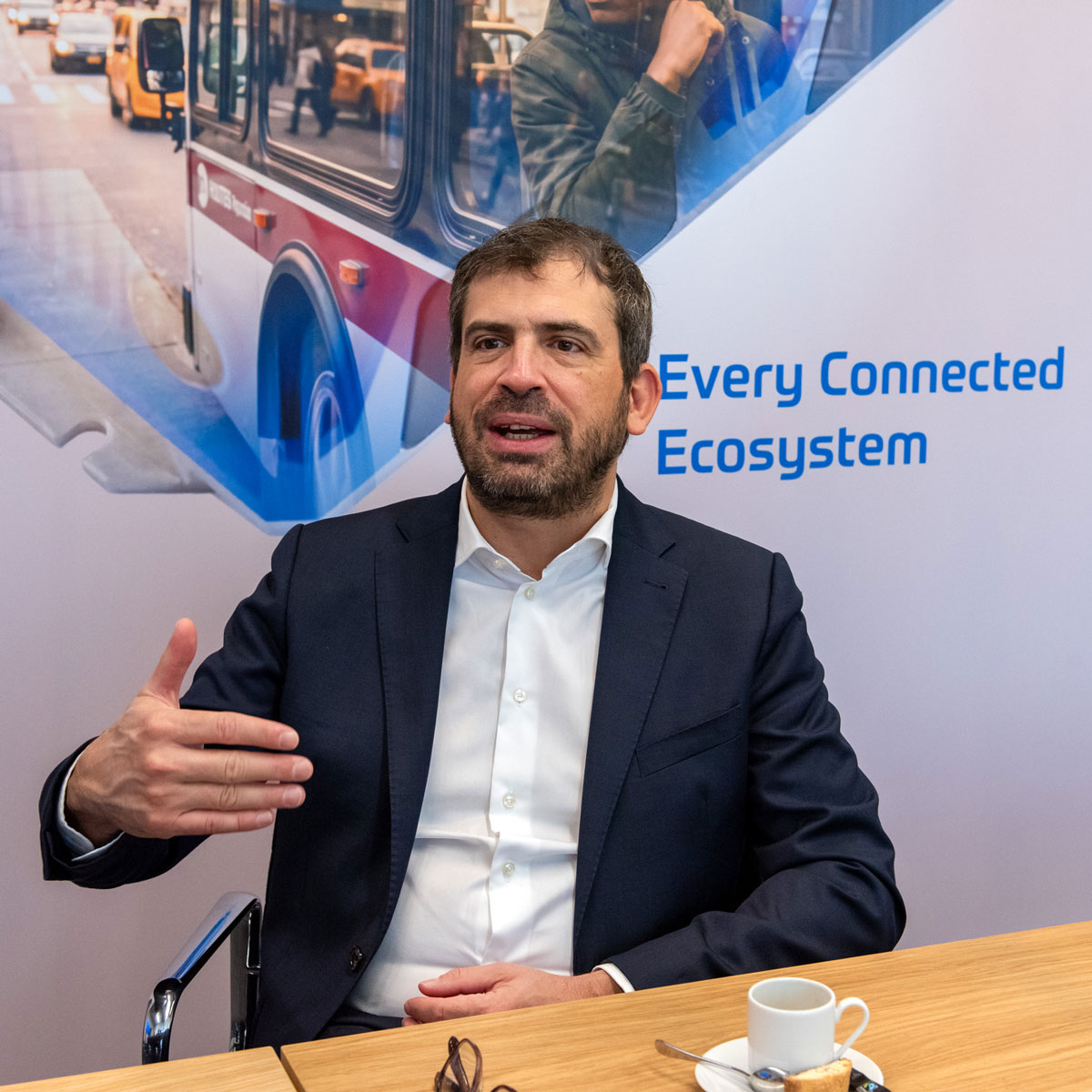
East Africa is not yet a mass market, but it serves as an early testing ground for understanding how electric mobility works in practice within growing economies. At the same time, it is becoming clear that e-mobility can be far more than just a technological issue: it touches on energy supply, urban development, air quality, creation of industrial value and the question of how rapidly growing societies organise their mobility. In this interview, Naville Geiriseb explains why you should keep an eye on countries such as Kenya, Ethiopia and Rwanda.
Why is East Africa currently the most dynamic region for e-mobility on the African continent?
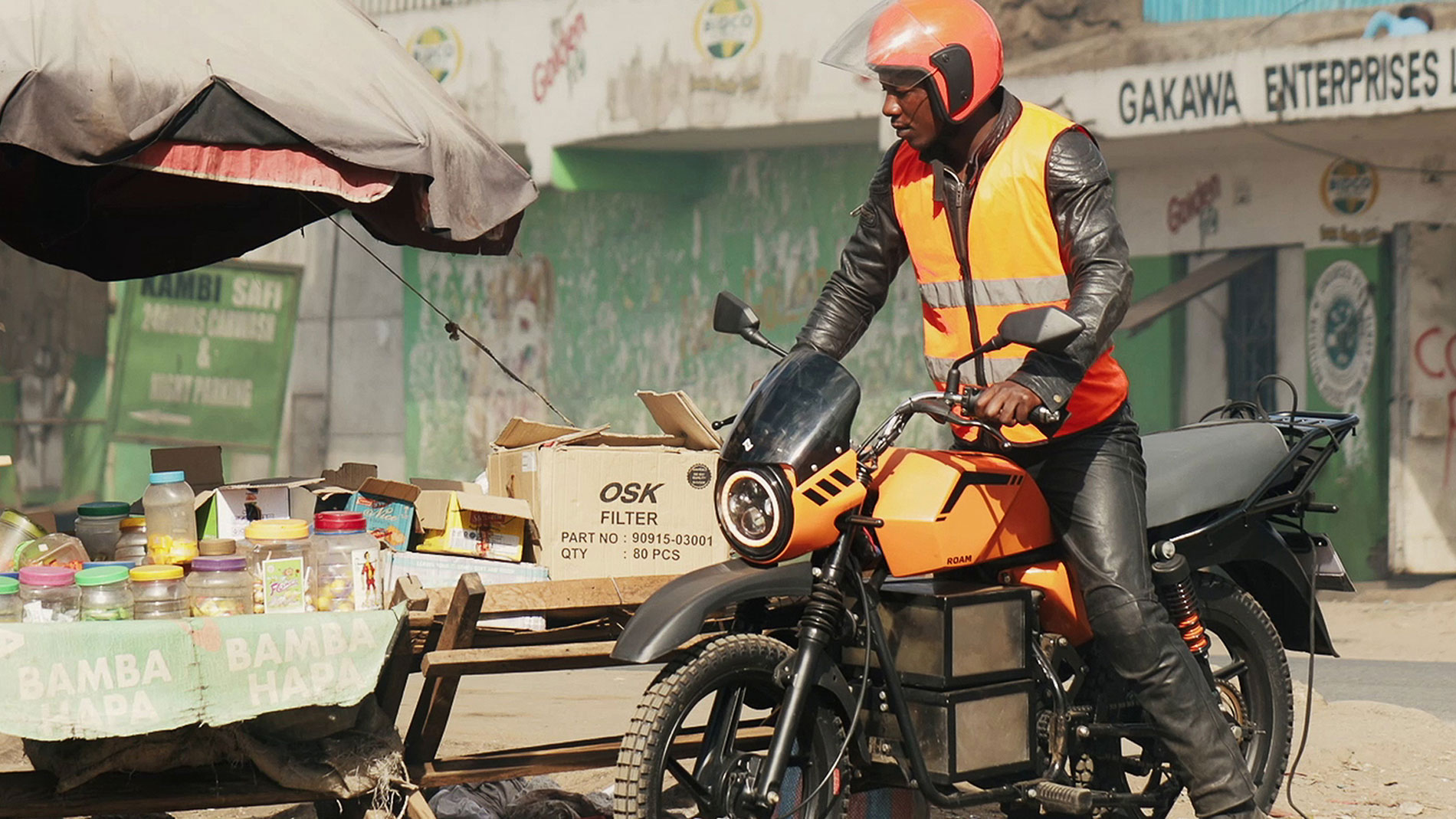
In East Africa electric mobility is no longer merely discussed as a vision for the future, but is already economically viable. This is particularly evident in the case of electric motorcycles: they can reduce operating costs for riders by up to 80 per cent. At the same time almost half of Africa’s e-mobility companies are based in the region. Countries such as Kenya and Ethiopia are now combining tangible market growth with a political will to shape the sector. In Ethiopia the share of electric vehicles in new registrations was already around 60 per cent in 2024, while in Kenya the share of electric vehicles in new car sales reached around 8.3 per cent in 2023. Furthermore several countries in the region have already adopted strategies and programmes for electric mobility.
What political measures have so far proved particularly effective in East Africa?
Fiscal incentives have been the most effective to date. The aim is to reduce entry costs while simultaneously building up a local industry. When it comes to electric vehicles, batteries, components and charging infrastructure, tax as well as custom exemptions are granted. Reduced import duties and VAT relief also play important roles. The most successful measures are those that make e-mobility more affordable for buyers while also encouraging investment in the creation of domestic value.
Which vehicle segments play the most important role in this context?
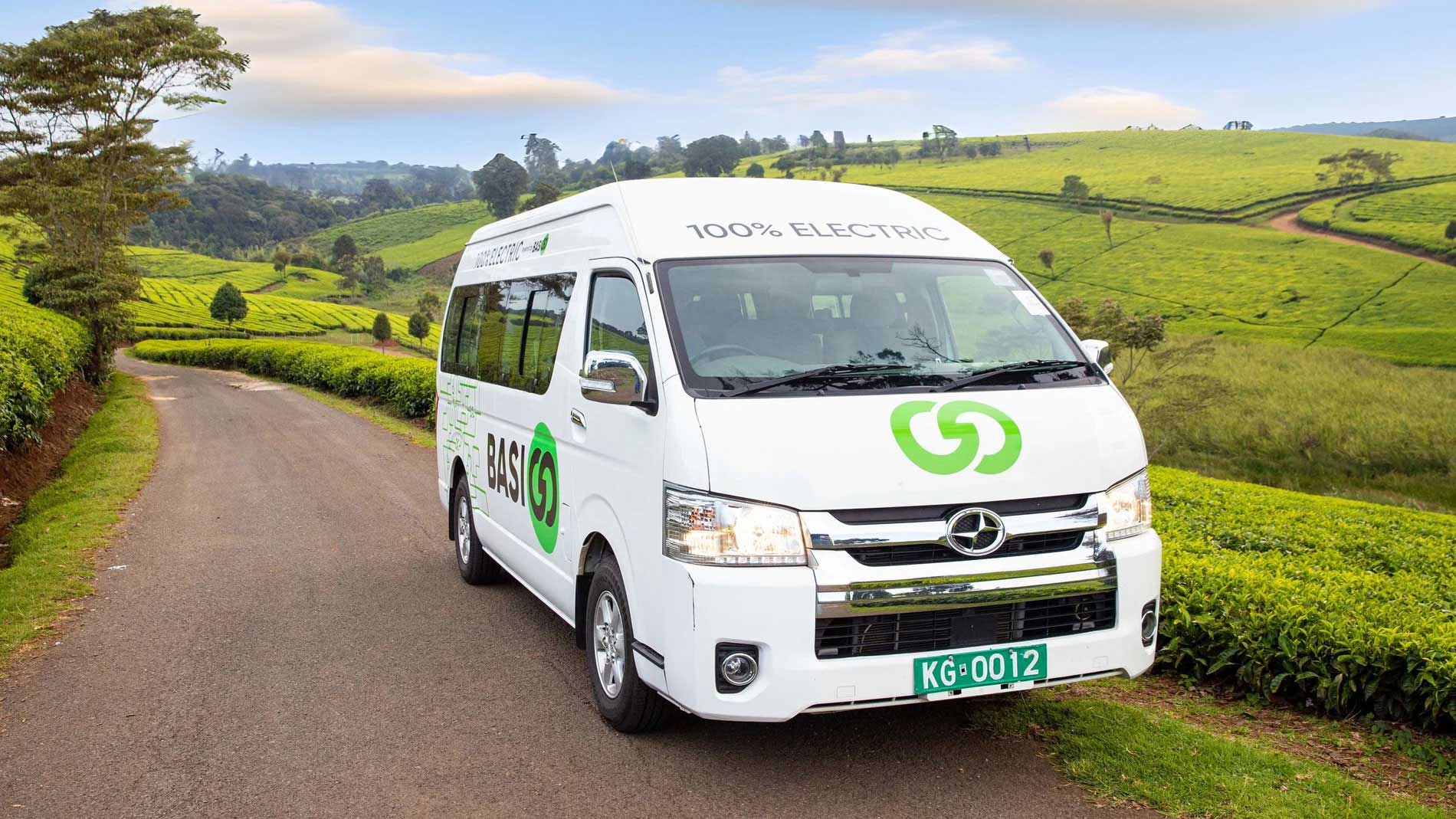
When we talk about electric mobility in East Africa we are not primarily referring to private cars. The most important segments are electric two- and three-wheelers, as well as minibuses for informal public transport. In Kenya these minibuses are known as “matatus”. It is here where daily use reaches its peak, and the economic benefits of electrification become apparent particularly quickly. When it comes to companies, Spiro and Roam are of importance in the electric two-wheel sector, BasiGo is a key player in the bus segment. Many components still come from China, but local assembly and value creation are growing.
How well does electrification fit with the actual mobility needs in East Africa?
Very well, because it builds on people’s existing modes of transport, rather than replacing them. A large proportion of the population already uses forms of public or semi-public transport: motorbike taxis, minibuses, delivery and transport two-wheelers. It is these modes of transport that are now being prioritised for electrification. Clean motorcycles and buses with lower operating cost can make mobility more affordable for broad sections of the population, whilst also being more climate-friendly. The most important leverage to induce change therefore is the electrification of public transport. In the long term, as prosperity grows, private cars will become more important, no doubt. But for now the focus is clearly on the modes of transport that already shape everyday life.
Is this also an opportunity to reduce our reliance on fossil fuels in the transport sector?
That is the point exactly. Many African countries are not yet heavily reliant on fossil-fuel-based transport systems. The motorisation rate remains comparatively low, while cities are growing rapidly. This means there is still an opportunity to build a cleaner mobility system from the outset and avoid costly, carbon-intensive missteps.
What role does the mix of different kinds of electricity play?
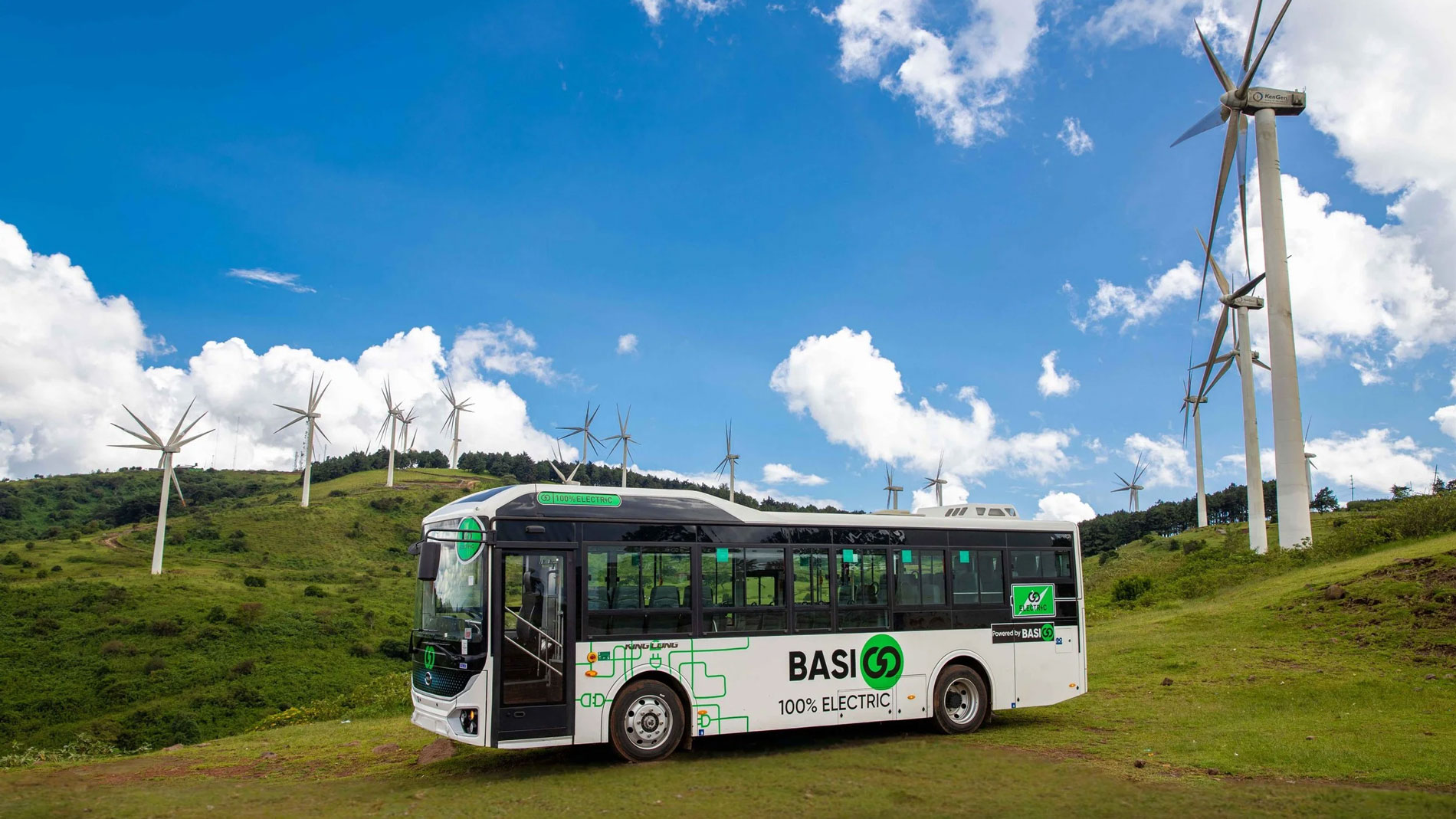
A very significant one. Electric mobility is only as clean as the electricity used to power it. The advantage in several East African countries is that their electricity systems already have a high proportion of renewable energy. This applies to Ethiopia, Kenya and Rwanda. At the same time the region is interconnected via a shared electricity grid, meaning that countries can also exchange electricity as needed. Generally speaking the national grids already have a solid foundation for supplying electric mobility with a high proportion of renewable energy. This brings benefits not only for the climate, but also for air quality and energy costs.
Which countries are currently sending the strongest signals?
Ethiopia, Kenya and Rwanda are currently standing out in particular, albeit with different approaches. Ethiopia is pursuing what is arguably the most stringent regulatory course: the import of new and used vehicles with combustion engines was banned in January 2025. That is a very clear signal. Kenya is focusing more on policies with its national e-mobility strategy, which integrates infrastructure development, charging facilities and industrial development. Rwanda, on the other hand, is pursuing a more targeted strategy in urban transport. This shows that there is no single model for the ramp-up of e-mobility. The countries are taking different paths, but each is creating an investment-friendly environment.
How important are battery-swap models?
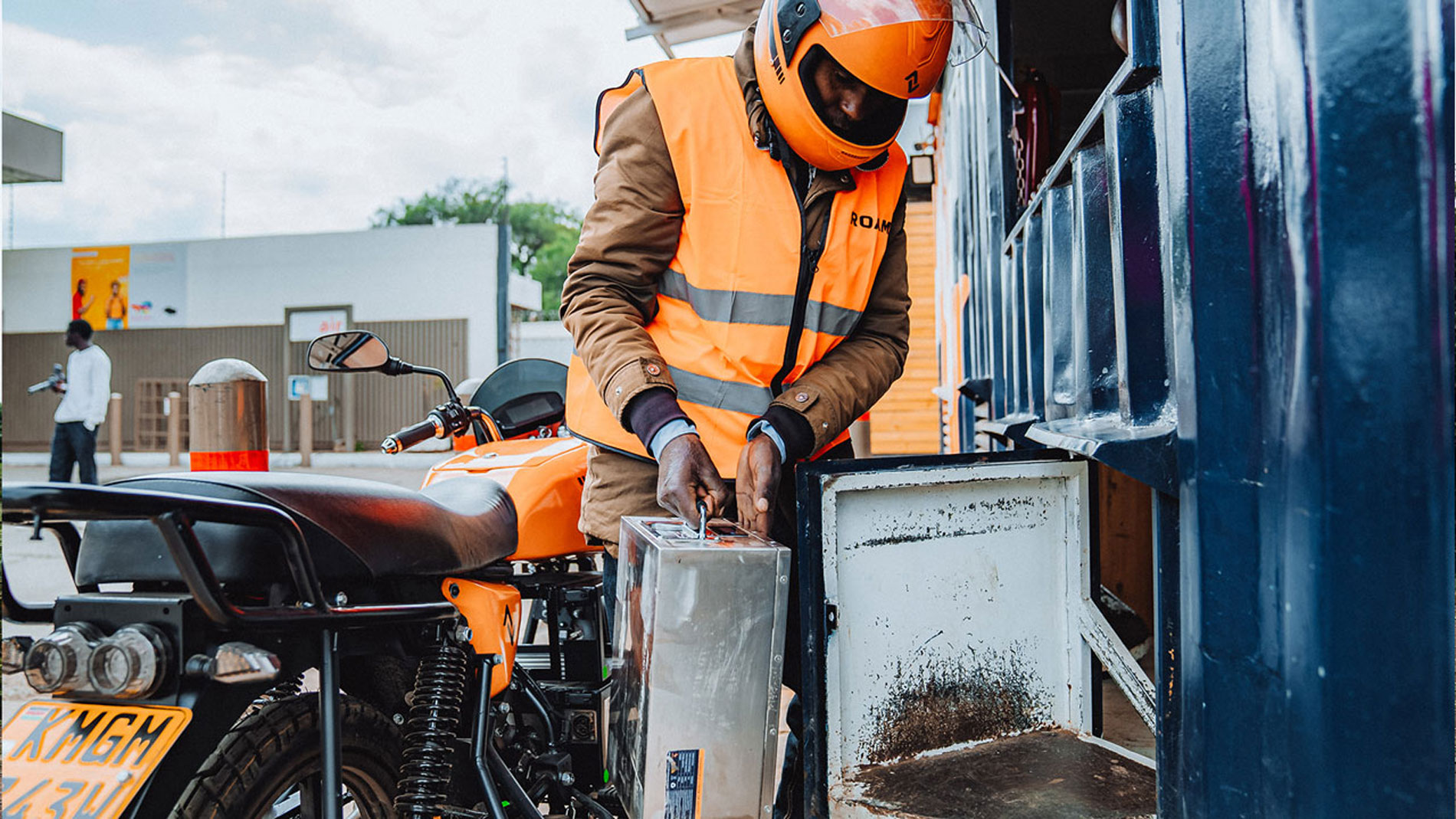
In the two-wheel sector they are absolutely crucial. They solve two problems at once: the somewhat limited charging infrastructure and the overly long time it takes to fully charge a vehicle. For riders who earn a living from their motorbikes, this is crucial. They can use an app to find the nearest swap station, swap their nearly empty battery for a charged one there, and carry on immediately. Electric two-wheelers become ever more suitable as well as more economically attractive for everyday use. This works less well for buses though. Instead bus depots play a key role here. Companies such as BasiGo are setting up appropriate depot structures in Nairobi. The vehicles operate on pre-planned routes and then charge at designated locations.
What are the biggest hurdles to further growth?
The biggest hurdle is financing. Of course regulation, infrastructure, data availability and market acceptance also play a role. But without financing it is impossible to introduce vehicles on a large scale or to build up charging and battery-swapping infrastructure. Data systems and affordable financing models for businesses and consumers also depend on this. Political strategies can set the direction, but implementation requires investment. That is why international partnerships and climate finance are so important. The central problem in East Africa at present is not a lack of political will, but a lack of capital.
Do these countries have genuine opportunities for industrial value creation beyond raw material extraction?
Yes, and that is precisely what matters. Africa should not repeat the old pattern of exporting raw materials while importing fully built out vehicles. The opportunity lies in using critical raw materials as the basis for its own industrial development. This includes not only batteries, but also wiring harnesses, cabling and body parts. Because China is currently seeking new markets and used electric vehicles are also finding their way into other regions in greater numbers, there is growing interest within African countries to retain the creation of value in their own borders. The crucial point is the development of refining and processing capacity, so that raw materials can actually be turned into industrially usable materials. This also presents an opportunity for cooperation with Germany and Europe, as both sides have an interest in more resilient and less dependent supply chains.
What role do lithium and other raw materials play in East Africa?
As things stand there are, as of yet, no clearly proven large lithium reserves in East Africa. There are promising research projects and geological indications, but to establish this with certainty, further investigations are needed – and that, in turn, requires funding. The situation is clearer for other raw materials. Tanzania, for example, is a major graphite producer and ranks among the world’s leading producers. The problem, however, is that processing has so far largely taken place outside the country, which is where the real challenge lies: not just extracting raw materials, but also establishing the subsequent stages of value creation within the region itself.