
Reading time: 7 minutes
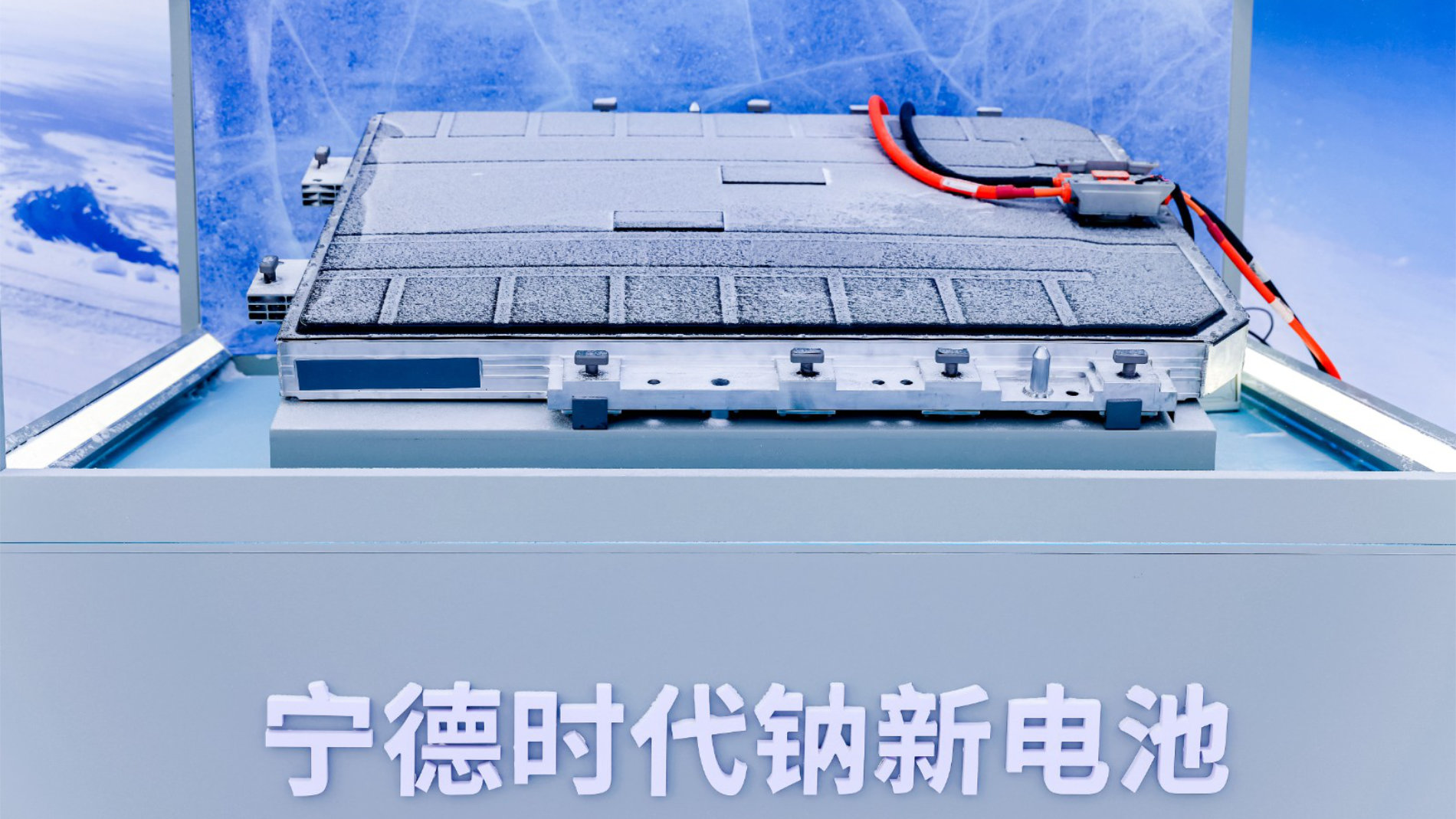
Electric vehicles have evolved rapidly in just a few years. This applies in particular to their batteries, whose chemical compositions have improved considerably. NMC – nickel, manganese and cobalt – is the battery chemistry for which the vast majority of diagnostic tools were developed. It is still used in most premium and long-range electric vehicles, including the Mercedes EQS, BMW iX and Audi e-tron, as well as the Tesla Model S and Model X. Its greatest advantage is its high energy density, which enables ranges of more than 500 kilometres. Thermal management is active and precise, making diagnosis easier: The charge and discharge curves can be evaluated clearly, the BMS parameters are well documented and commercially available diagnostic tools recognise the system without difficulty.
The greatest disadvantage of NMC chemistry is also its Achilles’ heel in the workshop: Compared with LFP, it presents a significantly higher risk of thermal runaway and therefore fire. A damaged cell can trigger a chain reaction that is difficult to control. Strict handling and storage regulations apply, and these differ from those for other battery chemistries. NMC also requires a powerful active cooling system: A fault in the cooling circuit can compromise the integrity of the battery pack within a short period of time.
1. LFP: The Pitfall of the Flat Curve
LFP (lithium iron phosphate) has become the predominant battery chemistry in affordable vehicles. It is used, among others, in the rear-wheel-drive versions of the Tesla Model 3 and Model Y, across the entire BYD model range, and in the MG4 and Dacia Spring.
LFP offers compelling advantages: a lifespan of between 3,000 and 5,000 charging cycles under normal conditions, the absence of rare and expensive metals such as cobalt and nickel, and the ability to charge the battery to 100% without accelerating degradation. By contrast, an NMC battery pack should preferably only be charged to 80%. LFP is also inherently thermally stable: Its chemical reaction does not run out of control, simplifying workshop storage and handling procedures compared with NMC.
However, the LFP discharge curve is almost flat between a 20% and 80% state of charge, as the voltage changes very little within this range. Yet this voltage is precisely what the BMS uses to estimate the state of charge. As a result, a diagnostic tool calibrated to read an NMC battery will either underestimate or overestimate the state of charge of an LFP battery.
Battery diagnostics specialist Midtronics points out that the BMS of an LFP battery must be recalibrated regularly. A full charge to 100%, maintained until the system stabilises, allows it to re-establish its reference points and once again provide a reliable estimate of the state of charge. Without this regular calibration, the reading will drift, meaning that a technician may unknowingly be working with incorrect figures.
LFP’s lower energy density compared with NMC is another limitation: At the same weight and volume, it stores less energy. This explains the larger battery packs used in some models.
2. LMFP – The Next Stage of Development Is Already on the Road
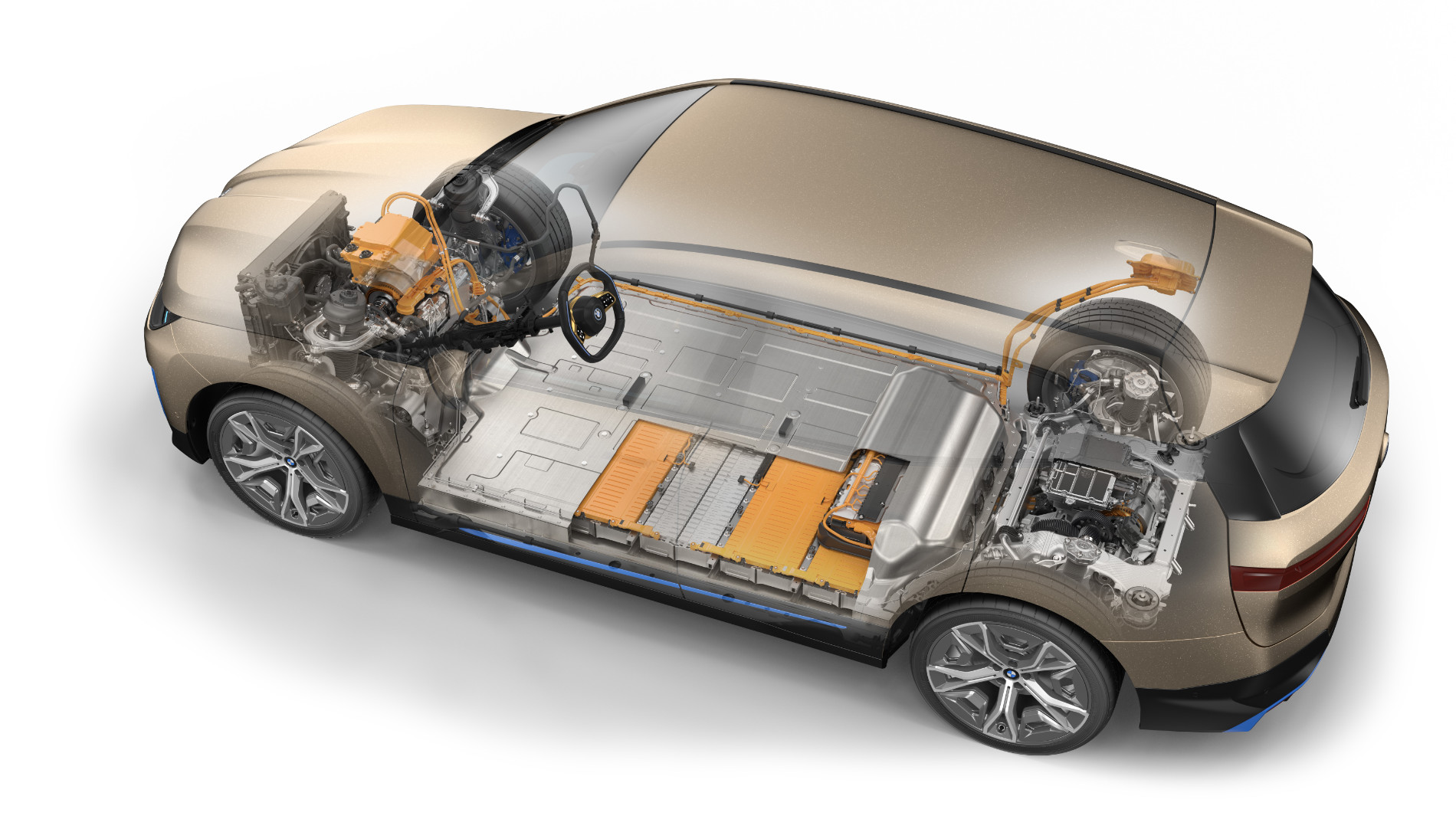
Still largely unknown but no longer a technology of the future, LMFP (lithium manganese iron phosphate) is regarded as the logical evolution of proven LFP technology. Battery manufacturers such as CATL and BYD have already been producing LMFP cells for electric vehicles since 2025.
The main advantage is an energy density approximately 15% higher than that of current LFP batteries. This makes it possible to achieve longer ranges without sacrificing the safety and durability benefits of LFP chemistry.
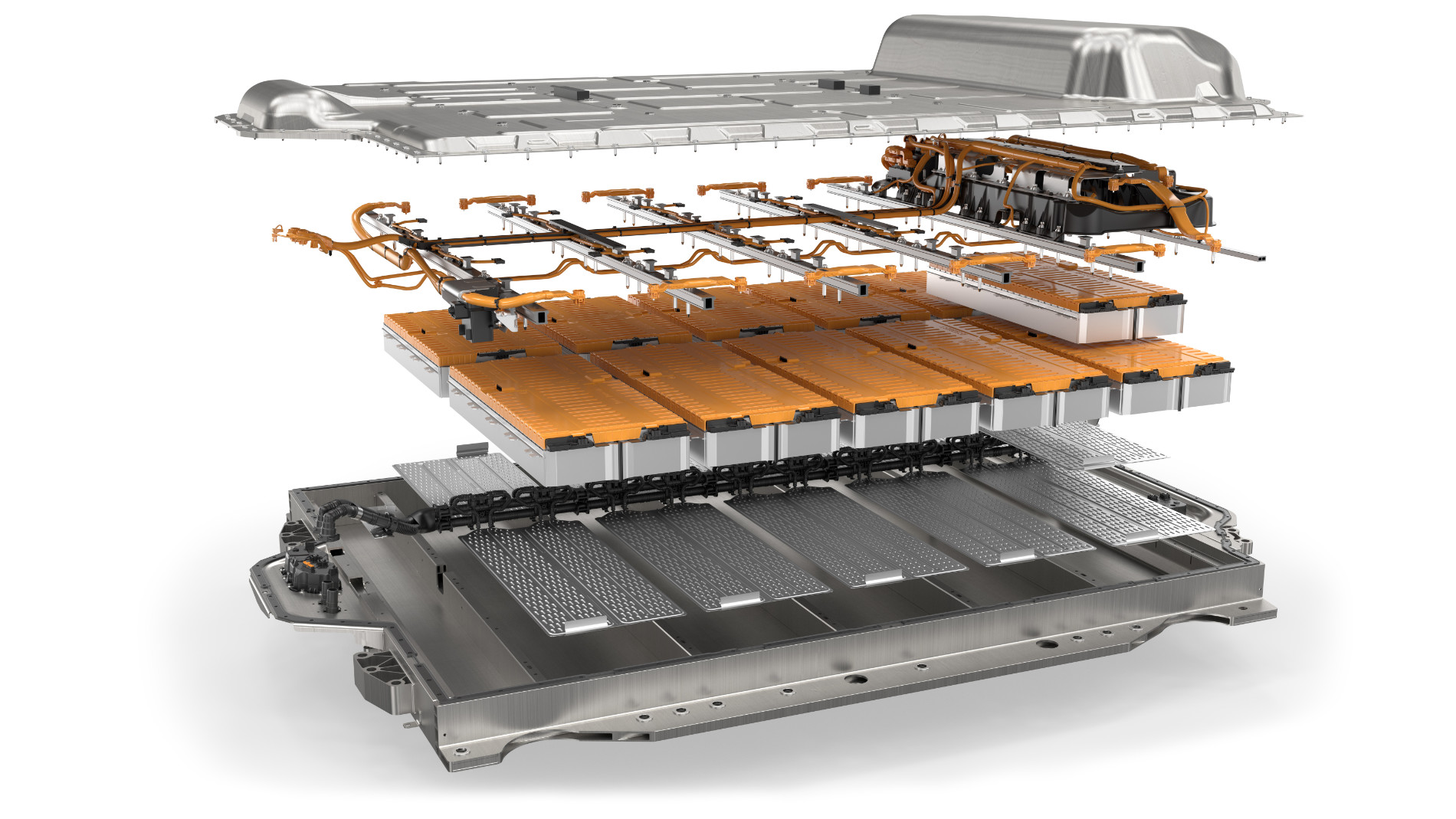
For workshops, however, this creates a new challenge: The cell voltage is slightly higher than that of conventional LFP batteries. If familiar LFP reference values continue to be used for diagnosis or calibration, measurements may be misinterpreted. In the worst-case scenario, the technician may diagnose a fault that does not exist – or fail to detect a genuine fault.
3. Sodium-Ion Batteries – Reaching the Market Sooner Than Expected
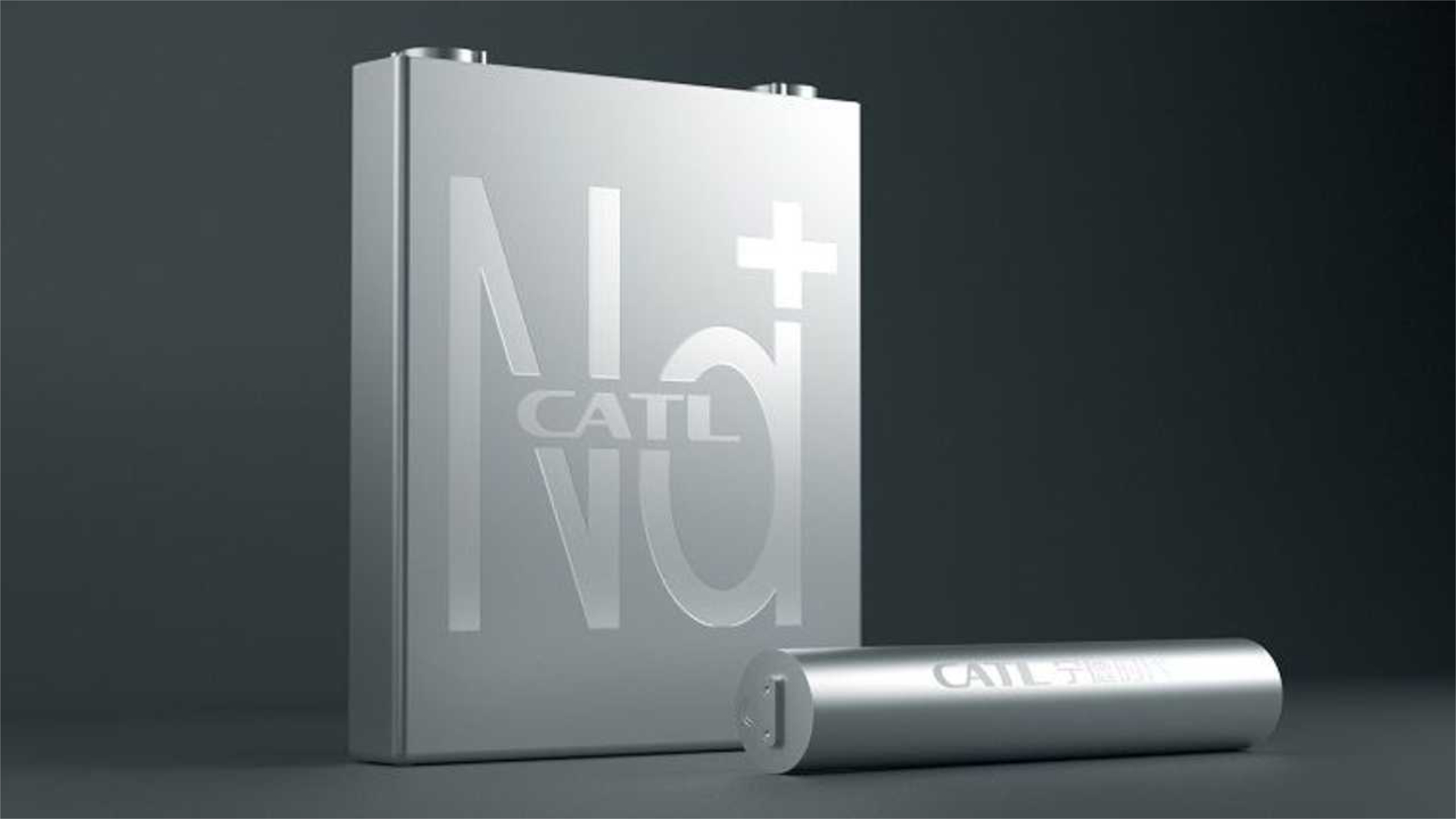
With its NaXin sodium-ion battery, CATL announced a crucial development milestone in spring 2026. Now that the remaining technical hurdles have been overcome, series production is scheduled to begin by the end of 2026. The first vehicles for the European market are expected as early as 2027.
At the same time, BYD is building a dedicated gigafactory for sodium-ion batteries, which are intended primarily for affordable urban vehicles. This cell chemistry is therefore developing much faster than many market observers had expected.
More Affordable, More Sustainable and More Resistant to Cold
Sodium offers several key advantages over lithium. The raw material is available in virtually unlimited quantities worldwide, its extraction has a significantly lower environmental impact, and its material costs are inherently lower than those of lithium. It also offers an exceptionally wide operating temperature range, from −40°C to +70°C. This represents a considerable advantage, particularly in regions with extreme climatic conditions.
According to CATL, the NaXin battery still provides approximately 90% of its available capacity at −40°C, while conventional NMC batteries can lose up to 40% of their performance at temperatures below freezing. The disadvantage, however, remains its lower energy density. Current sodium-ion cells achieve around 175 Wh/kg, compared with approximately 205 Wh/kg for modern LFP batteries and up to 255 Wh/kg for NMC systems. For this reason, the technology will initially become established primarily in compact urban vehicles, where range is less important.
New Challenges for Diagnostics and Workshops
Sodium-ion batteries also change the requirements placed on diagnostic equipment. Their charging protocols differ from those of conventional lithium-ion batteries, and many battery management systems use parameters that are not yet included in older diagnostic systems. A diagnostic tool that has not been updated since 2024 will probably not recognise these vehicles. Workshop equipment will therefore need to be adapted accordingly.
4. Solid-State Batteries – The Next Technological Leap
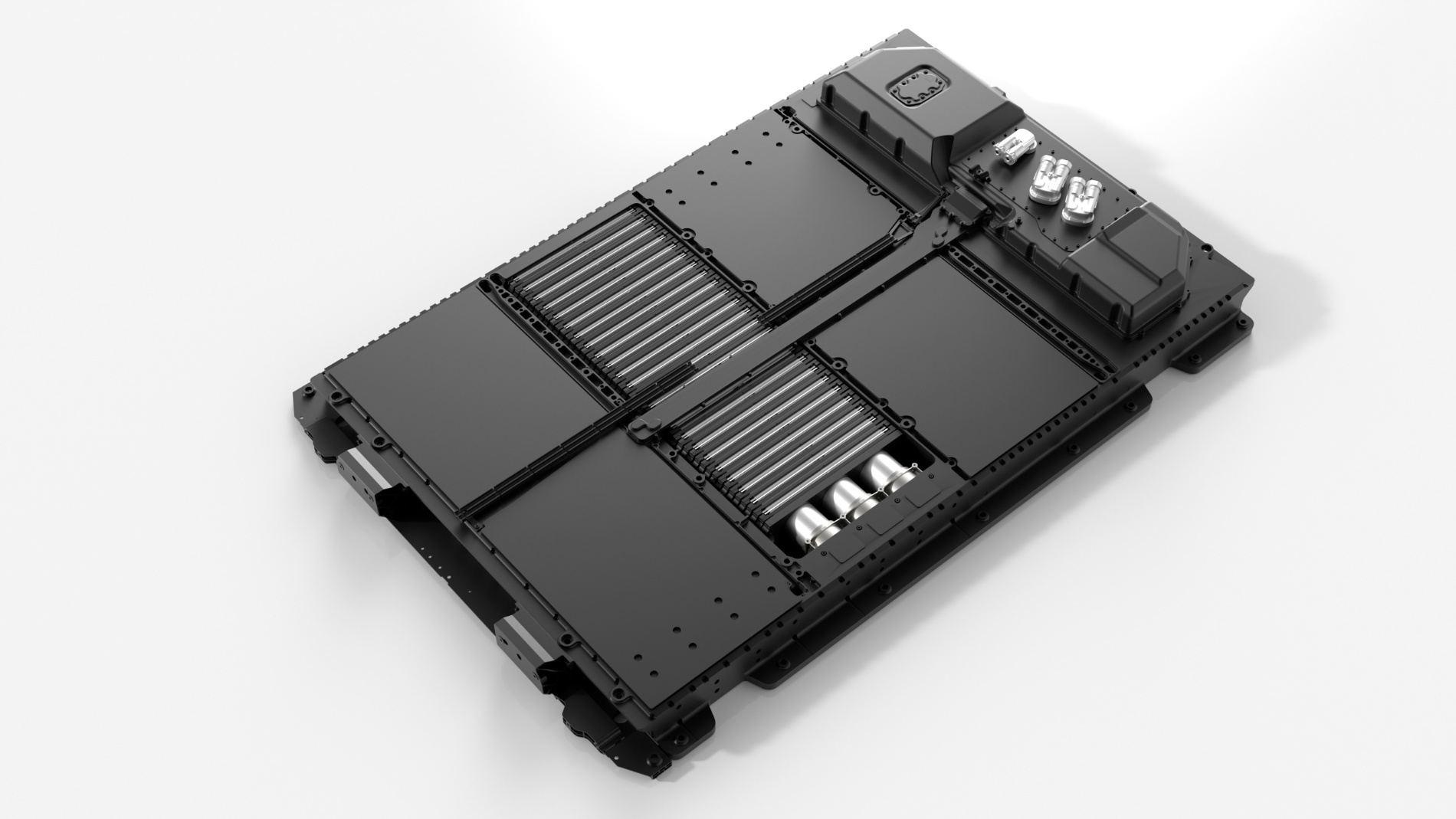
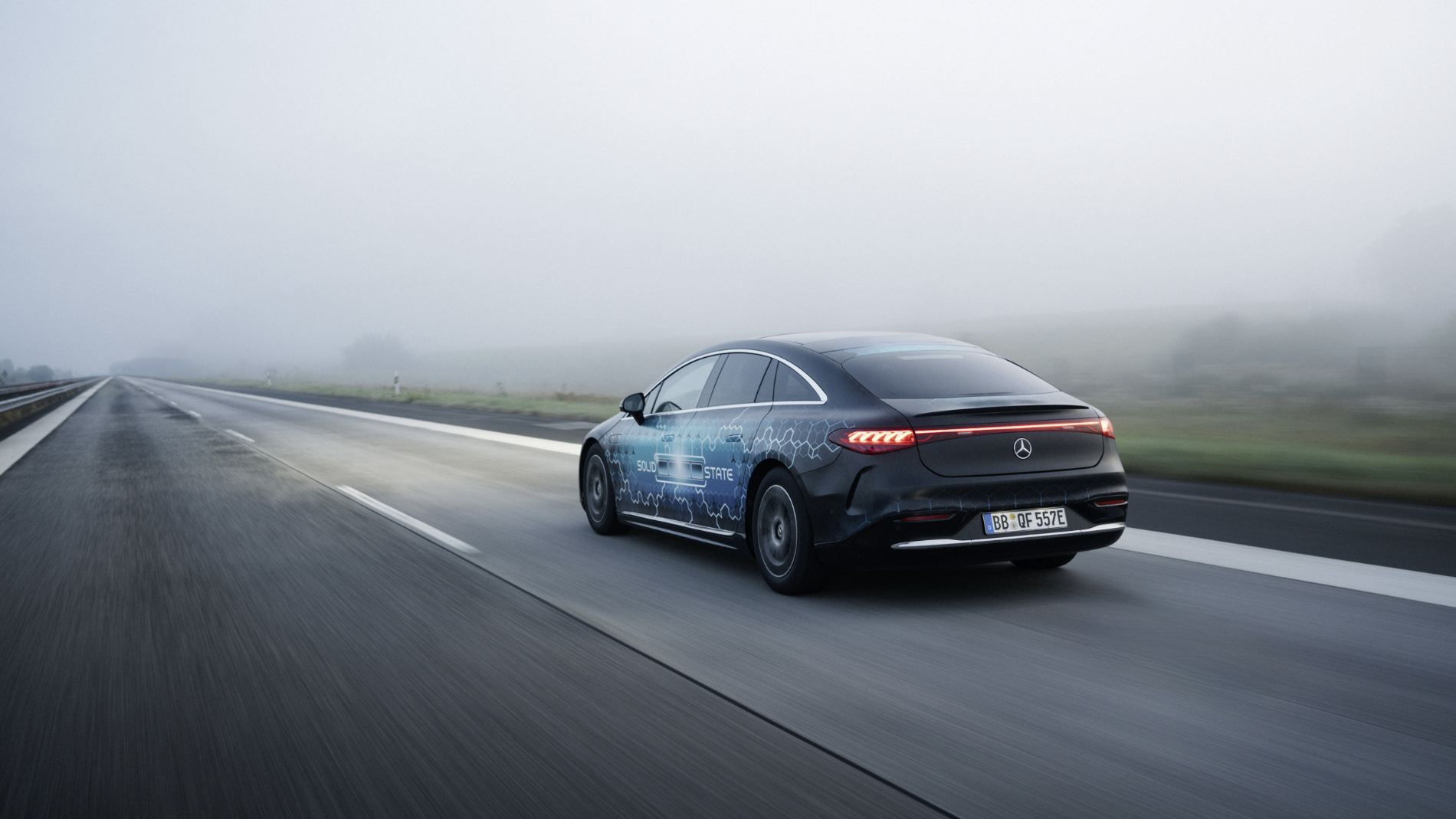
Few battery technologies are currently being discussed as intensively as the solid-state battery. Its market launch is now drawing closer. BYD is planning an initial small production run as early as 2027. Toyota and QuantumScape (Volkswagen) are pursuing similar schedules for the period from 2027 to 2028.
The greatest advantage is an energy density almost twice that of current NMC batteries. At the same time, a solid electrolyte replaces the liquid electrolyte used to date, significantly reducing the risk of fire.
For workshops, however, this certainly does not mean easier repairs. On the contrary, the established methods currently used to assess state of health (SoH) were developed for liquid electrolytes and cannot simply be transferred to solid-state batteries. Diagnostic software, testing procedures and training programmes will therefore require fundamental further development.
Due to the currently high production costs, solid-state batteries will initially be introduced in the premium segment. However, Toyota has already announced plans to expand the technology gradually to additional model ranges between 2027 and 2030. As solid-state batteries become more widespread, independent workshops will increasingly encounter this new battery generation.
800-Volt Systems Are Changing Workshop Requirements
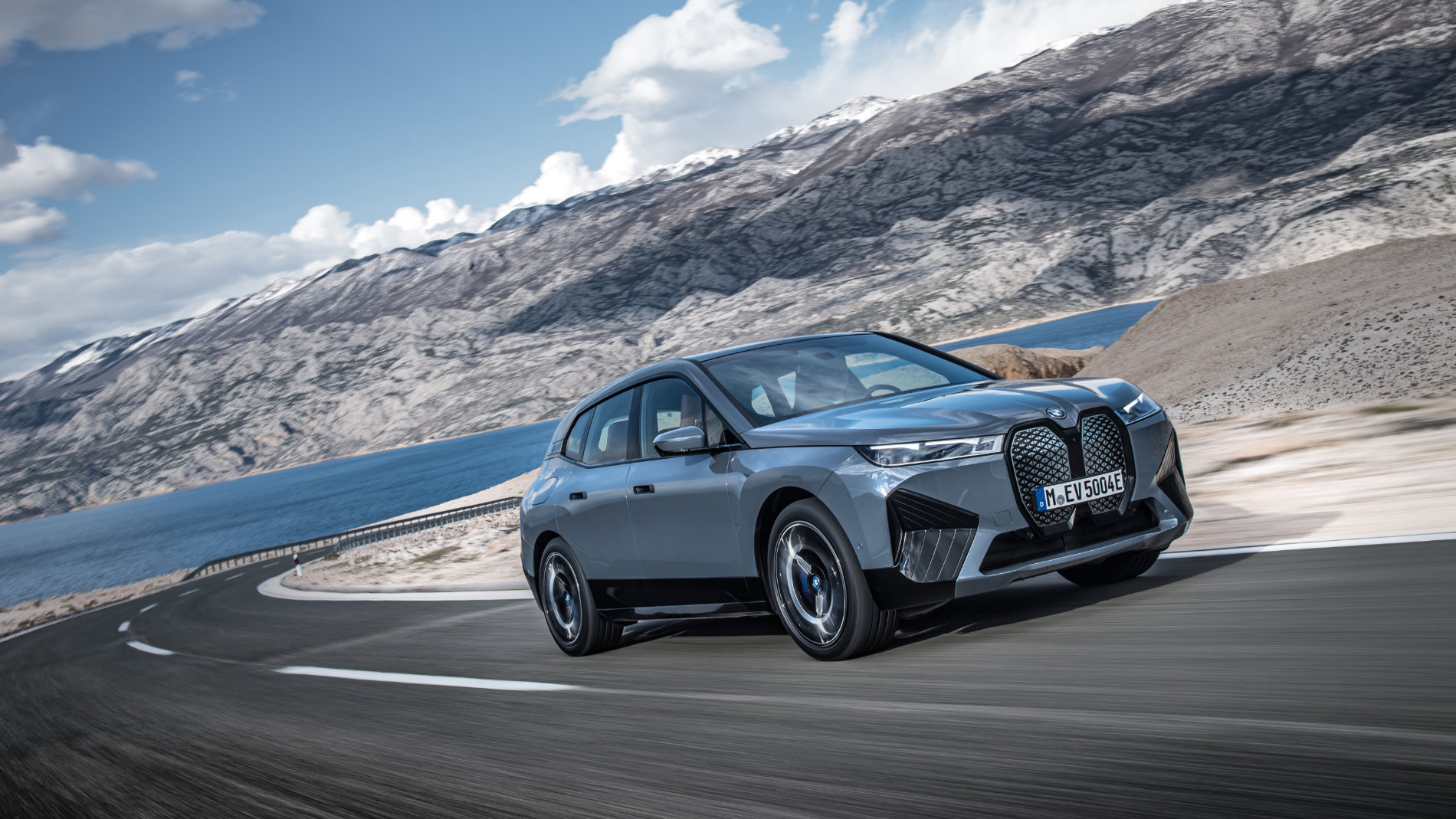
New battery cell chemistries are not the only development transforming electric mobility. 800-volt architectures are also becoming increasingly widespread.
Models such as the Porsche Taycan, Hyundai Ioniq 5, Kia EV6 and Audi e-tron GT are already on European roads. With forthcoming platforms from Volkswagen, Stellantis and other manufacturers, their number will increase significantly over the next few years.
This raises a crucial question for workshops: Are their high-voltage tools and personal protective equipment still suitable for these voltages? Insulating protective gloves are governed by the European standard EN 60903. Class 0 gloves are required for work at voltages of up to 1,000 volts, meaning they are also suitable in principle for 800-volt systems.
However, the correct protection class is not the only decisive factor. The standard also requires regular dielectric testing and specifies fixed replacement intervals. Even gloves with no visible damage may no longer be used once their testing deadline has passed. Insulated tools such as screwdrivers, pliers and socket wrenches must also be certified under EN 60900 for work at voltages of up to 1,000 volts. The use of unsuitable tools may have serious liability consequences for the employer.
Lithium-Sulphur and Lithium-Air – Technologies with a Future
Alongside battery technologies that are already ready for the market, researchers and industry are developing additional cell chemistries with considerably greater potential. One of these is the lithium-sulphur battery (Li-S). Its theoretical energy density is approximately 500 Wh/kg, around twice that of current NMC batteries. Despite promising progress, however, experts do not expect it to be used in series-production vehicles before 2030.
The lithium-air battery is even more ambitious. Its theoretical energy density is estimated at up to 12,000 Wh/kg – a figure close to that of fossil fuels. Current laboratory cells have so far achieved “only” around 1,200 Wh/kg, but even this is several times higher than the energy density of today’s lithium-ion batteries.
In theory, this could enable an electric vehicle with a battery pack weighing only around 500 kilograms to travel more than 500 kilometres – a prospect that clearly demonstrates the potential of this technology. However, it will still take some time before lithium-air batteries are ready for industrial series production.
Your Diagnostic Tool May Be Providing Incorrect Results
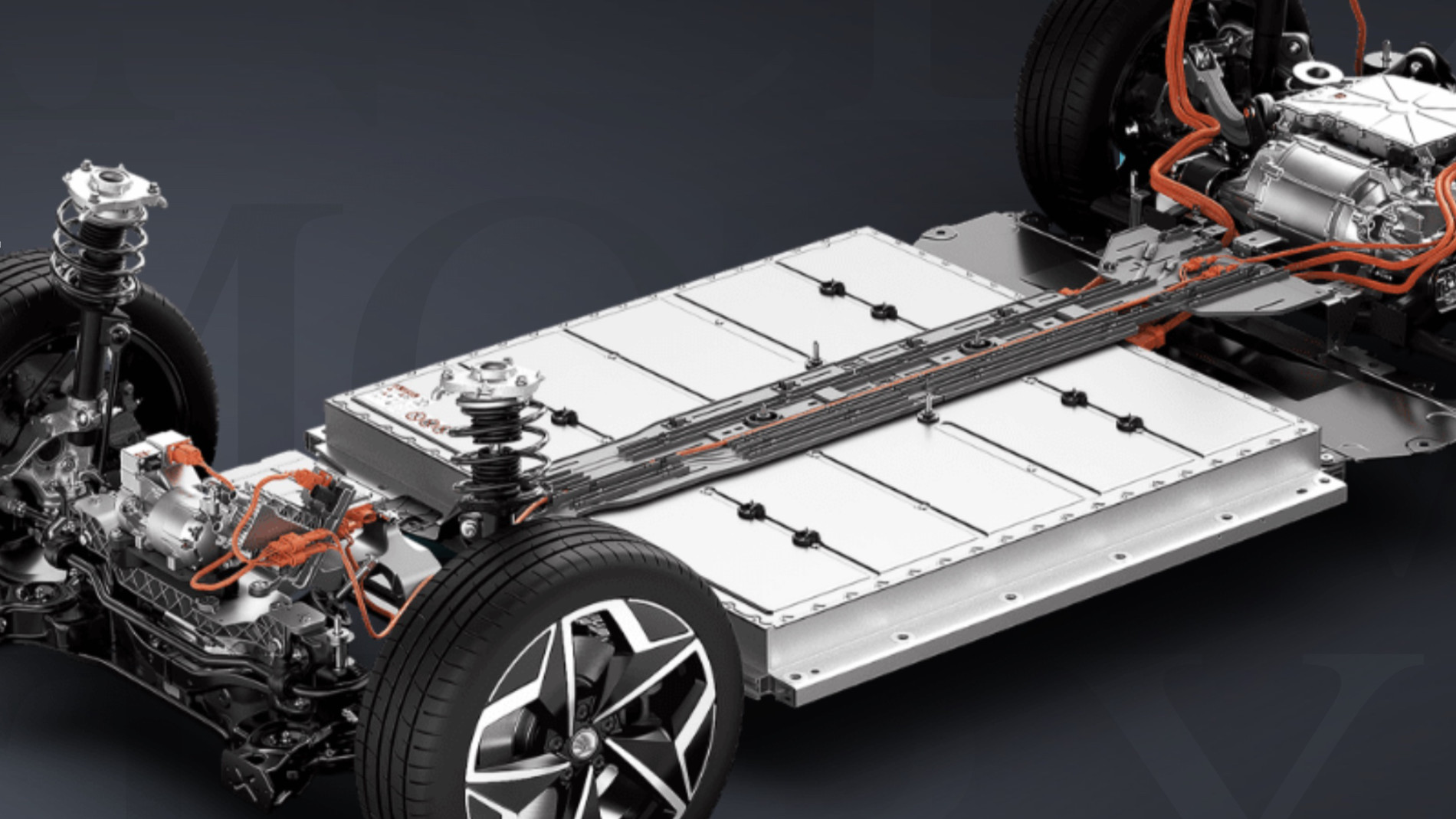
The growing diversity of battery chemistries and vehicle architectures has direct consequences for workshop equipment: A diagnostic tool that is not kept up to date is becoming increasingly blind. Newer vehicles use the CAN FD and DoIP communication protocols. These Ethernet-based standards enable data to be exchanged much faster than with the older CAN protocol. If a tool does not offer native support for these protocols, it cannot access all of the BMS data.
As these protocols have gradually become standard among most manufacturers since 2020, a tool purchased before that date and not subsequently updated will miss certain information because it is simply unable to read it.
The market now offers affordable solutions. UDIAG provides a range of multi-brand diagnostic tools with native CAN FD and DoIP support, covering more than 130 passenger-car brands. At approximately €450, the X-30 represents the professional entry-level option for workshops seeking to service recent vehicles.
However, a more advanced device is required for the comprehensive diagnosis of electric-vehicle high-voltage systems – including the battery, inverter and BMS. The X-95 PRO kit with the EV950 module is available for €2,400 plus VAT. UDIAG describes it as the most affordable solution on the market for this level of diagnostics.
Through its ESI[tronic] 2.0 Online software, Bosch enables workshops to read the state of health (SoH) of high-voltage batteries from 17 vehicle manufacturers and generate a battery health certificate. This solution is aimed at workshop networks and businesses that are already equipped with Bosch diagnostic tools.
AVILOO complements the available solutions with a different approach: An OBD device produces a battery state-of-health certificate in three minutes, regardless of the vehicle manufacturer or battery chemistry.
As already mentioned, however, the question is not only which tool to purchase, but also how frequently it needs to be updated. That is the real challenge.