Tyre Recycling: A New Model from Sweden and Norway
30 Jul 2026
Swedish Tyre Recycling is developing its role in the Nordic end-of-life tyre chain from collection and compliance towards raw-material supply. The organisation has started a new collaboration with Norwegian Tyre Recycling to build a more industrial model for tyre recycling in the Nordic region.
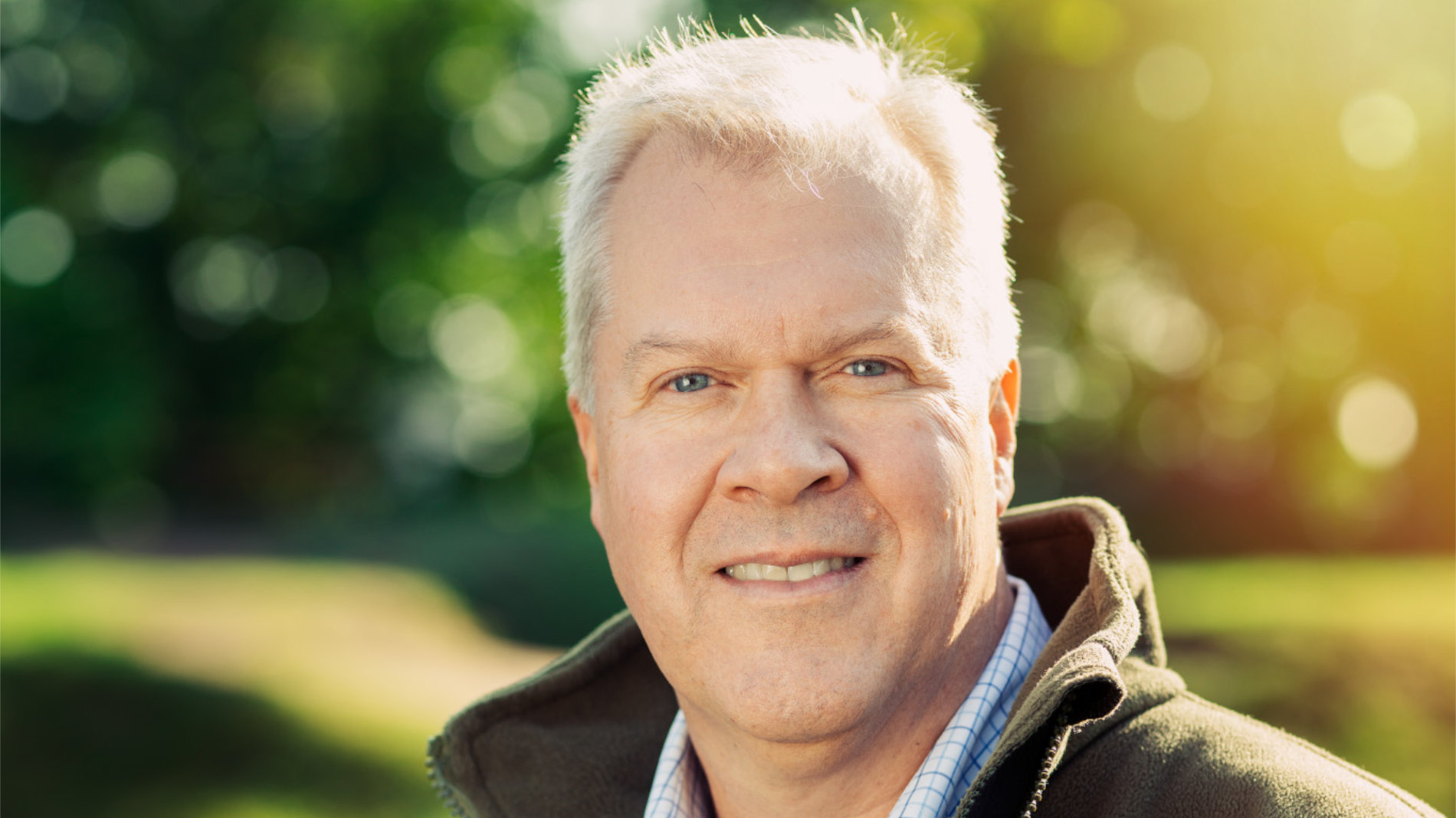
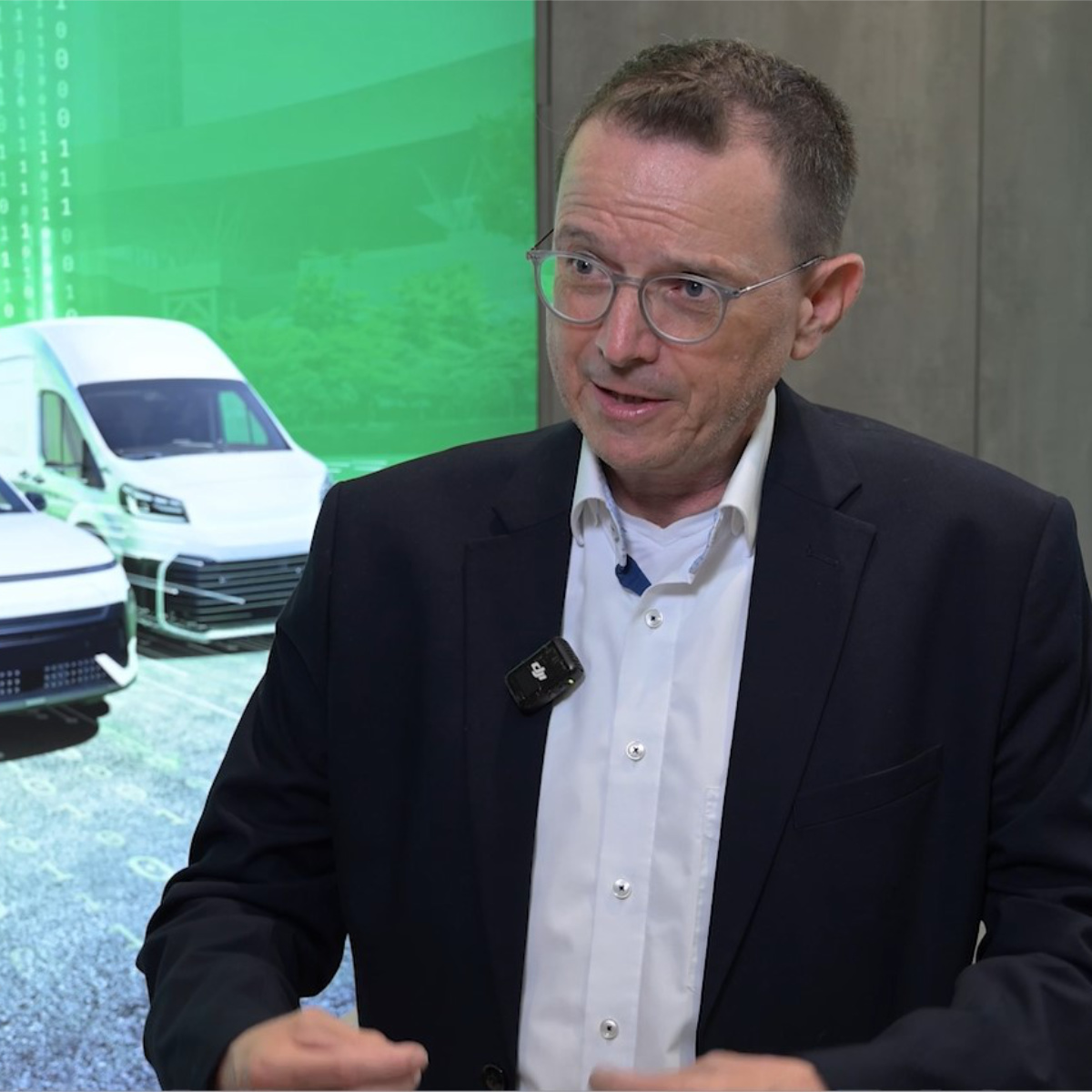
In an interview with Gateway to Automotive correspondent Valentina Ahlavuo, Swedish Tyre Recycling CEO Fredrik Ardefors explains why the organisation is moving beyond a traditional model based mainly on producer responsibility and subcontracted processing. The future model, he underlines, depends on material ownership, critical mass, sorting before processing, customer-specific fractions and a more commercial view of tyre-derived rubber, steel and textile.
Results that can be measured
In 2025, Swedish Tyre Recycling collected 94,060 tonnes of end-of-life tyres, compared with 86,927 tonnes in 2024. A total of 13,996 collections were carried out, and the organisation had 5,860 affiliated collection points at the end of the year.
The volume of end-of-life tyres recycled and delivered in 2025 was 103,990 tonnes, compared with 75,541 tonnes in 2024. The share of material recycling reached 75 percent. According to Swedish Tyre Recycling, material recycling in Sweden has increased from just over 30 percent in 2022 to approximately 75 percent.
Time to rethink
Ardefors describes tyre recycling as an industry with a long history, but not necessarily a long tradition of innovation. This is the starting point of Swedish Tyre Recycling’s current development process. The organisation is not questioning producer responsibility as the foundation of the system. The issue is what the system is able to deliver after tyres have been collected.
For Ardefors, the question is whether end-of-life tyres should remain mainly a cost to be managed, or whether they can be developed into a more valuable material flow. The answer requires a change in both operations and mindset.
Attitudes as a business issue
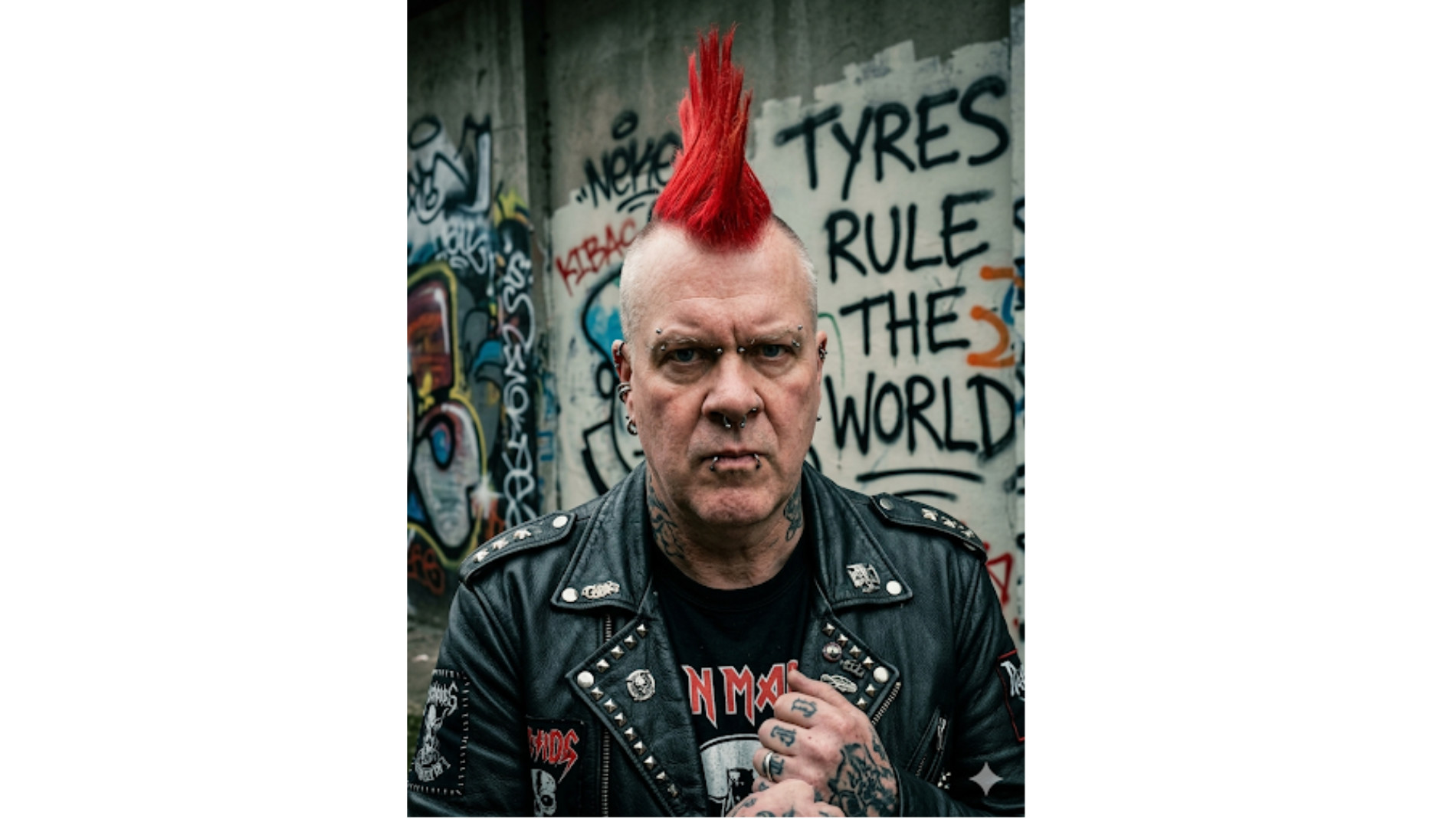
The 2025 Annual Report from Swedish Tyre Recycling is themed around ‘Attitudes’ and bears the headline: ‘No fear. No limits. No excuses.’ Next to this is an image of a punk welcoming the readers. According to Ardefors, this attitude is intended less as an advertising slogan and more as a challenge to those in leadership roles: it is about having the courage to question an established business model and build a new one. “We’d had enough of excuses and decided to take action. This attitude applies not only to communication, but above all to defining our own role within the value chain,” says Ardefors.
If tyres are seen mainly as waste, the system is built around collection and cost control. If they are seen as secondary raw material, the system must also be built around quality, documentation, processing and customer demand.
Why the traditional model gives limited incentives
Producer responsibility has made tyre collection possible and stable. In Sweden, almost seven million tyres reach end-of-life each year, generating more than 90,000 tonnes of tyre material. The system ensures that tyres placed on the market are collected and handled when they are no longer used. Ardefors’s criticism is directed at the next step: what happens if the system is treated mainly as a financed collection and processing obligation.
“So far, everybody has been looking at collection of tyres and processing as subsidised activities. You get the subsidy from the EPR system, but it is not giving any incentives.”
In the traditional model, collection and processing are often contracted out for limited periods. Ardefors says this can secure day-to-day operations, but it also creates a narrow business logic. The result, according to Ardefors, is that development becomes impossible.
If a processor invests in a new machine under a five-year contract, the investment has to be depreciated within that time. That increases the cost. When the next contract period begins, the same logic can appear again. “So we said: let us have eight or ten years in our mind. We own the material, we get the critical mass.”
Building tyre recycling as a business model
The turning point for Swedish Tyre Recycling was to ask whether tyre recycling could be organised more like a raw-material business. “I was asking this question: why aren’t we looking at this as an ordinary business?”, Ardefors says.
In practice, this means building more than a collection system. Swedish Tyre Recycling’s model is increasingly based on functions normally associated with an industrial supplier: marketing, sales, production, logistics, research and development, quality, IT, HR, finance and customer service. “If you want to build a business, you cannot rely on subsidies,” Ardefors says. “You have to prove yourself.”
This does not remove producer responsibility from the system. It changes what producer responsibility is used to enable.
The aim is not only to collect tyres efficiently, but to increase the value of the material after collection.
The long-term target described by Swedish Tyre Recycling is to create such high and sustainable raw-material value that recycling fees for companies placing tyres on the market could eventually be reduced or removed. That remains a strategic ambition, but it explains the direction: from cost coverage towards material value.
For Ardefors, two conditions are central: volume and control over the material. “We made some calculations and realised that you need a basic volume. You need critical mass to build an organisation like this,” he says. “The capacity of Sweden alone was not enough.”
Sweden’s annual volume of end-of-life tyres is substantial, but Ardefors argues that the next development step requires a larger base. That is one reason why cooperation with Norwegian Tyre Recycling became important. Together, Sweden and Norway generate around 150,000 tonnes of end-of-life tyres per year.
Bon Orbit is one of the practical tools behind Swedish Tyre Recycling’s new operating model created together with Norway. The company is a joint venture between Swedish Tyre Recycling and Norwegian Tyre Recycling. It was previously wholly owned by Swedish Tyre Recycling, but Norwegian Tyre Recycling became a co-owner when the new Sweden–Norway cooperation structure was created.
The collaboration is unique because it combines two national producer-responsibility systems with one shared operational and commercial platform. Producer responsibility remains national: Swedish Tyre Recycling continues to be responsible for Sweden, while Norwegian Tyre Recycling remains responsible for Norway. Bon Orbit coordinates the operational and commercial side: raw-material flows, industrial processing, customer-specific fractions and market development.
Together, Sweden and Norway generate approximately 150,000 tonnes of end-of-life tyres per year. Bon Orbit gives the two markets a shared industrial platform while keeping the national producer-responsibility systems separate.
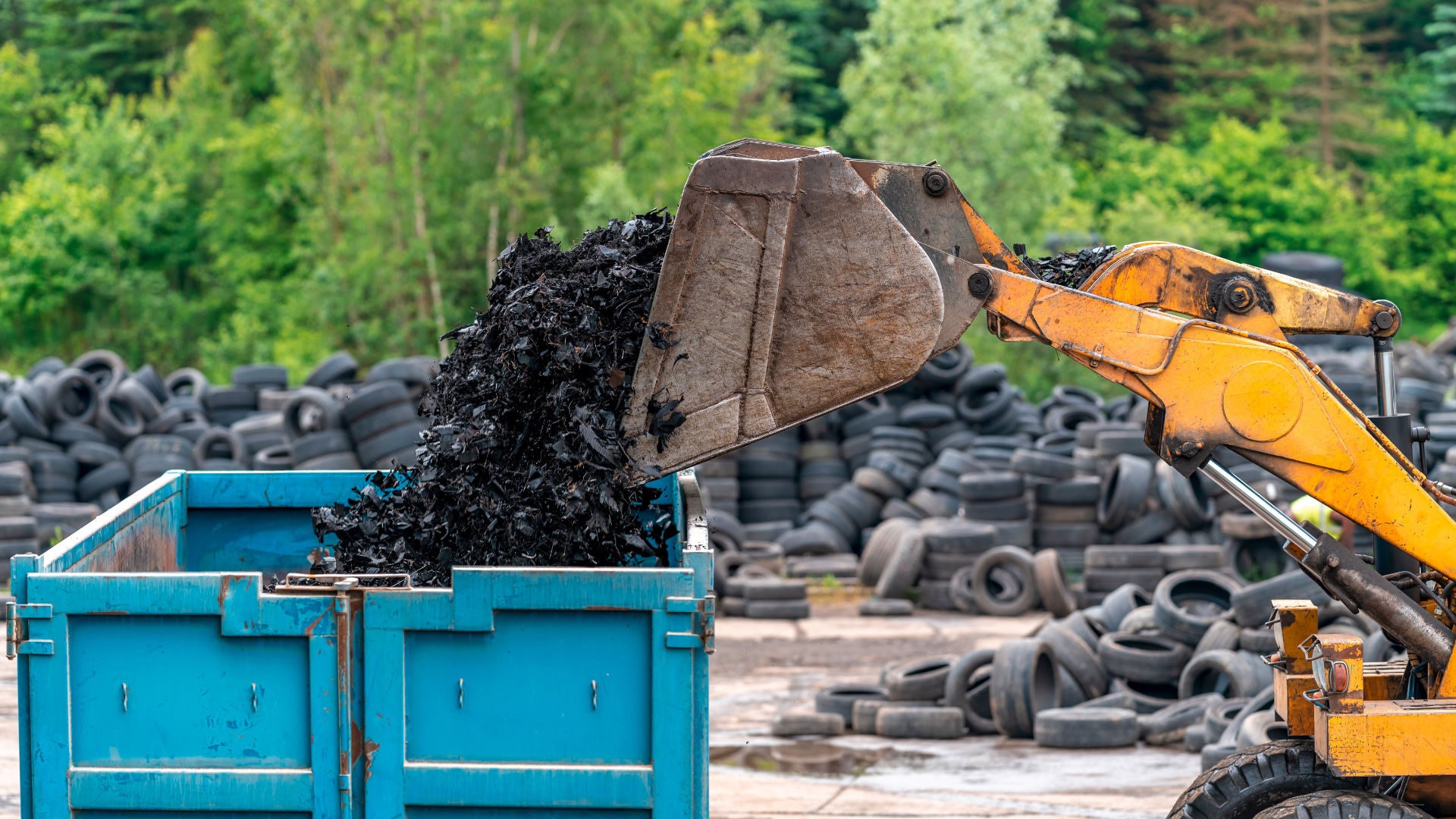
According to Swedish Tyre Recycling, Bon Orbit is building Europe’s largest indoor production facility for recycled tyre materials in western Sweden. The facility, located in the former Saab factory in Trollhättan, is expected to be commissioned in autumn 2026. Industry reporting states that it will be able to process up to 100,000 tonnes of tyres per year, equivalent to around six million tyres, at a rate of approximately 1,000 cubic metres per day. The site covers around 40,000 square metres indoors and 15,000 square metres outdoors, and is expected to create 20–30 new jobs. For Ardefors, the significance of Bon Orbit is not only the additional capacity. The main issue is what tyre recycling can deliver when the material is sorted and specified before processing.
The aim is to recover higher-quality material fractions that are more environmentally sound and yield higher returns.
Different tyre categories contain different rubber compounds and behave differently in downstream applications. If tyres are shredded before they are identified and sorted, much of that information is lost. “You have to sort the tyres before you cut them. Otherwise, you cannot identify them afterwards,” Ardefors says. This is the basis for Bon Orbit’s “single malt” and “customer blend” approach. The terminology is unusual, but the business logic is straightforward. A mixed pile of shredded tyres has limited value. A documented and selected fraction can be developed into a raw material.
For pyrolysis companies, for example, the right mix of passenger car tyres, truck and bus tyres, and larger tyres can be important for process stability and for the quality of recovered carbon black. In this model, tyre recycling moves closer to raw-material supply: the value is not only in collecting the tyres, but in knowing what the material is, how it has been processed and where it can be used.
Ardefors uses pyrolysis as one example of why material specification matters. Pyrolysis companies are trying to recover carbon black, oil, limonene and steel from end-of-life tyres. Some of these materials may be used again in tyre manufacturing or retreading, but the process is sensitive to input quality. According to Ardefors, some pyrolysis companies cannot make their process work unless they receive a specific ratio of passenger car tyres, truck and bus tyres, and larger tyres. “If the ratio was wrong, they had too much sludge or ash in the carbon black,” he says.
This shifts part of the process responsibility upstream. The recycling organisation is no longer only supplying shredded tyre material. It is helping define the input material that makes the customer’s own process work. For Ardefors, this is where the market-driven model becomes concrete. “There is a market,” he says. “But only if it is high quality and you know exactly which tyres are in it. Not the market mixture, but the cherry-picking.”
The model also depends on documentation. If tyre-derived materials are to be sold as industrial raw materials, customers need information on origin, content, quality and safety. One part of this work is CERUB, an international traceability scheme for materials recovered from used tyres. It has been initiated in cooperation between tyre recycling organisations in Sweden, Finland, Norway and the Netherlands, and is linked to transparency, documentation and the ambition to support End-of-Waste classification.
Another part is knowledge development. Swedish Tyre Recycling has developed the End-of-Life Tyre Research Portal, ELTRP, to gather research and project information on recycled raw materials from tyres. The organisation is also involved in international work related to standardisation, digital product passports and industry exchange through forums such as Tyres Europe. For Ardefors, this wider context matters because the raw-material model depends on confidence. Customers, regulators and producer-responsibility organisations need a common language for quality, safety and use.
The interview also shows that Ardefors sees the development as an organisational issue, not only a technical or commercial one. The model is complex, and the knowledge cannot remain with one person. “I have been marinating them with this kind of thinking and talking almost every day, because it takes time,” he says. He also brings colleagues into international meetings and industry discussions, allowing them to build networks and understand the wider context.
“When you build a business organisation, you also have to build people and build a culture of the right attitude,” Ardefors says. He is careful to distinguish this from simply reproducing his own views: “I am not brainwashing them,” he says. “But I am giving them all those perspectives.”
“There is a market, but only if it is high quality and you know exactly which tyres are in it. Not the market mixture, but the cherry-picking.”
From mixed material to higher-value applications
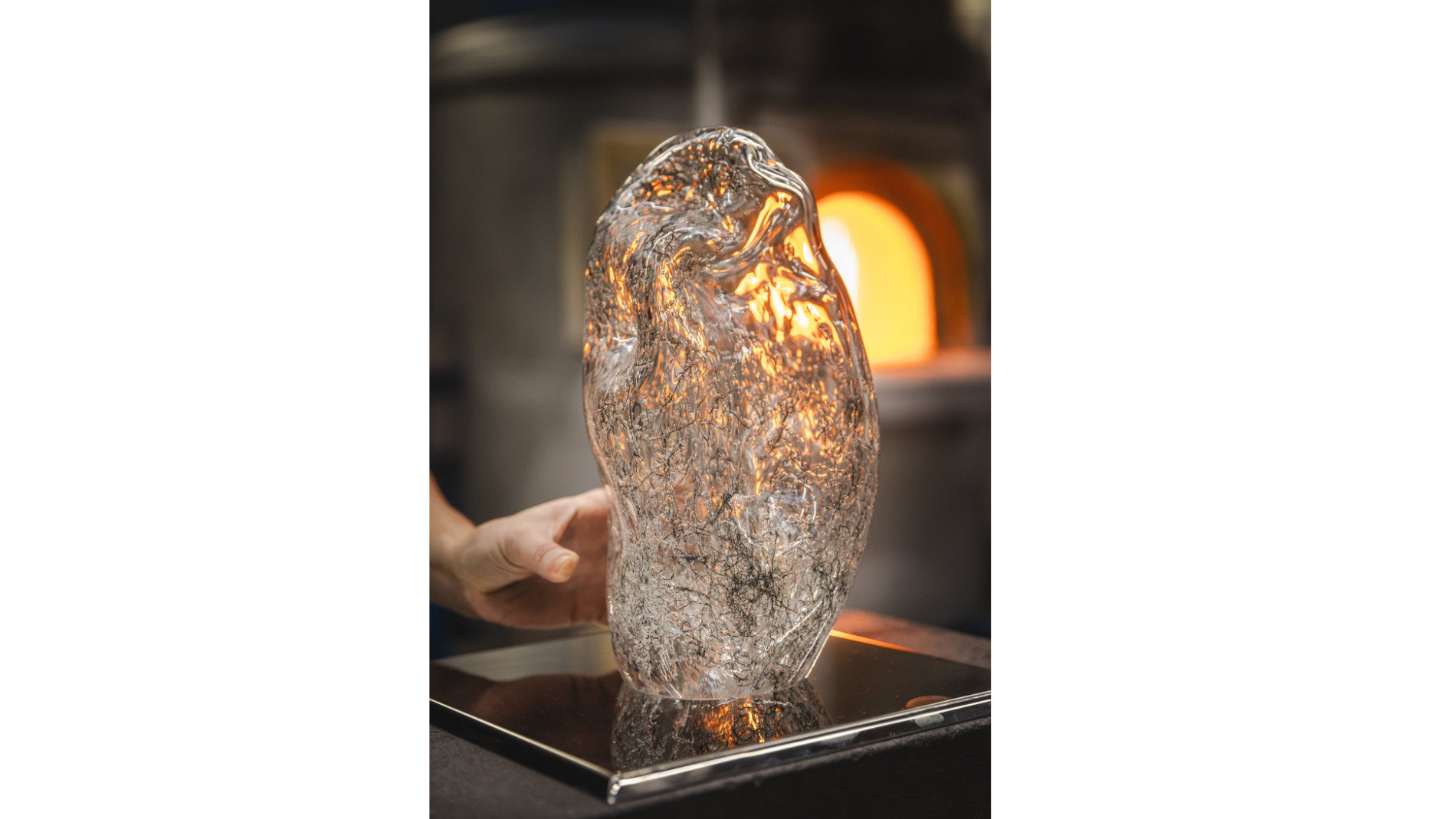
The artist Lisa Hartwig Ericson has created a glass sculpture using steel threads from recycled tyres.
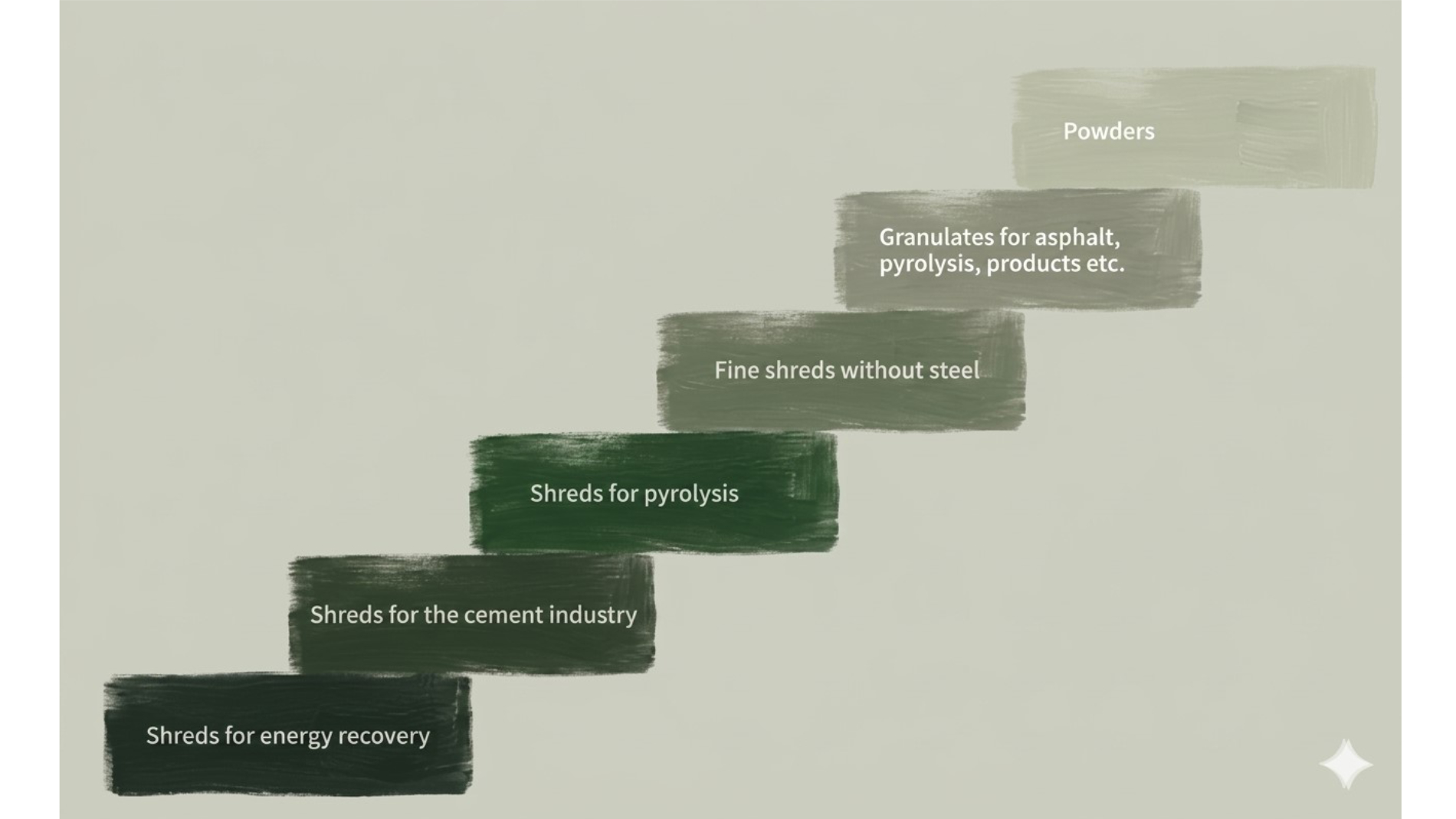
The economic range can be significant. Ardefors gives a simple example: mixed tyre-derived material sent to cement production may still carry a cost, while a fine powder made from selected truck tyres can have a much higher value.
The point is not that all material should go to the highest-paying outlet. Swedish Tyre Recycling’s model also includes criteria for good recycling. These include societal benefit, reduced use of virgin resources, safe use, life-cycle assessment, best use of the material, impact on ecosystems and the carbon cycle, continued circularity, certification and a clear chain of responsibility to the next application.
This is important for understanding the future model. Market orientation does not mean selling material anywhere. It means developing applications where tyre-derived rubber, steel and textile have both technical relevance and environmental logic.
The potential application areas are broad: asphalt, construction, rubberised concrete, sport and leisure surfaces, 3D printing, water purification, pyrolysis, energy and cement. In Ardefors’s model, these are possible markets for defined raw-material fractions.
A future model for end-of-life tyres
Swedish Tyre Recycling’s development is creating a new business model using producer responsibility as a platform for creating a sophisticated material industry. The model begins with national responsibility for collection and recycling. It then adds a sustainable investment into recycling business, control over material flow, industrial processing, sorting before cutting, customer-specific fractions, traceability and market development. That is the shift from tyre collection to a new era of recycled raw-material supply. For Ardefors, this is the direction tyre recycling must take if it is to create both environmental and economic value.
Publisher of RVK Uutiset, EV FINLAND, and automediat.com
Covering news and events across Northern Europe for Gateway, with a focus on the Independent Aftermarket, electric vehicles, workshops, and tire retail in Scandinavia. Well-connected in the Nordic auto scene and always up for networking.