Reading time: 3 minutes
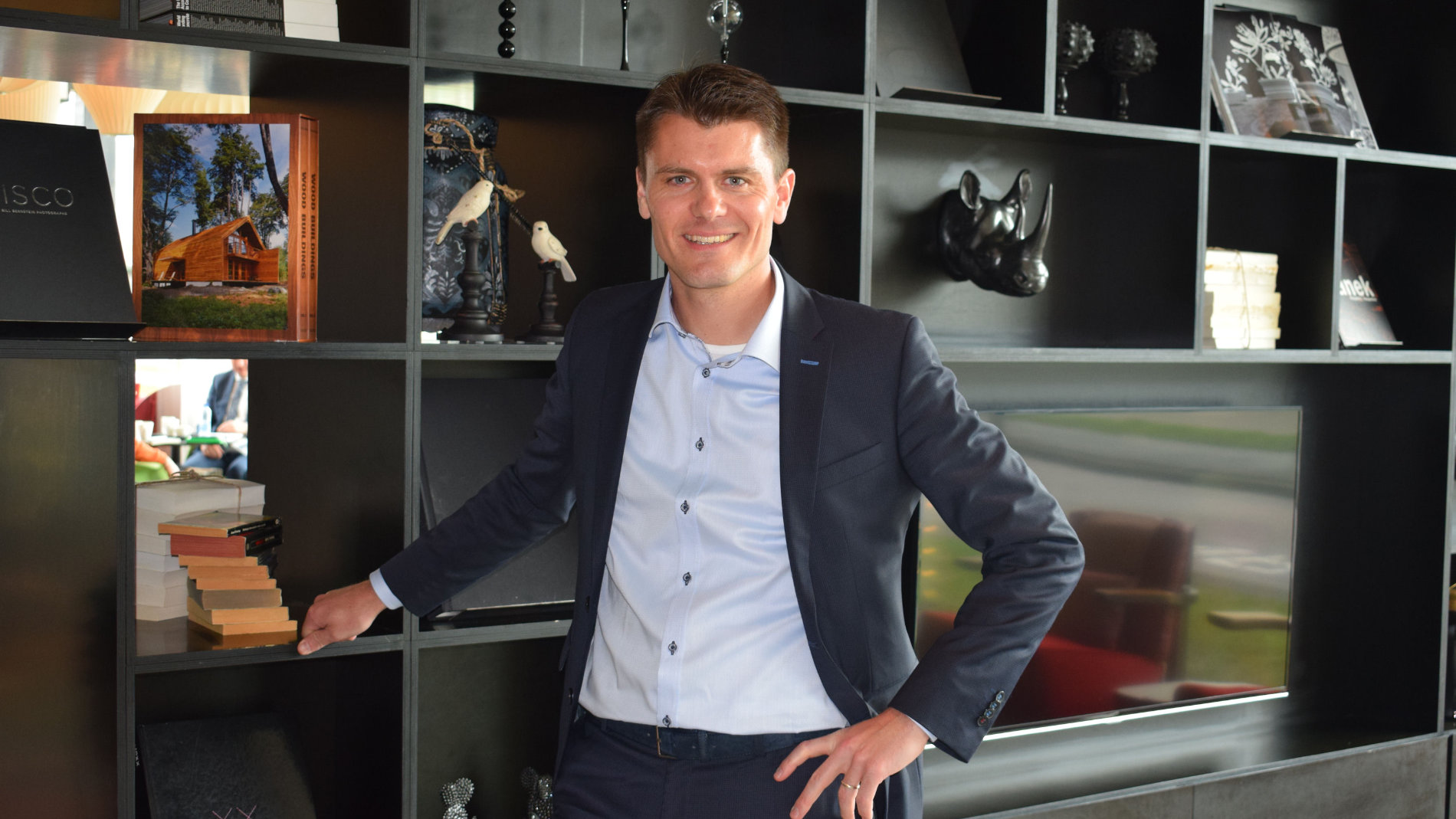
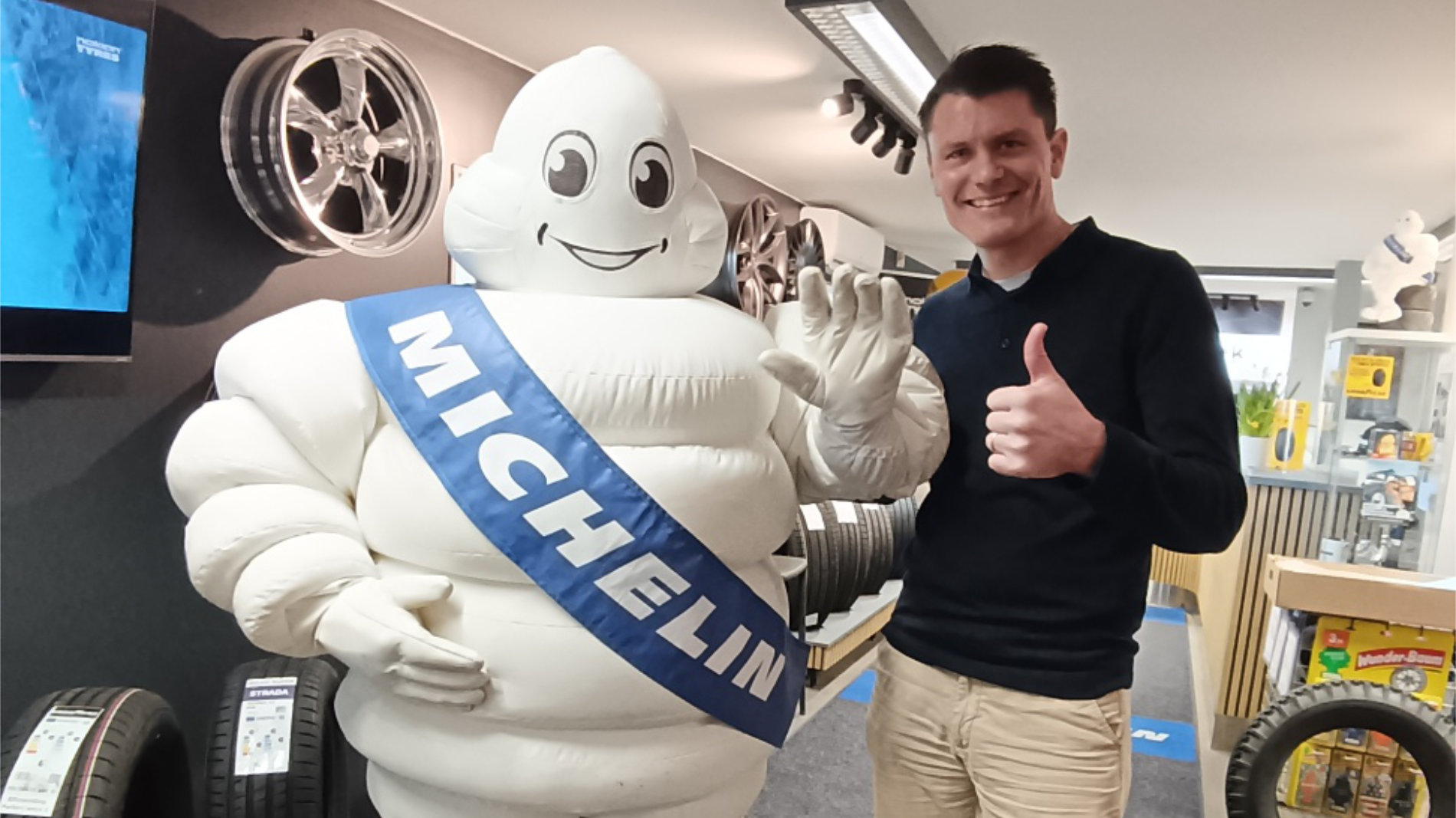
We spoke with European tire buyer Rutger Veerman (VIMEXA), who has more than 20 years of experience in the tire business and works across all market segments, from budget to premium tires. He has tyre companies in both The Netherlands and Finland.
The EU has now imposed tariffs on Chinese passenger car tires. What has changed in the market since then?
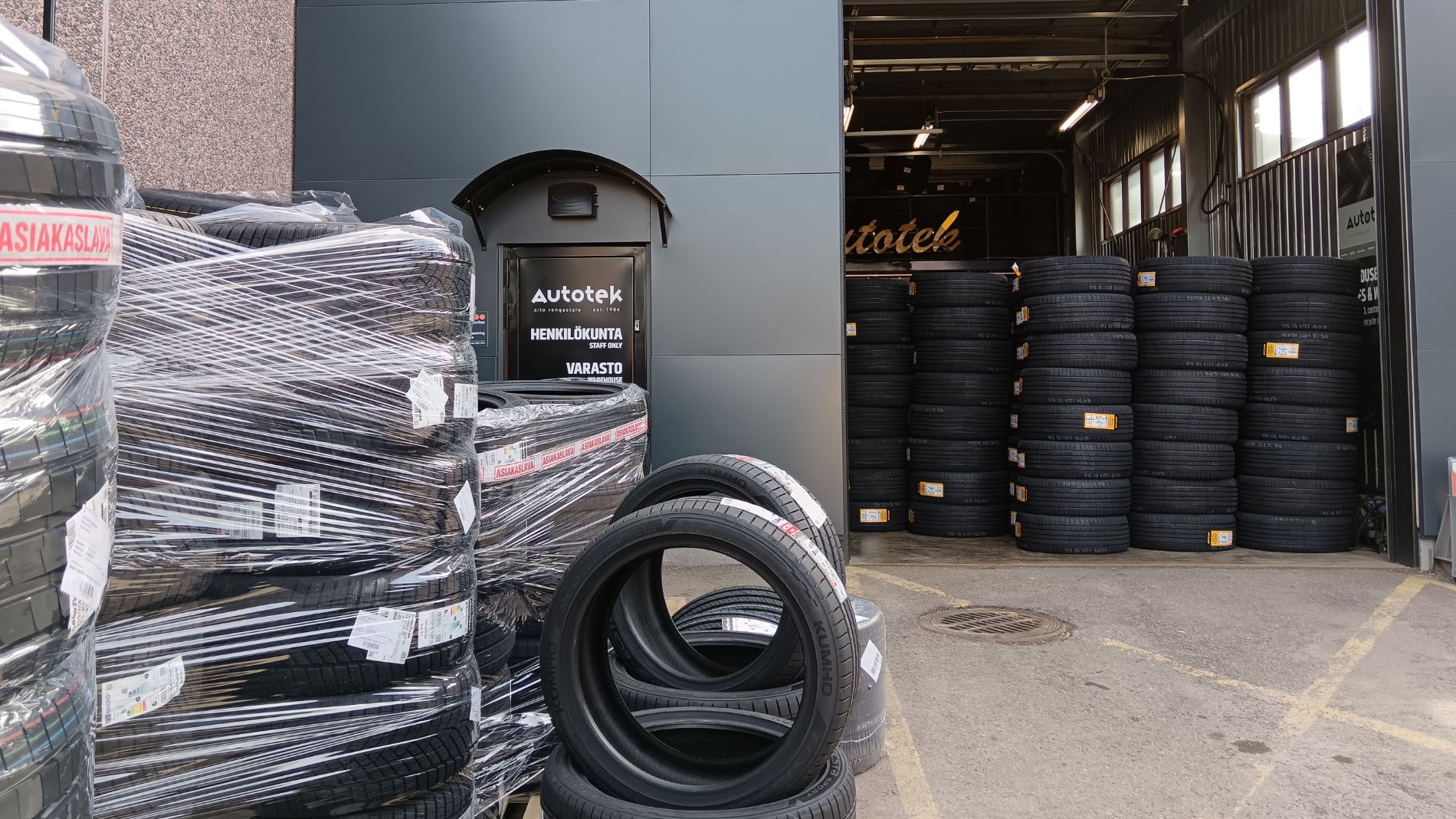
Rutger Veerman: There has been a lot of uncertainty among both European importers and Chinese manufacturers. Even before the tariffs came into force, many large European buyers reacted by purchasing huge volumes of tires last year. Warehouses were filled to capacity, and companies even rented additional storage space. Since October, however, very few companies in Europe have continued buying Chinese tires because of the risks and uncertainty surrounding the tariffs.
Last year, more than 100 million Chinese passenger car tires were imported into Europe, accounting for roughly 25 percent of the EU market. At the moment, there is no alternative production base capable of replacing that total volume. European manufacturers alone would not be able to meet demand, which could lead to shortages and higher prices across all market segments.
“Over the past decade, imports of Chinese car tires into Europe have increased enormously.”
Could higher prices also benefit tire sellers?
Rutger Veerman: Not necessarily. We also source products from China and have customers waiting for deliveries, so the tariffs create major complications for our business. We now need contingency plans and alternative sourcing strategies. Chinese manufacturers have already started relocating and increasing production to countries such as Vietnam, Cambodia, Thailand, and Indonesia. However, these factories are not yet capable of handling such large production volumes. Building up that capacity will take at least two to three years.
Is there a risk of tire shortages in Europe?
Rutger Veerman: Especially in the budget segment, yes. In the short term, let’s say until Q3- 2026, the market is still sufficiently supplied because many warehouses remain overstocked. But later on, shortages could become a serious issue. The key question is whether these tariffs will truly help European manufacturers or simply create additional problems for distributors and consumers. If Chinese companies eventually move production elsewhere in Asia, the overall market dynamics may not change significantly.
How would you describe the quality of Chinese tires today?
Rutger Veerman: Twenty years ago, the quality was poor. But today, Chinese manufacturers have improved tremendously. Many factories use highly advanced machinery from Europe and invest heavily in research and development. In some cases, the production technology in Asia is even more modern than the equipment used in European factories. The quality gap has narrowed considerably.
What have you learned from working with Chinese suppliers?
Rutger Veerman: I’ve worked with Chinese companies for two decades and visited many factories. Business culture is different from Europe, especially when it comes to negotiations. Building trust and maintaining long-term relationships are extremely important. Face-to-face meetings matter a lot. Visiting factories, showing interest, and maintaining regular business relationships are essential for successful cooperation.
What lessons can be learned from the truck tire market?
Rutger Veerman: We have already seen a similar development with truck tires. Chinese manufacturers shifted production to countries where tariffs did not apply, such as Vietnam and Thailand. As a result, the market adjusted rather than fundamentally changing. The same could happen with passenger car tires. If Asia becomes more restricted, manufacturers may eventually establish production facilities in places like Serbia, Slovakia, Romania or Morocco. Chinese companies are highly ambitious and adapt very quickly.
How are your Chinese partners reacting to the tariffs?
Rutger Veerman: They panic for a week — and then they start making new plans. They immediately begin looking at how to shift production capacity and resources to other countries outside China.