Car service well positioned: benefiting from faulty electric cars
1 Jul 2026
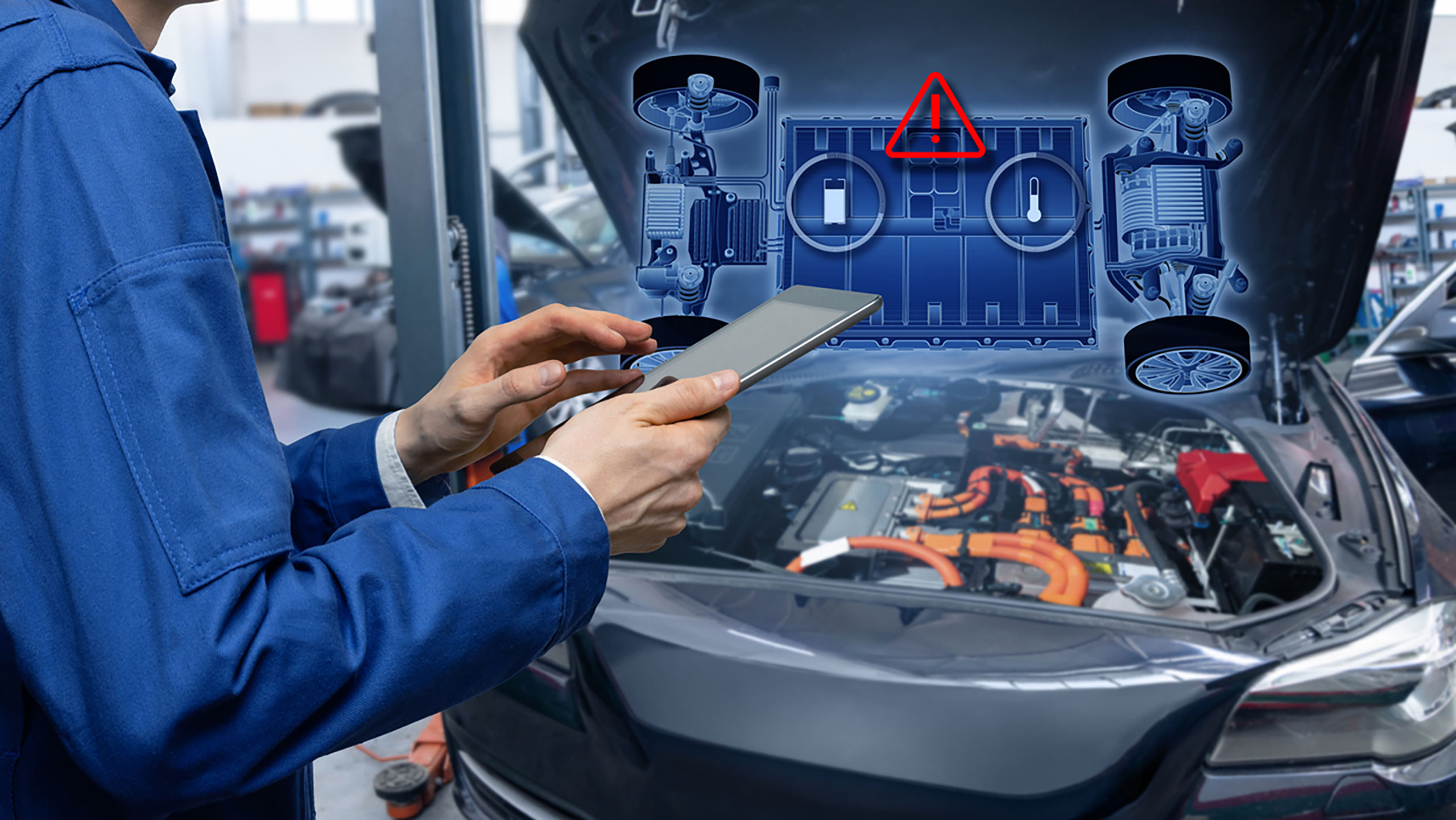
Electric mobility has become an everyday occurrence in workshops. While registration figures continue to rise, the after-sales market is playing an active role in the transition from a market dominated by internal combustion engines to one with a mixed fleet.
For B2B decision-makers, the question is no longer whether they need to adapt to new technologies, but how they can optimise their processes, tools, and business models while continuing to operate.
Experience shows that the electric car is not a ‘maintenance killer’, but rather represents a shift in value creation. Workshops and car dealerships must adapt to new service requirements and a technical gap. Those who prioritise efficiency, diagnostic expertise and predictive maintenance will establish a profitable market position.
Mechanics vs. Electronics: What’s here to stay, and what’s on the horizon?
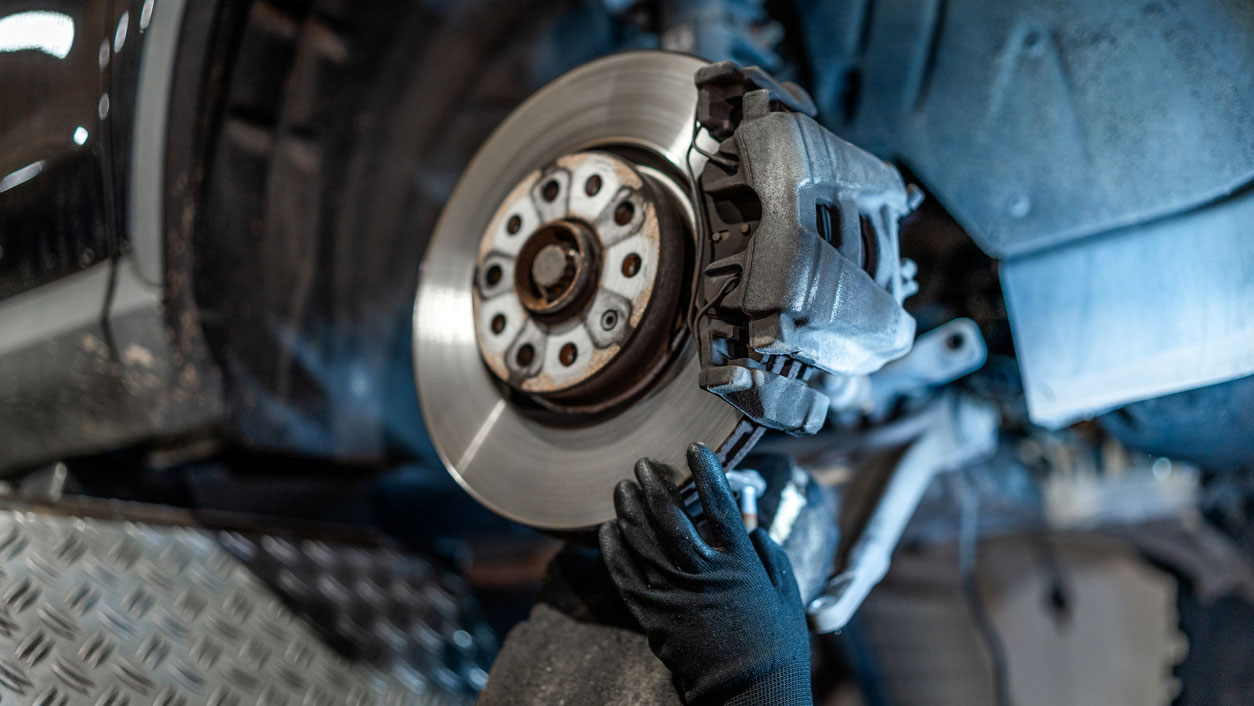
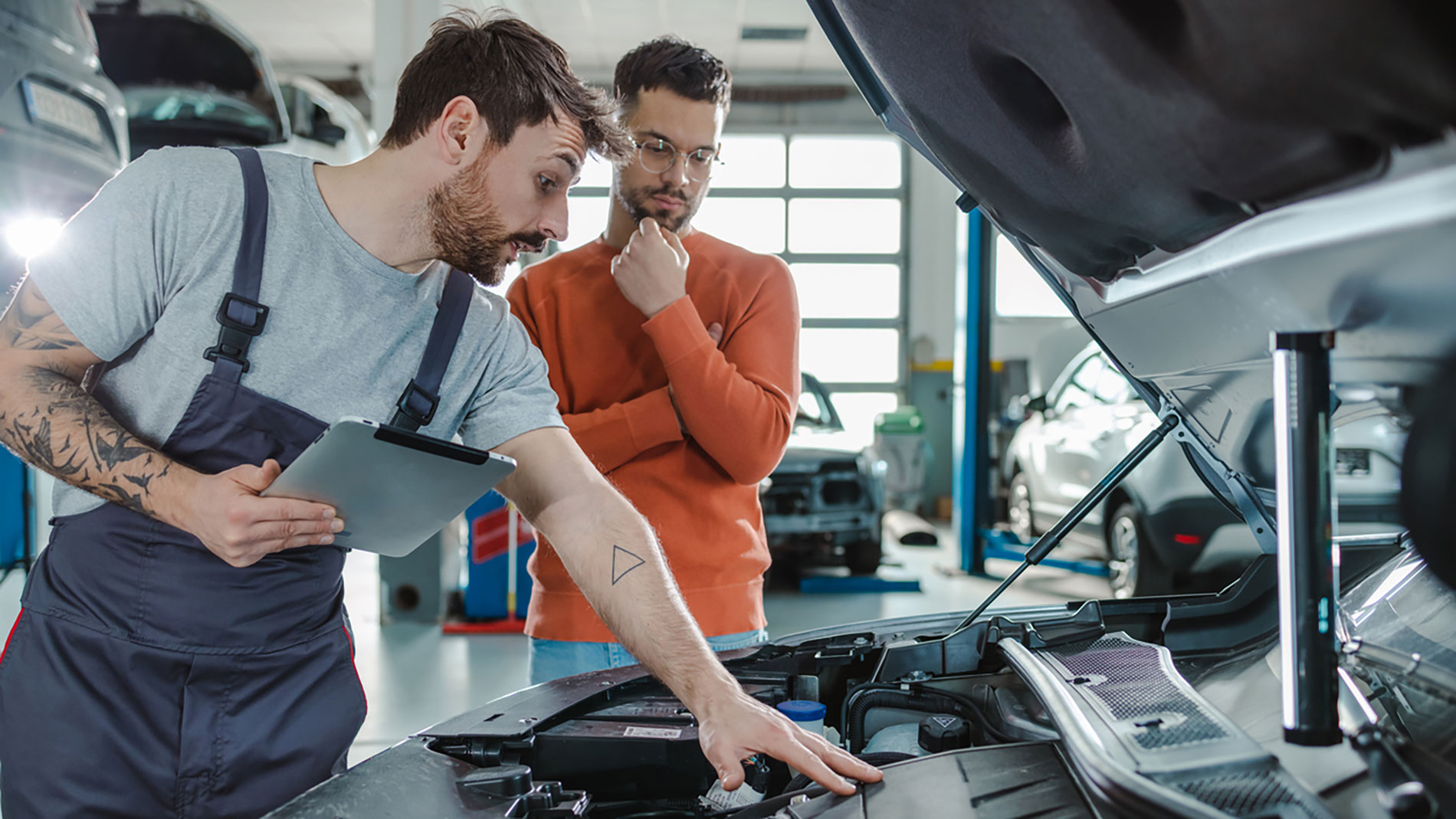
Even in electric vehicles, the braking system remains a vital safety and maintenance component, and regular inspection and servicing of this system continues to form part of garages’ core business. Photo: Unaihuiziphotography
Servicing electric cars requires a change of mindset, as the focus is shifting from traditional mechanics to electronics, software, and complex circuits. Nevertheless, the fundamentals of the automotive trade remain the same, as Kevin Schmitz, Head of the Workshops and Technology Department at the Federal Association of Automotive Trades, emphasises: “Even though traditional maintenance tasks such as oil changes or spark plug replacements are no longer required for electric vehicles, many service areas remain and new ones are emerging. Electric vehicles still have brakes, chassis, steering systems and air conditioning systems, so these traditional workshop tasks remain relevant.”
At the same time, however, Schmitz points out that electric drives are by no means maintenance-free. “The electric motor shows signs of wear and tear over time. The number of breakdowns requiring electric motor repairs is increasing.” Furthermore, new business areas are emerging through the regular maintenance and testing of the traction battery.
Thermal management: the underrated cornerstone
Maintaining the precise temperature of the battery, power electronics and passenger compartment is a highly complex task. Errors in maintenance directly jeopardise the longevity of the vehicle's most expensive component. According to Kevin Schmitz, this issue is currently underestimated. “Yet many manufacturers already stipulate that the coolant must be changed or the battery cooling system checked for leaks as part of routine maintenance.” This creates new challenges for mechanics, since the air conditioning system is now directly connected to the battery cooling system. Complex heat pump systems require specialist diagnostic knowledge. Workshops must invest in flushing equipment and leak detection systems to accurately identify faults in the cooling circuits.
The wear factor: chassis wear and the braking paradox
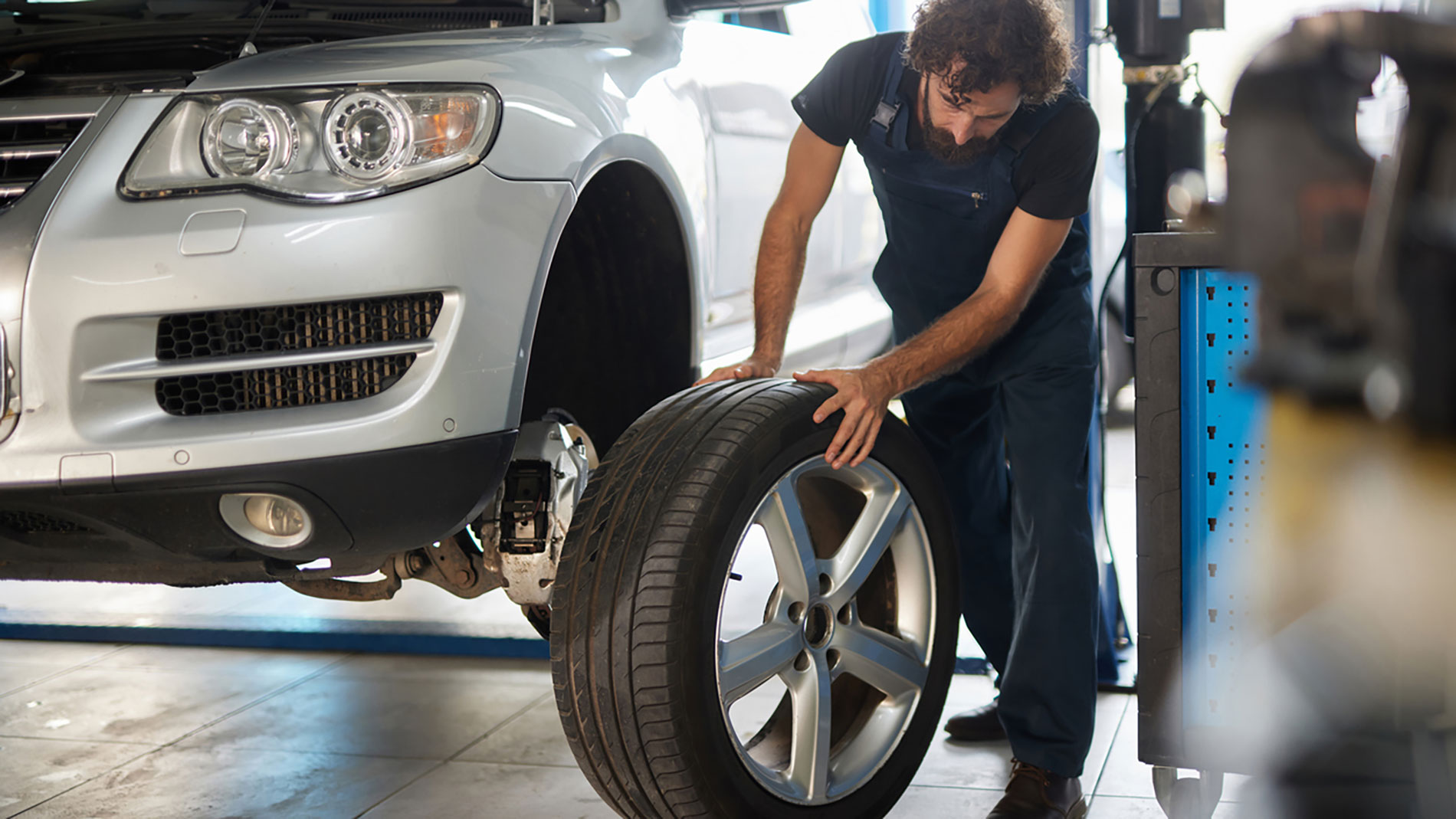
The weight of the battery and the instant torque of electric vehicles lead to increased wear and tear of tyres and chassis components. Photo: stockphotodirectors
While some systems are becoming more complex, the mechanical components of electric cars are undergoing a complete turnaround, which ensures that garages remain busy.
Constant strain on the chassis and tyres: the heavy battery and the instant torque place a massive strain on the tyres, steering and suspension. Wear and tear increases noticeably. Wheel alignment checks and the replacement of chassis components are becoming increasingly common.
The braking paradox: due to energy recovery, the mechanical brakes are often underused during everyday driving. While this reduces pad wear, it also increases the risk of corrosion and seized components.
The brake paradox means a change in service strategy for garages. According to Schmitz, a visual inspection alone is often no longer sufficient. "It makes sense to carry out regular maintenance on the braking system, including cleaning and lubricating the guides. It is also advisable to encourage customers to apply the brakes more forcefully from time to time to prevent corrosion."
Business organisation: From mechanics to technology consultants
In order to remain successful in the after-sales market, businesses are gradually changing the way they are organised. The focus is shifting from simple repairs due to wear and tear towards preventive maintenance and data-driven services.
Digital diagnostics and software: Specialised diagnostic work, software customisation and battery health reports open up new, data-driven revenue streams for services, which is a crucial factor for the used car market and fleet management.
Consultancy as a business model: Customers have a great need for clarification. Garages are increasingly taking on the role of technical advisers, actively informing customers about wear and tear issues specific to electric vehicles, thereby helping to prevent costly consequential damage. Service advisers are becoming technology consultants.
“We have long since adapted to e-mobility and have therefore done our homework in this area (...). We have over 100,000 specialists trained in electric vehicles in Germany.”
Qualifications and training: A solid foundation
A solid set of qualifications and many years of experience in training form the basis for successfully meeting the demands of modern vehicle technologies. Photo: SimonSkafar
The skill level of a business's staff is a key factor in its success. Contrary to popular belief, the automotive trade has been active in this area for many years.
Content related to high-voltage and e-mobility has been an integral part of the automotive mechatronics training programme since 2013. This ensures that the fundamental skills required for working with electric vehicles are taught from the outset of initial training. The next generation of skilled workers is growing up with high-voltage technology.
Nevertheless, workshops must not become complacent. Technological developments in areas such as battery chemistry, sensor technology and over-the-air updates are advancing at a rapid pace. Basic knowledge alone is insufficient to remain competitive in the after-sales sector. Regular training and further education, as well as targeted development of digital diagnostic skills, are now minimum essential requirements. Only those that consistently implement this continuous training process will survive the technological shift. Kevin Schmitz has clear words of praise for the industry’s achievements in this regard: “Overall, I can say that we have enough trained specialists in the automotive trade. We have long since adapted to e-mobility and have thus done our homework in this area. We are ready to service and repair electric cars. In fact, we have over 10,000 trained electric vehicle specialists in Germany. You really have to let that sink in. We can do it; we are doing it; we’re already doing it.”
Market realities: balancing promises with everyday workshop life
Although the automotive industry has successfully met its staffing requirements, overall economic growth is lagging behind initial forecasts. Businesses have invested heavily in preparation for the anticipated increase in demand. However, there is a significant discrepancy between political momentum and actual market penetration. Volatile policies and uncertainty have slowed the increase in registration figures.
This discrepancy makes it difficult for B2B decision-makers to plan ahead. Although the manufacturers have delivered, market volumes are falling short of expectations. Kevin Schmitz is open about this unfortunate turn of events: “The scale of adoption that was promised to us, including by politicians, has not materialised. It will come, of that I am certain. E-mobility is coming.”
Despite the current delays, automotive businesses must maintain their commitment to innovation. The trend towards electrification is irreversible. Garages must therefore be flexible: they must continue to manage the profitable combustion engine business professionally while perfecting processes for electric vehicles. The key lies in a hybrid workshop organisation that serves both areas seamlessly.
Conclusion for B2B decision-makers: Focus on real needs
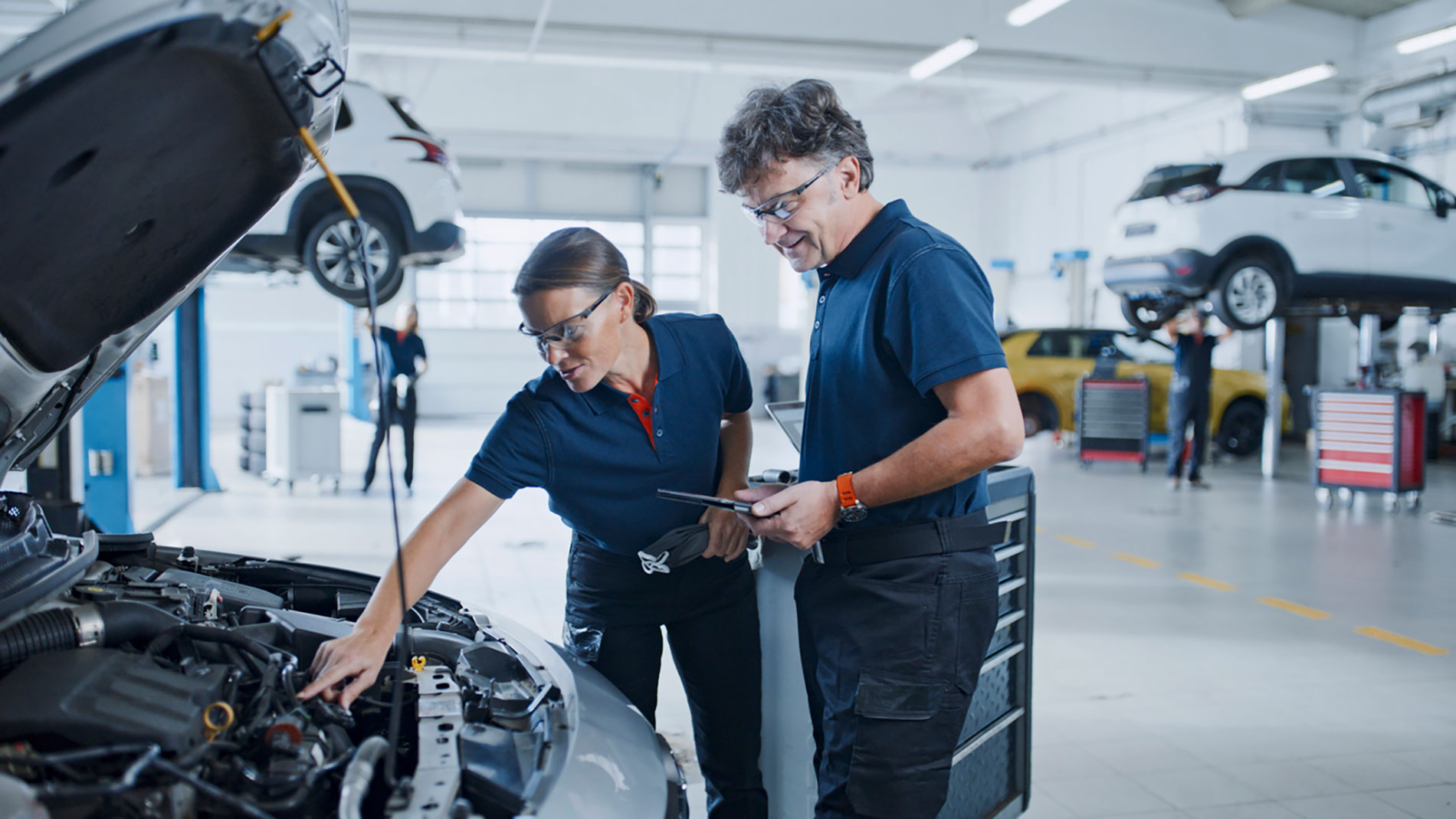
Successful car repair workshops combine modern e-mobility expertise with affordable, customer-focused service and repair solutions. Photo: blackCAT
Rather than displacing the automotive service sector, e-mobility is driving it towards a new level of professionalism through technological advancement. The most effective service strategy combines traditional craftsmanship with preventive maintenance and digital diagnostics. Workshops that structure their operations around this approach will secure a stable market share and high levels of customer loyalty.
For economic success, the transition must be practical. The aim is to allay customers’ concerns and provide cost-effective repair solutions, free from ideological debates. Mobility must remain affordable for the general public. In conclusion, Kevin Schmitz emphasises the need for a balanced perspective on the future of the sector: “I am an advocate of this, but I always say that mobility should be free from ideology and geared towards people’s real needs. It should offer freedom of choice and remain affordable and suitable for everyday use for every driver.”
Anja Steinbuch
Writer for the ‘Gateway to Automotive’ editorial team
Anja Steinbuch explores how mobility is changing in everyday life. Her aim is to make technological developments understandable and tangible from the users’ perspective.