The TÜV Report 2026 shows that the car fleet in Germany is ageing considerably. For garages this means more work, more customer consulting, and greater cost pressure, but also new opportunities.
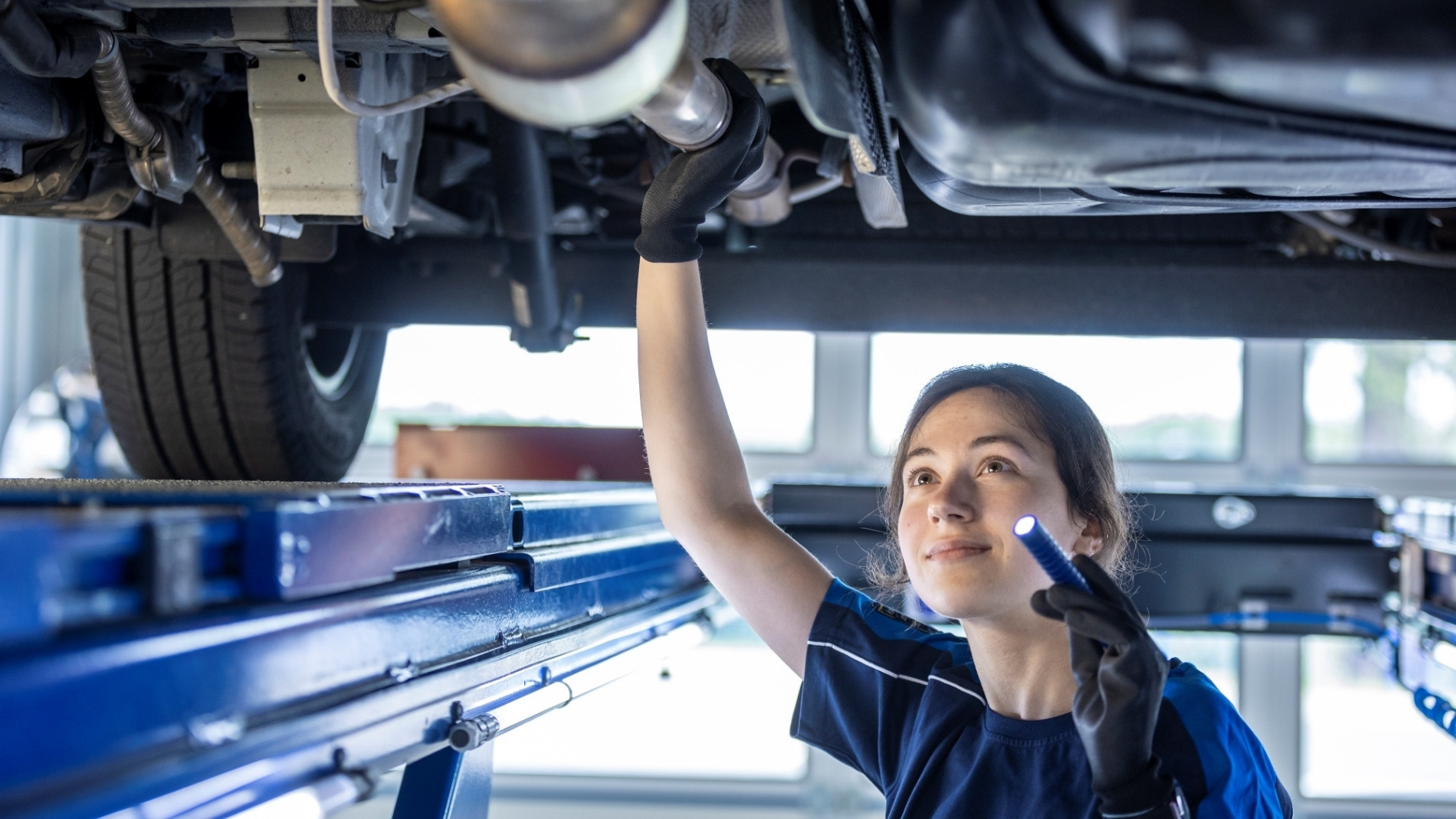
The TÜV Report 2026 shows that Germany’s passenger car fleet is getting older, with more than one in five cars failing the general inspection due to significant or dangerous defects. Photo: TÜV Nord
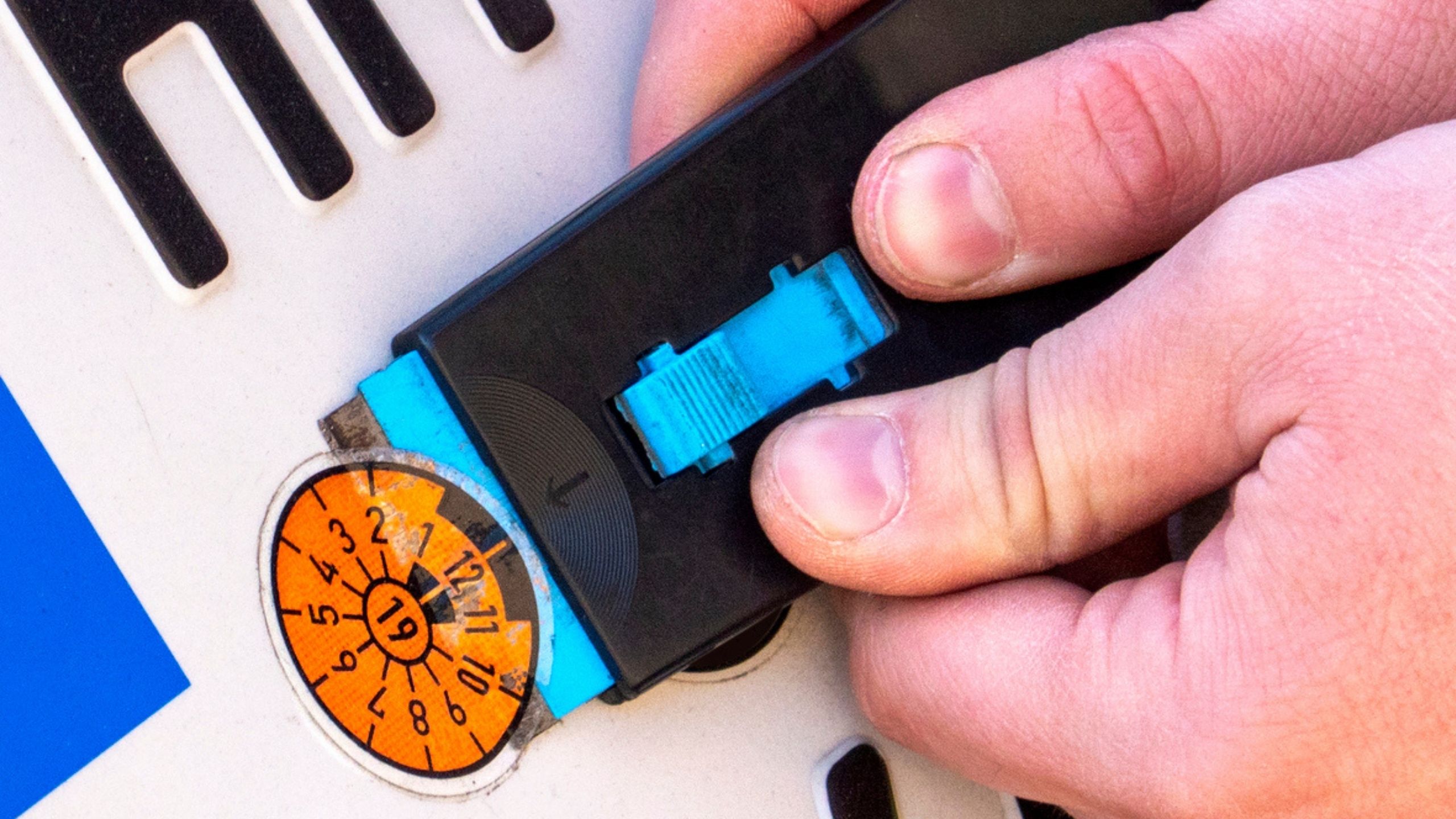
In Germany, a general inspection to assess the roadworthiness of motor vehicles is compulsory three years after initial registration and then usually every two years. Colloquially, it is still mostly referred to as the ‘TÜV’ (Technischer Überwachungsverein in German, or Ministry of Transport, short MOT, in English). The outcome is straightforward: you get a sticker or you get no sticker. For motorists, this often results in a bill, while for garages it leads to a discussion about what needs to be done immediately and what can wait.
The 2026 TÜV Report reveals that 21.5 per cent of inspected cars fail due to significant or dangerous faults, while 12.3 per cent have minor issues and a mere 66.1 per cent are deemed fault-free. The average age of the fleet is 10.6 years, with around 13.5 million cars being 15 years old or more. Almost one in three cars in this age group fails the test.
For GATEWAY, two experts analyse the TÜV findings: Martin Endlein, a DAT (Deutsche Automobil Treuhand) expert on the vehicle market and garage costs, and Detlef Peter Grün, ZDK Vice-President (Zentralverband Deutsches Kraftfahrzeuggewerbe), Federal Guild Master and independent garage owner. They both agree that a simple economic stimulus package for garages is not the answer, but rather a situation in which technology, money and trust are closely intertwined.
Martin Endlein is not surprised by the TÜV findings: “The TÜV sounding the alarm is nothing new. We are in a phase where many people are putting off repairs.” He believes that the ageing vehicle fleet is the result of improved technology and a reluctance to buy, exacerbated by high new car prices and uncertainty over powertrains. “Today’s vehicle fleet dates from a time when great importance was attached to quality,” he says. “Cars have become much more robust and durable.” However, brakes and shock absorbers do not last forever. “If you have to completely overhaul a braking system, it can easily set you back a thousand euros.”
“The TÜV sounding the alarm is nothing new. We are in a phase in which many people are postponing repairs.”
An ageing fleet and price-sensitive owners
Rising costs and expensive new cars mean many drivers are keeping their vehicles for longer and more often postponing repairs. Photo: bluecinema
This is where the issue of garages comes in. Older cars tend to be owned by people who have less money to spend on transport. In 2025, servicing cost an average of €542 and repairs cost an average of €604. Almost 60 per cent of car owners are changing their behaviour due to rising costs. “More people who own older cars are driving around with unrepaired damage,” says Endlein. “More people with older cars are generally putting off repairs. It’s because they have noticeably less money available for such things.”
Grün takes an even more fundamental approach, considering the issue from a garage owner’s perspective. For him, the TÜV warning is also a sign that personal mobility in Germany has become more expensive. “The statement that vehicles are getting older is 100 per cent correct,” he says. “But we need to be clear: who among the general public can actually afford a new car? Vehicles have become extremely expensive. Germans are saving money, and this is reflected in their car purchases.”
For garages, this sounds like a boom: those who don’t buy new cars have to get them repaired. Grün confirms that this trend is taking hold. However, old cars do not automatically mean easy profits. Often, it’s customers who need mobility but carefully consider every repair. “Even younger people are now keeping their cars for longer and accepting the need for major repairs,” says Grün. “We’re talking about €1,500 or €2,000 just for a clutch. When asked why, the answer is usually, ‘I can’t afford a new one.’”
More work, but not all work is received
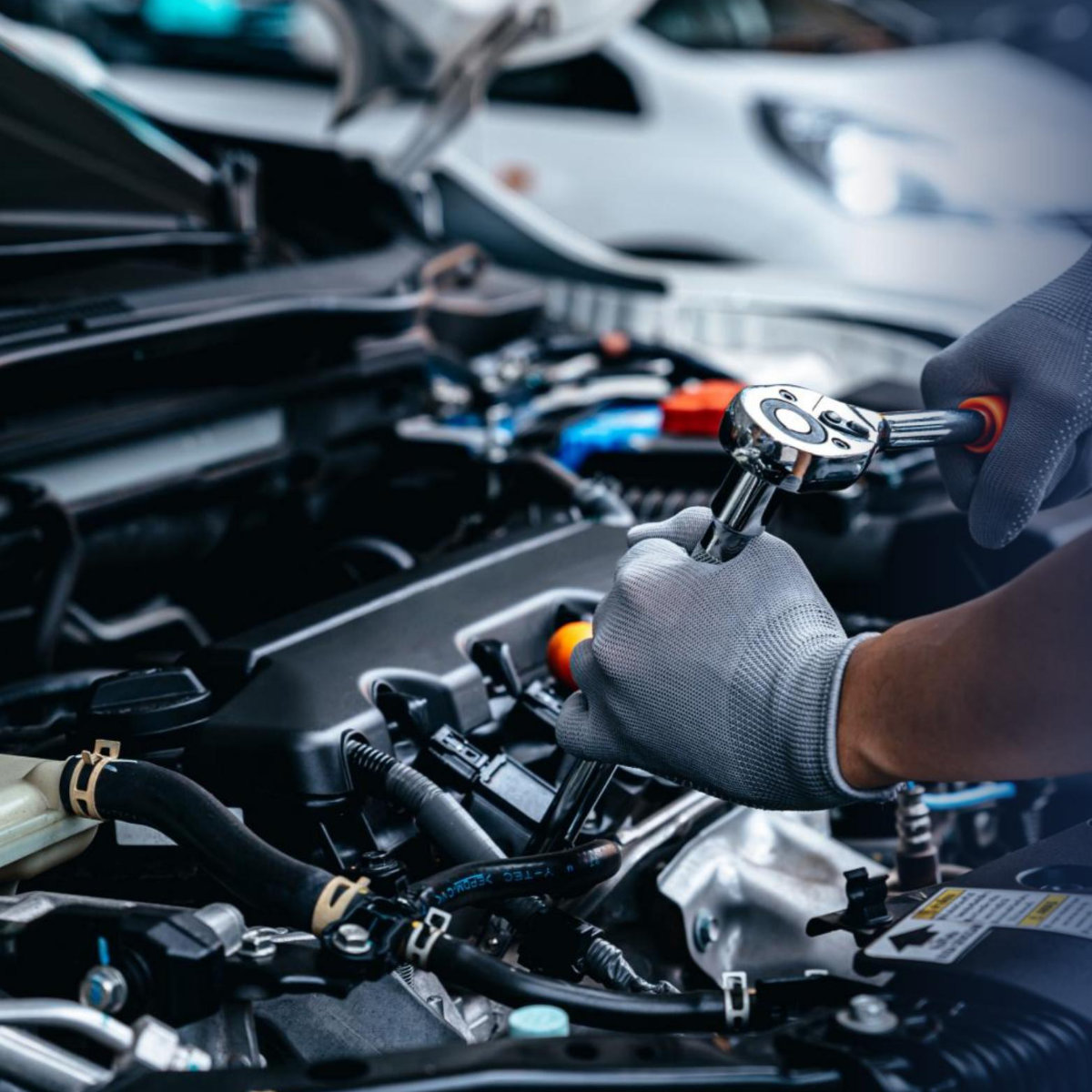
Some owners of older cars rely on the TÜV inspection instead of regular servicing. Yet vehicles over ten years old are particularly likely to show safety-related defects. Photo: miniseries
Endlein describes a paradox. Garage capacity utilisation is high, the vehicle fleet is growing and cars are being driven more frequently. At the same time, however, maintenance and repairs are being commissioned less often. Among owners of cars over ten years old, wear-and-tear repairs accounted for one-third of maintenance in 2025; in 2019, this figure was 41 per cent.
“It’s levelling out a bit,” says Endlein. “On the one hand, there are more cars for fewer garages, and on the other, there is reluctance for cost reasons. Some people do without maintenance altogether and say, ‘My car has to go for its TÜV anyway.’”
The figures also highlight the issue of older vehicles: around 135,000 cars had dangerous defects and approximately 12,000 were unroadworthy. Around 90 per cent of these vehicles are ten years old or older. At the same time, however, Grün cautions that not every old car is unsafe. “Older cars have more faults; there’s no need to discuss that,” he says. “But road safety is not the area where we’re seeing a sharp rise. I’ve also noticed that customers are looking after their older cars better so that they last longer.”
Do independent garages have an advantage?
The ageing vehicle fleet is a competitive issue for both authorised and independent garages. The older a vehicle gets, the more its owner looks for an alternative to an authorised service centre. “Independent garages are attracting owners of older vehicles,” says Endlein. “This often starts from the third or fourth year onwards. Independent garages have become much more professional. Once people have found a garage, they tend to stick with it. We have a customer retention rate of around 90 per cent.”
Grün believes that the quality of both systems is now largely comparable. The difference lies more in cost structure, communication and flexibility.
“When it comes to inspections and repairs, I now see independent and brand-affiliated garages as being on a par,” says Grün. “Of course, the different hourly rates are a fact. The discerning customer pays very close attention to that.”
The garage as a translator
The older the car, the more important it becomes to prioritise repairs. The garage must not only carry out the work, but also explain it, sort things out and make the costs transparent.
“We’ve found that 42 per cent of car owners say: ‘I doubt whether all the recommended or carried-out work is really necessary’,” says Endlein. “And over 50 per cent say: 'I’m increasingly dissatisfied with the rise in garage costs.’ It’s not all plain sailing.”
“In the garage, amateurs meet professionals,” says Endlein. “Someone has to explain why the customer paid 800 euros and the car looks exactly the same afterwards. Communication skills are becoming increasingly important.” Grün describes the same shift in his own business. In the past, simply handing over the keys was often enough, but nowadays, customers expect a clear explanation of the repair process. “The amount of time spent on consultation is definitely increasing,” says Grün. “The customer wants to know what’s happening to their car, how much the repair will cost and whether it has to be done now or can wait another six months.”
Grün gives an example: “A worn front brake costs X, and you can still drive another 3,000 to 5,000 kilometres. We’ll be fitting the winter tyres in the autumn anyway, so we’ll combine the two jobs.”
“The workshop that does not respond individually to its customers will not stay competitive in the long run [...]. You have to advise the customer. This individuality is what is needed today.”
The alarm is also an opportunity
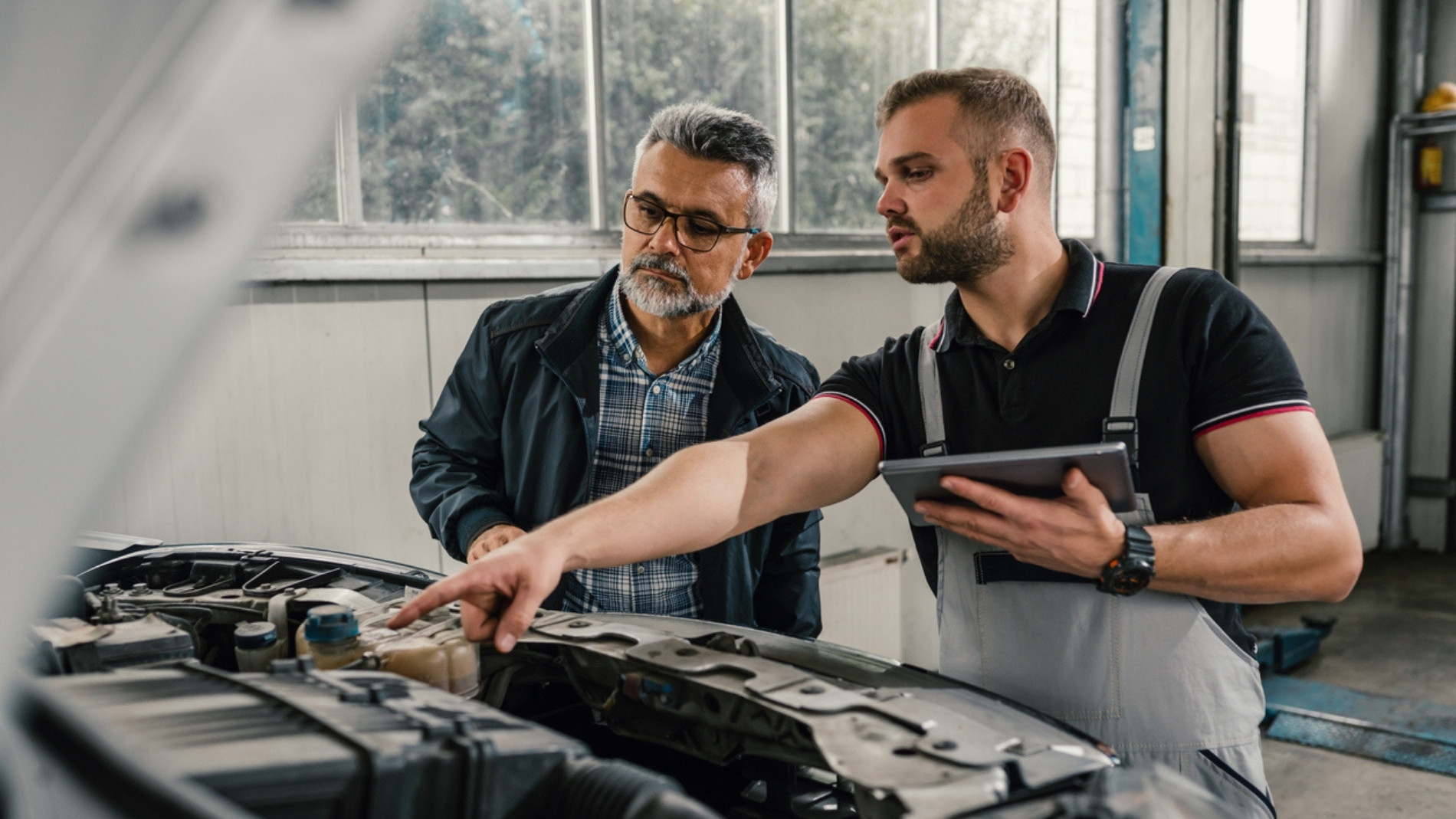
The ageing vehicle fleet is keeping workshops busy, but also calls for more advice: repairs are increasingly becoming a matter of individual cost and trust. Photo: TÜV Rheinland, Oliver Tjarden
The shift in powertrains will transform the garage business further. However, the fundamentals remain the same: there is demand, but customers will not automatically come in with their wallets open.
Endlein is optimistic about the future: “The trades are a goldmine. With almost 50 million registered cars in Germany, there is plenty of work for garages. We can look to the future with confidence, even if things will be different.”
Grün draws the line where businesses can no longer reach their customers. The ageing vehicle fleet is not just a question of numbers, but of relationships too.
“Any business that fails to cater to its customers’ individual needs won’t stay ahead of the game in the long run,” says Grün. “The days of handing over the keys and assuming everything’s fine are over. You have to advise customers. That personal touch is what’s in demand today.”
Thus, the ‘TÜV alarm’ is a sobering assessment for the German aftermarket. Cars in Germany are getting older, being used for longer and costing more to maintain, so more explanation is required. Repair becomes advice, and the sticker becomes a question of price.
Text: Michael Hopp
Head of Content at the Gateway editorial team and an absolute pioneer in recognising automotive trends