Reading time: 5 minutes
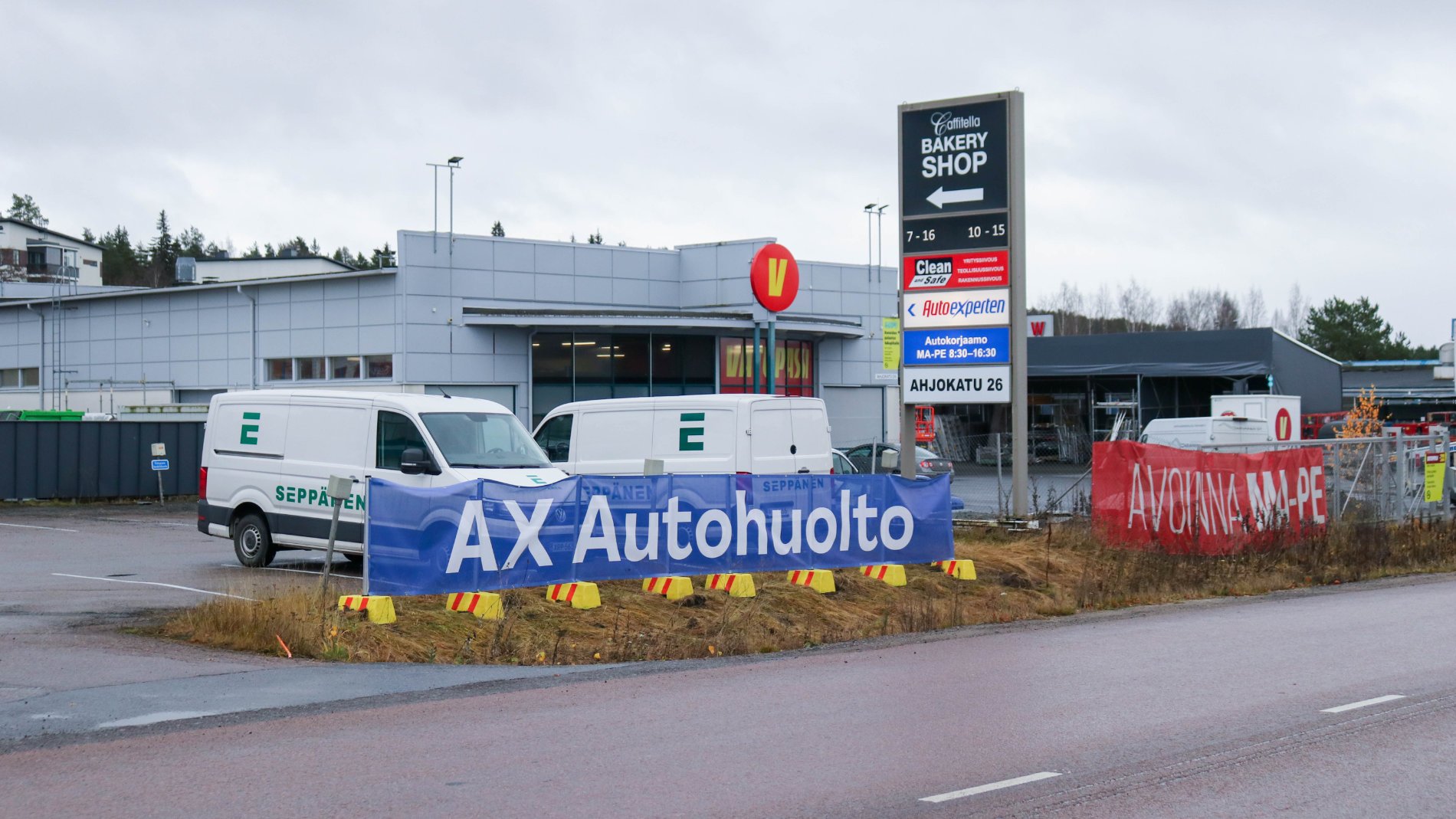
Within this environment, Sweden has emerged as a structural centre of network-based independent aftermarket organisations. One of the models developed in this context is Autoexperten, the Swedish-origin workshop network established in 1996 within the KGK (KG Knutsson) Group. National Autoexperten organisations operate through KGK companies, including KGK Sweden and Oy Kaha Ab in Finland.
From its Swedish base, where the network comprises 378 affiliated workshops supported by group logistics, systems and training infrastructure, Autoexperten has expanded into neighboring Nordic markets. By February 2026, the Autoexperten network totaled 378 workshops in Sweden, 42 in Norway and 32 in Finland, with a further 32 sites across the Baltic markets. Finland represents the most recent stage of this expansion, with the chain entering the market approximately one year ago.
Nordic aftermarket conditions: ageing fleets and electrification at different speeds
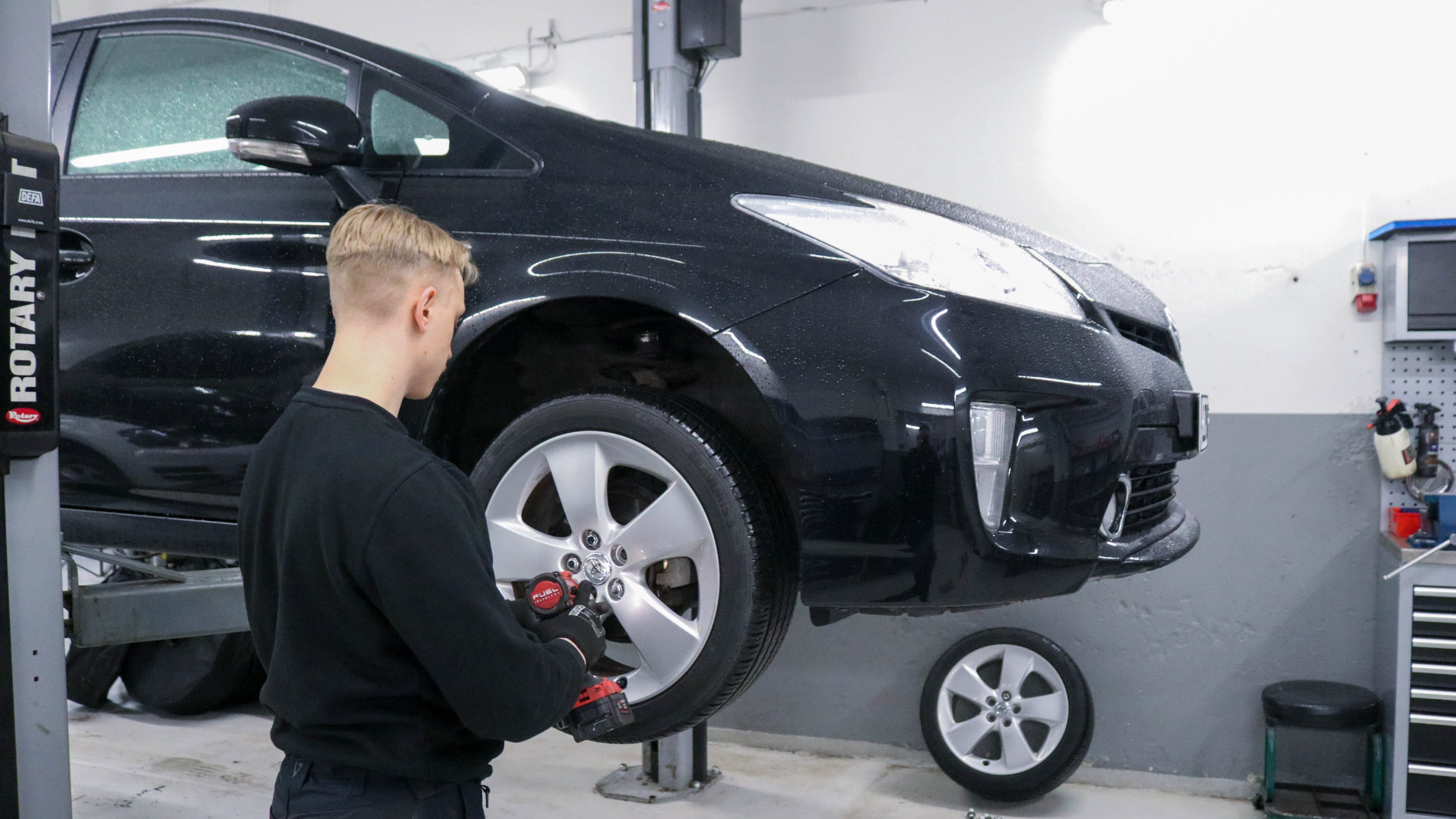
The Nordic aftermarket shares structural similarities across countries but differs in fleet age and electrification pace — two factors shaping workshop demand. Finland operates one of Western Europe’s oldest passenger-car fleets, averaging 13.6 years in traffic use in 2024, while Sweden and Norway remain closer to eleven years. Older fleets sustain demand for independent repair and parts replacement outside OEM networks. At the opposite end of the technology curve, Norway leads electrification globally, with battery-electric vehicles accounting for 95.9 % of new passenger-car registrations in 2025. Other Nordic markets are progressing more gradually but in the same direction.
The Nordic aftermarket therefore operates simultaneously on two timelines: servicing an ageing combustion fleet while preparing for electrified vehicles. This dual requirement favours workshop networks able to support both technically and operationally.
Sweden as structural core, Finland as expansion case
Within this regional structure, Sweden functions as the core market where the Autoexperten concept originated and matured. The network operates at scale under shared standards while maintaining independent workshop ownership — the organisational template applied in later Nordic expansion. Finland represents a different phase: entry into an already organised and competitive chain environment. Autoexperten in Finland operates under Oy Kaha Ab, the Finnish KGK company. The independent workshop sector is highly structured, with established affiliations and strong competition for members. Finnish leadership describes the launch in practical terms: introducing a new chain into saturated conditions requires extensive groundwork before and after entry, even when the concept is proven elsewhere in the region.
The Finnish proposition therefore emphasises operational fundamentals rather than brand positioning. These include structured parts availability across local, national and Nordic inventory layers, logistics positioned close to workshops, and purchasing power derived from group sourcing channels. For workshops, these translate directly into business performance: delivery reliability, cost competitiveness and technical support depth. Finland thus illustrates how a Swedish-developed network model enters and integrates into a mature Nordic aftermarket ecosystem.
Network value in a changing service environment
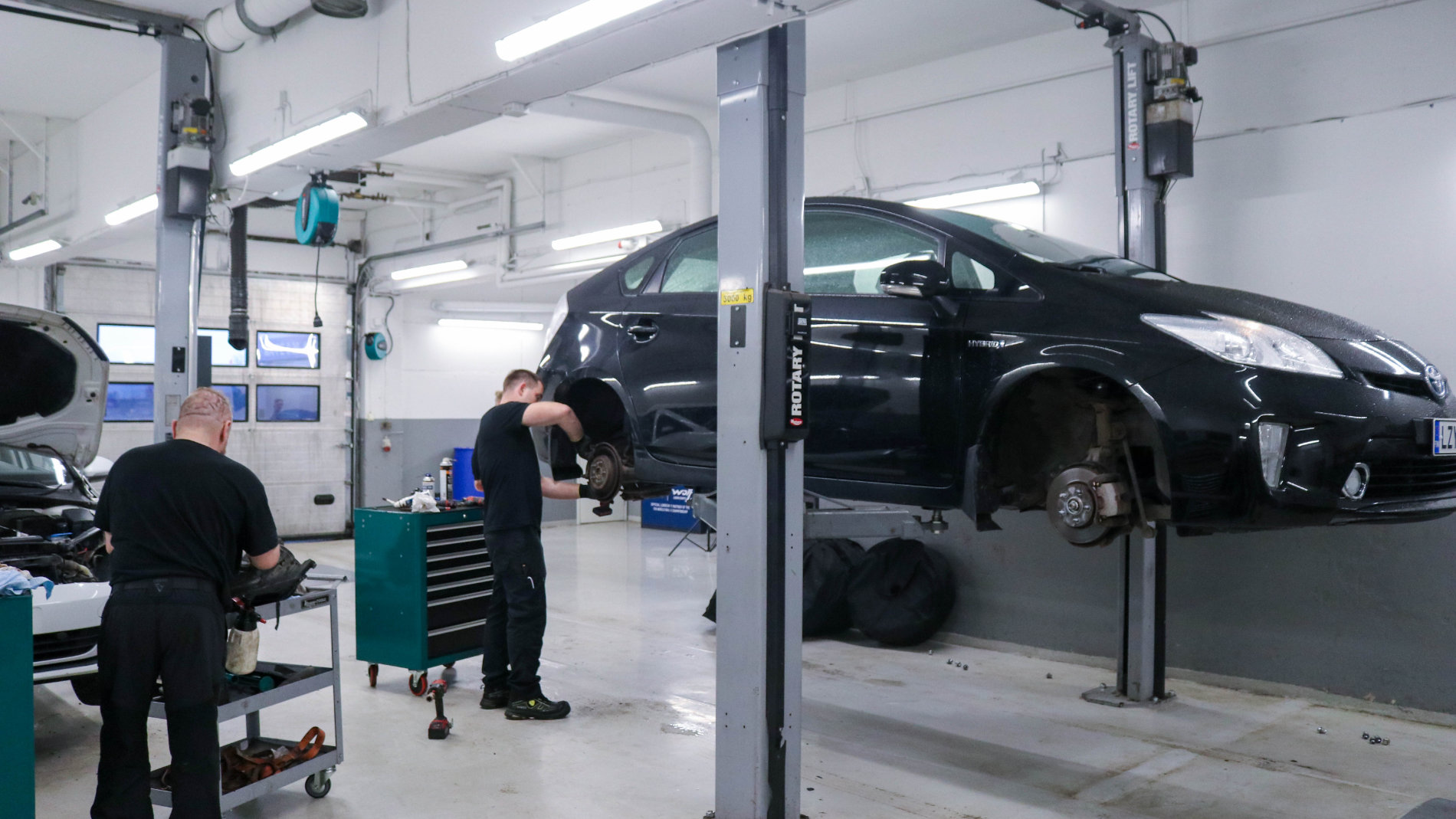
Across Nordic markets, customer expectations toward workshops remain consistent: reliable service quality, transparent pricing and predictable timelines. What is changing is the technical environment required to meet those expectations. Digital booking, advanced diagnostics and capability for newer drivetrains are becoming baseline requirements. In this context, network affiliation provides structural advantages difficult to sustain independently: established procurement channels, significant purchasing volumes and organised technical support and training. Within Autoexperten, these elements are integrated into a unified operational platform linking logistics, technical systems and marketing into a single workshop ecosystem.
Preparing for electrification: competence diffusion across markets
Electrification represents the most significant capability shift facing the independent aftermarket. Within Autoexperten, readiness is approached through supplier development, software tools and training deployment across the network. Battery health-testing solutions are already in use, and cooperation with companies specialising in high-voltage component remanufacturing has been established in Norway.
The strategic priority extends beyond tools to competence. High-voltage systems introduce new service requirements, making technician training central to network development. Training across markets is organised through KGK’s education structure, including KGK Academy and national training centres such as Kaha Training Center in Finland. In Nordic conditions where electrification progresses at different speeds, knowledge gained in early-adopting markets such as Norway must be transferable to others before local EV parc volumes alone justify investment. This cross-market competence diffusion is a core function of the network model.
Cross-market integration with local execution
A defining feature of Autoexperten’s Nordic structure is operational interaction between markets. Product management, technical support and supply chain functions operate in ongoing collaboration, enabling developments emerging in one country to be implemented in others. At the same time, business remains locally executed. Each national Autoexperten organisation adapts to its vehicle fleet, regulatory environment and competitive structure while operating under shared quality standards and brand identity. Approximately ninety percent of operations are structurally similar across markets, with the remainder shaped by local conditions. This combination of shared infrastructure and local ownership reflects broader Nordic industrial cooperation patterns.
A restructuring independent aftermarket
Across the Nordic region, the independent aftermarket is increasingly organised through structured affiliations rather than standalone workshops. Rising technical complexity, tooling requirements and training costs favour larger operational systems capable of distributing investment across many businesses. Autoexperten positions itself within this restructuring environment as a network built on independent ownership rather than centrally owned outlets. The model offers scale while retaining entrepreneurial autonomy — participation in a larger operational system without loss of local control. Membership therefore emphasises forward-looking capability: willingness and readiness to service new vehicle technologies and to develop workshop operations in line with market change.
Conclusion: A Nordic expansion trajectory
Seen at regional scale, Autoexperten’s entry into Finland represents one phase in a broader Nordic restructuring trend. A Swedish-developed network model is extending into neighbouring mature markets, adapting to local conditions while retaining shared operational architecture. As Nordic vehicle fleets continue to age while electrifying, the need for structured independent networks capable of supporting both will increase. Workshops must maintain competence across legacy combustion vehicles and emerging electric drivetrains — a dual requirement favouring shared investment in logistics, training and technical systems.
Finland demonstrates how such a network integrates into an already competitive aftermarket. Sweden provides the structural core from which the model expands, while varying market conditions across the Nordic region shape its adaptation. Together, these dynamics illustrate an aftermarket sector reorganising around networked independent systems — with Sweden as a central origin point and Finland as a current expansion case.