
Reading time: 6 minutes
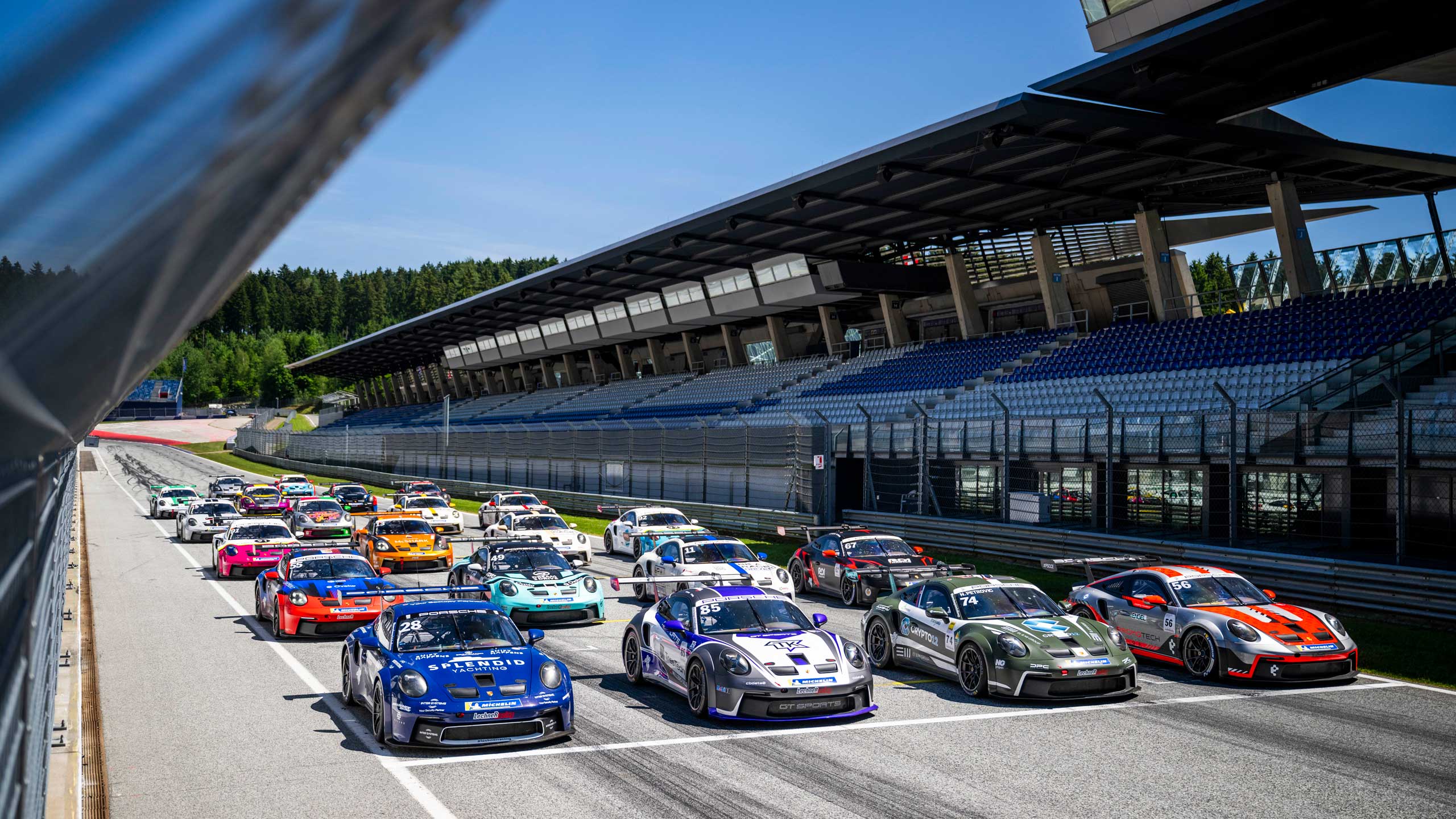
Red Bull Ring, late May. The circuit lies in the Styrian landscape in Austria like a strip of asphalt deliberately laid into the hills: a short lap, hard braking zones, ten corners and plenty of open sky. The myth of the old Österreichring remains, combined with the precision of modern-day Spielberg: 4.326 kilometres, 65 metres of elevation change and gradients of up to twelve per cent.
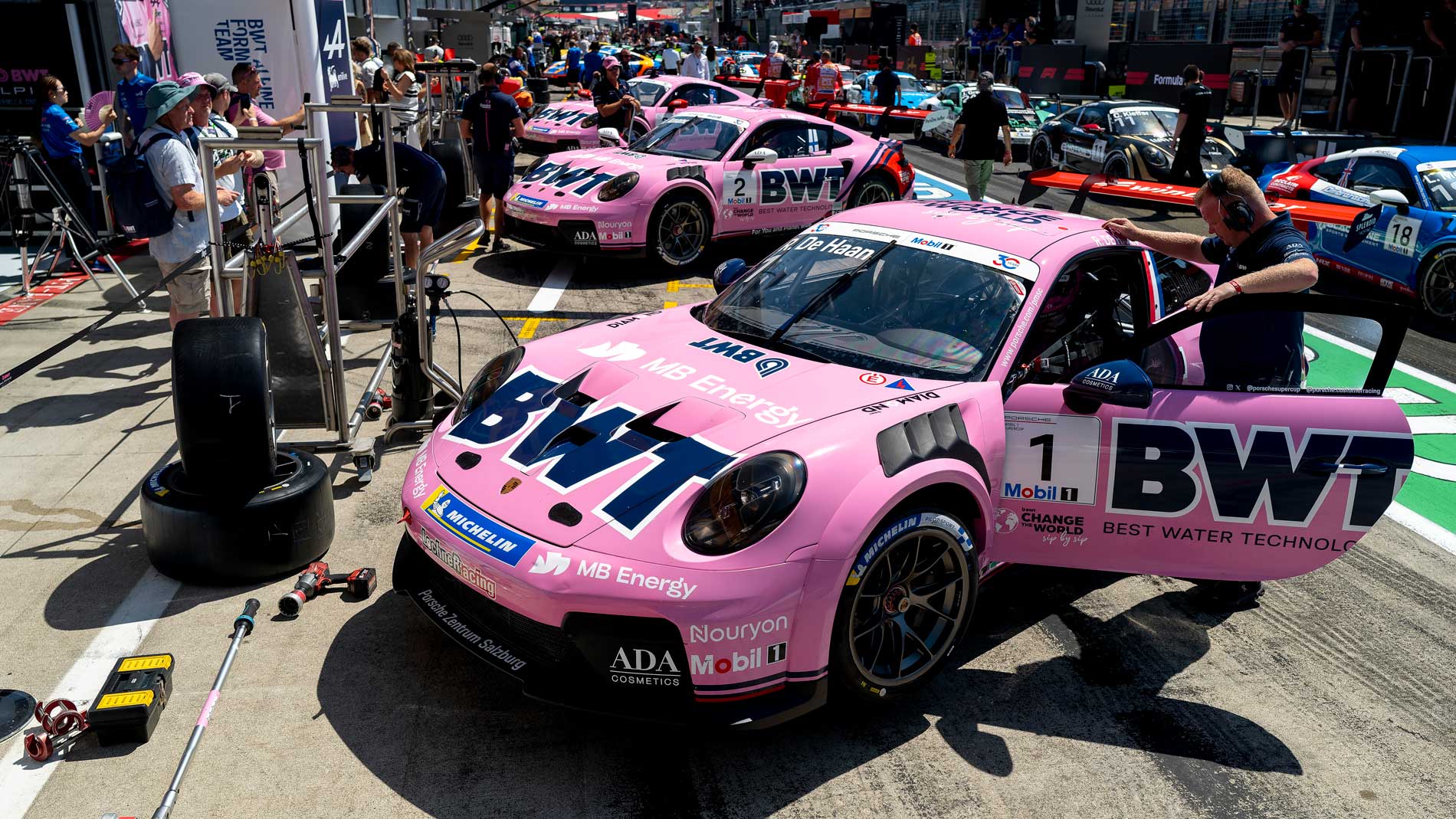
At first, the pit lane is not loud, but focused. Tyre warmers lie on the ground, laptops glow, mechanics slide jacks beneath the cars.
Then the first six-cylinder engine fires up. Not a theatrical rumble, but a hard, bright, commanding sound. A Porsche 911 GT3 Cup, built for exactly this moment: out of the pits, uphill, hard on the brakes, then back onto the start-finish straight.
At the opening round of the 2026 Porsche Sprint Challenge Central Europe (PSCCE), 22 Cup Porsches and 35 drivers are ready to compete. It is the largest field in the series’ history. For Lechner Racing, Spielberg is not just another stop on the calendar. Thalgau near Salzburg is the company’s base; the Red Bull Ring is its major Austrian stage.
The Lechner system
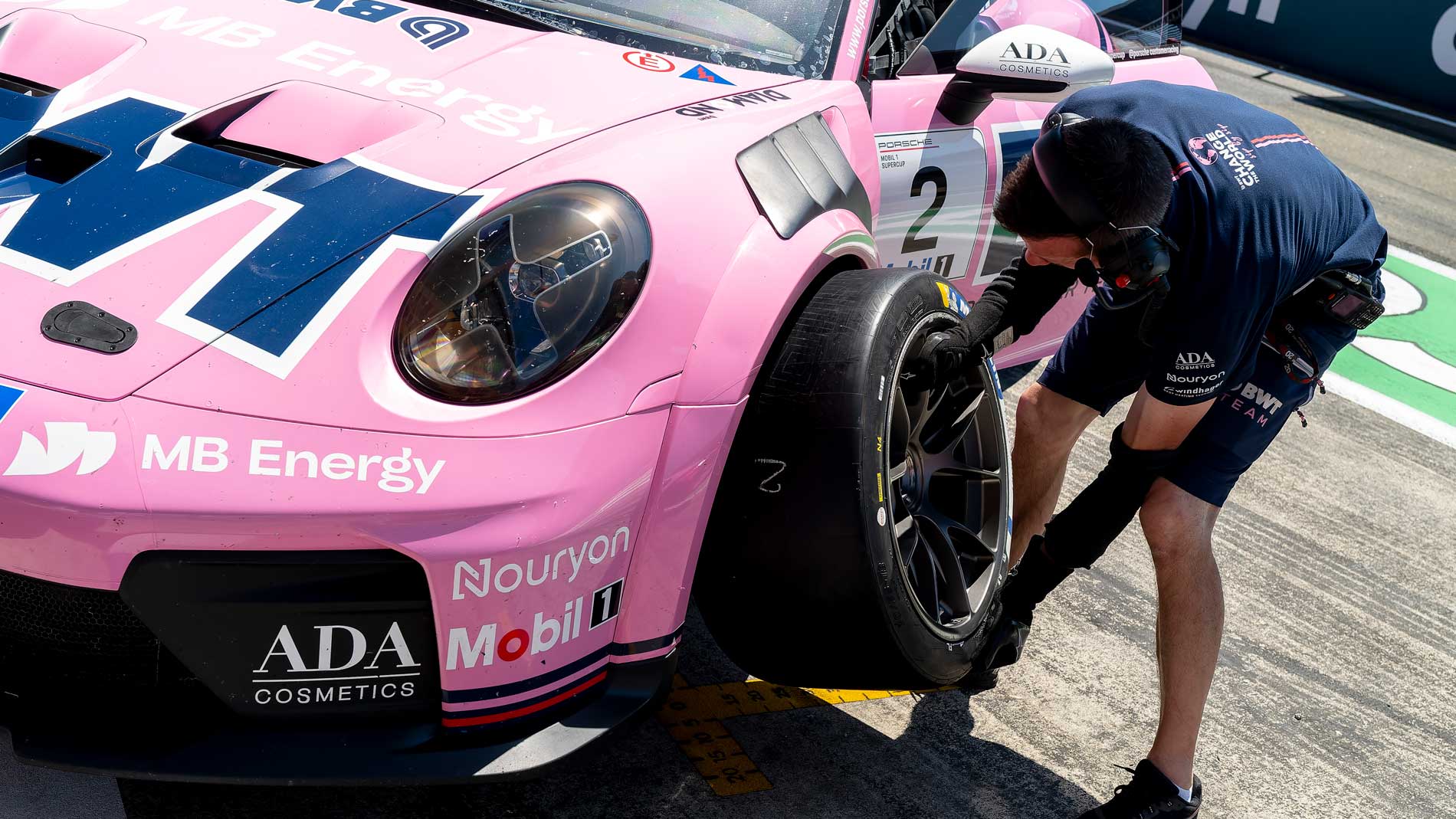
The Porsche 911 GT3 Cup is not a road car with a race number, but a pure racing machine: a 4.0-litre six-cylinder boxer engine, 510 hp in the 992.1 generation, a sequential six-speed dog gearbox, rear-wheel drive and a weight of around 1,260 kilograms. But numbers only explain this sport as far as the pit exit.
Lechner Racing has built a system around this car: racing team, engineering, logistics, hospitality and series organisation. The company describes itself as a “family owned 360° racing company”. In the paddock, that sounds like a job description. A Cup Porsche travels with mechanics, engineers, tyres, spare parts, tools, data, tents, guests and schedules.
Since 2016, the company has brought its racing team, agency, logistics and organisation together across 3,500 square metres. “It was always our goal to bring our business and motorsport activities together under one roof,” the brothers explain. A travelling racing factory moves around Europe: international transport operations, 11 articulated lorries and 44 racing cars across all participating teams.
Robert and Walter Lechner grew up in this world. “We were already part of it as children,” recalls Robert Lechner. Holidays did not mean the beach, but caravans and paddocks. Their father, Walter Lechner Senior, was a racing driver, entrepreneur and founder of a racing school. His words stand above it all like a motto: “racing is my passion and also my destiny.”
Today, the brothers run the company in the second generation. “It became clear early on that the two of us had different interests,” says Robert Lechner. Robert focuses more on sporting management, marketing and the customer experience. Walter is Technical Director. He organises things so that people, vehicles and parts are in the right place at the right time.
Lechner does not simply sell cars, but offers access to organised motorsport. This also includes the sale of used GT3 Cup cars, which are professionally reconditioned after being used in racing series and handed over to drivers or teams in the best possible condition. The company runs Cup cars, organises racing series, supports private drivers, develops young talent and creates an experience around race weekends for partners, guests and families. The customer brings passion and a willingness to learn. Lechner provides technology, coaching, logistics, hospitality and the sporting framework.
Identical cars, few excuses
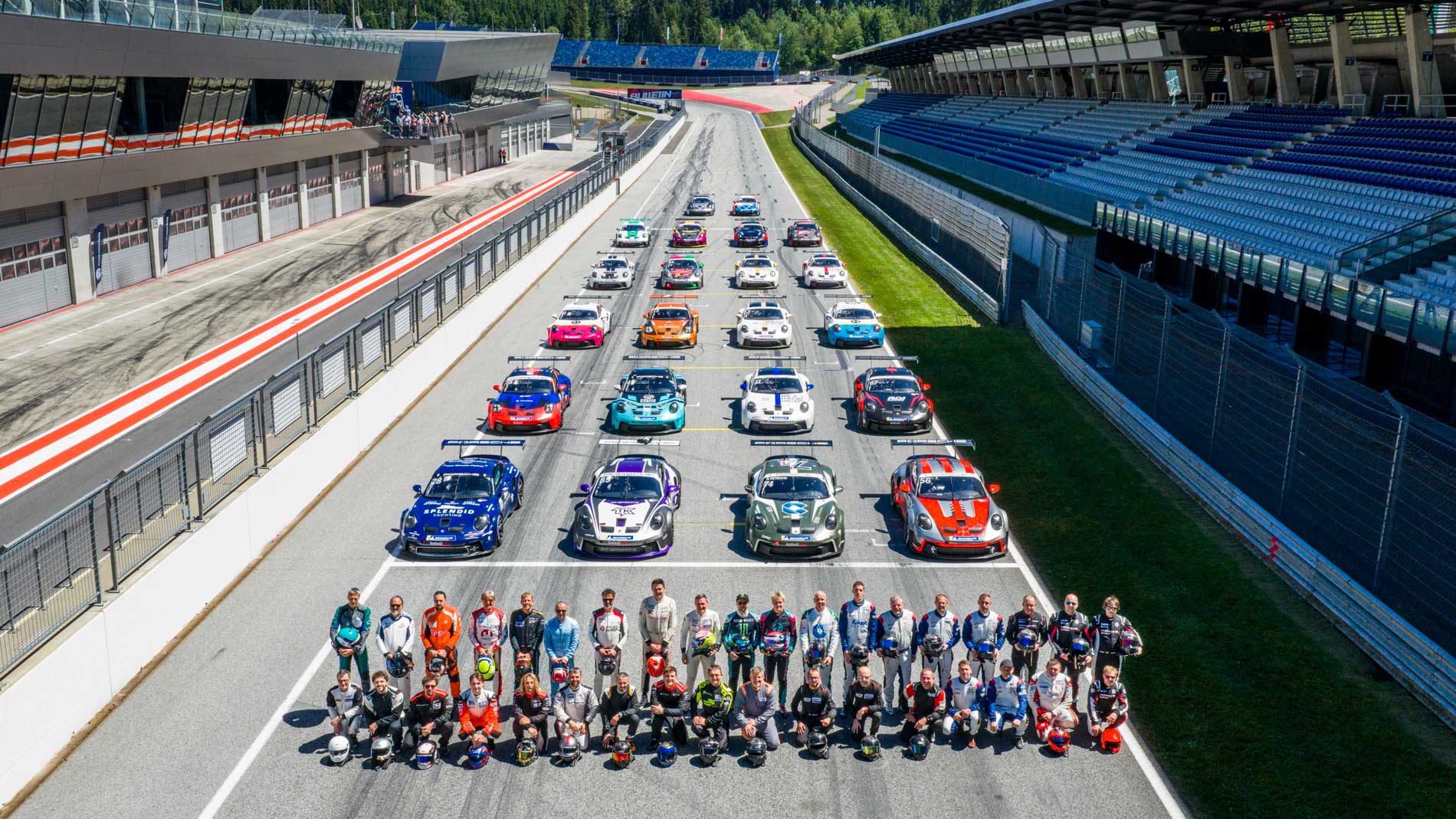
That sporting framework is the one-make series. The principle is simple: identical cars, clear rules, few excuses. In the Porsche Sprint Challenge Central Europe, only identical Porsche 911 GT3 Cup cars compete; there is no secret engine department and no unrestricted tuning to shift the balance of power. The difference comes from the set-up, tyre pressure, braking feel, racing line, data traces and the crew’s timing. At Lechner, the Supercup is described like this: “Everyone has the same car; the decisive difference is made by a successful combination of driver and team.”
The PSCCE shows how this principle is translated into formats: plenty of track time, two sprint races, a one-hour endurance race, entries for solo drivers or two-driver pairings, and classes ranging from Rookie to Masters.
Between two sessions, a Cup car is not simply parked – it is read: tyre wear patterns, brakes, temperatures, pressures, marks on the bodywork, fluids, torque settings. The screens show brake pressure, speed, throttle position and sector times. The driver says the car is pushing on turn-in. The data shows where time is being lost. Only when everything is considered together does the next decision emerge. In this way, the sessions lead directly into the world of the workshop. The right part has to be there, and so does the right tool. A missing set of brakes, incorrect tyre pressure, an overlooked contact: small details immediately turn into lost time.
From track day to racing
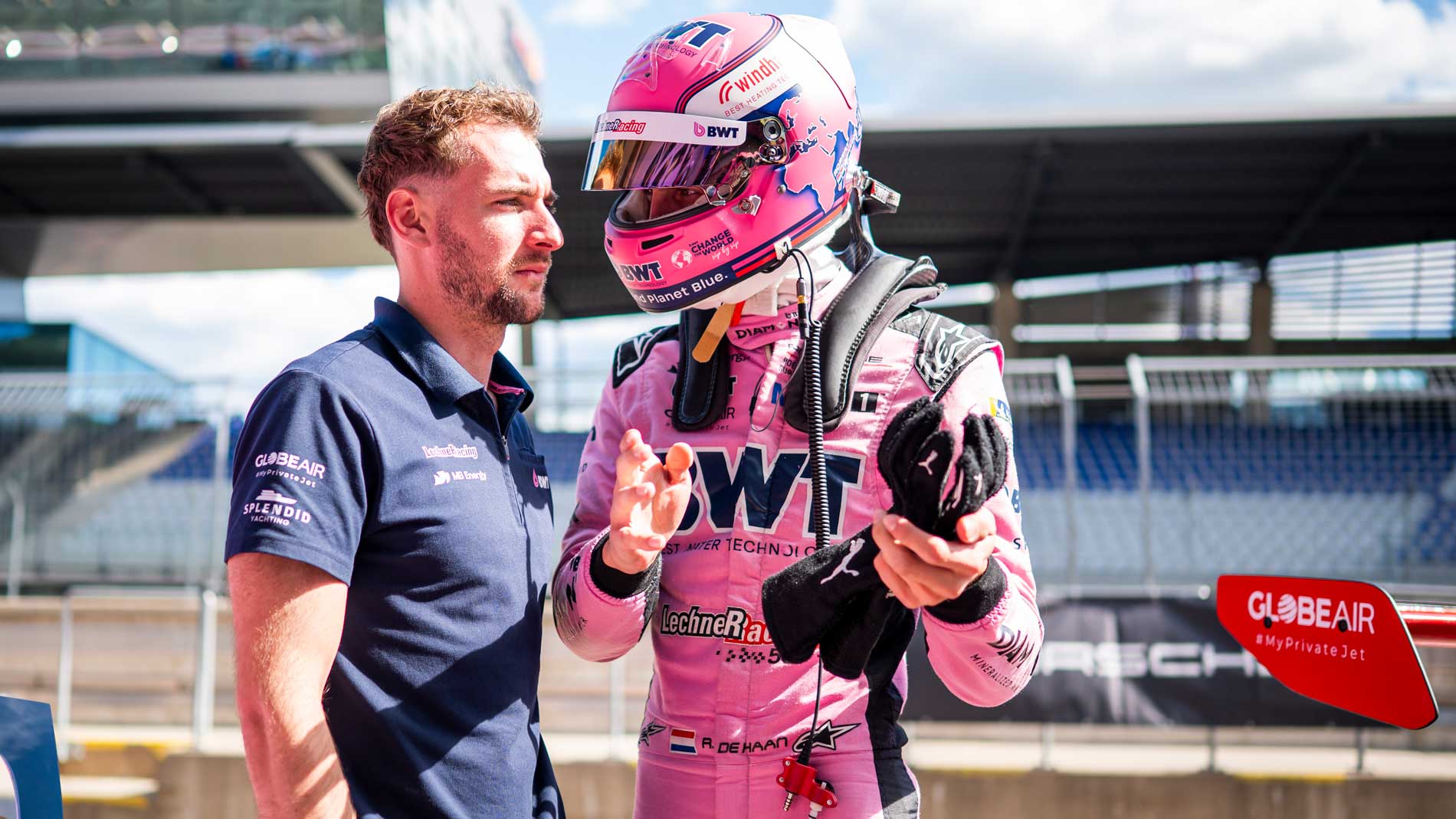
The bridge from track days to racing can be seen in many of the PSCCE participants. Drivers do not necessarily come through the traditional junior development system, but often from a scene in which track time, coaching and technical understanding are initially the main focus, until at some point the step into a real race weekend follows. At that moment, Lechner is not simply the organiser, but provides the framework: rules, calendar, classes, pit lane and professional support.
At the opening round at the Red Bull Ring, it became clear what this transition means in organisational and sporting terms. Several teams entered multiple cars, placing correspondingly high demands on logistics, preparation and support. For many drivers, the move from the track-day world also provides a new route into professional motorsport: supported, emotional and accompanied by a growing passion. This is precisely where Lechner’s role lies: track-day drivers are not only made faster, they learn how to operate within a racing series.
Added to all this is a second level: guests, partners, family and hospitality. “Bring your family and friends” is one of Lechner’s mottos. Drivers do not come alone. Coffee is served in the hospitality area while impact wrenches are running outside. Conversations revolve around braking points, sets of tyres and dinner. The sport remains serious, but it becomes accessible.
From young talent to gentleman drivers
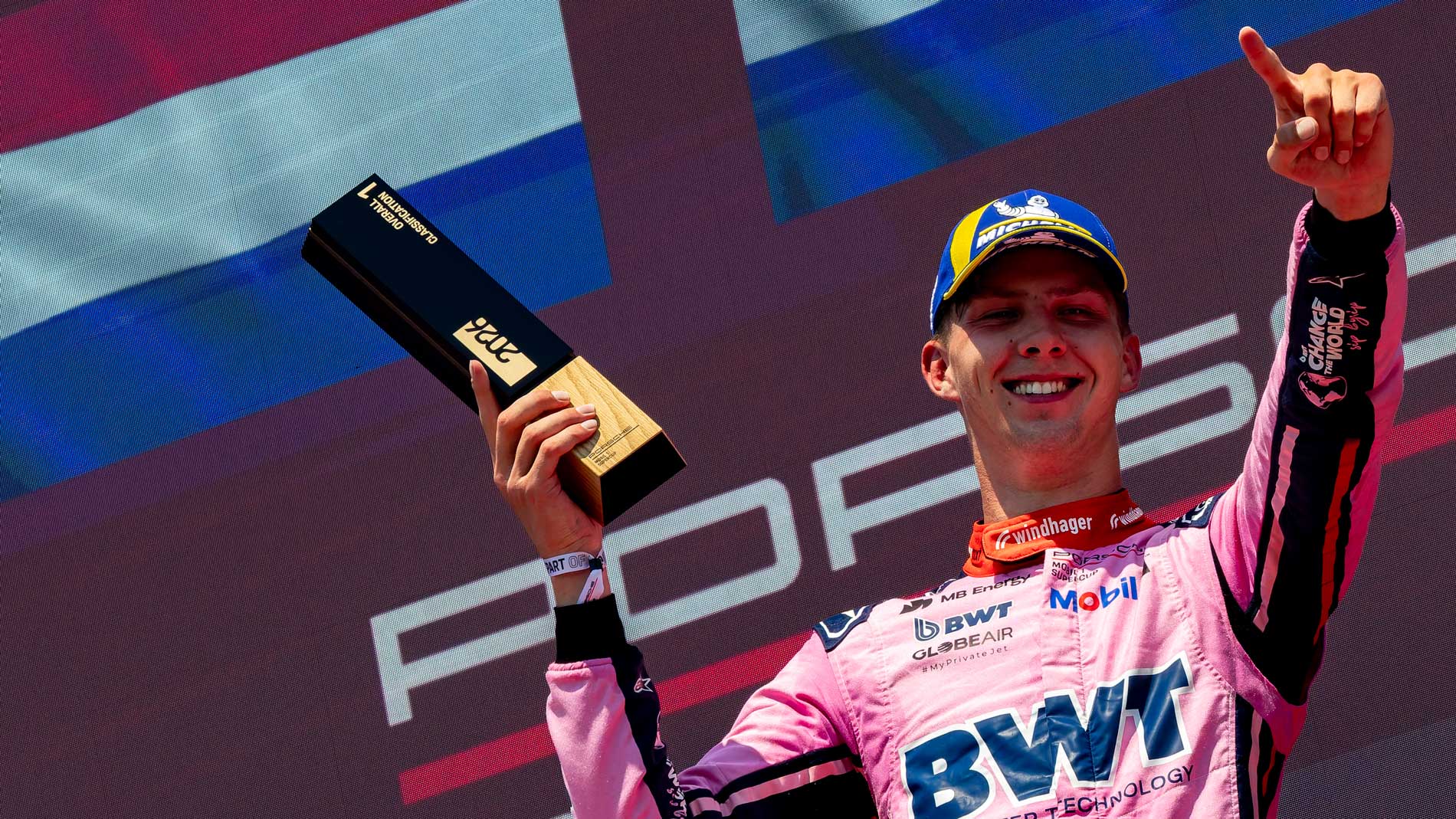
For some, it begins with a visit: at the fence, in the garage, beside the car. At some point, the question arises as to whether they could drive themselves. Not as the fulfilment of a Formula One dream, but as an attempt to find a line, understand a tyre and hit a braking point cleanly. The Porsche Cup car does not flatter the driver. That is precisely what makes it so appealing.
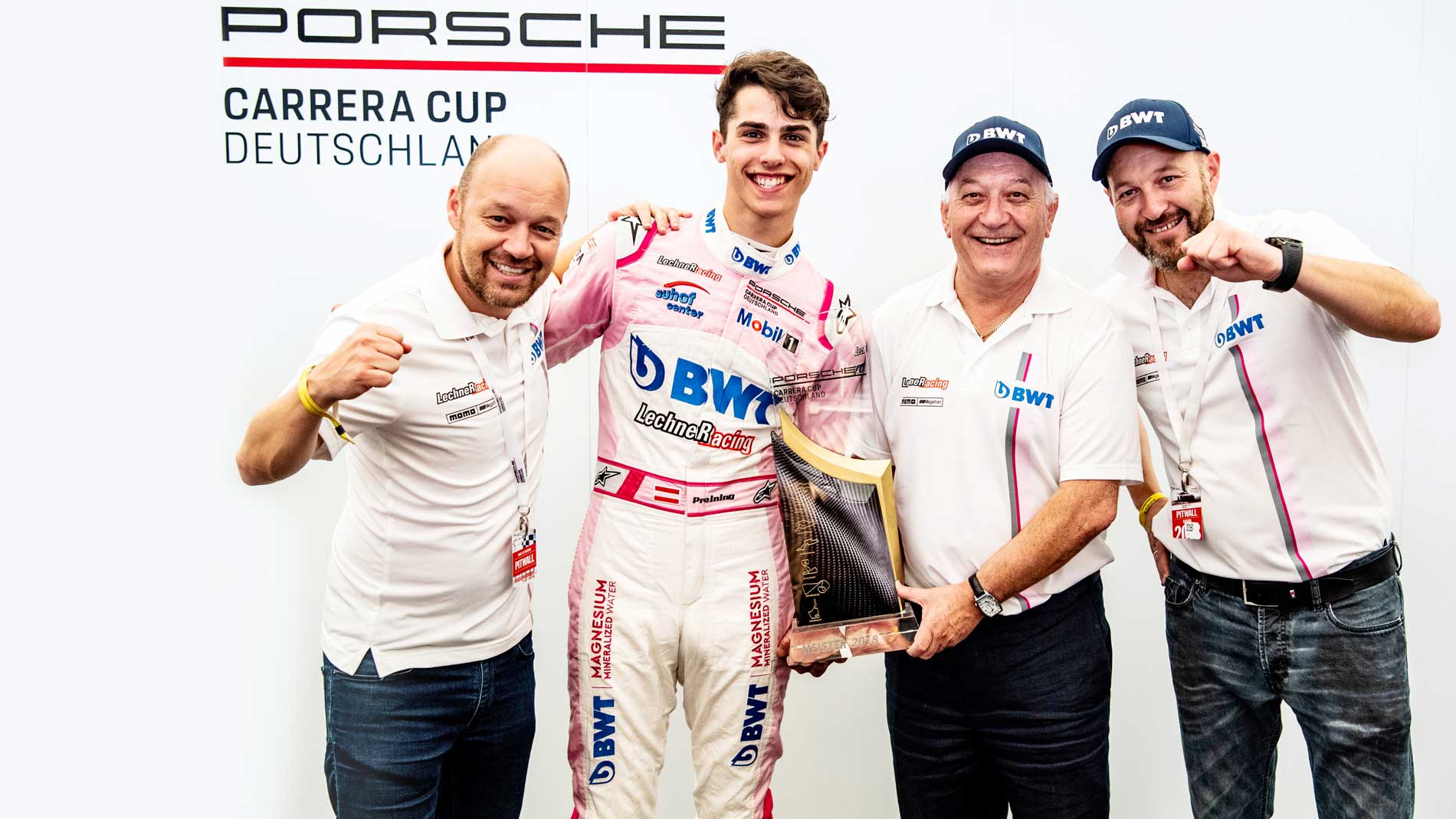
Lechner knows both sides of this world: the young driver who wants to become a professional and the gentleman driver looking for a genuine race weekend. Thomas Preining won the Porsche Carrera Cup Deutschland with Lechner Racing in 2018 and later became DTM champion. “Ten years ago, my career was almost over,” says Preining. It was “only thanks to Lechner”, he says, that he ended up at Porsche. F1 team principal Toto Wolff is also part of this story: he says he “earned his first spurs” with Walter Lechner Senior. Lechner Racing functions not only as a service provider, but as a hub in a motorsport career.
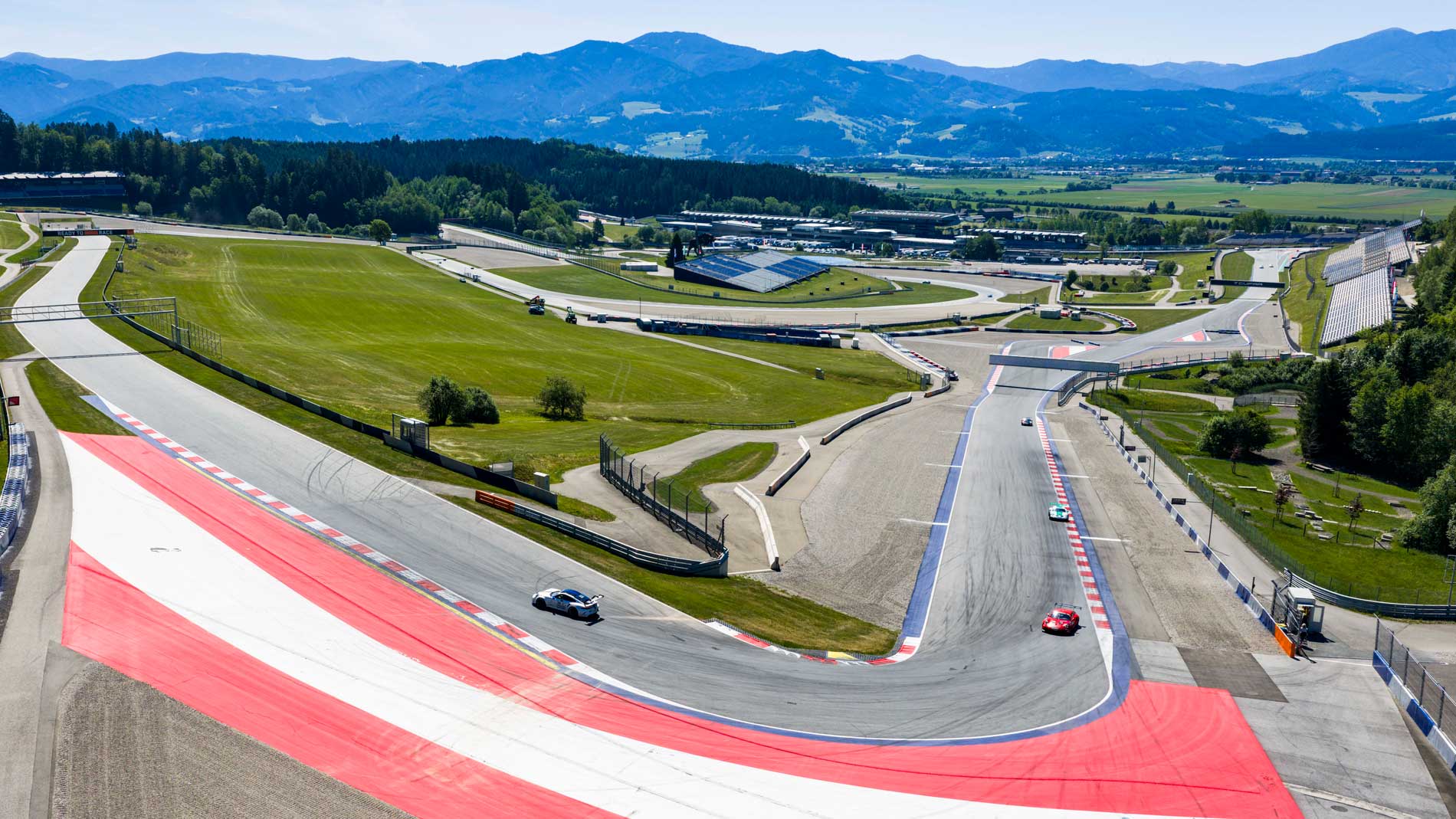
At the Red Bull Ring, these stories find their stage. Spielberg is big enough for Formula One and MotoGP, but open enough for motorsport not to disappear behind walls. The circuit rises and falls as if it wants to test every car. At the top, the driver brakes; at the bottom, accelerates; in between, trust in the team and the machinery makes the difference. And the racing car on the track is only the visible part. Behind it are micrometres, torque settings, sensor readings, brake pads, boxes of spare parts, schedules and people who know what needs to be done. When the six-cylinder engine once again lets out its mating roar, it does not sound only like speed. It sounds like a system that works.
Who is allowed to drive?
The rules for actual races are different from those for customer events or driving experiences. In the 2026 Porsche Sprint Challenge Central Europe, drivers must, according to the series regulations, hold a valid national or international competition licence issued by a national motorsport authority recognised by the FIA (ASN). Eligible licences include international Grade A, B or C-Circuit licences, as well as the AMF National D+ licence or an equivalent national licence issued by an FIA-affiliated authority. Drivers who are not competing with an Austrian AMF licence - the official motorsport licence issued by the Austrian Motorsport Federation (AMF) - additionally require written authorisation from their own national motorsport authority to compete abroad. Teams or entrants require an international entrant licence.
For Germany, the German Motor Sport Federation (DMSB) states that the required licence grade is specified in the regulations for the respective event or series. A Race Card can be obtained for individual events, but does not automatically replace the requirements of a racing series. In Austria, the AMF issues the relevant motorsport licences; licence categories depend on the discipline and power-to-weight ratio. The threshold is lower for customer events, but participation is not unrestricted there either: for the Porsche 911 GT3 Cup Experience at the Red Bull Ring, for example, the organiser requires previous successful participation in a Porsche 718 Cayman GT4 RS CS Lightweight Experience. Exceptions may be possible if the participant can provide evidence of a racing licence or other high-level driving experience.
2026 race dates
Porsche Sprint Challenge Central Europe 2026
8-11 October: Hungaroring, Hungary
Further opportunities at the Red Bull Ring
The Red Bull Ring maintains a continuously updated event calendar. A lower-threshold option alongside participation in racing series is the Porsche 911 GT3 Cup Experience: a single-driver track day on the F1/MotoGP circuit with an instructor, onboard video and analysis, subject to individual date availability.
All images: Lechner Racing