Reading time: 6 minutes
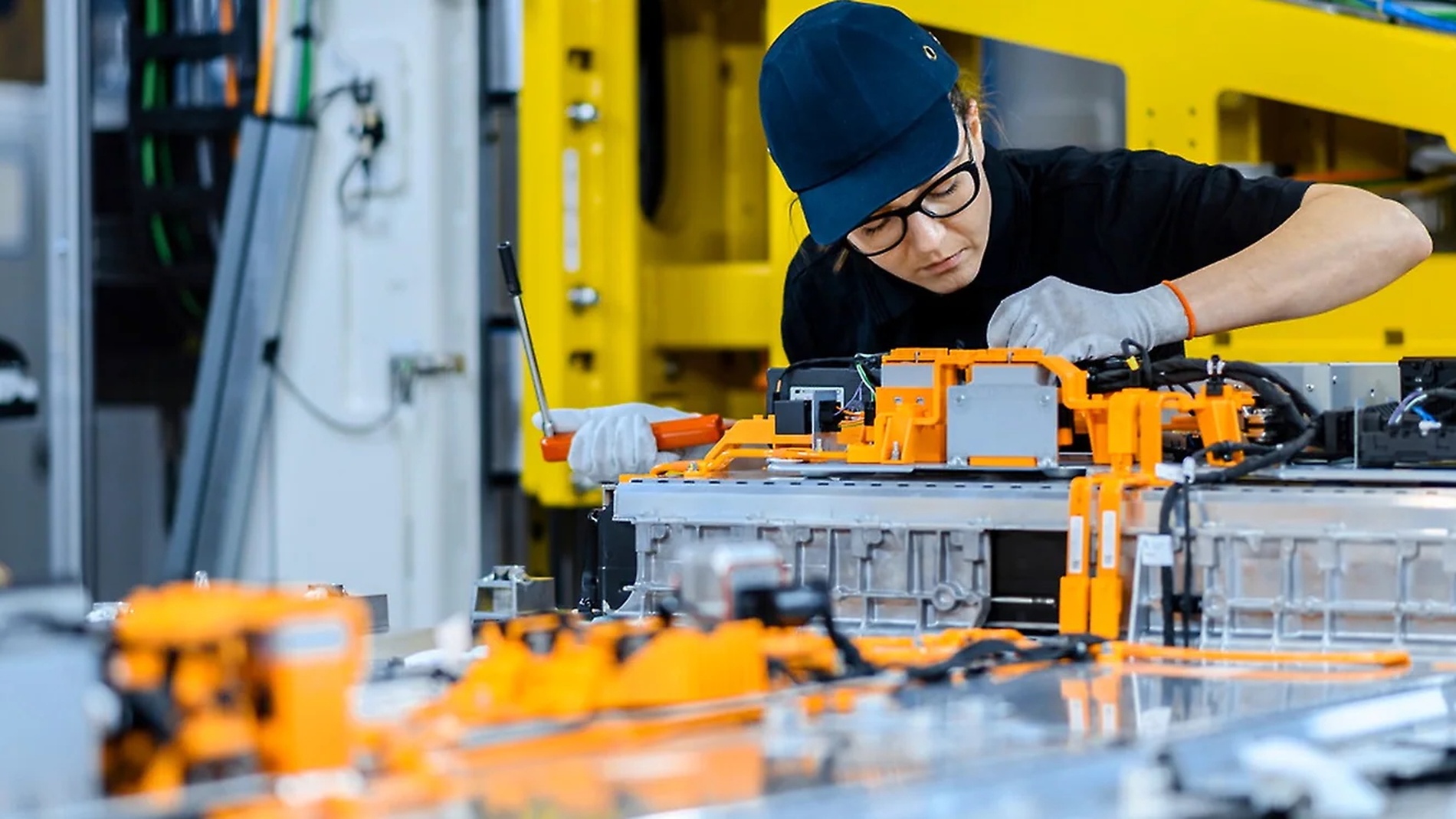
Long considered a profession for panel beaters and painters, bodywork is now at a crossroads. It is clear that the industry cannot ignore digitalisation, stricter repair standards and environmental challenges. Issues such as the introduction of sensors, electrification and composite materials are revolutionising approaches, the profitability of working methods and tools. Today, a bodywork technician uses both a tablet and a hammer and works with technical data as well as sheet metal. Innovation is everywhere in workshops: 3D measurements, connected booths, digital colour measurement, sensor calibration... All these developments are giving new meaning to precision, safety and even the image of the profession.
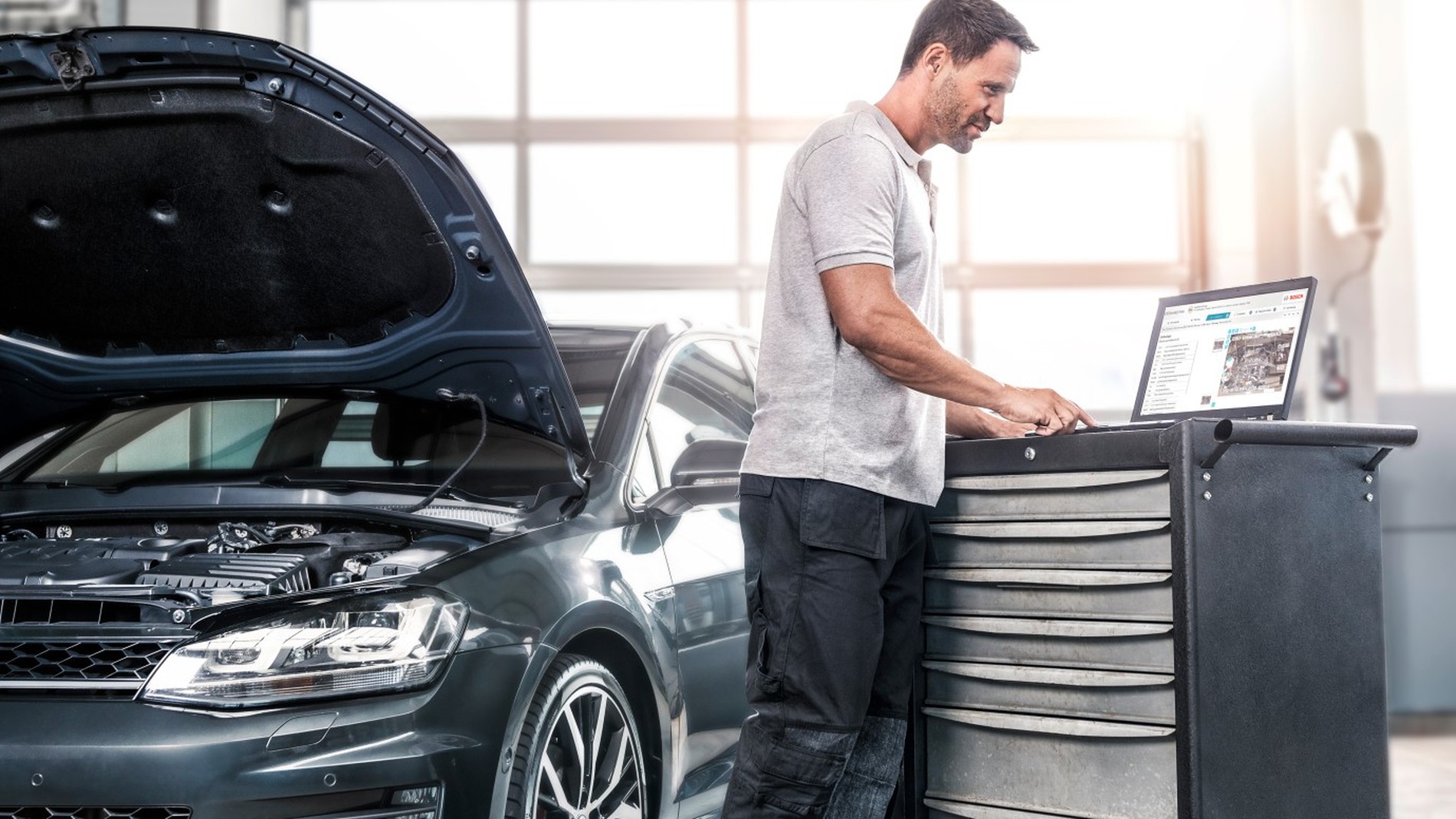
1. A transformation accelerated by electronics
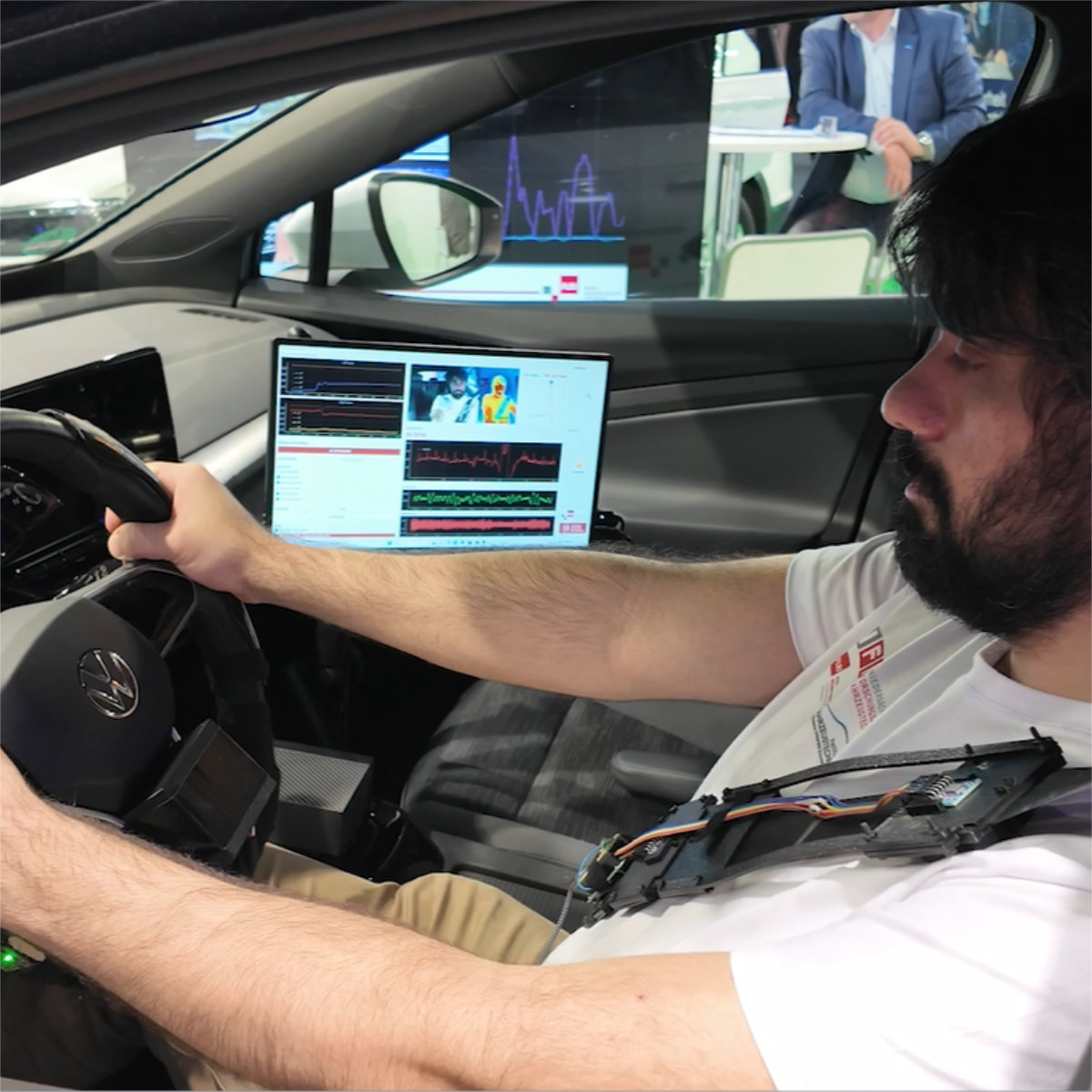
Our car bodies no longer conceal just an engine, but several layers of high-quality technology. Of course, there are the radars in the bumpers, but in recent years, multifunction cameras have also been added, and today there are lidars. As soon as these areas are damaged by an impact, ADAS calibration is required, and with it new skills to understand these technologies and apply the new calibration tools in accordance with the standards specified by the manufacturers. This is because these technological layers also come with high requirements. Manufacturers warn that the thickness and composition of the paint layers on the radar areas can interfere with the sensors. This has prompted some companies to recommend radar-compatible formulations and procedures to avoid functional deviations after repairs.
Simply register with your email address and read the full article free of charge!
Please check your login details.
Tony de Clercq
Editor – Info Garage (Belgium)
Reporting for Gateway from the world of automotive.