Thanks to greater mutual empathy resulting from a diversity of transport modes far fewer accidents than feared actually do happen, says Berlin-based mobility researcher Andreas Knie. He pleads for a new prioritisation of space and availability.
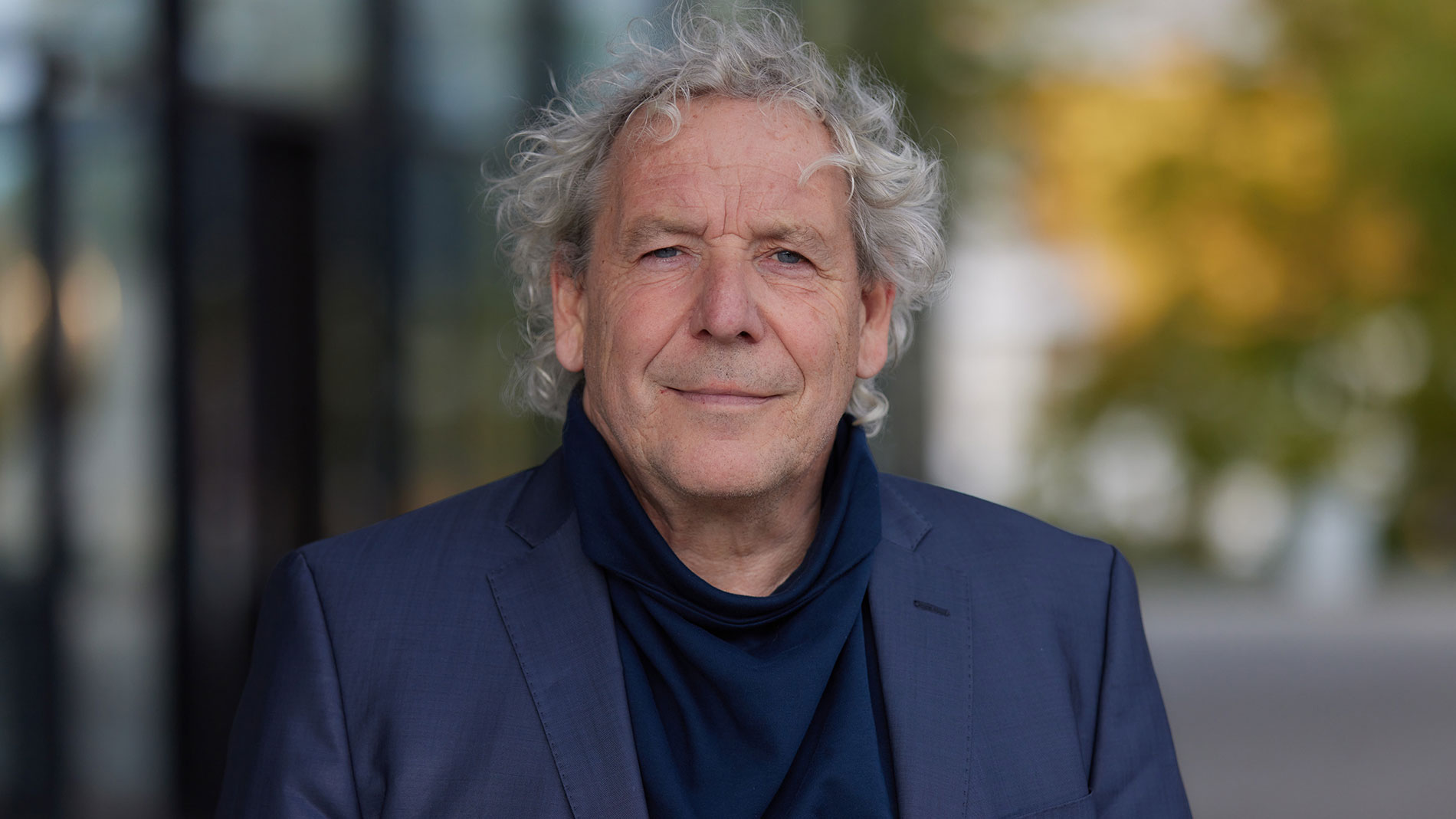
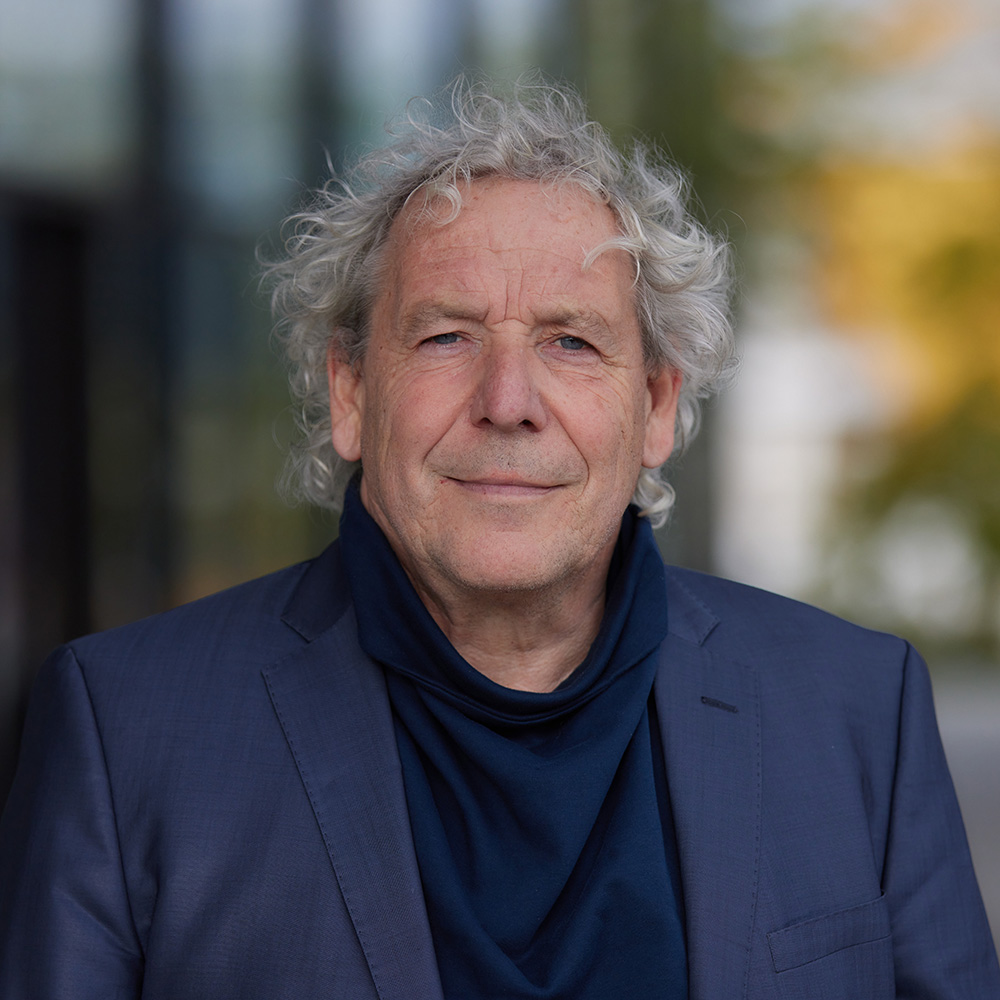
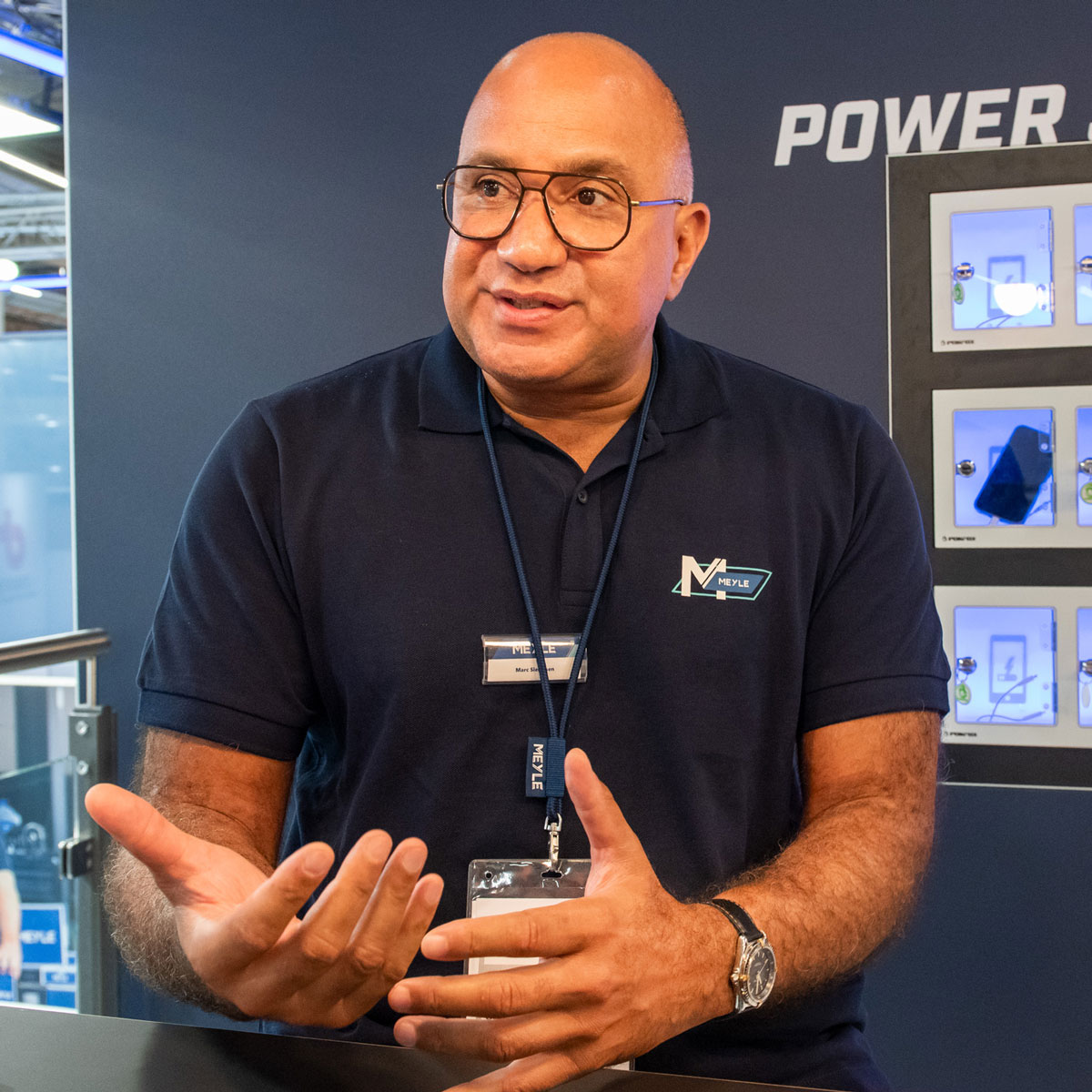
Prof Andreas Knie, social scientist at the WZB and professor of sociology at the Technical University of Berlin. Picture: Bernhard Ludewig
Prof Andreas Knie is a social scientist at the Wissenschaftszentrum Berlin für Sozialforschung (WZB) and professor of sociology at the Technical University of Berlin. He is conducting research into the mobility of the future in various projects. Since his dissertation ‘Diesel – Career of a Technology’ and his habilitation thesis ‘Wankel-Mut in der Autoindustrie’, he has never lost interest in the subject.
Why does traffic in cities cause such strong emotions?
As a sociologist, I would say it’s because of the perspective specific to each mode of transportation. The writer Irmgard Keun described it beautifully in 1953: “Get into your first car and say goodbye. As a driver, your previous views as a pedestrian will change radically.”
Is that the reason behind it?
I think so. Today, we are fighting over who gets to use the limited space on the road and how. Pedestrians are complaining. The Allgemeine Blinden- und Sehbehindertenverein is criticising e-scooters. And we have more cyclists in our cities. In Leipzig, Bremen and Dessau, for example, 20 to 30 per cent of journeys are already taken by bicycle.
Do the crowded roads and the perceived chaos of different modes of transportation make people upset?
You can hear it in the honking. Colleagues from accident research have told me that there should actually be a lot more crashes.
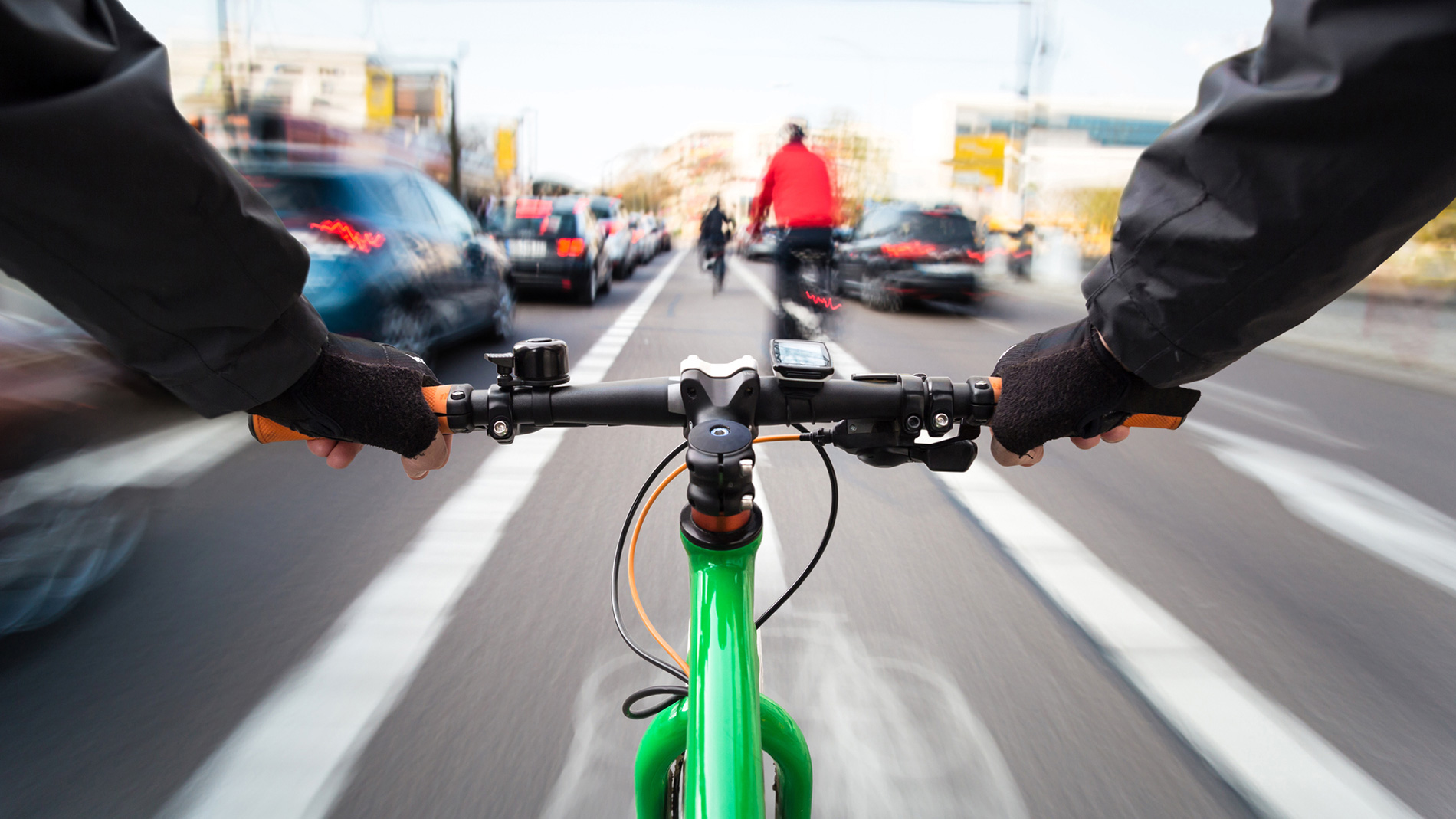
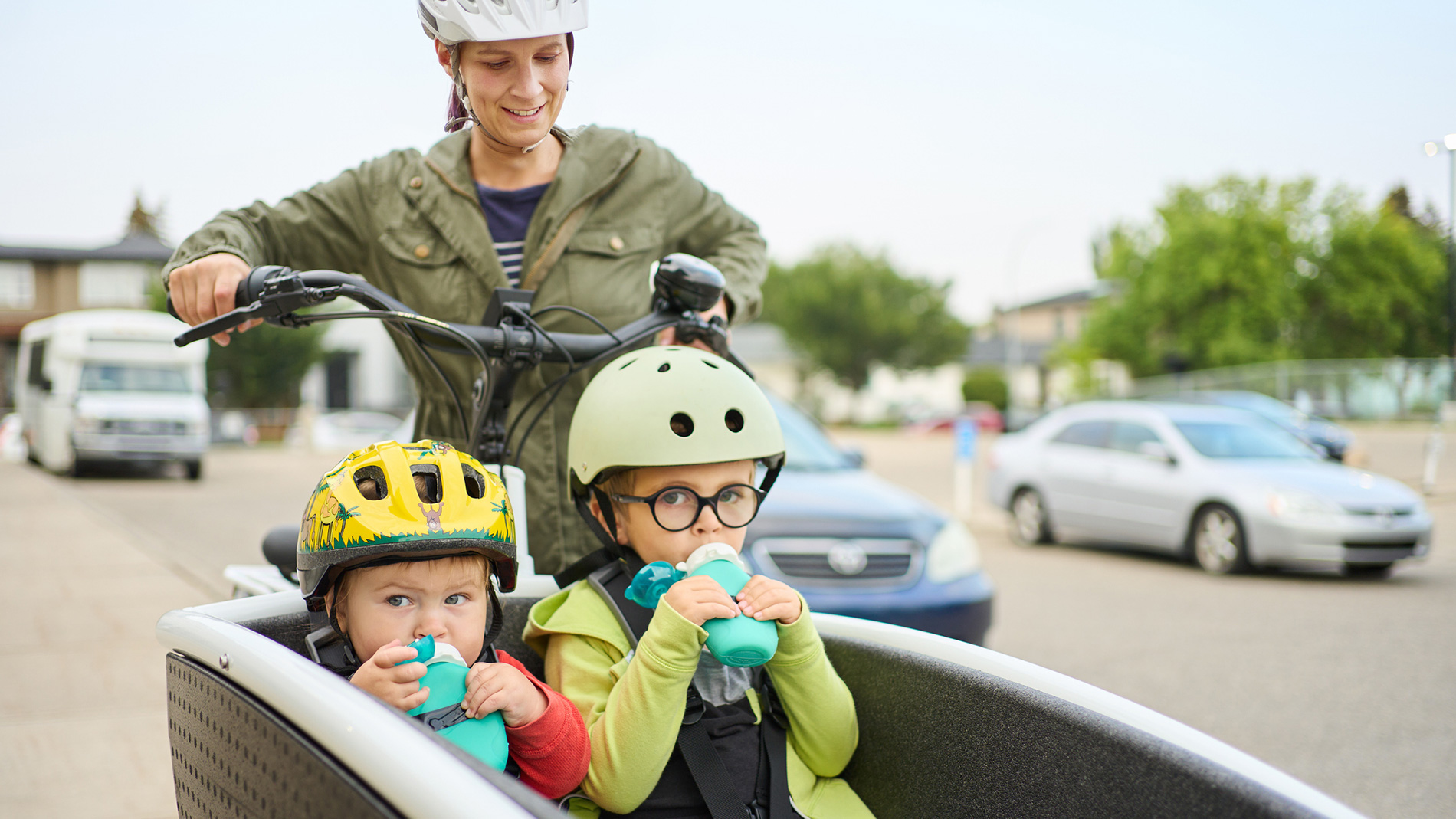
Many motorists are also cyclists themselves and benefit from this perspective on road traffic. Picture: David_Sch
Why doesn’t that happen?
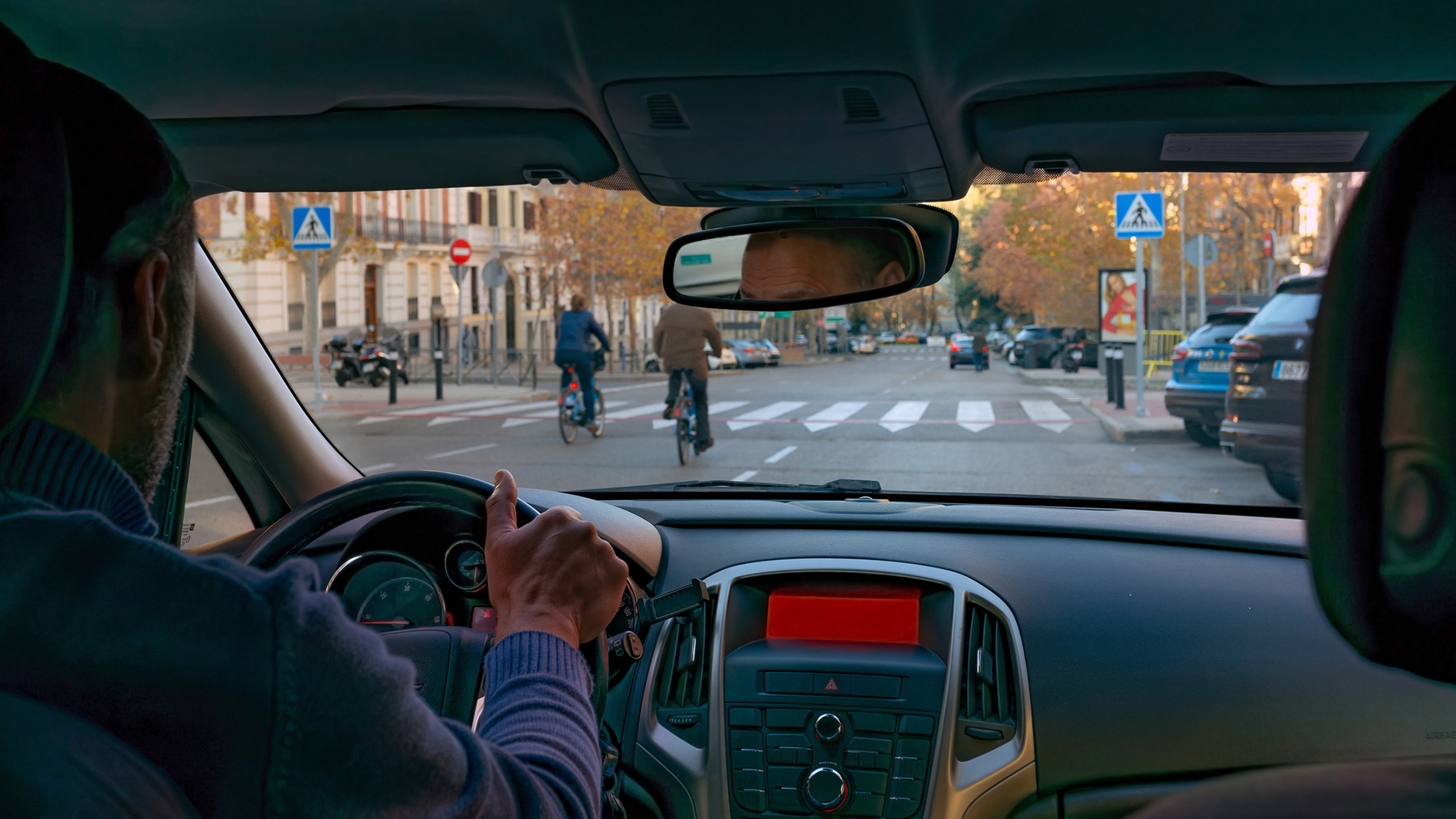
Because it’s also an advantage that young people in big cities use intermodal transport for every second journey, i.e. they combine different modes of transportation. That’s why they know the road from different perspectives. We found that most motorists are also cyclists and therefore pay more attention to them, for example when turning right.
The number of deaths on the roads is falling, but the number of injuries remains high. How do you explain that?
We have a very good emergency service in Germany, which saves many lives. At the same time, the overall accident rate remains high. On the positive side, despite greater complexity in cities, the system is not collapsing. This is also due to the fact that many people today have multiple roles: motorists, cyclists, pedestrians. This perspectival knowledge increases consideration and anticipation.
So less dominance of one mode of transportation, more shared responsibility?
Exactly. Shared spaces demonstrate this. When cars do not automatically have right of way, different behaviours emerge. This is not a sure-fire success, but it can lead to a more civilised traffic culture.
In cities, more and more cars are left parked and are used more as a mobility reserve rather than as a primary daily means of transport. Picture: Jose Gonzalez Buenaposada
The car is often declared dead, yet at the same time registration numbers continue to rise slightly. How does that fit together?
If you look closely, it is mainly the number of commercially registered cars that is increasing, which means mostly company cars as a tax-privileged type of use. Private new car purchases have been declining for years. We therefore do not see a comeback of the private everyday car, but rather a volume effect due to company fleets. Cars remain present at a high level, but are increasingly being used in cities as a mobility reserve rather than as the main means of transportation.
Studies show that many people buy a car but drive it very little. Isn’t that paradoxical?
It’s only paradoxical at first glance. For decades, Germany has been built around the car: housing estates, road space, shopping. People who live with this infrastructure stick with their cars, even if they use them less.
We saw these priorities most recently in winter road maintenance.
Exactly. First the roads, then the cycling lanes, and finally sidewalks – if at all. This still shows the hierarchy very clearly. In terms of transport policies, this means that we not only need new technology, but also a new prioritisation of space and availability.
You used to work for the Deutsche Bahn. Is the current situation primarily an acute crisis of dilapidated infrastructure or a structural problem?
More of a structural problem that has been building up over decades. The infrastructure has not been adequately modernised for a long time. For me, it is crucial that operations and infrastructure work together better in terms of organisation. The debate often focuses on symptoms instead of focusing on governance. We finally need a railway from one mould. This obscures the view of necessary innovation within rail transport itself.
The public transport system needs to be restructured so that it is seen as an alternative form of mobility for everyone, not just people without cars. Picture: Oleh_Slobodeniuk
You have often said that innovation in public transport is also happening less often than many people believe.
We have selective digitalisation in tickets and navigation. But in many places the system is still organised as it used to be: not integrated enough, not flexible enough, not user-centred enough. Transport policies must address public transport as the backbone for everyone and completely rethink it, not as a last resort for people without cars.
The situation among young people seems contradictory: intermodal behaviour in the city, but still a strong desire to obtain a drivers licence.
The drivers licence remains important, but the timing of obtaining it is shifting. The cost of 3,000 to 5,000 euros is a major hurdle for many young people. In urban areas, the immediate pressure is less than it used to be. Many people get their drivers licence later on.
Rural areas, however, remain heavily dependent on cars. At the same time, many buses are underutilised. With what kind of transport policy would you respond?
Firstly, we need to recognise that we have historically developed a car-centric spatial structure. Secondly, outside of school transport, fixed routes no longer work in many places. Thirdly, we need a publicly organised on-demand system for the first and last mile, i.e. ‘hub and spoke’ as a strategic link. People are brought to hubs and then distributed from there. With the price being crucial: it must be as cheap as public transport.
Storage areas need to be redesigned to free up space for other uses. Picture: AJ_Watt
Cargo bikes are growing rapidly, but there is a lack of parking space. How should city policy makers respond?
Cargo bikes are useful, but they need space. The basic principle is that stationary private car traffic cannot permanently occupy public space indefinitely. For loading and unloading yes, long-term parking no. We need parking facilities, neighbourhood solutions and honest pricing. Only then will there be space for bicycle parking, safe routes, delivery zones and quality of life.
When parking spaces are removed, dreary gaps often remain. In Hamburg, for example, it took decades before the parking space in front of the Pressehaus could be structurally integrated – and it still has not.
That’s right. Only opening up spaces is not enough. Urban development must be actively shaped: better space design, diversity of use, attractive third places with work, amenities and good accessibility. Mobility and urban planning must work together more closely.
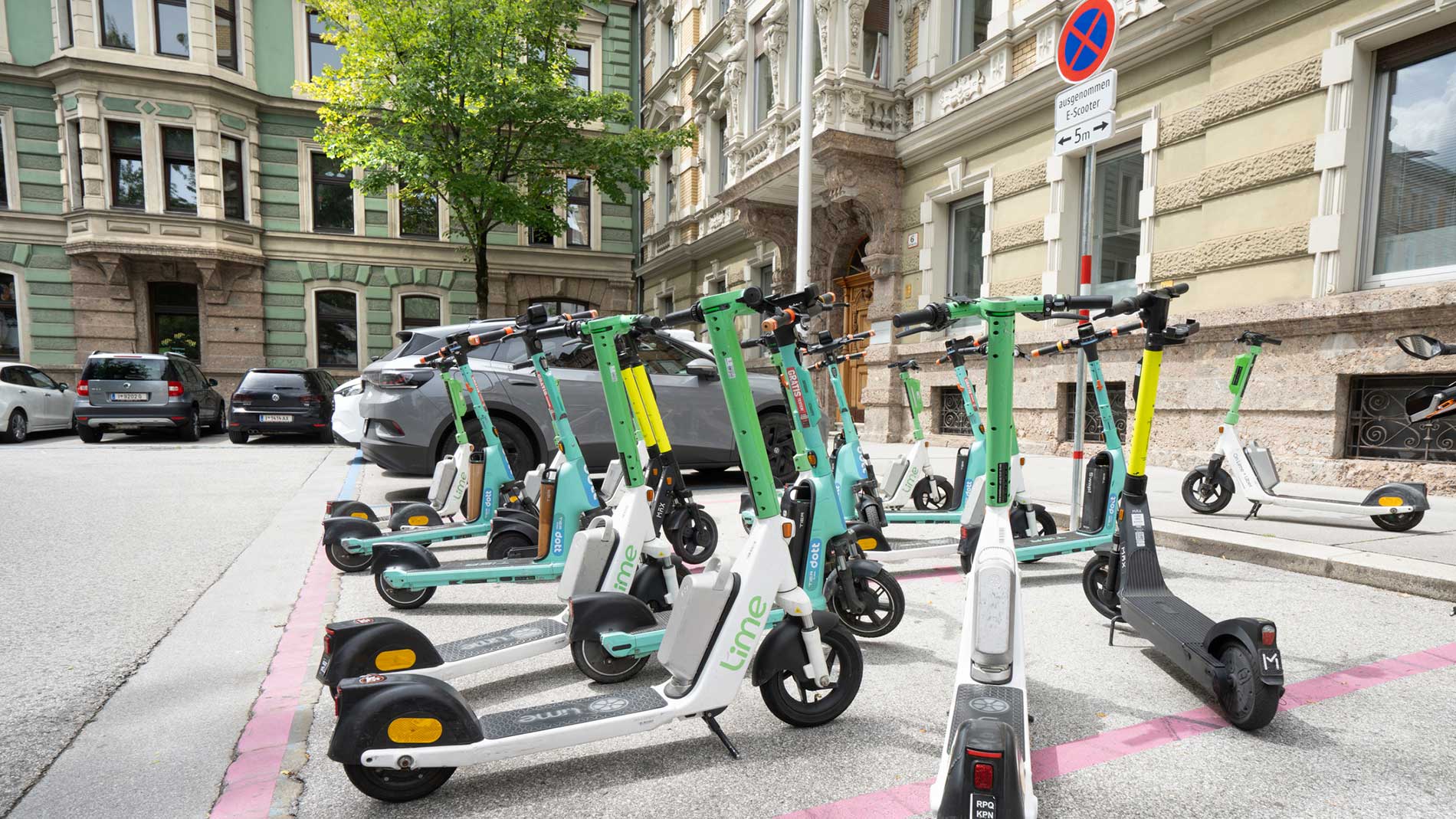
E-scooters are primarily used to connect different stops. Picture: Sergio Delle Vedov
There was a lot of excitement about e-scooters, but things have quietened down now. Why?
Because local authorities have made adjustments: special use, parking rules, clearer control. This makes conflicts manageable. For many journeys, scooters are a useful link between stops. Yes, there are problems such as incorrect parking and vandalism, but much of this can be improved through regulation and operational measures.
And the helmet debate?
I place greater emphasis on safe infrastructure and system design rather than on debates about individual protection alone. The goal is a true zero-vision: no fatalities and no serious injuries.
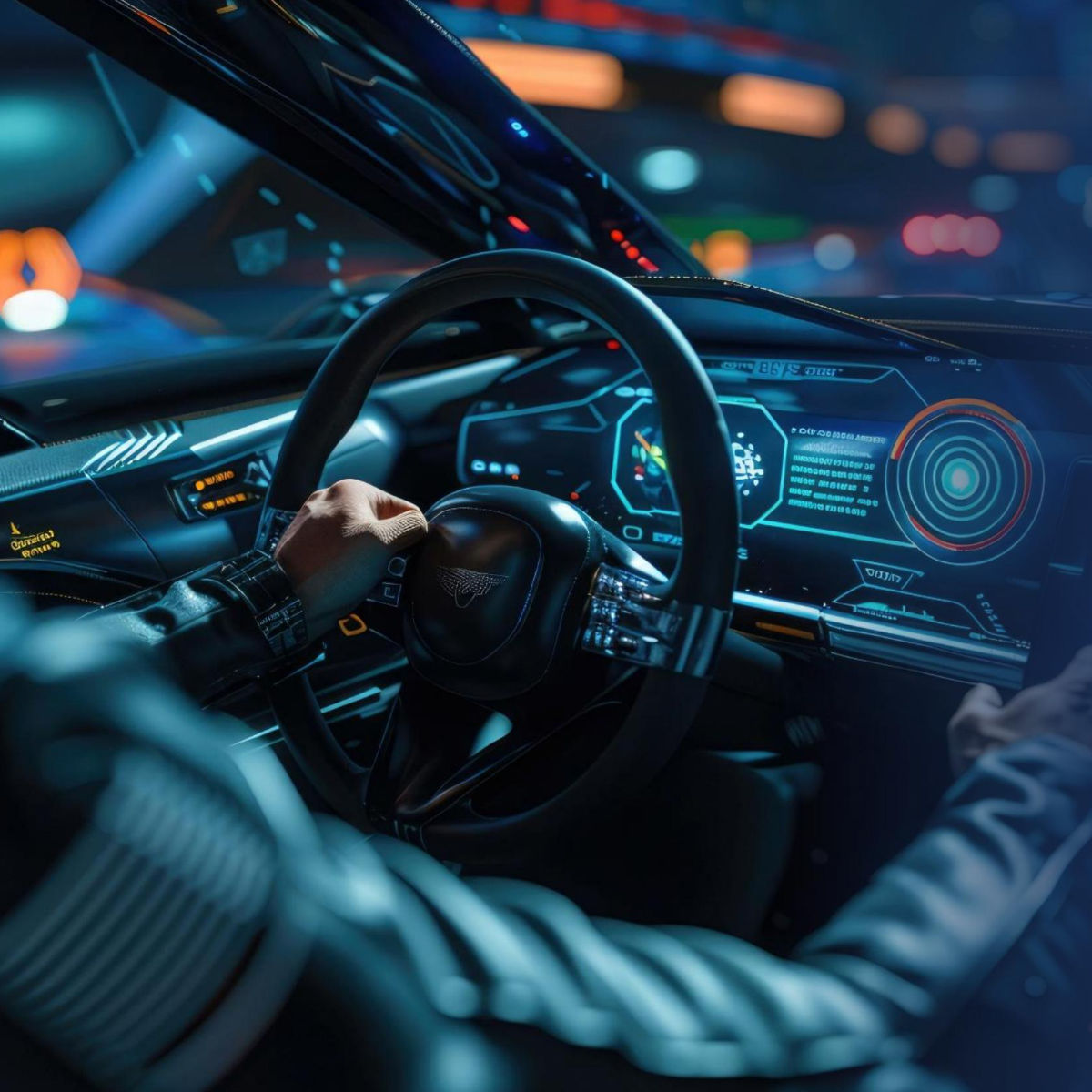
The next major change is autonomous driving. Many people still say: I would never get into a car without a driver.
We are familiar with this scepticism from many new technologies. In practice, we usually see people getting used to them as soon as they experience their safety and comfort. Autonomous driving is no different. Acceptance grows with real use, not with abstract debates. The argument of greater safety is becoming convincing for more and more people. Of course, the usefulness of such systems in widespread application still has to be proven.
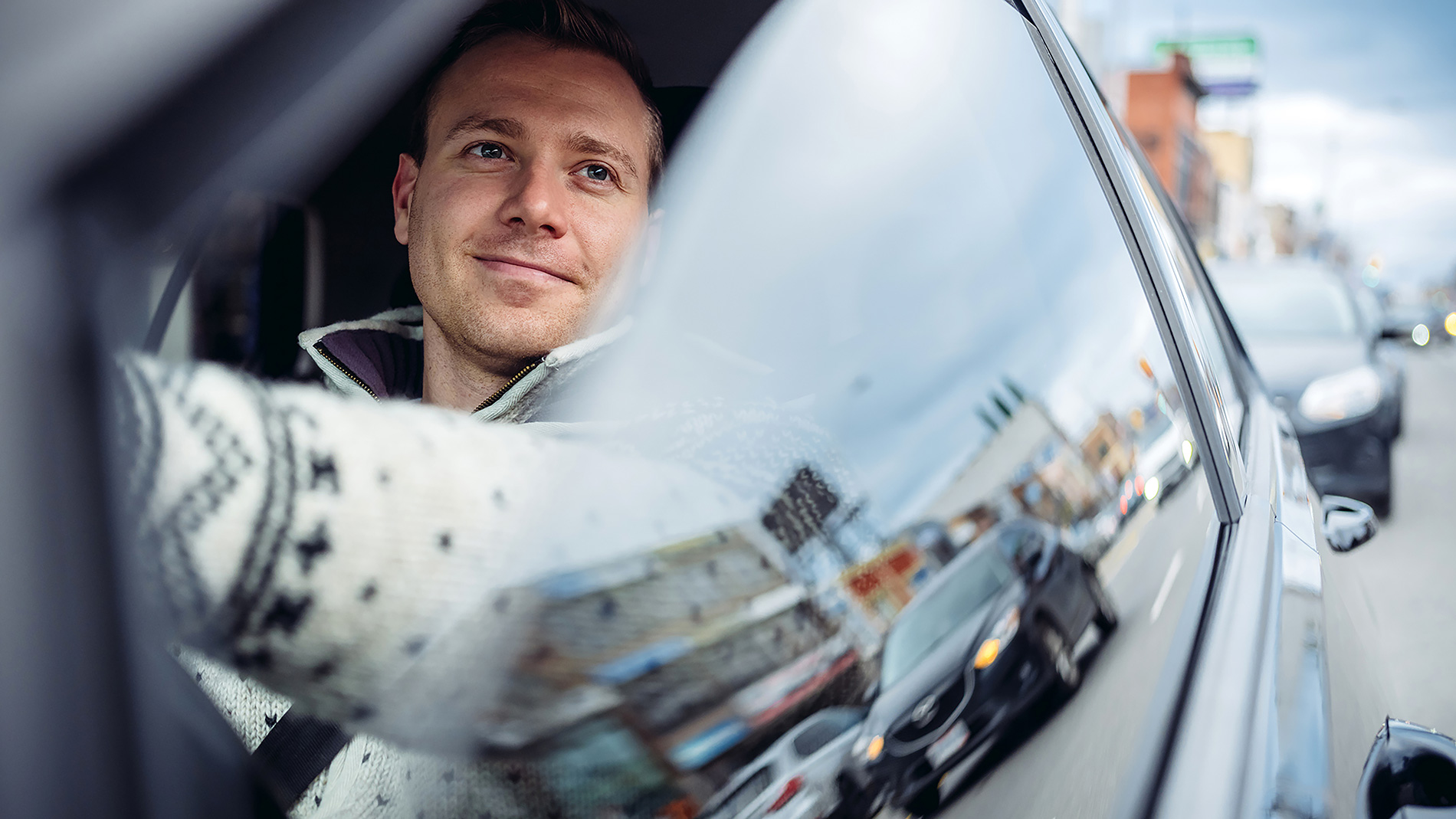
‘Driving for pleasure’ is a leisure activity. However, when it comes to everyday mobility, the deciding factors are reliability, safety, cost and time. Photo: FOTOGRAFIA INC.
What about the classic argument of ‘driving for pleasure’?
That will remain a leisure activity; there are so many discontinued or rarely used race tracks where people can go to blow off some steam – but it will not be the basis for everyday mobility in the future. What counts in everyday life are reliability, safety, cost and time savings.
What role do robotaxis play in your model?
They play a central role for the first and last mile as well as for short to medium distances. Robotaxis will not replace every journey or long-distance transport, but they will close systemic gaps. My guiding principle is: the alternative to private cars is a car in combination with buses and trains.
Is this technology arriving in Germany fast enough?
It will become more visible very soon. The challenge is not so much whether it will arrive at all, rather than with which platforms and and with which policies. Germany must act strategically and wisely in terms of regulation and allow more openings.
Many debates revolve around data protection. Will this be a hindrance?
Data protection is important, but it should not be misused as a stop sign. We need clear, comprehensible rules for data use, security and liability, rather than fundamental blockades. If applications function reliably and their benefits are visible in everyday life, acceptance will increase rapidly.
“Robotaxis are paramount to the mobility of the future, especially in rural areas.”
What could be implemented politically in the short term to measurably accelerate the mobility transition?
Three points: firstly, reorganise public spaces, i.e. that parking spaces have to be continuously transformed into movement and recreation areas. Secondly, finance the first/last mile as a regular part of public transport, especially outside of city centres. Thirdly, simplify digital integration, i.e. ensure continuous, low-threshold use across all modes of transportation. If these three levers are applied simultaneously, the effects will be quickly apparent.
So less individual measures, more systemic change?
Exactly. Transport policy often fails, because each measure remains isolated. But people evaluate the entire travel chain: availability, transfers, time, price, safety. That’s why we need an integrated overall system instead of separate partial solutions.
Finally, an international comparison: where does Germany stand in the mobility transition?
Germany was historically a pioneer, but has slowed itself down by its long fixation on combustion engines. Many European neighbours are further ahead in terms of land use, urban quality of life and pragmatic multimodality. We are catching up, but not quick enough. The crucial question is: can we make the transition from automatic preference for cars to an integrated, digital and socially accessible overall system? This is precisely where the mobility transition will be decided.
Text: Michael Hopp
Head of Content at the Gateway editorial team and an absolute pioneer in recognising automotive trends