Reading time: 4 minutes
Mr Pollmann, what was the initial impulse behind developing EVOLVE?
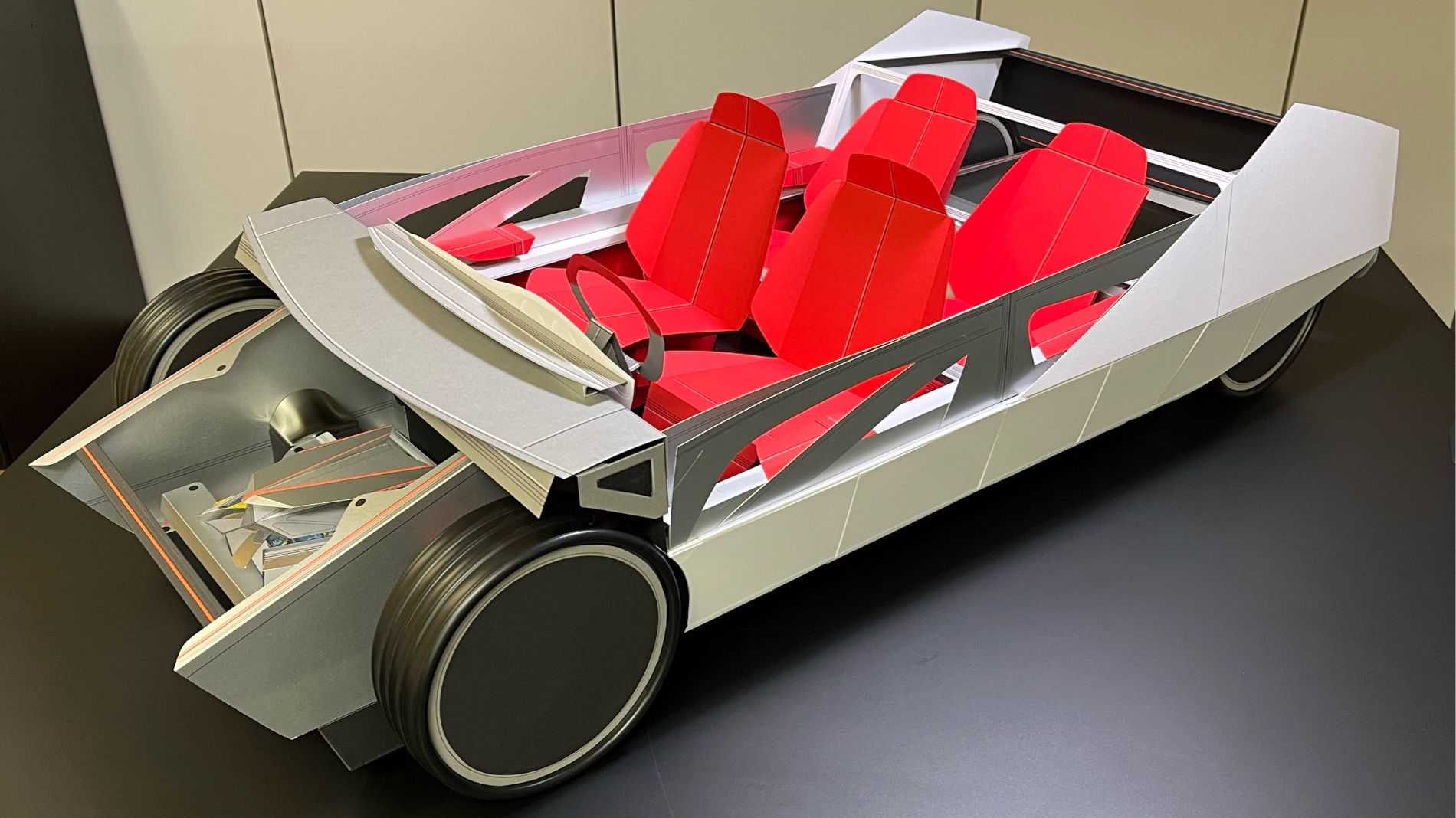
Gert Pollmann: For a long time, “made in Germany” cars were internationally regarded as a seal of innovation and quality. And that’s exactly where we need to get back to! German-made cars should once again be market trendsetters. Our concept car is therefore intended as a collection of ideas. You can think of it like a house: we now have the framework, a well-designed structure, which we want to gradually equip with sustainable, innovative components.
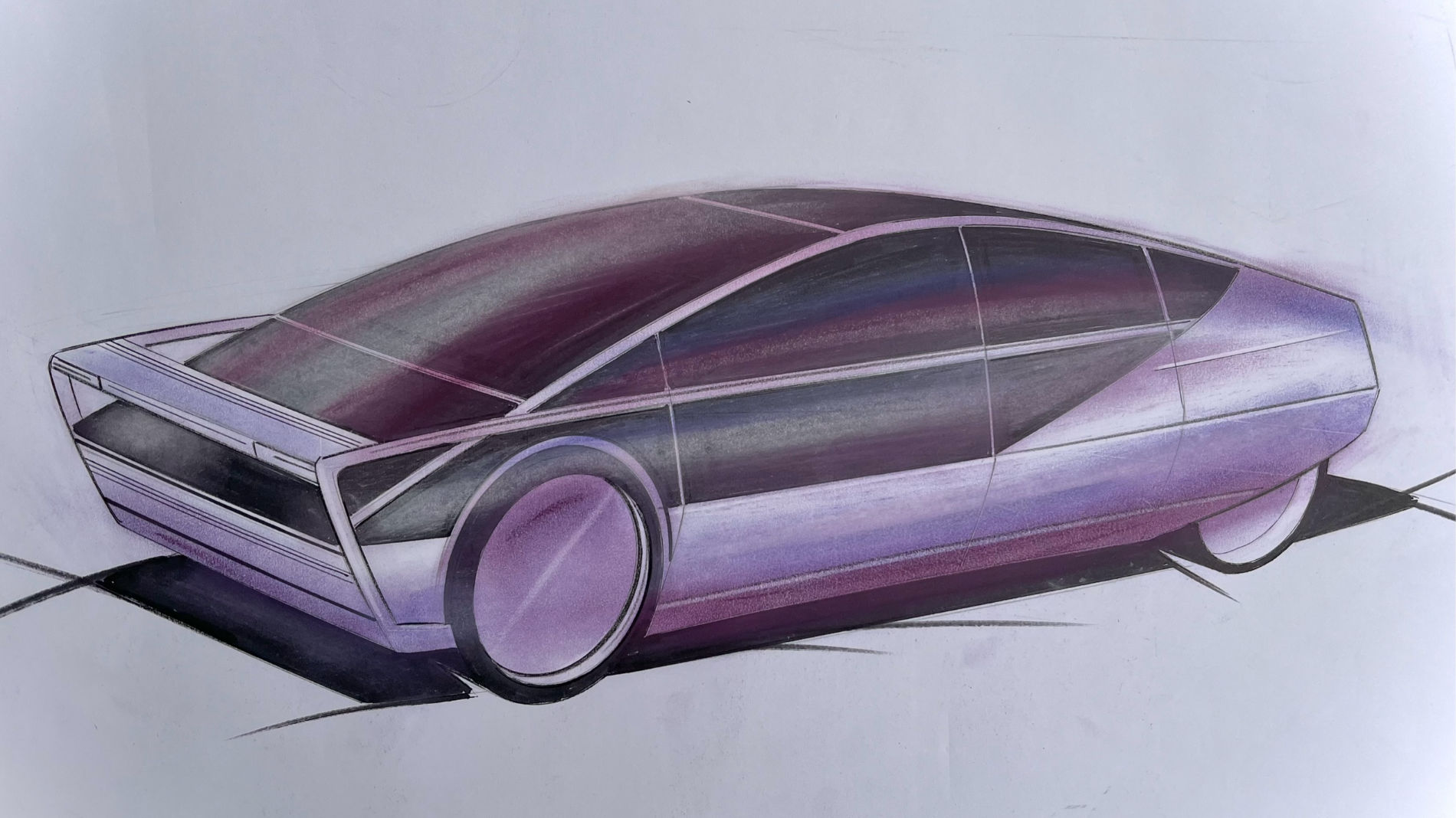
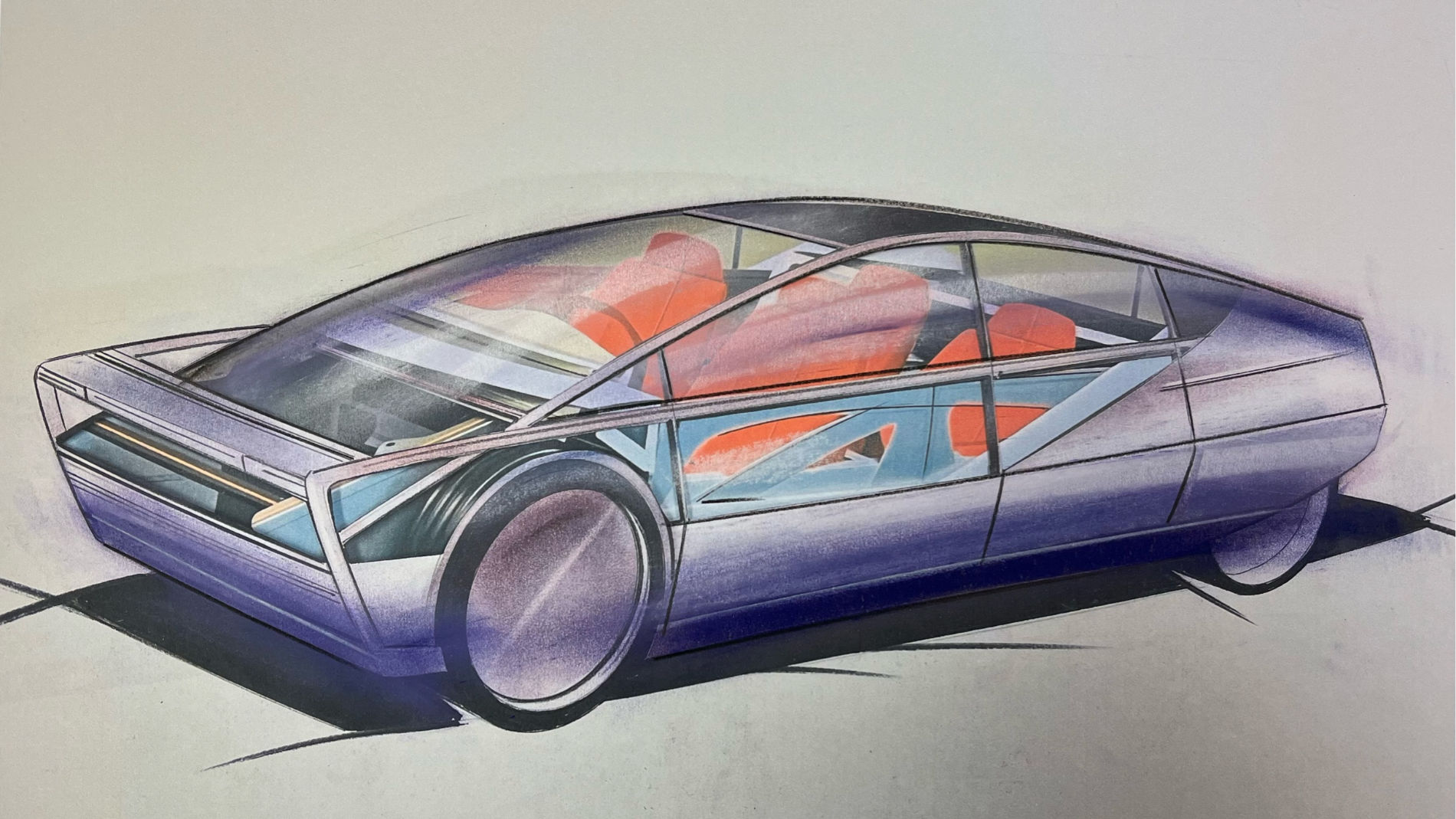
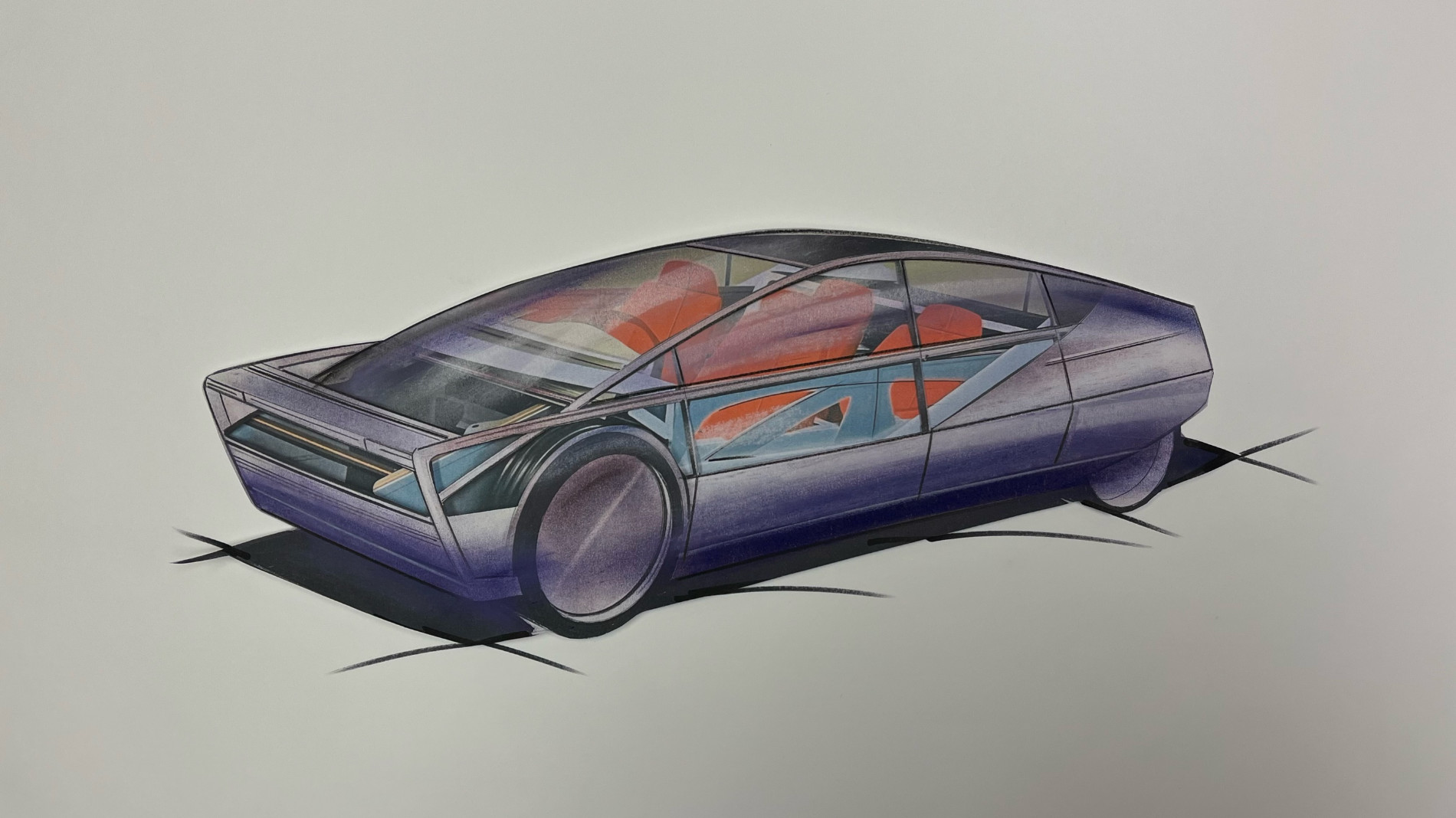
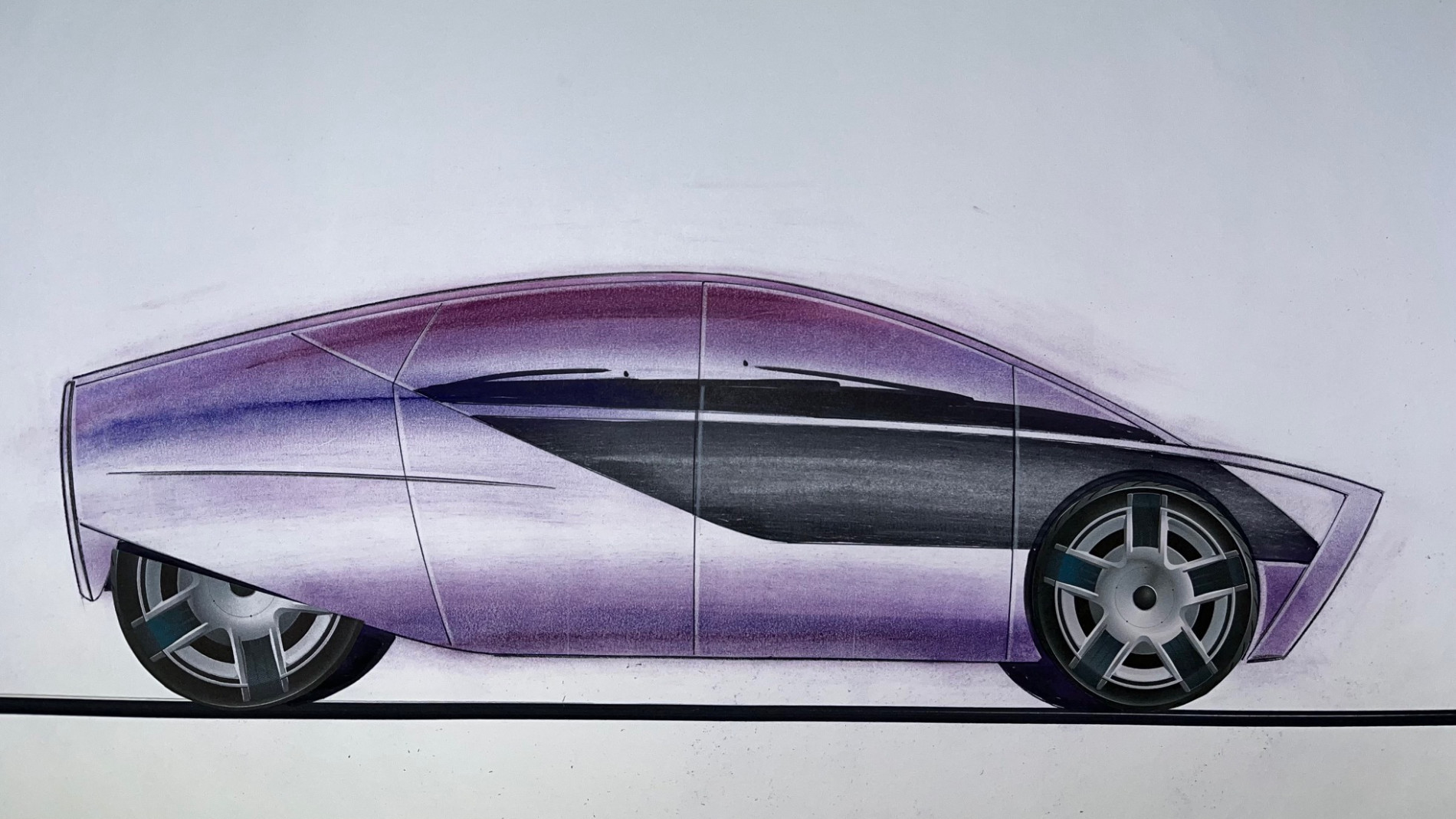
So your concept car works like a house that you can repeatedly “refurnish”?
Gert Pollmann: Exactly. Similar to a house whose core structure lasts for decades while individual components—like heating systems—need replacing, our concept car is designed with a chassis that can remain in use for a very long time. We expect up to 50 years. Everything else can be changed and adapted to trends and time. Technology evolves rapidly, and vehicle features change accordingly. Personal taste can also shift over time. Perhaps I initially designed my concept car in a British style, but ten years later I prefer a French-inspired interior. Then I simply replace those elements, while everything else remains. Maybe I want a more powerful battery or a larger touchscreen. These parts can be modified individually without having to buy an entirely new car.
Who can participate in your concept car project?
Gert Pollmann: Any supplier exhibiting at Automechanika who has an idea that is forward-looking and sustainable can contribute to the development of our vehicle. Together, we will present the model at Automechanika Frankfurt 2026 in the HighTech4Mobility area. That is why the vehicle is designed to be modular, allowing individual components to be installed—such as the dashboard, door panels, brakes, a car seat, roof element, centre console, an EV battery, and much more. We only provide the chassis as the foundation.
Interested in contributing to the Concept Car? We’d love to hear from you!
Gert Pollmann will be happy to inform you about individual participation opportunities.
Contact: Gert Pollmann
Email: gp.gmbh@t-online.de
Phone: +49-172-8655654
How do you ensure that the car’s appearance still looks modern in 50 years?
Gert Pollmann: Design is always a matter of debate, of course. In my view, there is only one solution: it must be extremely minimalistic. You can see this in vehicles built 30 or 40 years ago that we still admire today, such as certain Jaguars or many Italian design studies from the 1970s. There are some real classics—like the Mercedes G model, which has existed for 50 years. Popular design principles for decades have included a flat windshield, large wheels, and ideally a striking front section with an overall broad and flat appearance. Based on that foundation, there are still designs today that will remain relevant for decades — especially if the stylistic base is kept very simple.
What role can concept vehicles like EVOLVE play in shaping a sustainable mobile future?
Gert Pollmann: This vehicle is designed to be extremely durable while still remaining state-of-the-art. To give a concrete example: after a few years, you might want to buy and replace a new instrument cluster, a modern centre console, or any other feature. That may sound simple, but it would actually be a huge step and runs counter to how today’s automotive industry thinks. Yet this could be the path to a more sustainable future! Instead of disposing of the expensive core structure, you would update the other components. That would be extremely sustainable
As a mobility visionary, how do you expect future mobility to develop?
Gert Pollmann: Individual mobility will still exist in the coming decades. As rental and housing prices continue to rise, people move further out of urban centres. These areas often have poor public transport connections, which means they will continue to rely on cars—particularly for commuting. What I find much more exciting are the technological developments on the horizon, such as autonomous driving. It is conceivable that intelligent cars in 10 or 20 years could cause almost no accidents. In that case, heavy passive safety elements like airbags or side-impact protection would become unnecessary and could be removed. This would save enormous weight and reduce the energy needed to move the vehicle. Today, an electric car can easily weigh 2.5 to 2.8 tonnes. By comparison, a mid-size car from the 1970s weighed just about one tonne.
And from an economic standpoint? A vehicle designed to last so long wouldn’t necessarily boost new car sales …
Gert Pollmann: I hear that objection frequently. People say the industry would collapse if only individual components were renewed and no one bought a “whole” car anymore. But what many don’t realise is that manufacturers don’t make money from standard vehicles—they profit from the additional M-features: sunroofs, stylish alloy rims, leather seats, navigation systems. Cars today are already like Christmas trees that need decorating. We took this idea further with the concept car, in a way that makes sense for everyone—the manufacturers, the suppliers, the customers, and the environment.