
Reading time: 4 minutes
As governments across the world accelerate the transition to zero-emission transport, a common challenge persists: how to connect research, industry, investment, education and regulation into a coherent ecosystem rather than a collection of isolated projects.
Finland offers a compelling answer
While the country is best known internationally for charging technology company Kempower and its strong engineering base, the real story extends beyond individual players. Over recent years, Finland has assembled one of Europe's most integrated electric mobility frameworks — connecting industry associations, research institutions, universities, public authorities, recyclers, investors and aftermarket organisations into a common structure designed to support the entire transition, not just parts of it.
Three pillars, one ecosystem
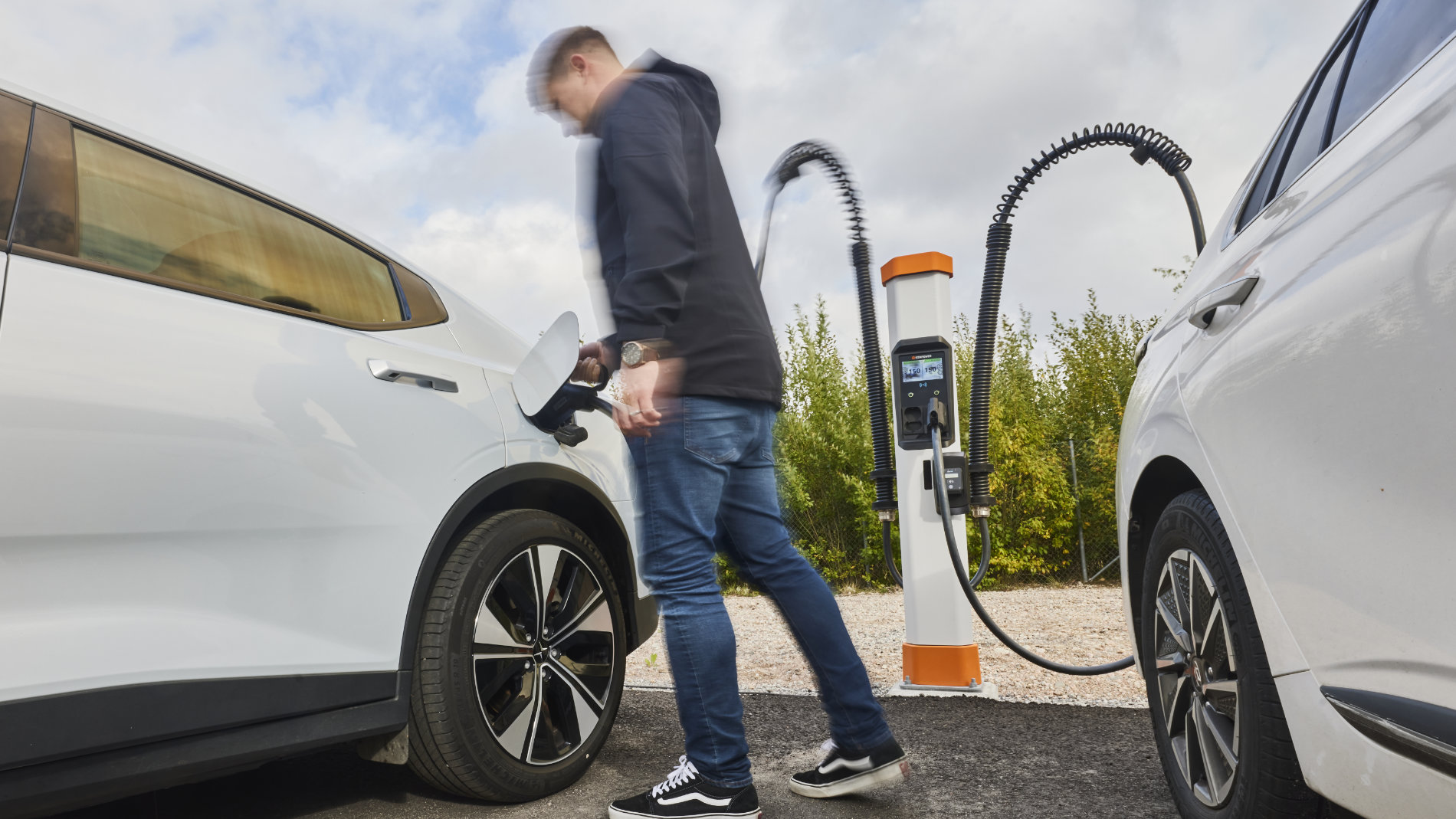
The Finnish approach rests on collaboration between three complementary organisations. The Finnish Electric Transport Association (Sähköinen liikenne ry) serves as the national industry body, bringing together companies, public authorities, researchers and policymakers to advance transport electrification and provide a unified industry voice.
The Electric Mobility Research Center (EMRC), established jointly by LUT University of Lahti and Kempower, provides the research backbone. Around fifty researchers work on projects spanning charging technologies, heavy-duty electrification, energy infrastructure and future mobility systems.
At the regional level, the Lahti GEM cluster connects companies, universities, municipalities, investors and international partners. Coordinated by regional development agency LADEC, its primary function is facilitation — reducing barriers to growth, accelerating innovation, and offering international entrants a single point of access to a broader network of Finnish expertise.
From industrial disruption to mobility leadership
The origins of the Lahti GEM cluster reflect a broader pattern of economic transformation. In 2021, the City of Lahti received the European Green Capital award for its long-term commitment to sustainability. Almost simultaneously, the closure of Scania's bus manufacturing operations resulted in the loss of more than 200 industrial jobs. Regional stakeholders identified electric mobility as the most viable growth sector to fill the gap.
The timing proved significant. As Scania's facilities were vacated, Kempower was expanding rapidly and moved into the same premises. That convergence helped crystallise a new mobility-focused cluster around electrification, logistics, charging infrastructure and sustainable transport.
Beyond passenger cars
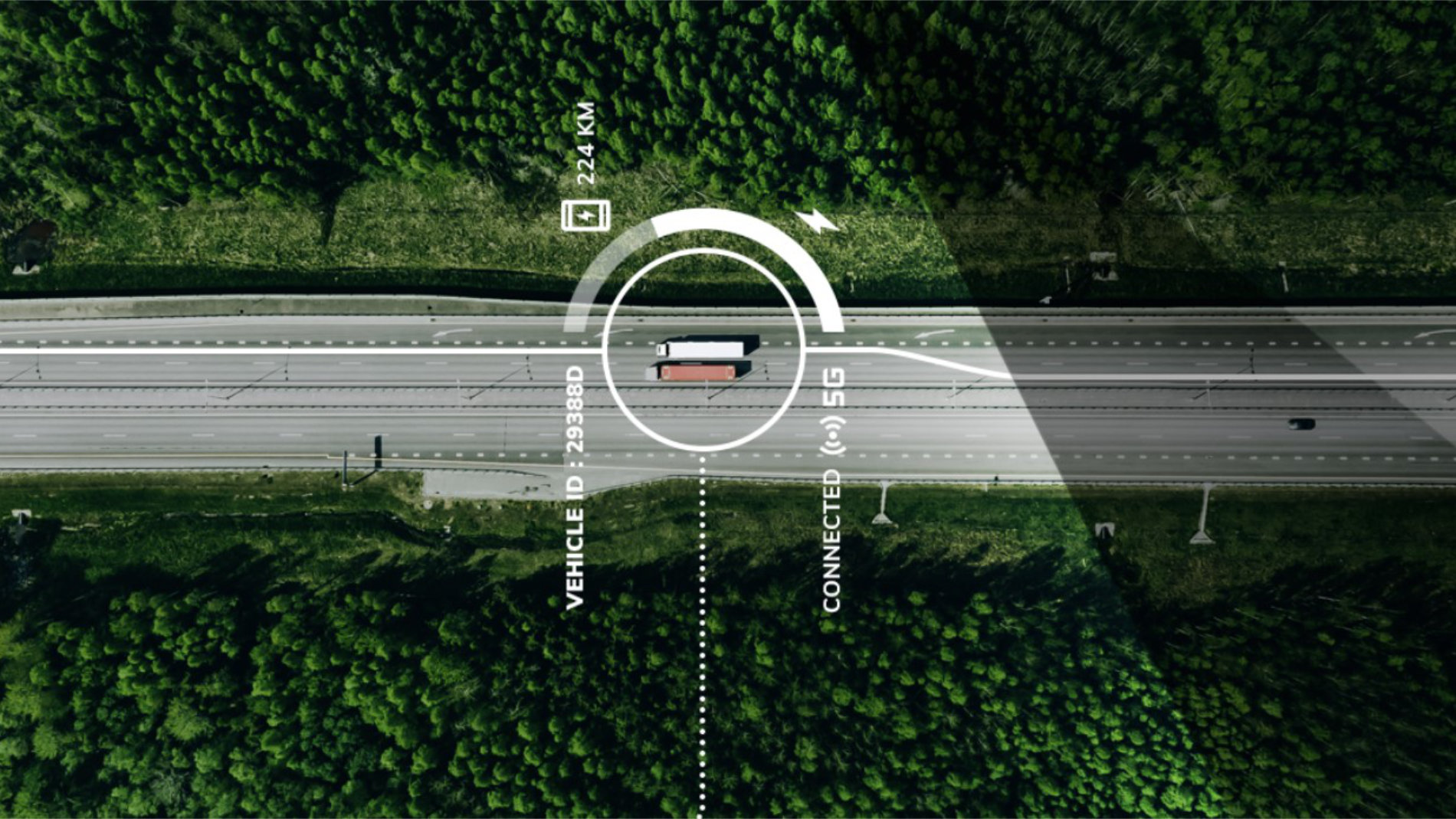
Current ecosystem activities address heavy electric transport, logistics corridors, battery technologies, circular economy solutions, energy systems and data-driven mobility services. Battery repair, second-life applications and end-of-life recycling are increasingly treated as strategically important as vehicle manufacturing itself.
Regulation as the next frontier
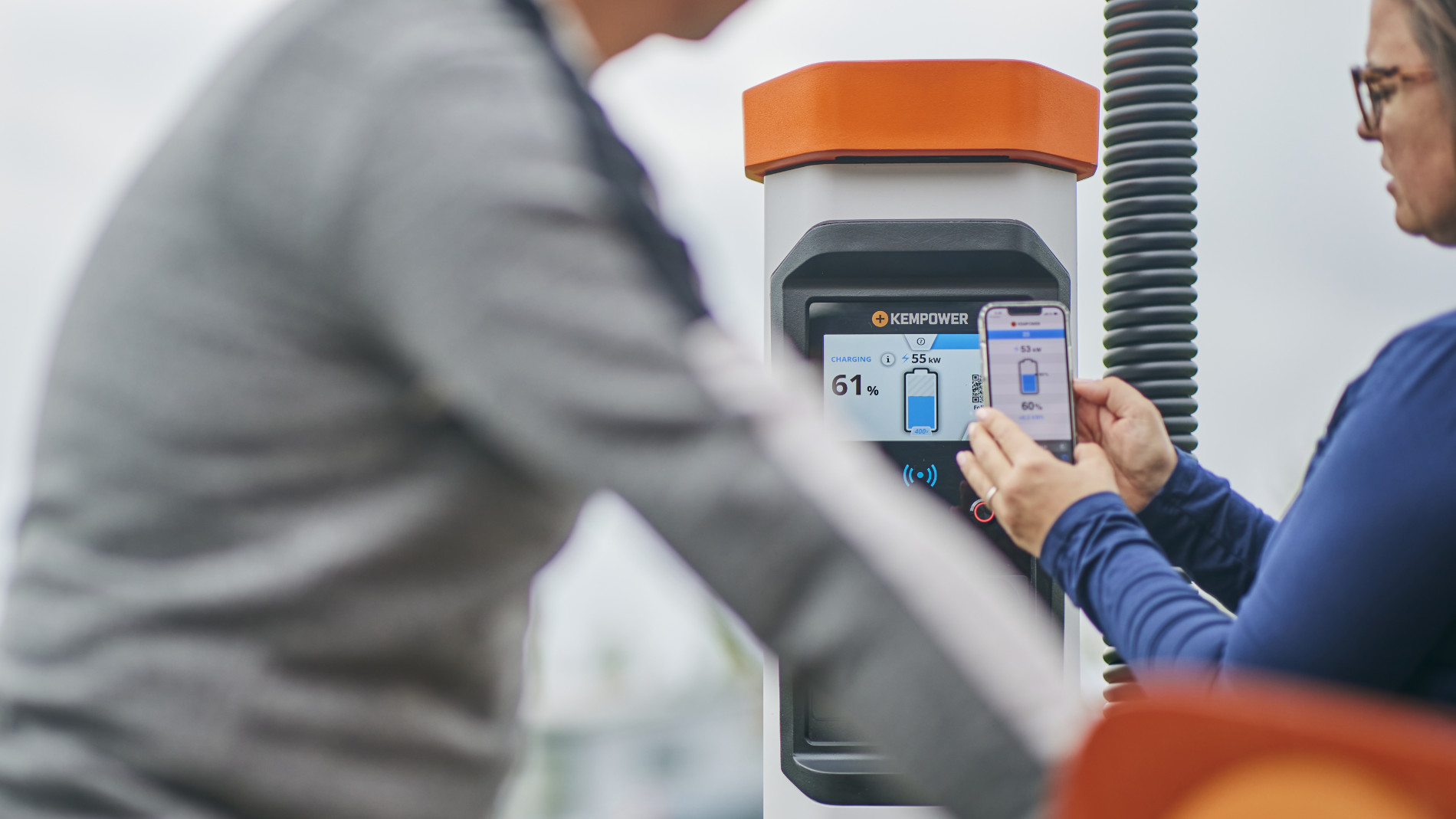
Across Europe, policymakers are preparing new frameworks governing electric vehicle batteries, repairability, recycling, safety requirements and data access. Technological development is currently outpacing legislation — creating a risk that future regulation generates unintended consequences for the aftermarket.
Finnish stakeholders have responded by convening all relevant parties early. A recent high-level workshop organised jointly by AAPT and Lahti GEM brought together industry representatives, government officials, researchers and recycling companies. Participants included experts from Kempower, EMRC, LUT University, the Ministry of Economic Affairs and Employment of Finland, Stena Recycling and Sähköinen liikenne ry. The objective was not to defend sectoral interests but to develop a common framework before positions harden.
A model worth watching
Finland's experience demonstrates that the transition to zero-emission mobility is as much an organisational challenge as a technological one. As countries worldwide seek to accelerate transport electrification, Finland's most transferable export may not be a specific technology. It may be a collaborative model that allows innovation, business development, investment and legislation to evolve together.
Kempower: The Next Phase of EV Infrastructure
As electric mobility moves beyond passenger cars, Lahti-based Kempower is positioning itself at the centre of Europe's next infrastructure challenge.
The electrification of passenger cars dominates headlines, but the more significant near-term shift may be happening in heavy transport. Mikko Veikkolainen, Chief Innovation Officer at Kempower, sees the logistics and heavy-duty sector reaching an inflection point. Investment plans among key European operators are already well advanced, and he expects a substantial wave of new electric heavy-duty models to reach European roads within the next twelve months.
For Kempower, this is familiar territory. The company's focus has always been on high-power DC fast charging rather than the slower AC charging typical of passenger vehicle applications. Heavy transport runs on different requirements — higher power, faster turnaround, demanding duty cycles — and that is precisely where Kempower has built its expertise.
Charging infrastructure is getting smarter
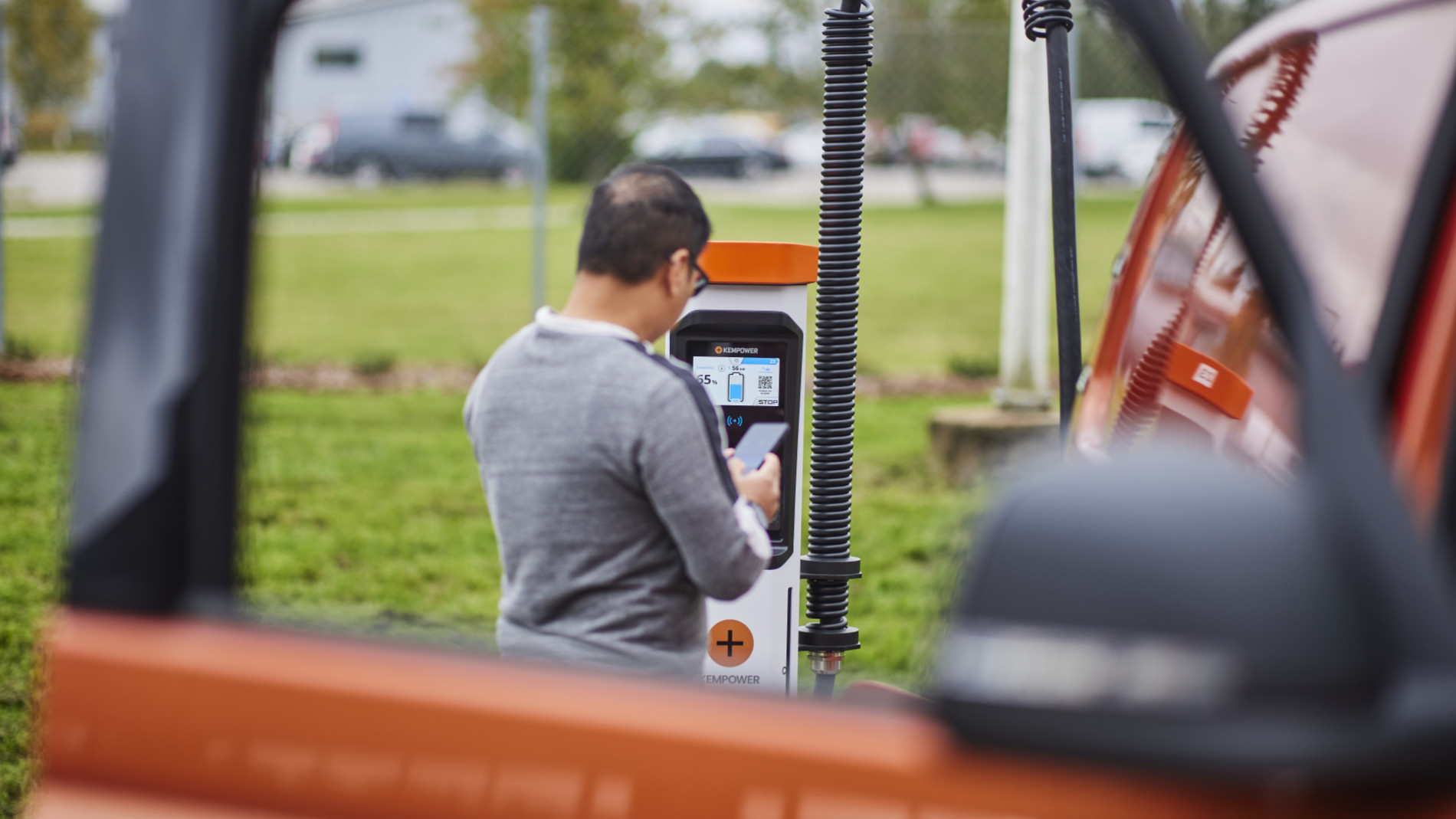
The more consequential development may be what charging infrastructure is now expected to do beyond simply delivering power. First-generation chargers were passive — power in, power out. The next generation integrates on-site energy storage with grid supply, using AI to optimise daily charge and discharge cycles. Systems learn usage patterns, charge storage at off-peak hours, and deploy that energy when site demand peaks. For high-utilisation locations such as logistics hubs, ports and industrial sites, that capability is becoming as commercially important as raw charging speed.
The implications extend beyond operational efficiency. As electric fleets scale and grid pressure grows across Europe, smart charging infrastructure becomes part of the energy management equation — not just a service amenity.
Built in Lahti, deployed globally
Kempower manufactures all its charging products in Lahti, Finland, and supplies markets across Europe, North America and beyond. Founded in 2017 as a spin-off from welding technology group Kemppi, the company has grown rapidly into one of the Lahti region's largest employers and a recognised name in European charging infrastructure — operating from the very facilities that once housed Scania's bus manufacturing operations.