
Reading time: 6 minutes
Three Wins from a Country of 2.7 Million
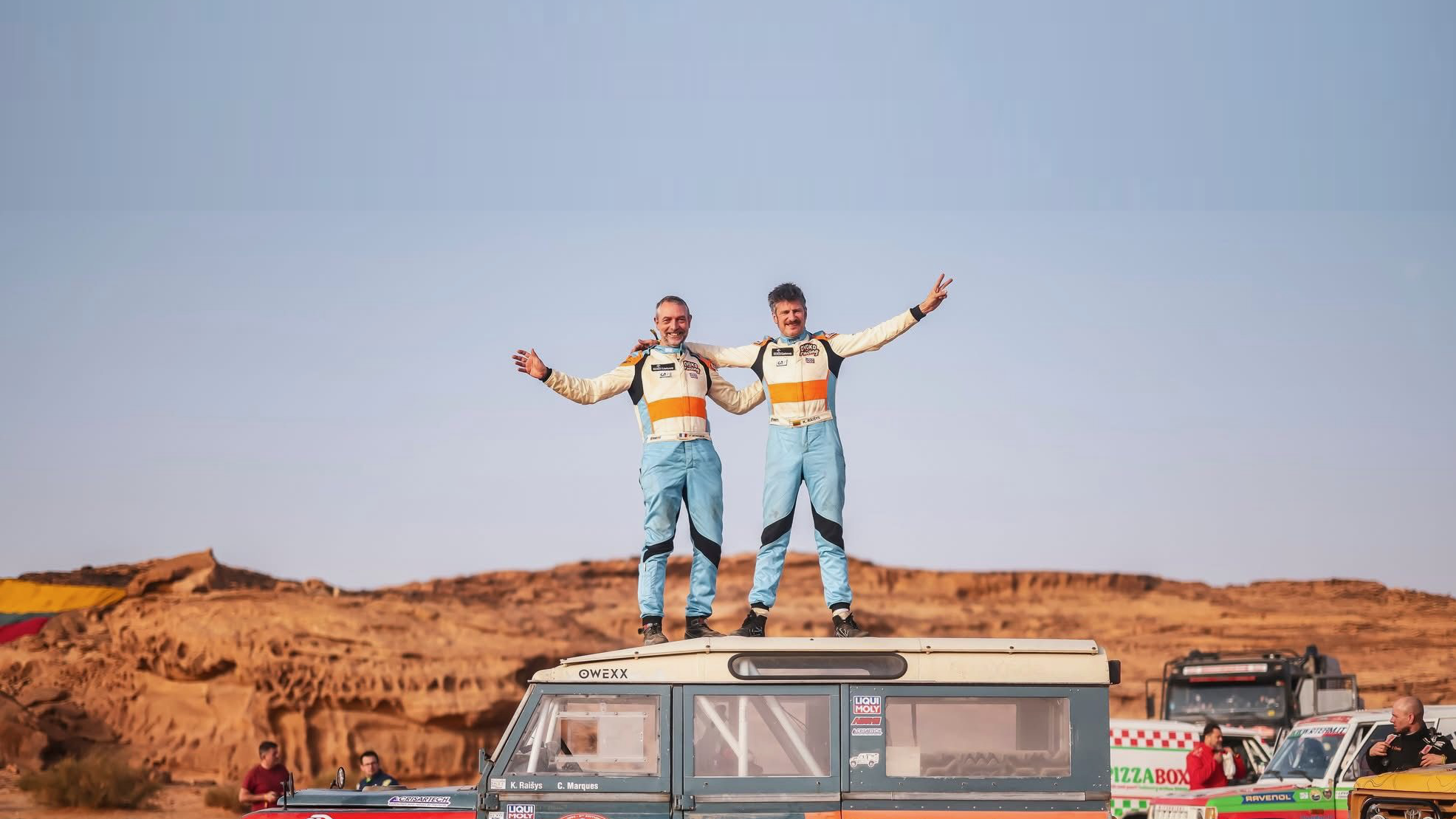
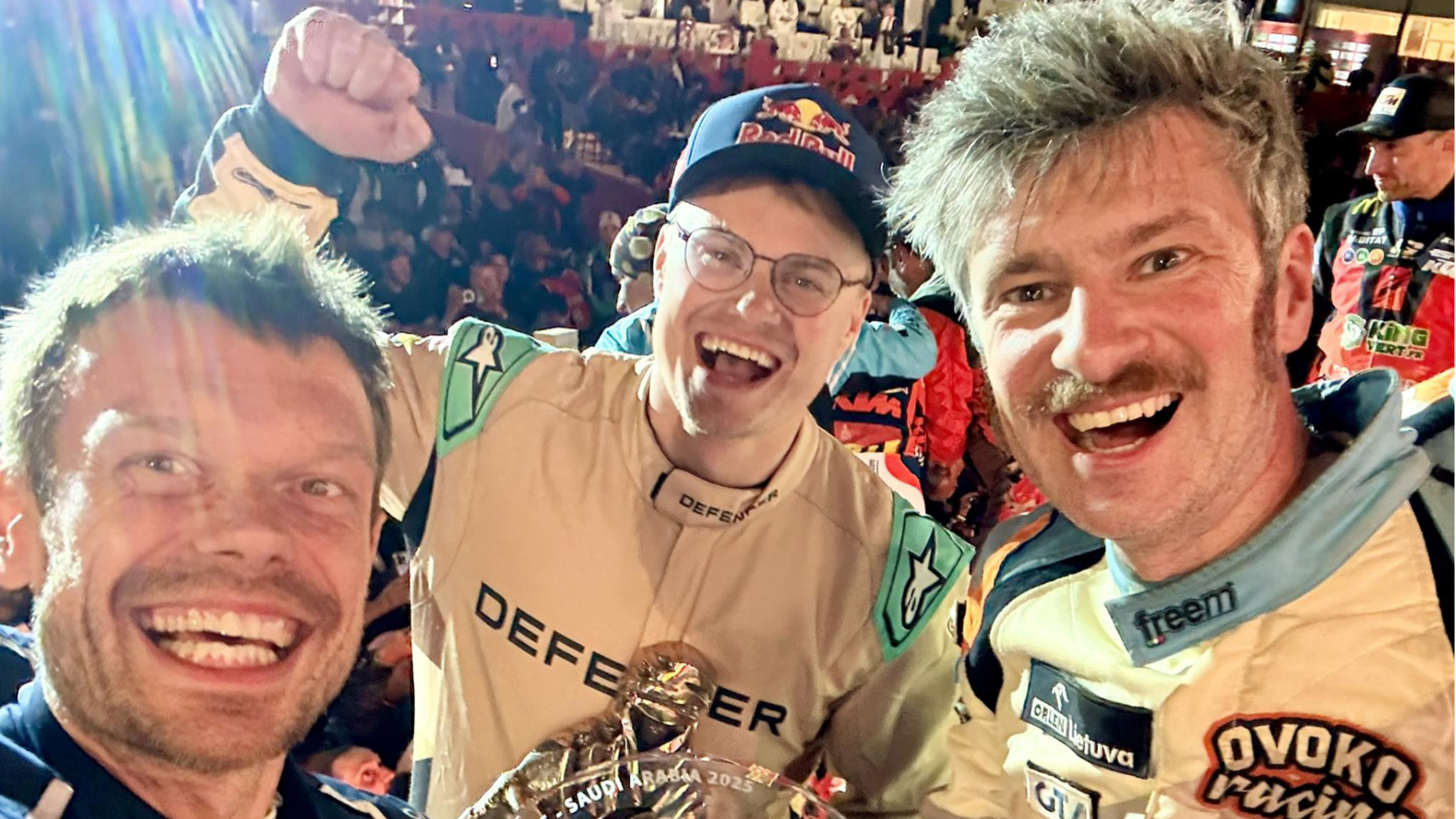
At the finish of this year’s Dakar Rally, three major categories were won by Lithuanians. Crews from this small country took victory in the T1 category (Rokas Baciuška – Oriol Vidal), the truck category (Vaidotas Žala – Paul Fiuza – Max Van Grol), and Dakar Classic (Karolis Raišys – Christophe Marques). The news was surprising to those unfamiliar with Lithuania’s Dakar history. Those who follow the rally were less surprised.
Every year, around ten Lithuanian crews take part in the world’s toughest motorsport event: motorcycle riders, car crews and truck drivers. They come from a country of just 2.7 million people – a country far from the deserts and mountains, and far from the possibility of training there every day.
Measured by the number of Dakar crews per 100,000 inhabitants, Lithuania is usually rivalled only by the Netherlands.
Thirty Years from Adventurers to Professionals
The first Lithuanian entered the Dakar Rally on a motorcycle back in 1996. There were failures at first. The first Lithuanian car crew reached the finish in the 2000 rally. By 2003, all three Lithuanian crews that started the rally – three cars and six people – reached the finish. They had no mechanics, support vehicles or spare parts.
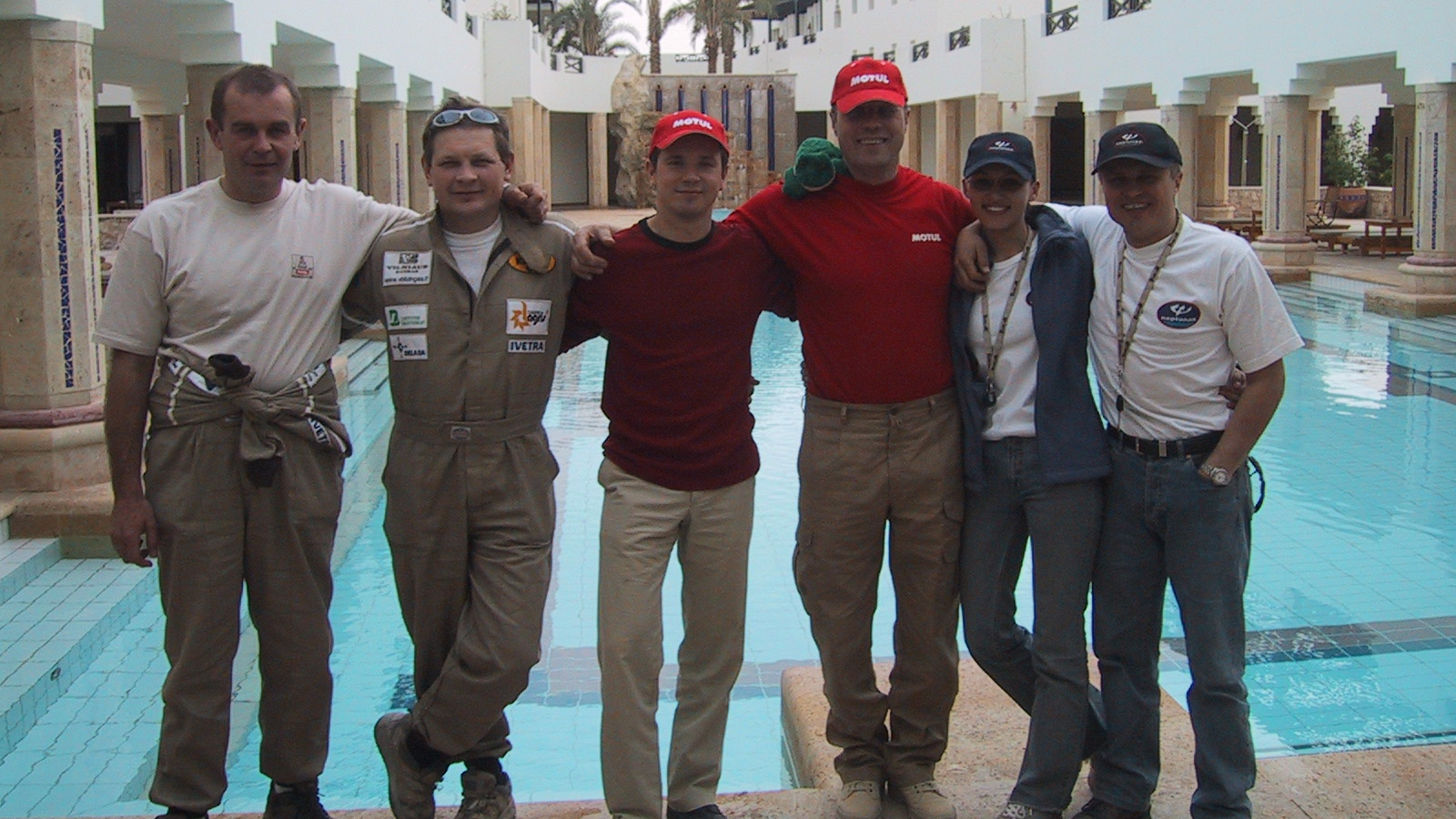
I was one of them (first from left on the picture). We drove a Toyota Hilux with Arūnas Lekavičius. Early in the rally, we damaged the suspension of our lightly modified car, and the consequences followed us every day. Every day, we stopped on the route to make repairs, arrived at the bivouac at night and continued repairing the car there. After just a couple of hours of sleep, we were back on the starting line. Everyone had written us off long before the finish. People were amazed that those two exhausted, filthy zombies were still making it back to the bivouac.
And so it went for a couple of weeks. Before the finish, the car had only fourth gear left. The engine was consuming 20 litres of oil a day, the rear leaf springs were broken and the power steering had stopped working. But we made it to the finish.
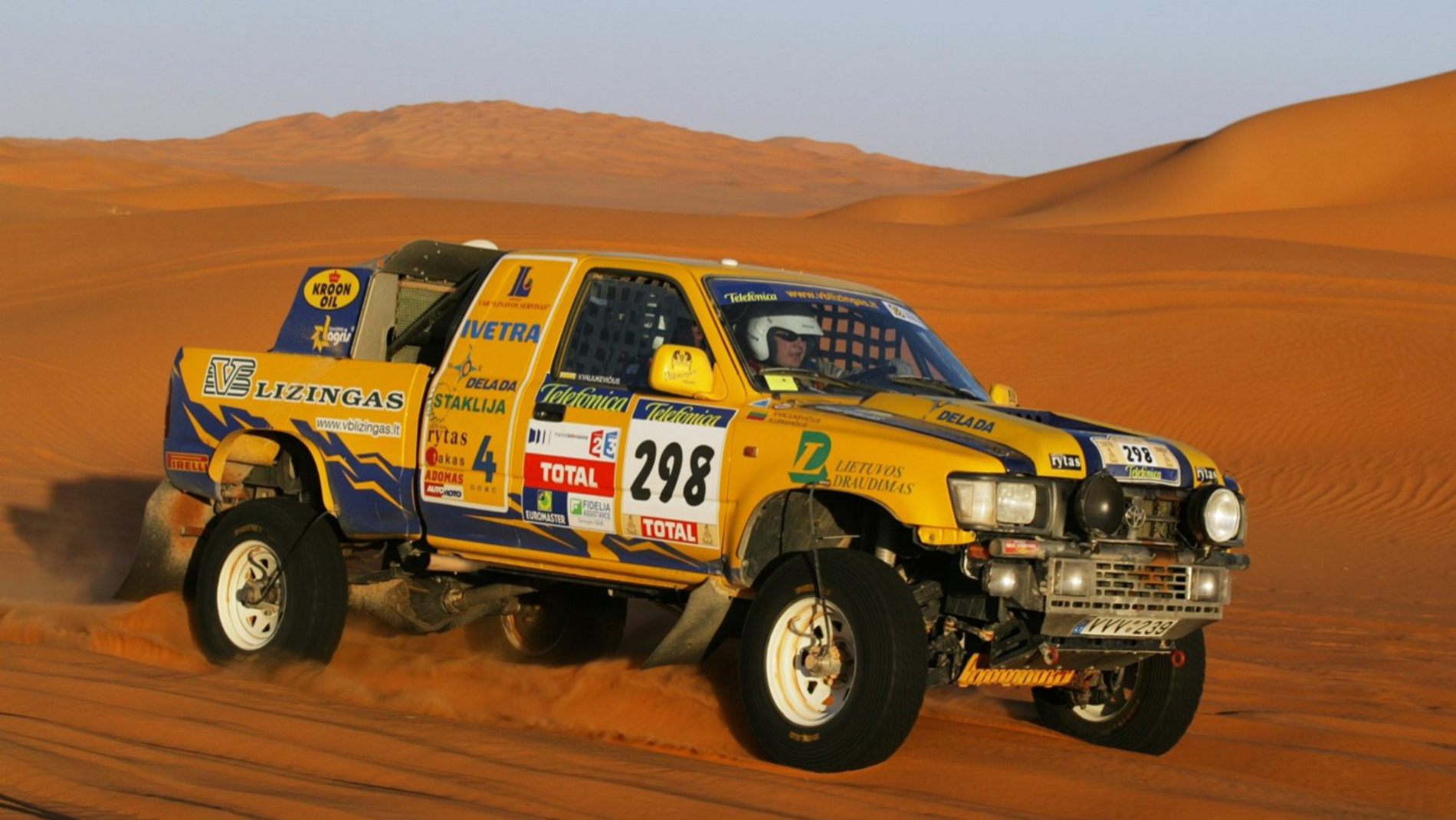
Our early, modest results near the bottom of the standings were soon forgotten as increasingly serious teams appeared at the start, with bigger budgets, better machinery and support crews.
The first major breakthrough came in the 2009 rally, when Aurelijus Petraitis and Antanas Juknevičius finished 25th overall in an Oscar.
From Survivor to Dakar Star
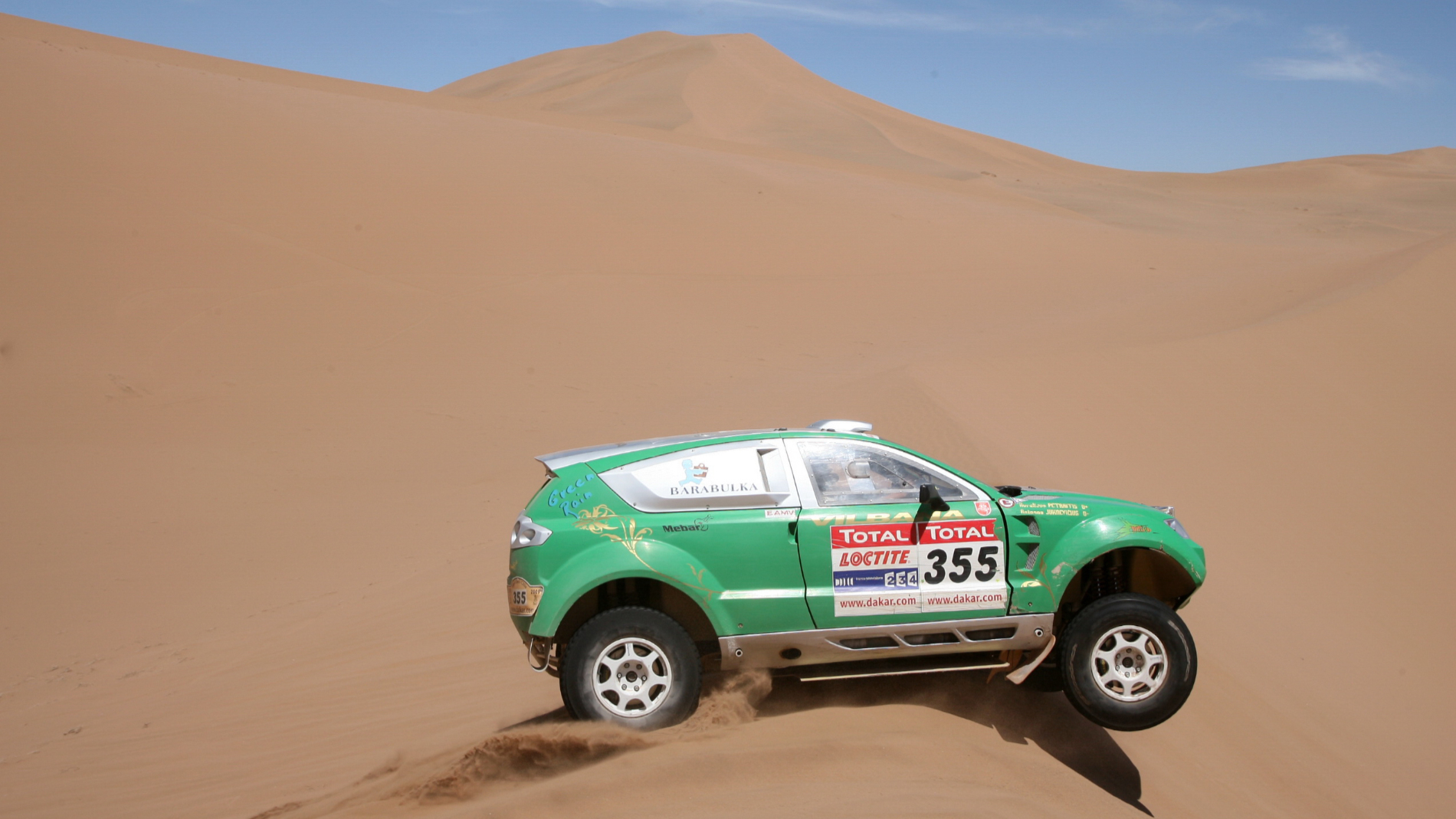
That marked the beginning of Lithuania’s climb towards the top. In 2014, Benediktas Vanagas and Andrejus Rudnickis improved on that result, finishing 24th overall. Vanagas had started his Dakar career in 2013, finishing 65th. Since then, he has experienced countless extraordinary adventures and dramas, many of which were extensively covered by the Lithuanian media.
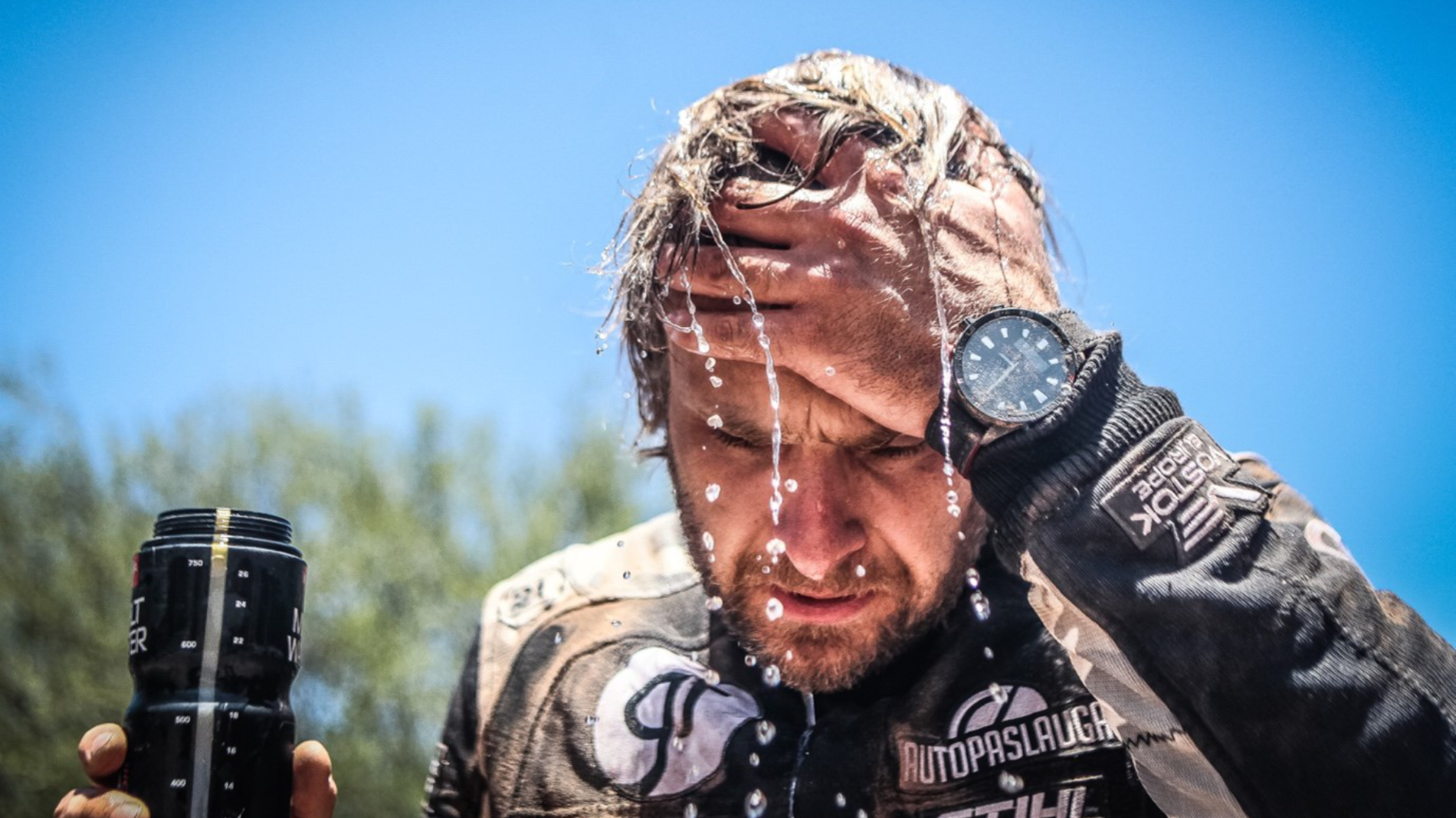
Today, Benediktas is an elite Dakar driver, competing against factory-backed drivers in various Toyota models. His best result is eighth overall, achieved in 2024. With his strong communication skills, Benediktas is also regarded as one of the main figures behind the creation of a Dakar cult in Lithuania.
Dakar as Lithuania’s Third Religion
“We Lithuanians have the Vytis gene – the gene of a fighter,” says Benediktas. The Vytis is a historic symbol of Lithuania, a mounted armoured knight. Perhaps this gene has survived from the times of the Grand Duchy of Lithuania. “That is why, in the 30 years since the first Lithuanian started Dakar, we have evolved from adventurers into professionals. We are able to fight the world’s best with considerably smaller budgets”, he continues.
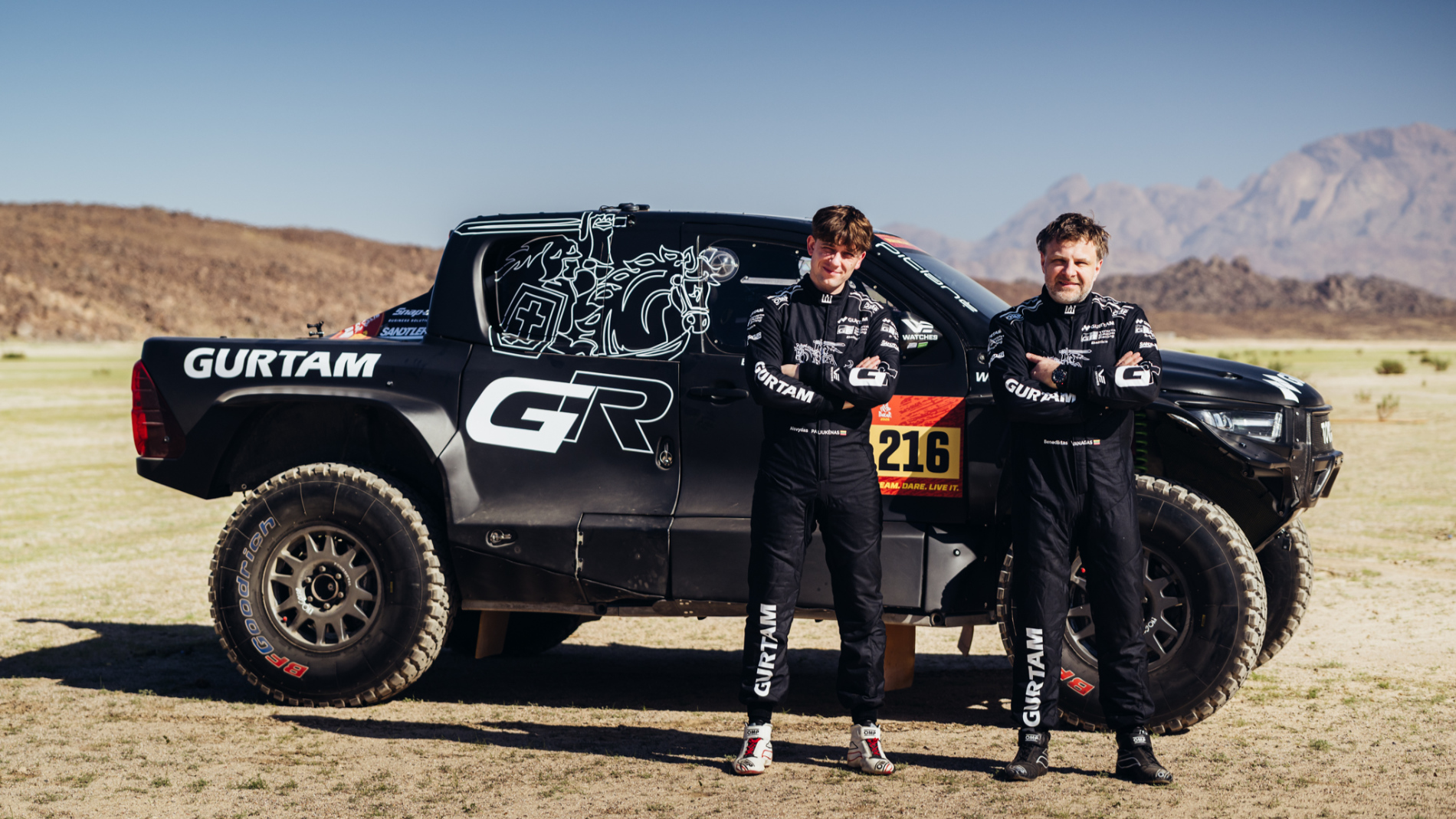
“When it comes to budgets, if the result were measured by how much you achieve for every euro spent, we would probably be the winners. Factory teams invest millions of euros in Dakar – not only in the cars, but also in their development, testing, engineers, mechanics, logistics and year-round programmes. Our budget was less than one million euros.” Even raising that amount wasn’t easy in a small country, Benediktas says.
“We are helped by the fact that Dakar has become almost a third religion in Lithuania – after Christianity and basketball. A survey showed that 98 percent of Lithuania’s population know about the Dakar Rally, while 72 percent are interested in it.”
The Lithuanian Formula: Gravel, Grit and Good Mechanics
A good example inspires others. In 2016, rally expert Vaidotas Žala followed in Benediktas’ footsteps. He initially competed in Dakar with Mini and Toyota cars, achieving a best result of 12th overall, before eventually moving behind the wheel of an Iveco truck.This year, no established truck competitor could match his pace. “When we started in 2016, there were three Lithuanian crews in Dakar. Today there are more than ten,” Vaidotas says. “We compete not only against foreigners, but also against each other. In Lithuania, people choose their favourites, support them and discuss them among themselves”, he continues. “Drivers naturally create drama – by getting lost on the route during the day or repairing damaged cars at night. And drama increases interest. When there is a lot of interest, funding follows. We were simply lucky to catch the right wave.”
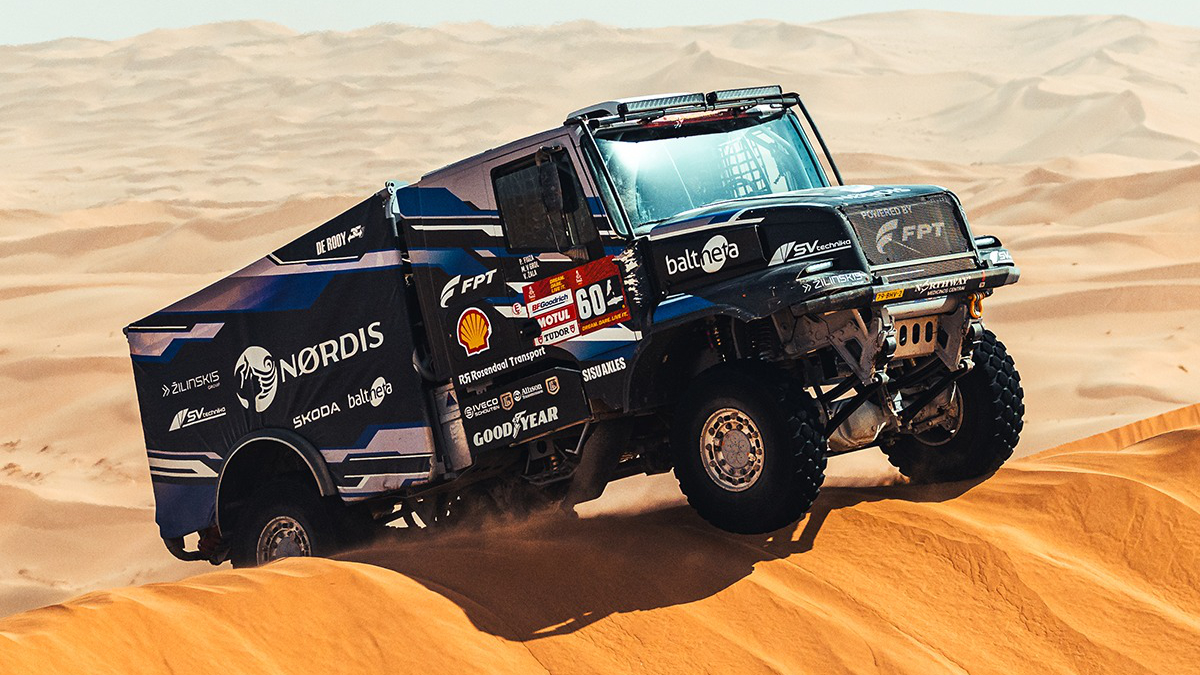
Of course, we also have to deliver results. That may be somewhat easier for Lithuanians because I, Benediktas and Rokas all learned the basics of driving by racing at home on gravel and slippery surfaces. That is somewhat similar to Dakar. It is probably harder for Italian or other countries’ rally drivers who mostly compete on asphalt. On top of that, we have very good mechanics. They are versatile and understand the entire car. Most importantly, they do not count their working hours or think about sleep or rest when a team car breaks down or is damaged. We’ll have it ready by morning!’ is the promise they make when something goes wrong – and they always keep it.”
The Dakar Punk Who Won Without a Support Crew
Dakar Classic is a category for cars more than 20 years old. Its winner, architect Karolis Raišys, is considered a true Dakar punk. In the 2025 rally, he went to Dakar with almost no preparation. After buying an old Land Rover Defender in Sweden in the autumn, he had only a few weeks to prepare it. Raišys and his co-driver Ignas Daunoravičius went without mechanics, yet that did not stop them from finishing third.
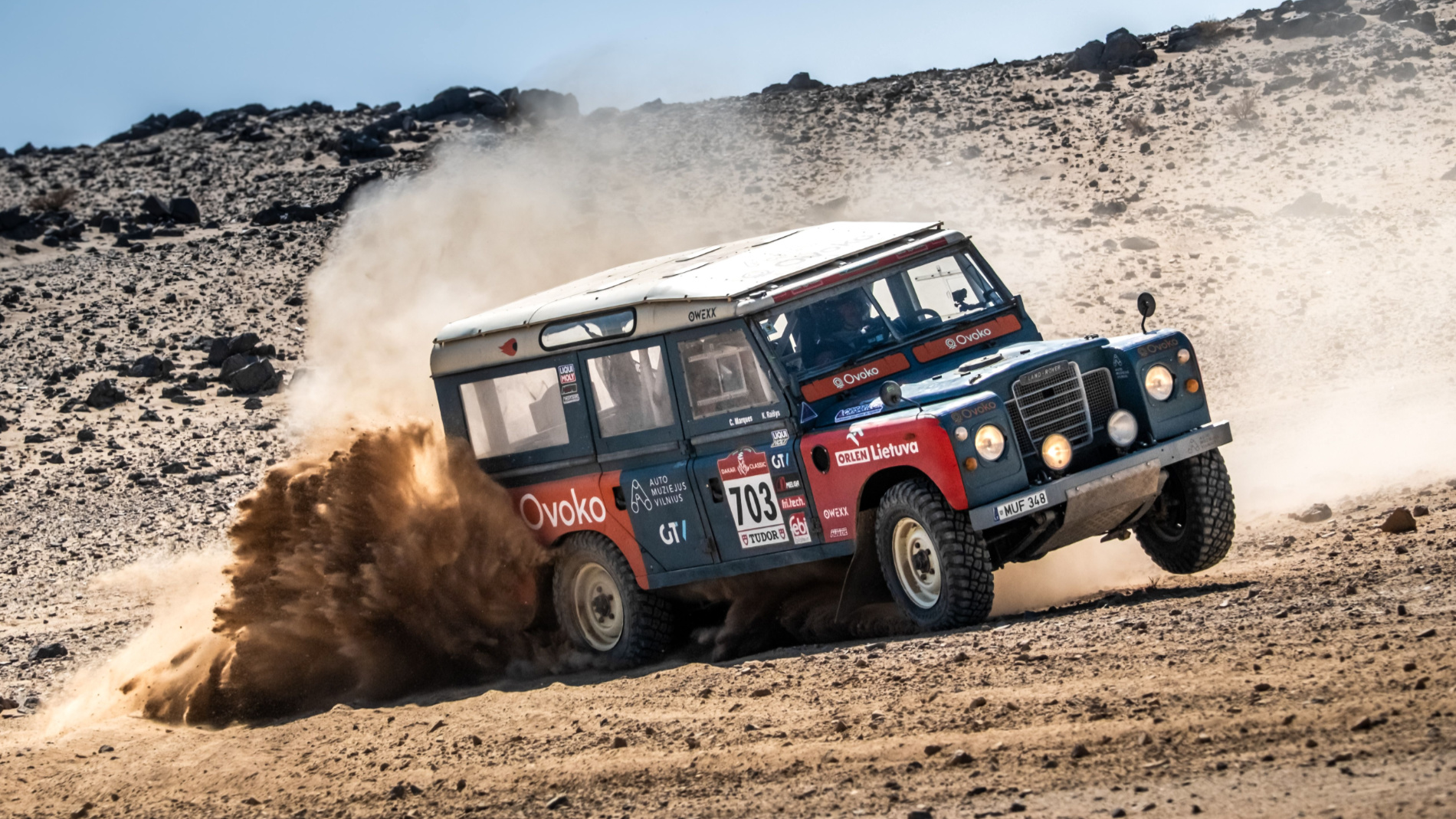
This year, again without technical support, Raišys and Frenchman Christophe Marques went one step further and won Dakar Classic. “Lithuanians watch Dakar on television every year,” Karolis says. “The broadcasts attract huge audiences. Many Lithuanian journalists work in Dakar, so people back home know practically everything about the country’s drivers – not only how we raced, but what we ate, where we slept and how we spent our time between stages. That puts enormous responsibility on our shoulders. We are forced to concentrate as much as possible, sacrifice sleep and rest, and sometimes take more risks than we would like simply to reach the finish and achieve the best possible result”, he says.
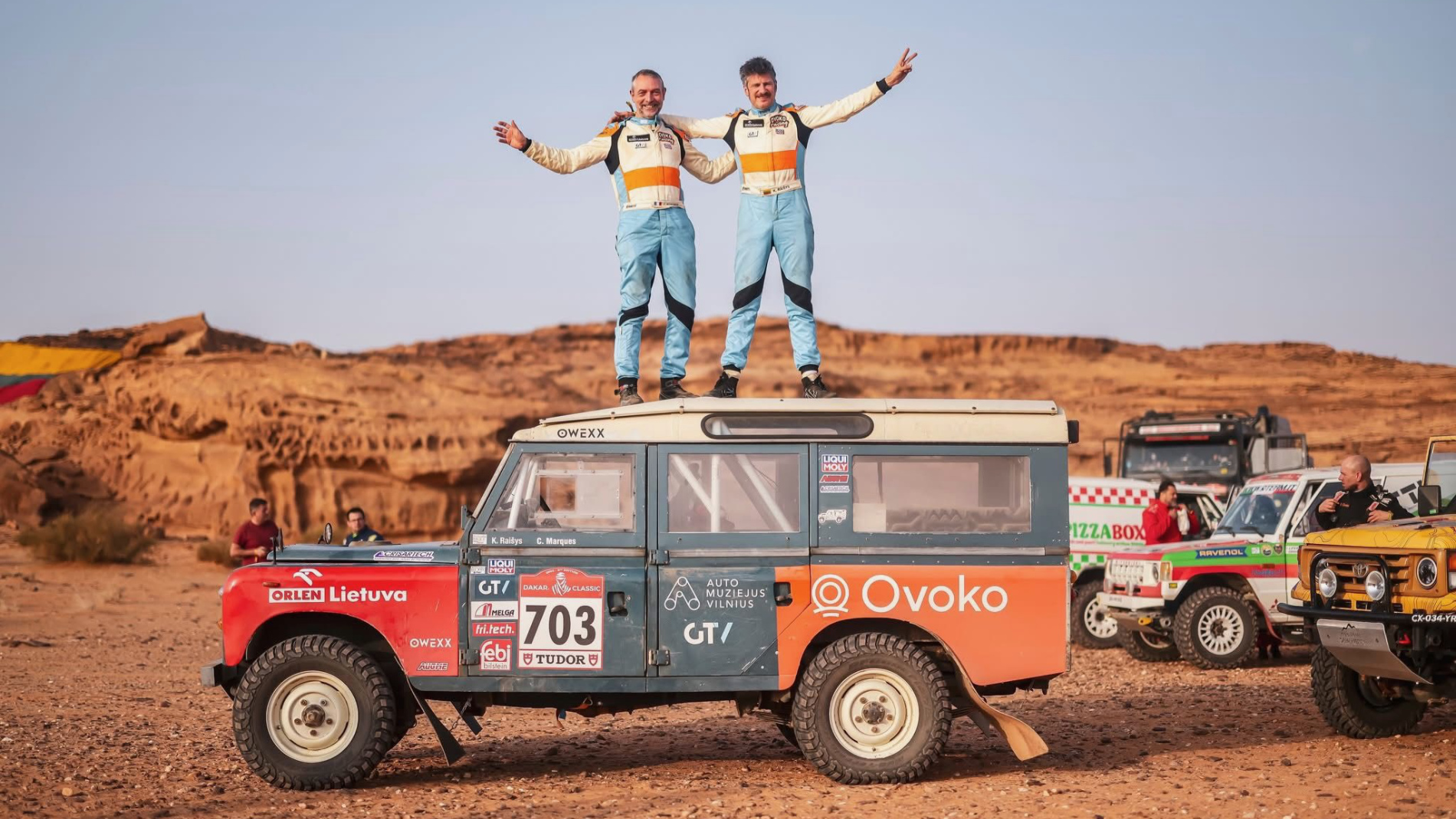
“When I first went to Dakar, I deliberately made life even harder for myself”, Karolis explains. “I bought a very old Land Rover and did not have much time to prepare it properly. I also decided to go without mechanics. I thought it would be more interesting and create even more challenges. Besides, I am not a mechanic – I am an architect.” Fortunately, he was lucky. “I won the rally with the oldest car, and for the first time a non-Japanese car stood at the top of the Dakar Classic podium.”
Different Drivers – One Flag
Some go to Dakar dreaming of bringing home a trophy. Others go to test themselves. Others simply enjoy racing in the desert. Every year, several new Lithuanian competitors enter the rally. For some, the challenge eventually becomes too difficult or too expensive. Others push through pain and injuries in pursuit of the leaders, while others simply enjoy driving through the desert.
Gintas Petrus, the oldest Lithuanian driver and an investor, first competed in Dakar back in 2002. Since then, he has returned to Dakar every year, treating it almost like a holiday. One of Lithuania’s wealthiest people, he has no intention of fighting for victory. He drives in the middle of the pack, enjoying his time in the desert with old friends from the racing world.
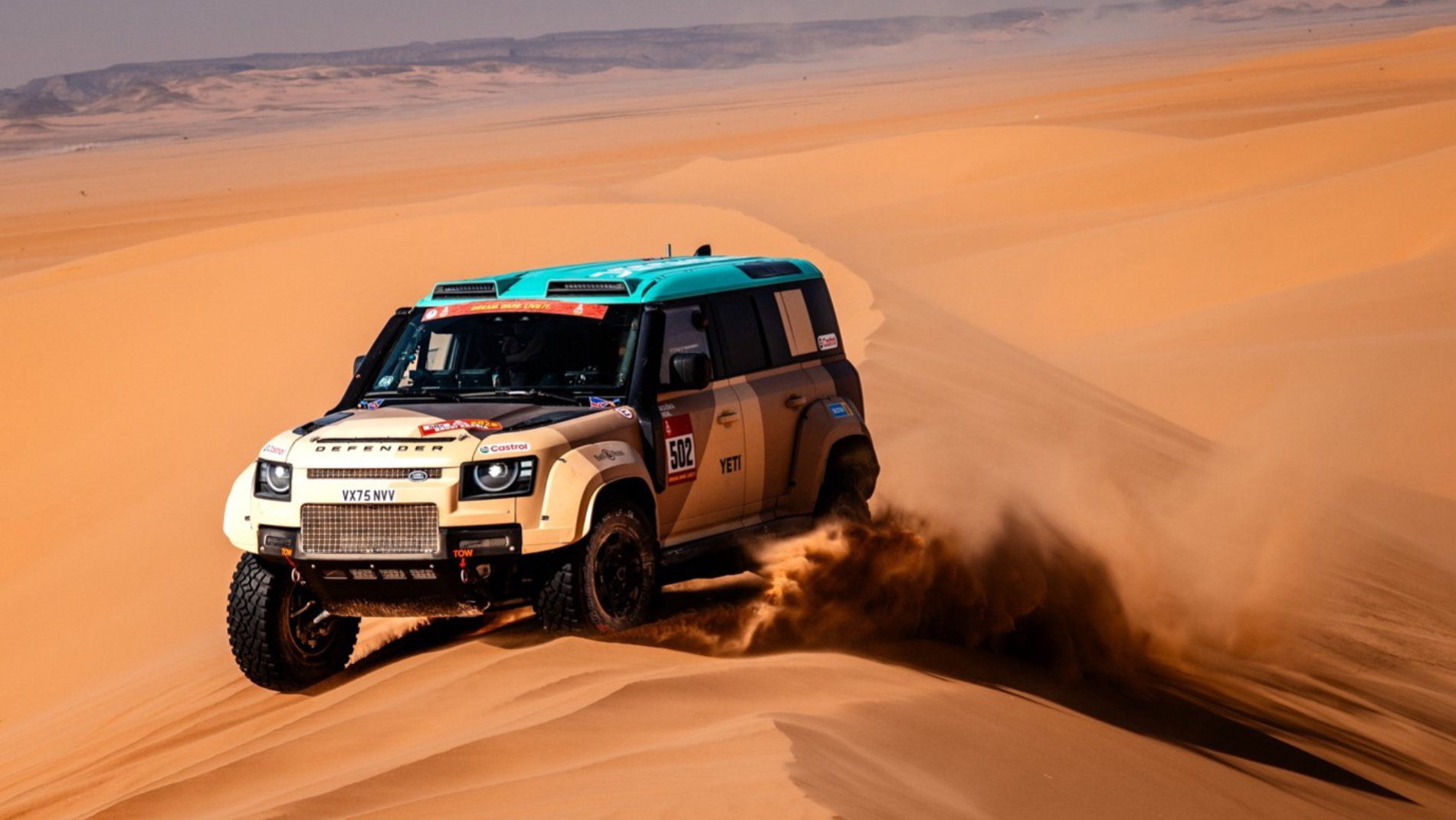
The country’s newest phenomenon is 26-year-old Rokas Baciuška. A young man from the small Lithuanian town of Tauragė, he has already won the FIA World Rally-Raid Championship three times. This year, he started Dakar with the factory Land Rover team alongside Stéphane Peterhansel. He reached the Dakar finish first in the Stock category, beating his famous teammate.
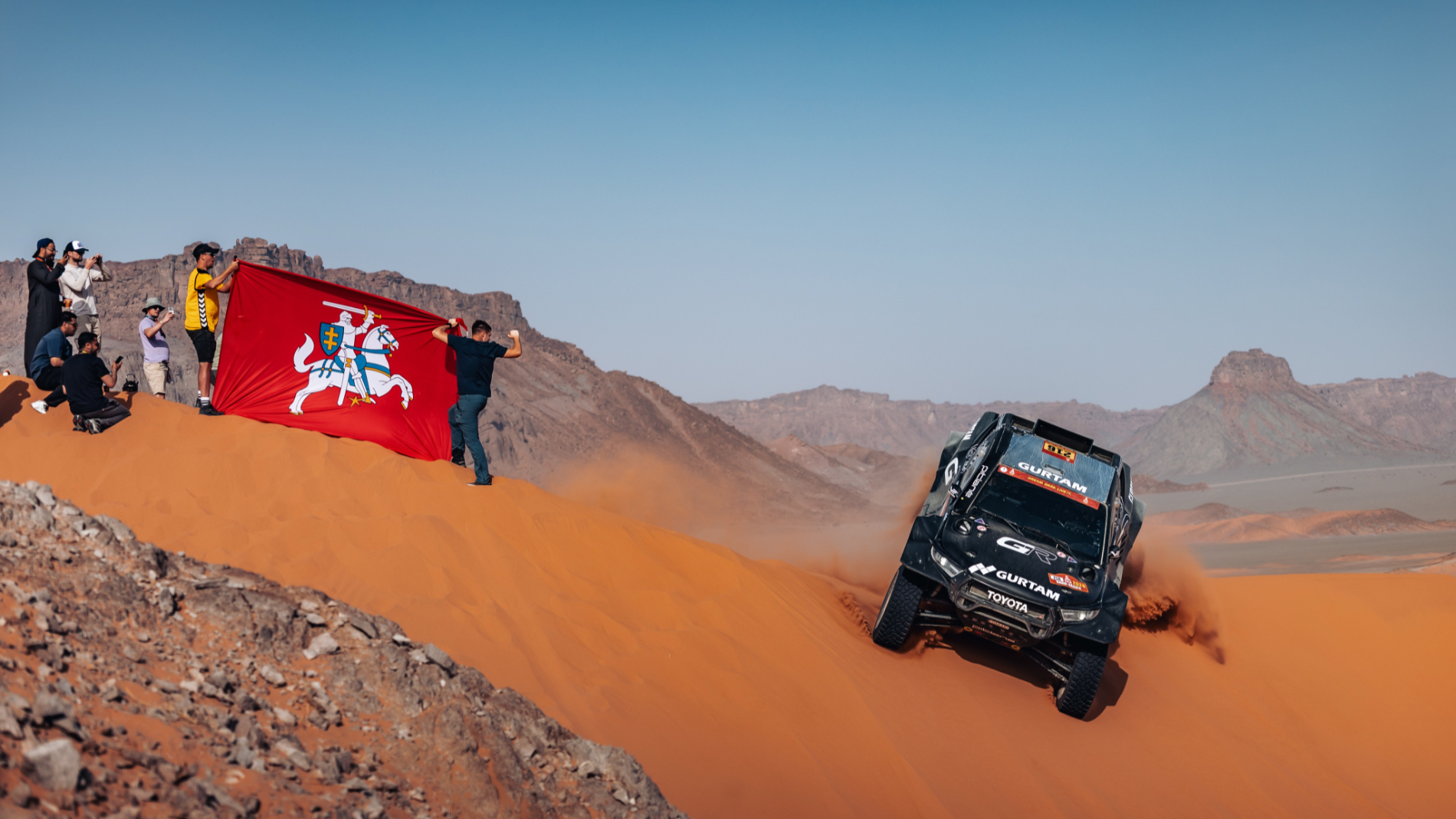
Different people, different machinery and different goals. But when they reach the podium, every Lithuanian unfolds the same symbol: the Lithuanian tricolour.