“The transformation offers opportunities for women!”
18 Jun 2026
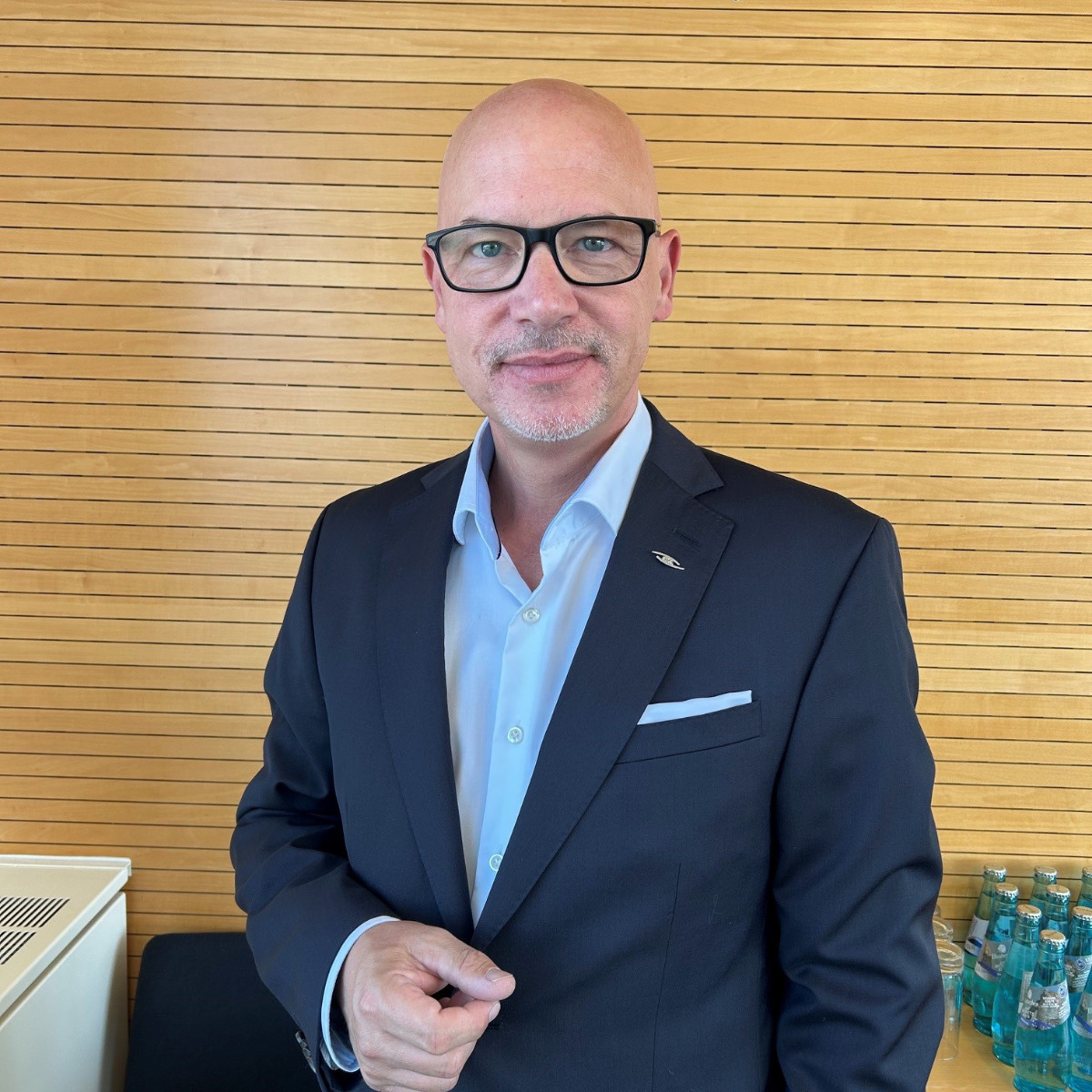
Critical and encouraging comments in the GATEWAY interview with Sabine Scheunert, Chair of the Executive Board at Dassault Systèmes for the EUROCENTRAL region.
The German automotive industry is undergoing a transformation. So, what really matters now?
The German automotive industry is facing its greatest challenge in decades and is currently losing its most valuable asset: time. While German original equipment manufacturers (OEMs) are still debating platform strategies, their Chinese competitors are developing market-ready software-defined vehicles in a matter of months. Those who do not commit radically to end-to-end virtual development now will lose market share within the next three years and that will never come back. The question is no longer if manufacturers will modernise production, but how fast. This requires tough decisions: either the complete integration of product and software development on a single platform, or retreating to niche markets.
„Virtual twins turn the car into a living product. Development does not end when production begins.“
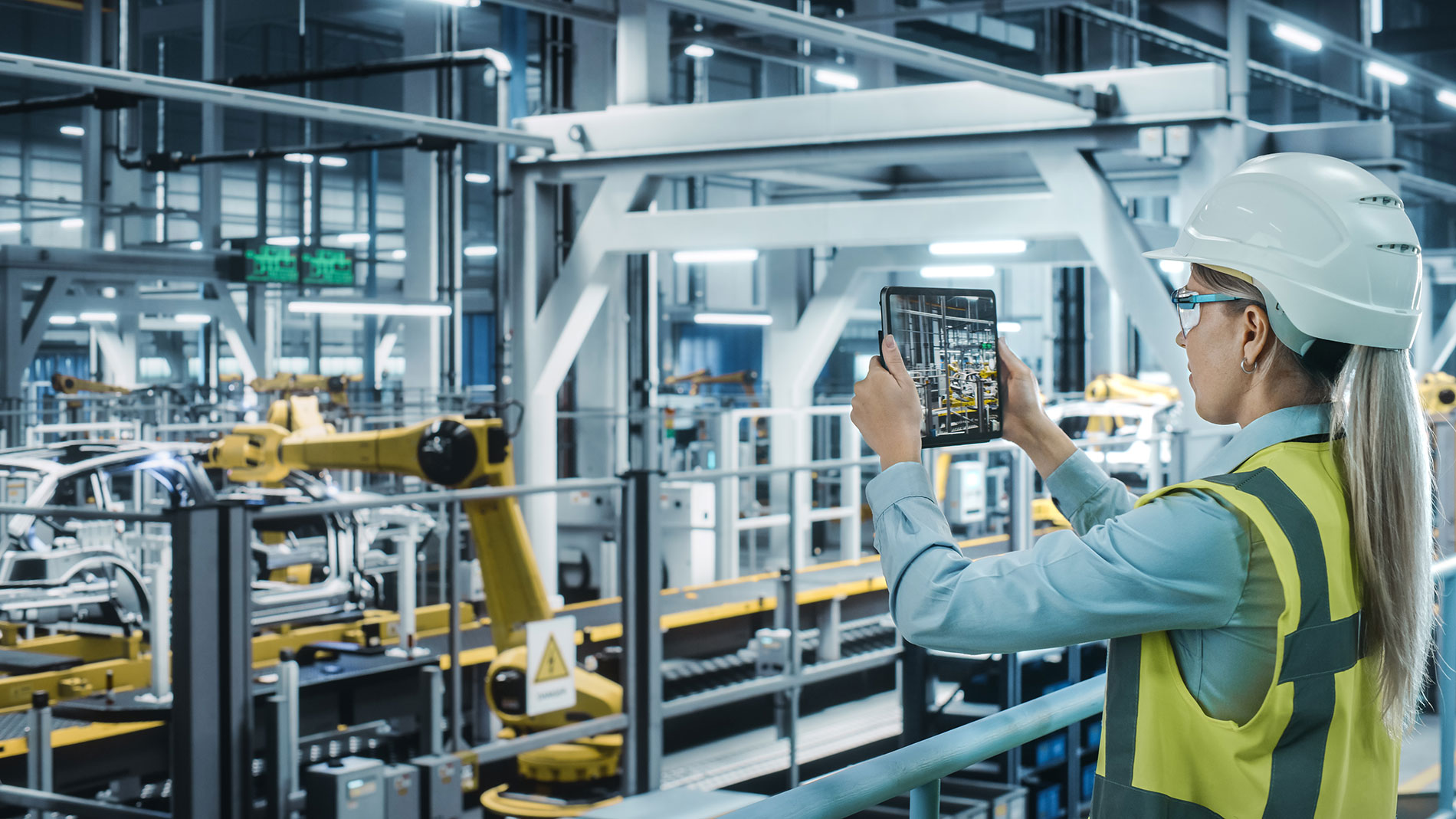
Photo: Gorodenkoff
Dassault Systèmes is leading provider of virtual twin technologies. What advantages do 3D models offer the automotive industry?
Virtual twins are transforming the entire value chain. The development, production and operation of a vehicle can be modelled entirely in the virtual realm before a physical prototype is built. This saves time and money, reducing development times by 20–30 per cent and eliminating the need for up to 50 per cent of physical prototypes, while enabling faults to be detected earlier. However, the real paradigm shift lies in the fact that virtual twins turn the car into a living product. Development does not end when production begins. This fundamentally changes business models, shifting the focus from ‘selling vehicles’ to ‘orchestrating mobility’. Those who fail to recognize this change will soon find themselves selling metal rather than delivering the experiences that customers value and remember. Some major car manufacturers are already embracing this change: at the BMW Group, for example, around 17,000 employees will soon be working on the 3DEXPERIENCE platform, and the Volkswagen Group is also using the technology to speed up the development and manufacturing cycles.
As the co-founder of the Female CIO Circle and a member of the Generation CEO women’s network, you are a strong advocate for female leadership. What concrete steps can and should be taken to support this?
Development must be embedded in the organisation’s structure, with clear objectives, transparent processes and measurable outcomes. It is not about stereotypes, but about effective leadership. In an industry that must transition from linear hierarchies to agile network organisations, this is not a soft skill, but a hard currency. At Dassault Systèmes, programmes such as Rise Up! prepare talent for leadership roles at an early stage, a process further supported by the WIN network, which focuses on women in technical and strategic roles – and this is also a competitive advantage. Recruitment and a structured succession process systematically take diversity into account, and progress is measured, for example via the Women’s Career Index, in which Dassault Systèmes ranks among the top 10 most women-friendly companies.
„The question is not whether we can afford diversity, but whether we can afford its absence.“
A recent Europe-wide study shows that Germany has significantly fewer women in leadership positions than other countries. Why is that the case, and does it vary by industry?
Germany has a structural problem, not a skill problem. Women are significantly under-represented in leadership roles in industrial sectors traditionally dominated by men, such as the automotive industry and mechanical engineering. Pipeline effects, inadequate childcare provision, and the expectation of linear career paths all hold women back. The differences between sectors are striking: In sectors such as healthcare and the public sector, women are significantly better represented, whereas in IT and engineering, the proportion remains alarmingly low. Yet these are precisely the future-facing sectors that will determine competitiveness. Internationally, countries such as France, Spain and the Nordic states demonstrate that binding targets and support programmes can accelerate change. Germany has been debating what other countries have long since put into practice for decades. This is costing us not only talent, but also innovative strength.
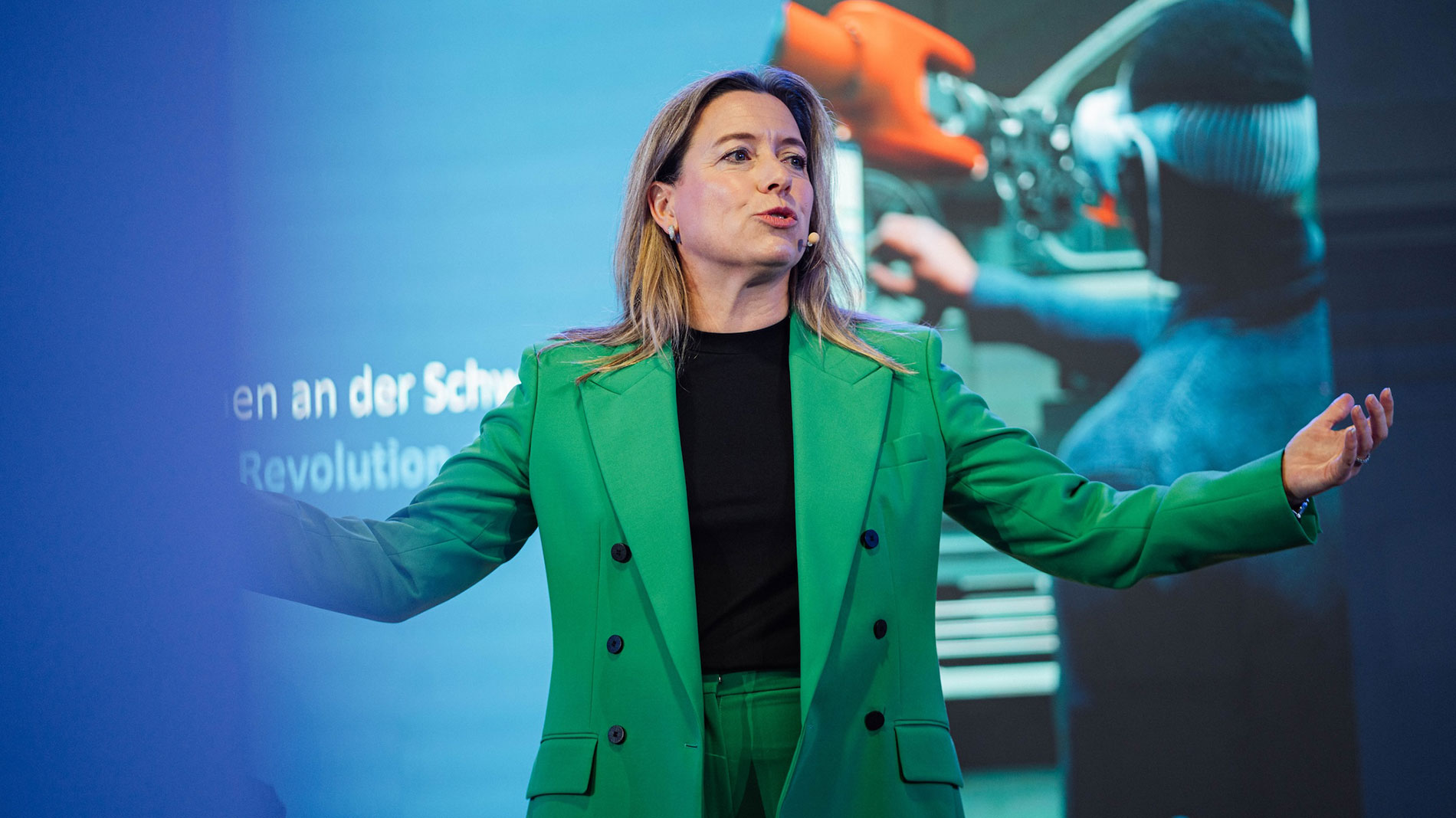
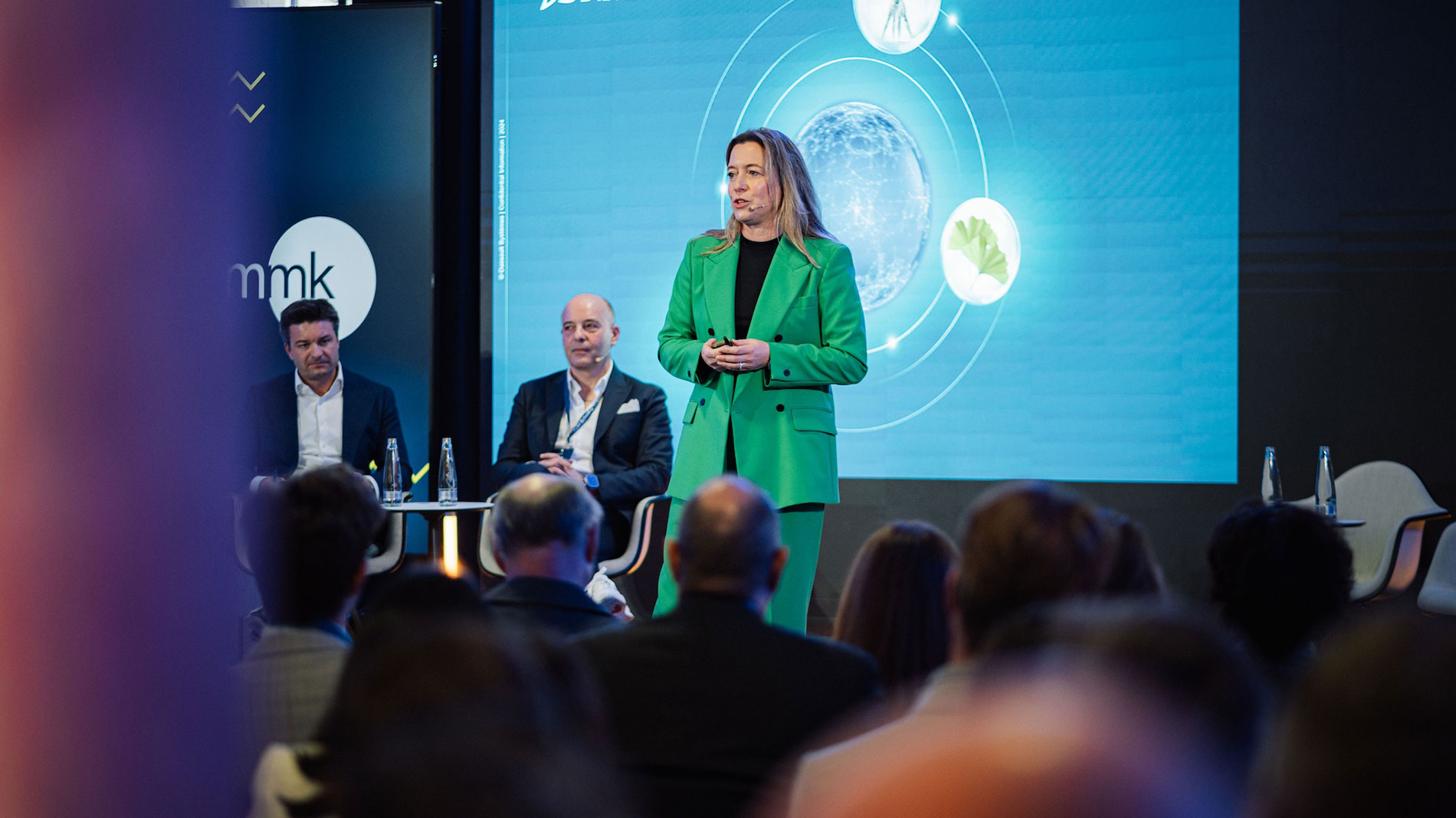
Sabine Scheunert, Chair of the Executive Board at Dassault Systèmes for the EUROCENTRAL region, speaking at the MMK 2026 at the Technical University of Munich. Photo: MMK
In your opinion, would equal opportunities for women have a positive impact on the overall transformation process? If so, why?
Having a diverse range of people in leadership roles is not just desirable, it is a clear competitive advantage and vital for survival during periods of transformation. Teams with diverse perspectives make better decisions, spot risks earlier and are more innovative. This is not just an opinion — the data backs it up. This is particularly true in complex fields such as software-defined vehicles, artificial intelligence, and digital platforms. Homogeneous teams tend to have blind spots. Diverse teams significantly enhance problem-solving skills and implementation capabilities. Those who utilise only part of their potential weaken themselves in the transformation process. The question is not whether we can afford diversity, but whether we can afford its absence. The answer is: No.
Are there any concrete opportunities for women offered by transformation and digitalisation?
Definitely. Transformation breaks down old patterns. Roles such as Product Owner, Data Scientist and Systems Engineer focus more on impact and expertise than on traditional hierarchies. This fundamentally changes the rules of the game. Digitalisation promotes hybrid working models and measurable career achievements, creating new opportunities. However, these opportunities do not materialise automatically. Companies should actively implement measures to promote digital skills, transparent career paths, and flexible working models. In this way, digitalisation can become a catalyst for equal opportunities.
It’s almost cliché: do women lead differently?
Yes, often – and that is a competitive advantage, not a cliché. Studies show that women are, on average, more likely to adopt a transformational leadership style, encouraging collaboration, a culture of feedback and clear communication. This motivates teams and increases their willingness to embrace change, particularly during periods of organisational transformation. This is not about stereotypes, but effective leadership. The key factor is diversity within the team, regardless of gender. Different perspectives improve decision-making and increase resilience and stability. Successful leadership depends less on the characteristics of the individual leader and more on a culture in which all voices carry weight and teams are composed of members from different disciplines.
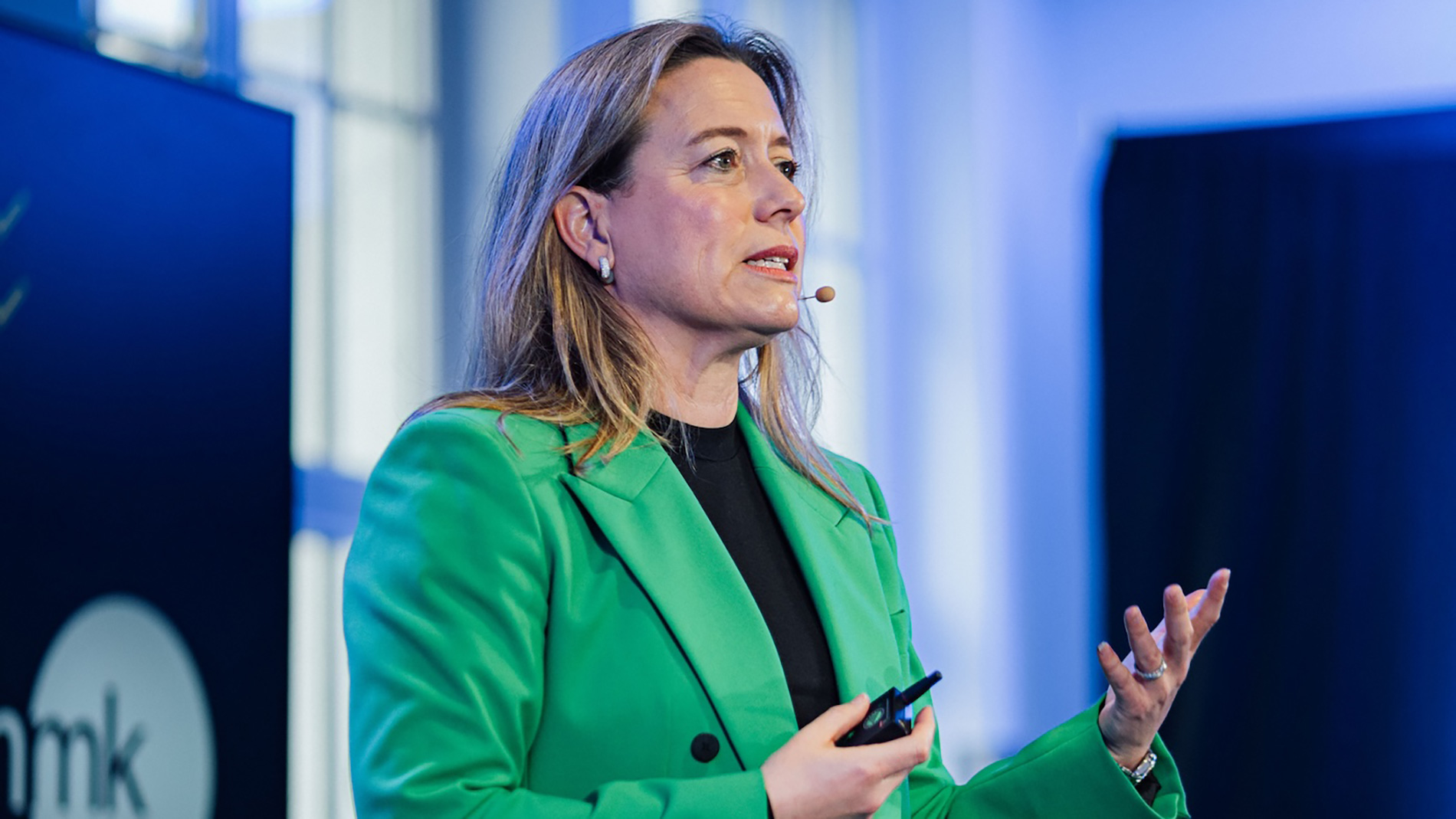
Photo: MMK
How do periods of crisis and economic uncertainty affect the situation of women in leadership positions?
Crises exacerbate existing barriers and expose structural weaknesses. Studies highlight the ‘glass cliff’ effect: women are more likely to take on top positions when the chances of success are low or the risks are particularly high. At the same time, additional care responsibilities and a return to a culture of in-office work increase the burden. These risks can be specifically mitigated: clear mandates, sufficient resources, flexible working models and measurable performance metrics improve career prospects. Leadership teams should actively embrace diversity, form alliances and nurture young talent. Those who consistently utilise these levers ensure stable careers and effective leadership for women, even in times of crisis.
Looking back on your career so far, what obstacles have you had to overcome as a woman and what did you do differently - or perhaps better - to succeed?
In hindsight, I have often found that traditional structures and an overemphasis on physical presence systematically hold women back. This can be through stereotypical expectations or a lack of visibility in strategic projects, for example. For me, the key was twofold: firstly, I had to consciously build networks not only within my own organisation, but also outside it. Secondly, I seized opportunities outside traditional career paths and took visible responsibility for results, such as turnover, projects and products. Thirdly, I developed a way of working that combined career and family life rather than conforming to outdated structures.
„The truth is that many women consciously choose not to pursue leadership roles because the personal cost is too high, rather than because they lack the necessary skills.“
How can work and family life be balanced in the current climate? Are many women in senior management positions childless?
Balancing work and family life remains one of the biggest challenges for women in leadership positions. This issue should not be dismissed as an individual problem, it is an organizational responsibility. Crucial factors in enabling women to combine their careers with family life include predictable schedules, job-sharing in leadership roles, destigmatised time off and flexible career paths. Companies that prioritise this will attract the talent that their competitors are losing. The truth is that many women consciously choose not to pursue leadership roles because the personal cost is too high, rather than because they lack the necessary skills. This represents a significant loss for companies.
What advice would you give to young women who are just beginning their careers?
There are three things. Firstly, make a conscious effort to take on roles where you are responsible for revenue, projects or product development. Secondly: Build up an active network of sponsors, as well as mentors. Sponsors are people with responsibility for budgets and staff, and they can open doors for you. Learn the language of software, data and finance — these are the currencies in which strategic decisions are made. Thirdly, negotiate confidently on budgets, team composition and mandates. Remember that failures are learning opportunities and that visibility is crucial: showcase your results, take responsibility, and ensure that your contribution is recognised.
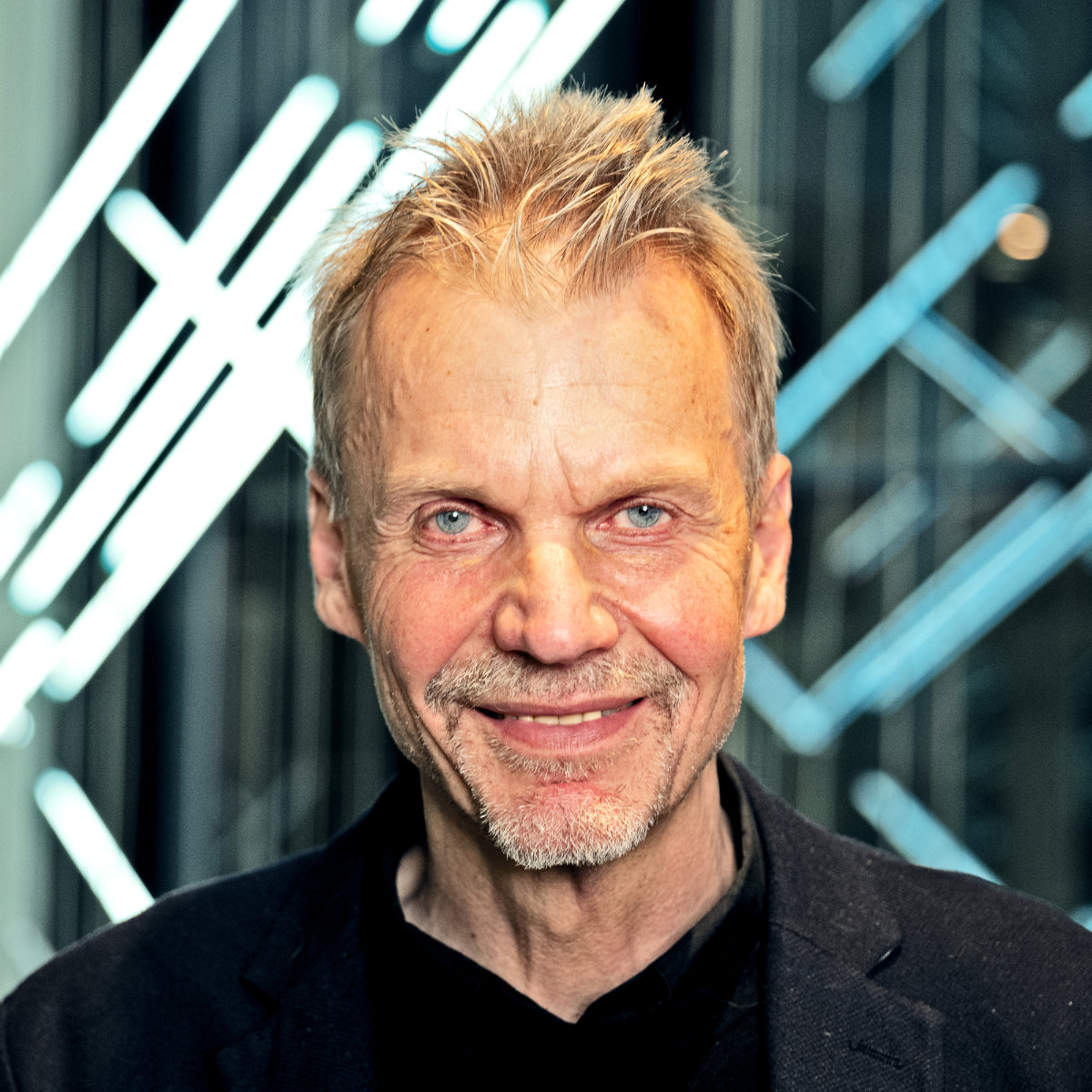
Photo: MMK
Is it fair to say that the German car industry is almost entirely male-dominated?
The German automotive industry is facing a structural problem: homogeneous management teams are making homogeneous decisions, and this is precisely what we can no longer afford. While German boardrooms are debating e-fuels, diverse teams in China, the US and Scandinavia are developing the mobility platforms of the future. Diversity is not just a CSR initiative. It is an early-warning system against strategic tunnel vision.
How strong is the ambition among women to secure a ‘seat at the table’ and how difficult is it to hold on to it?
Women are ambitious, but structural barriers often prevent them from achieving career success. If these barriers were removed, significantly more women would have the opportunity to earn themselves a ‘seat at the table’. Those who secure this position must deliver measurable results, demonstrate a willingness to embrace change, and create value for customers, regardless of gender. In order to maintain this position in the long term, data-driven leadership, strategic alliances, targeted talent development and deliberate visibility are crucial. The difference is that men are less often required to prove their competence than women. This is not just a feeling; it is empirically proven. Success depends more on clear performance and strategic action than on gender. However, the path to success remains more arduous for women, and this must change.
Text: Michael Hopp
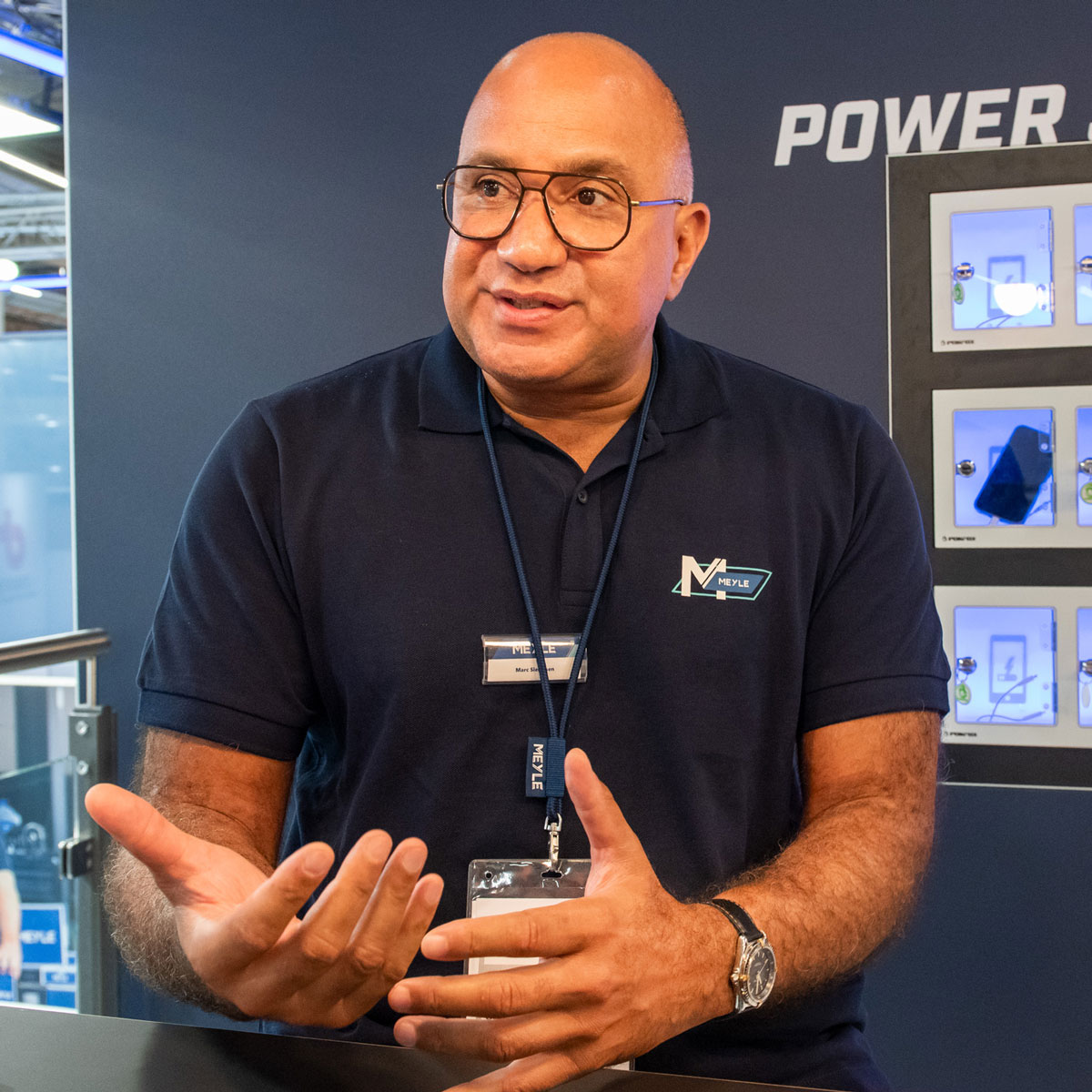
Head of Content at the Gateway editorial team and an absolute pioneer in recognising automotive trends