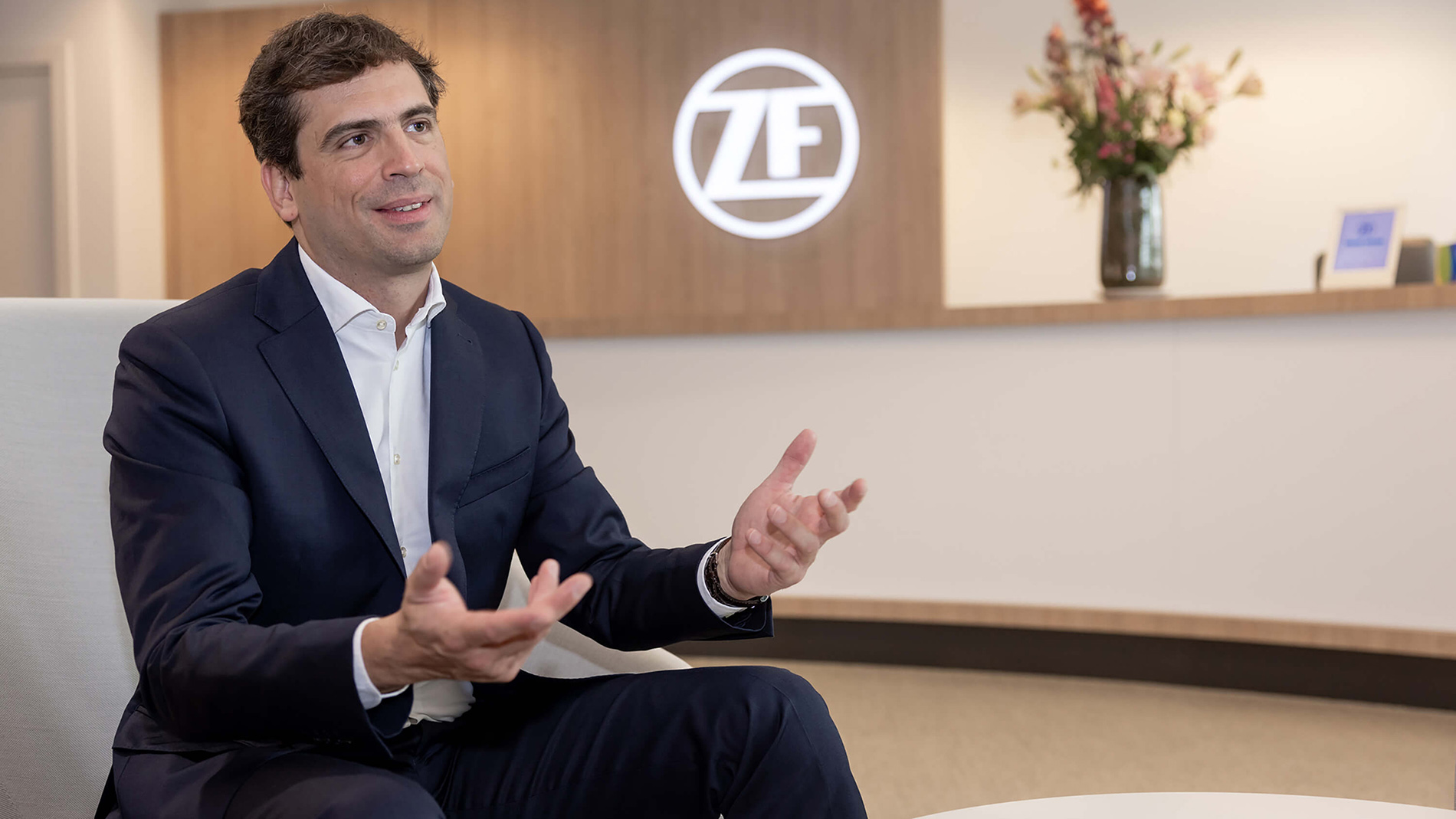
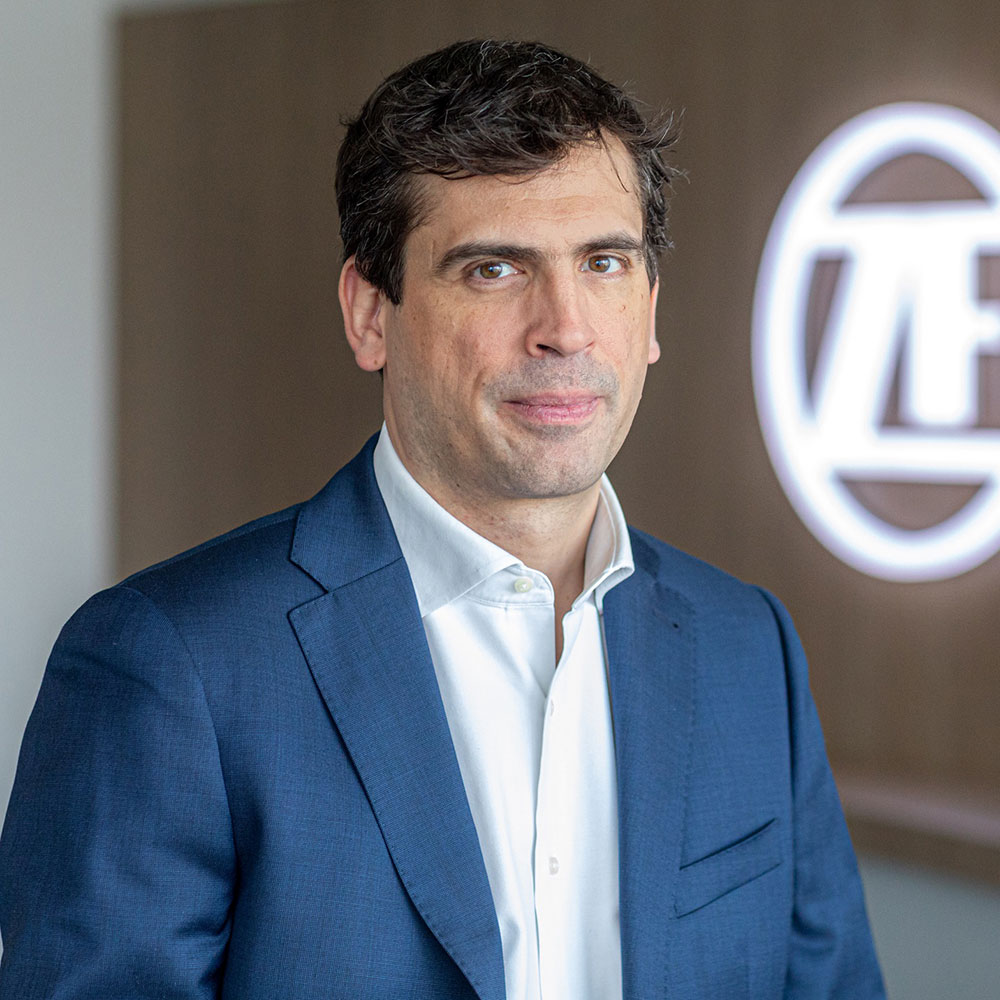
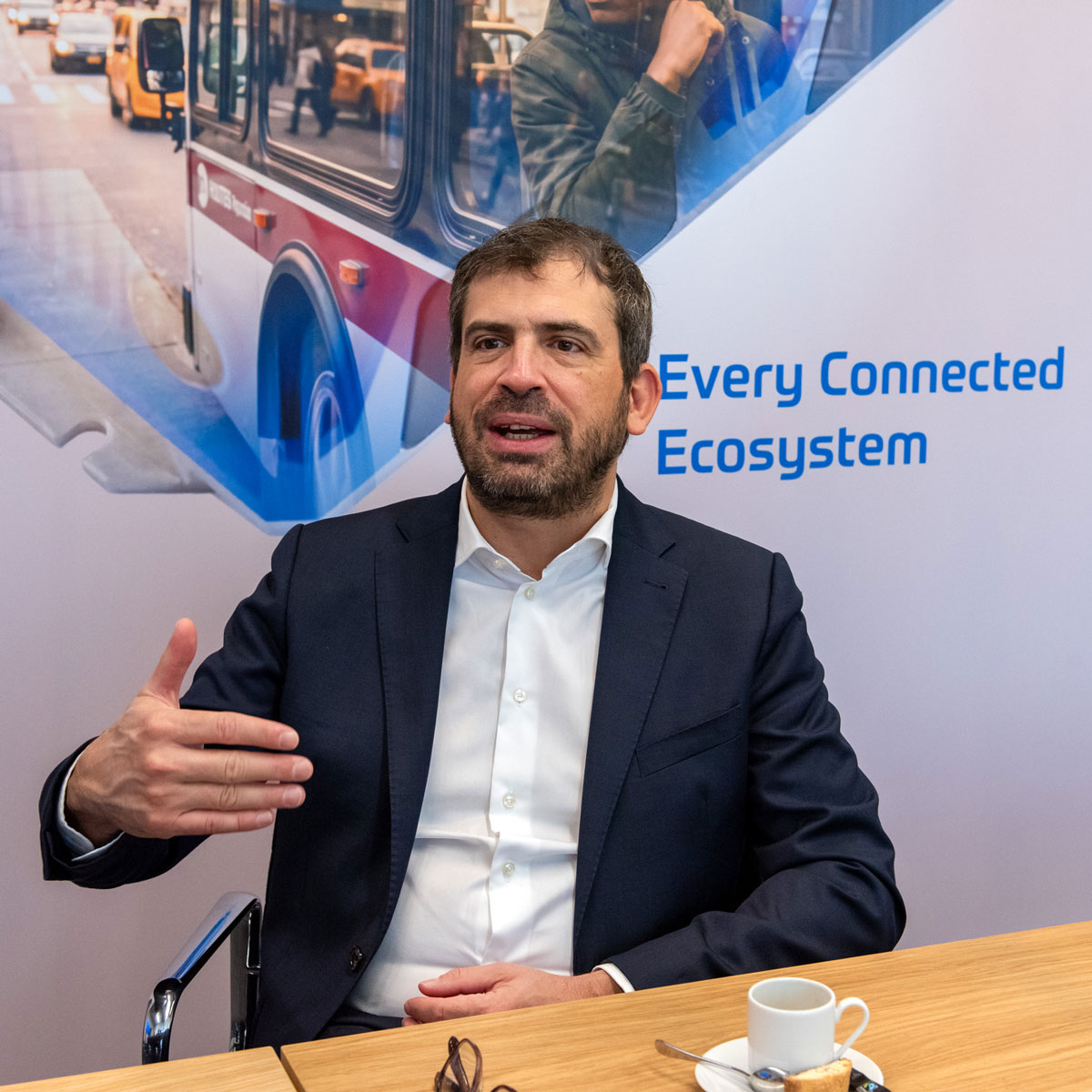
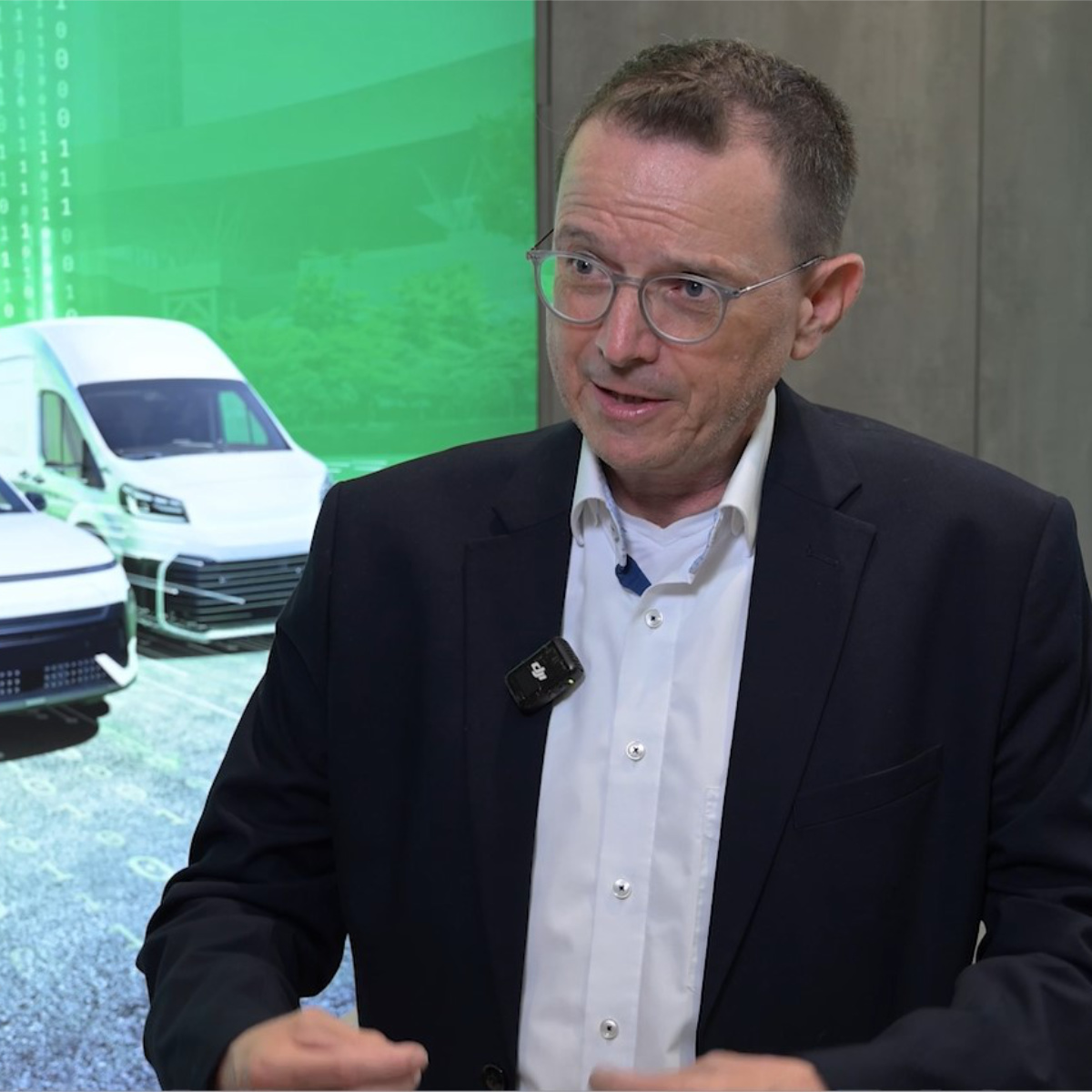
Philippe Colpron, Head of ZF Aftermarket. Picture: ZF
How do you see the global aftermarket evolving over the next decade? What are the most significant shifts will we see across the industry?
The global aftermarket will evolve considerably over the next decade impacted by technology, customer expectations and consequently the value we in the Aftermarket need to create for our customers.
The most significant shifts will occur due to increasing vehicle electrification, the growing role played by software and Advanced Driver Assistance Systems (ADAS) and the continued rise of vehicle connectivity. Add to this the digitization of channels, interfaces and marketplaces and the role that Big Data and AI are expected to play, and we will witness a step-change in how value is perceived in the aftermarket by customers and society at large.
With the fast introduction of new technologies and the growing expectations that come with it, the role of the Aftermarket will have to evolve from what used to sometimes be reactive or opportunistic to a cohesive ecosystem enabling seamless mobility. These changes will impact the service needs of the industry, requiring new skill sets to provide customers with tailored smarter products and services while ensuring geographical coverage, availability and local market proximity.
At ZF Aftermarket, everything we do is intended towards bringing solutions for our customers’ needs. We Maximize Mobility Uptime with a clear strategy based on our three key pillars. Firstly, by deepening the strength and trust in our partnerships with distributors, workshops and fleets. Secondly, by offering high quality, innovative products and ensuring access to the entire breadth and depth of our solutions portfolio. And finally, by orchestrating ecosystem solutions to drive a well-knit, proactive and integrated aftermarket. Together, these pillars ensure that we meet the demands of today while preparing for the challenges of tomorrow.
“At ZF Aftermarket, we aim to support our customers by providing solutions that help them to succeed and overcome challenges.”
What strategic actions should your customers take now to stay ahead of these changes and remain competitive in the future aftermarket landscape?
Our customers provide a key role in keeping people and goods moving, and they all face varying challenges. These spread across technology evolution, regulatory frameworks, sustainability and many others and the complexity continues to evolve yearly. At ZF Aftermarket we aim at being the ‘partner of choice’, supporting our customers with solutions that help them to succeed in their respective areas and overcome challenges they face. As the needs of our customers evolve, so will our solutions.
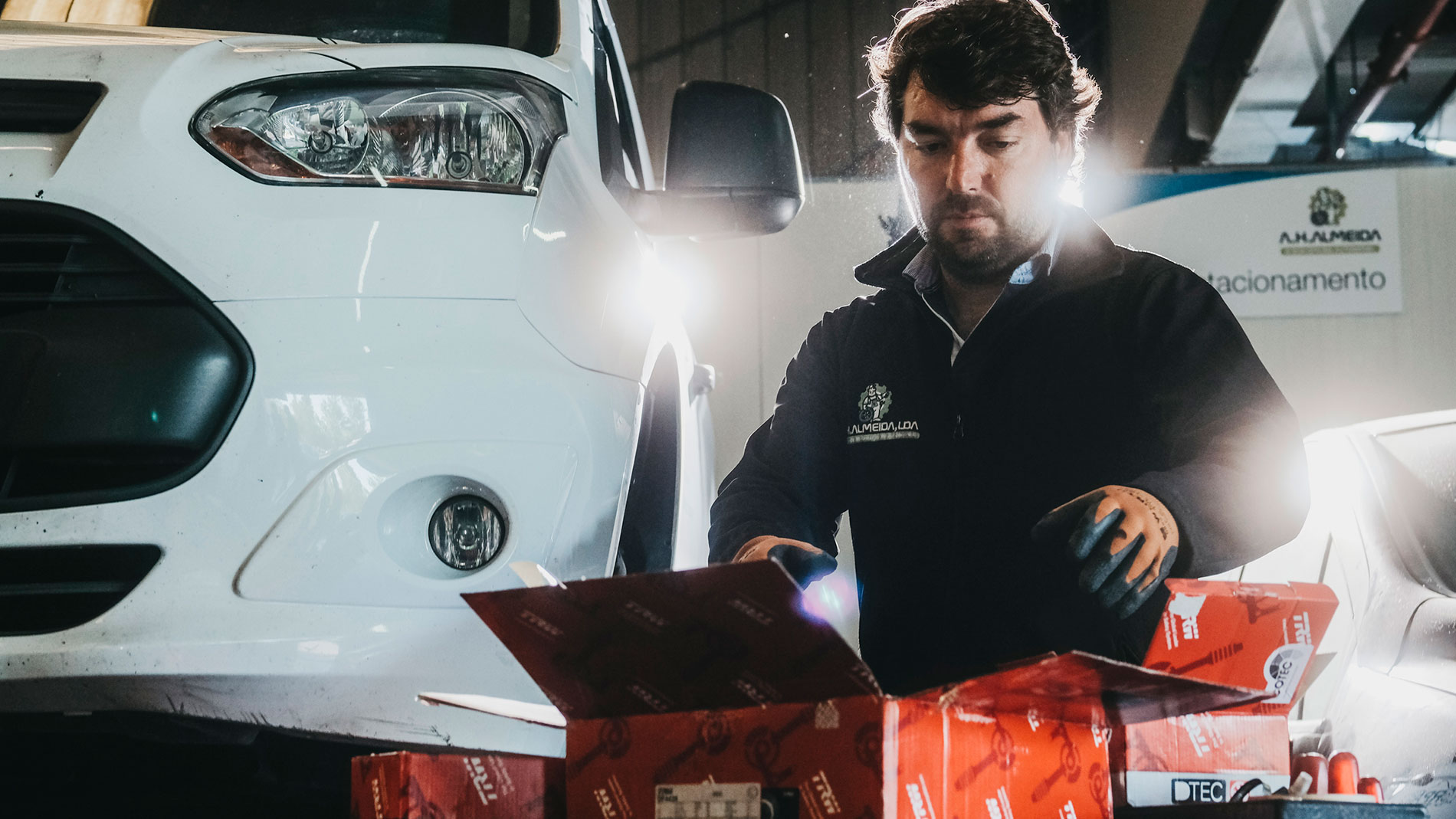
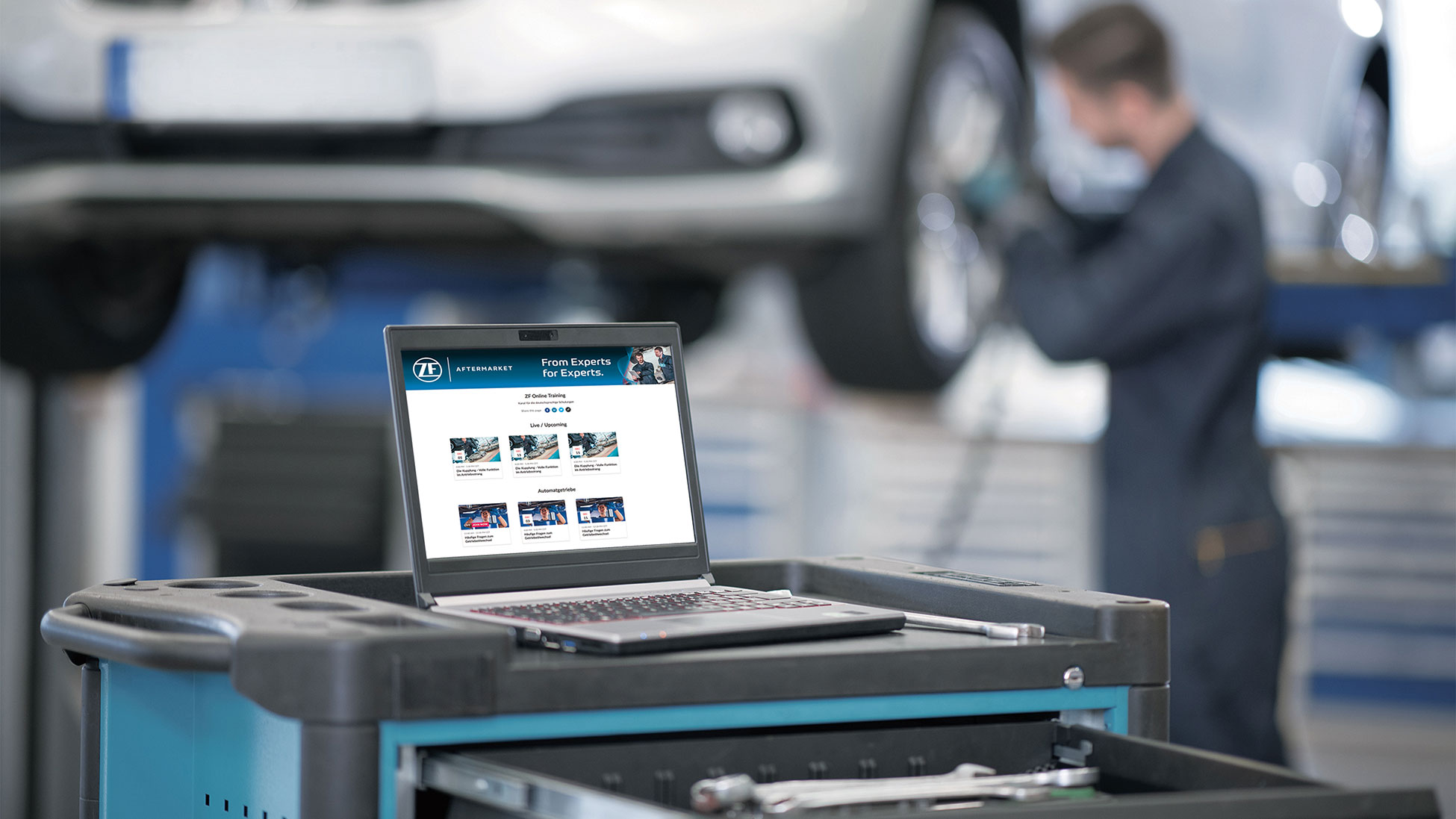
In order to support our Distributors in their mission to deliver the right part at the right time to their customers, we aim to develop best-in-class logistics capabilities across our full portfolio, which has an unmatched breadth and depth in terms of product range, application coverage and vehicle segments. We also put in place programs to help workshops gain access to the latest technologies and software, complemented by extensive technical support, professional training, advanced diagnostic tools, and online data to enable them to stay competitive and grow. And for fleet operators, we keep expanding and improving the quality of our global service network, equipping them with innovative technologies and connected data services helping them optimize asset utilization, reduce operational costs, and ensure timely deliveries.
“Traditionally, the aftermarket was organised in a linear way. Today, however, we need an aftermarket ecosystem.”
You have previously referred to the Aftermarket ecosystem where all stakeholders interact seamlessly. What are its advantages and how can it evolve?
Traditionally, the aftermarket has operated in a linear way: from parts makers to distributors, to workshops, and finally to fleets. Each of us manages tons of data, but the real opportunity lies in connecting these silos and creating a truly integrated ecosystem.
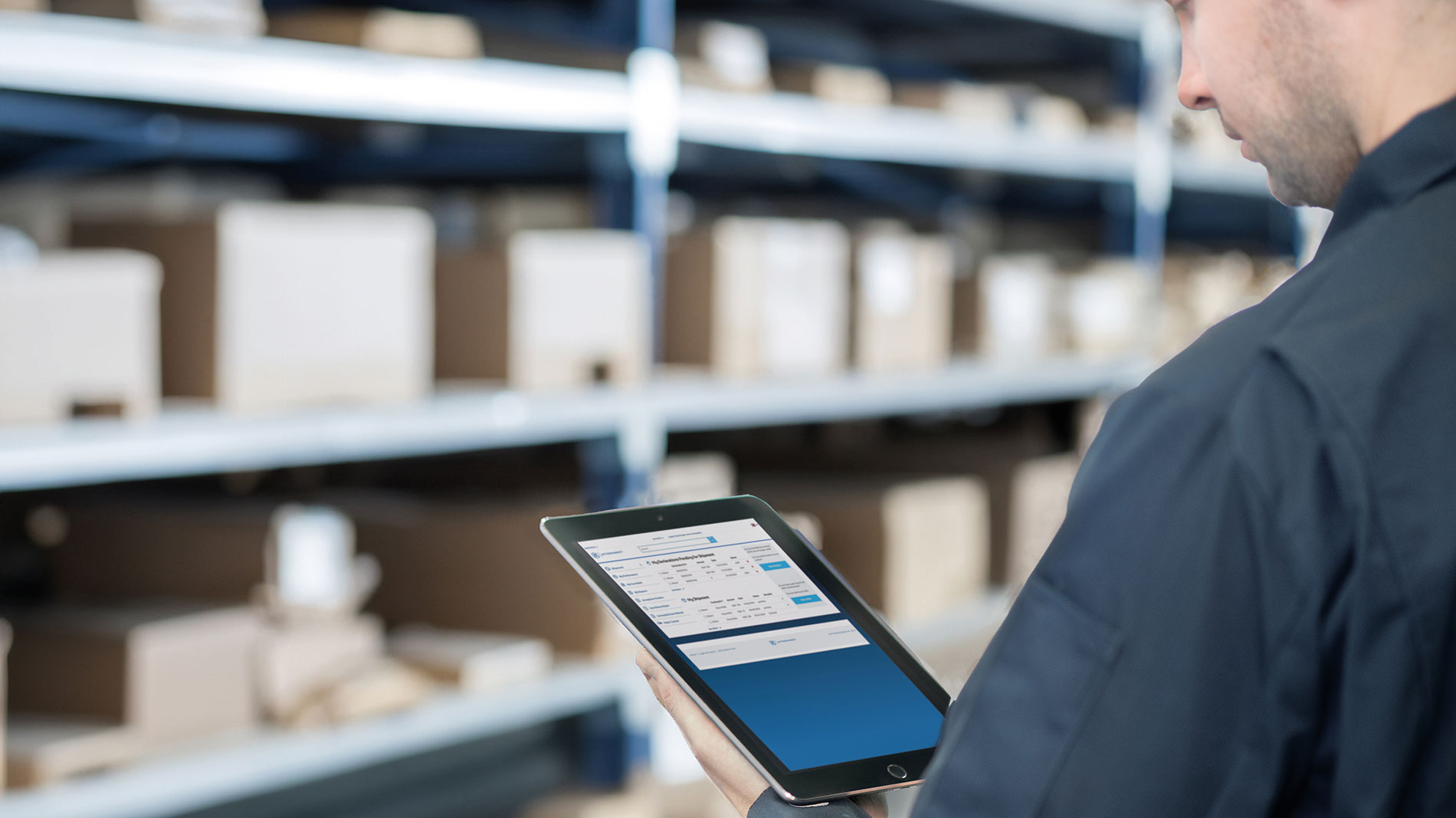
When data flows seamlessly - from the vehicle on the road, to the fleet operator, to the workshop, and back through the distributor and manufacturer - everyone benefits. Fleets can minimize downtime, workshops can maximize efficiency despite limited resources, and distributors and manufacturers can optimize logistics and inventory planning. Instead of tackling challenges in isolation, in an integrated ecosystem the entire chain becomes smarter and more responsive.
This evolution is reshaping the business model itself. Digital solutions enable us to move beyond selling parts towards providing services that add real value across the entire aftermarket. For instance, Predictive maintenance, AI-driven repair support, and real-time logistics planning are just the beginning.
It’s not about data itself, but about turning it into actionable services – strengthening customer relationships and evolving the aftermarket into a connected, collaborative ecosystem.
“Thanks to digital solutions, we are able to provide services that add value throughout the aftermarket.”
Given that the future of automotive is largely data led, what challenges do you anticipate around software in vehicles? Additionally, what is your opinion around fair and equitable access to data for the various players in the Aftermarket eco-system?
The benefits of software-defined vehicles are vast, from improving driver experience to enabling autonomous mobility, but they also come with important considerations such as cybersecurity and democratized vehicle repairability. We must, therefore, prepare the industry with the right solutions to first enable them to continue operating successfully, and then unlock the possibility that connected vehicles and predictive intelligence allow for improved maintenance services and a journey towards seamless mobility.
A multitude of players bring their own contribution in the value chain of enabling Mobility Uptime, having their own data touchpoints. While everyone has a role to play, there are currently many inefficiencies in the way we operate which results in unnecessary costs. Consequently, we have a possible route to create further value by improving the way we communicate and collaborate as an integrated network. We can imagine a future where vehicle on-board software will interact through telematics with maintenance services to keep vehicles on the road, with workshops to anticipate their operations and even reaching distributors to predict their inventory to ensure seamless logistics and distribution. But this future will not happen if we don’t actively work on it, together.
In this context, fairness in data handling means finding the right balance: ensuring open access where it is needed, while protecting the safety and integrity of the vehicles. Achieving this balance requires industry-wide collaboration to set clear standards, guarantee interoperability, and remove inefficiencies that create unnecessary cost and complexity.
What key obstacles must be overcome to achieve a connected ecosystem in the Aftermarket?
The main obstacles are not only technological, but are also structural, organizational and regulatory in nature.
If we consider technology and regulation, clarity around data access will create a level-playing field for service providers to compete on. This would ensure a more competitive data economy delivering better offers for the consumer. Today, participation for all in the data economy is currently limited and we would benefit greatly by understanding how vehicle data should be made available to third parties.
Some regulatory frameworks, such as the EU Data Act, are positive first steps and we anticipate that additional complementary legislation is helpful to ensure Transparency on data and pricing as well as the availability of a common high-quality dataset for open but secured access on interfaces like On Board Diagnostics (OBD).
In addition, today different players operate in silos – with their own systems, standards, and priorities. This creates fragmentation and inefficiencies, especially as the industry becomes more complex with co-existing vehicle technologies, rising product diversity, and increasing demands on service, speed and quality. Another key hurdle is developing the necessary talents and nurturing talents that seamlessly blend digital expertise and extensive, deep industry experience. Shortage of the right expertise will make it even harder to adapt to newer technologies.
Not only through our innovative products and services, but also by breaking down historic silos and connecting teams, partners, and technologies, ZF Aftermarket actively drives solutions for the obstacles that must be overcome to achieve a connected ecosystem in the aftermarket. We aim to create the conditions for all players to make better use of the growing potential of data, while sharing our knowledge and providing actionable insights to help overcome challenges like talent development. As mentioned at the beginning, everything we do at ZF Aftermarket is intended towards bringing solutions that meet our customers’ needs. Ultimately, our mission remains clear: Maximizing Mobility Uptime for all.
Text: Michael Hopp
Head of Content at the Gateway editorial team and an absolute pioneer in recognising automotive trends