
Reading time: 6 minutes
The Nordic region, often viewed as Europe’s benchmark for electrification, sustainable mobility, and EV adoption is entering a new and more complex phase. According to the Mobility Barometer 2025, consumer attitudes across Sweden, Norway, Denmark, and Finland are shifting rapidly, driven by economic pressure, infrastructure gaps, and growing scepticism toward regulatory restrictions.
This year’s results show a region where EV hesitation is rising, urban mobility bans face strong resistance, and traditional car use is more important than ever. The attitudes toward new mobility solutions, including EVs are developing within the reality that the car remains the primary and often indispensable mode of daily transport in Nordic countries.
Three defining trends:
- Growing resistance to EVs, especially in Sweden and Finland
- Strong opposition to bans and restrictions, including the 2035 ICE phase-out
- Higher reliance on private cars, despite economic uncertainty
Exploring Mobility Patterns Across the Nordics
The MEKO Mobility Barometer is one of the most comprehensive insights studies on how people in the Nordic region move, travel, and make mobility decisions. Covering Sweden, Norway, Denmark, and Finland, the barometer offers a clear snapshot of how daily transportation habits are evolving — and why.
Based on responses from more than 4,000 Nordic residents, the report examines not only current behaviour but also the motivations, concerns, and long-term expectations shaping mobility in the region. It highlights both the practical realities of everyday travel and the broader shifts influencing the future of personal transportation in the Nordics.
1. Growing Resistance to Electric Cars – Sweden Shows the Sharpest Shift
Consumer resistance to electric cars is rising across the Nordic region. For the fourth consecutive year, the share of people who say they cannot see themselves owning, renting, or leasing an electric car has grown. One in three Nordic consumers, 33 percent, now say “no”. Four years ago, resistance stood at just 27 percent.
High inflation, increased living costs and tighter household budgets have made many consumers more cautious. The tougher economic climate also appears to be influencing attitudes towards EVs, which generally come with a higher upfront cost than traditional internal combustion vehicles.
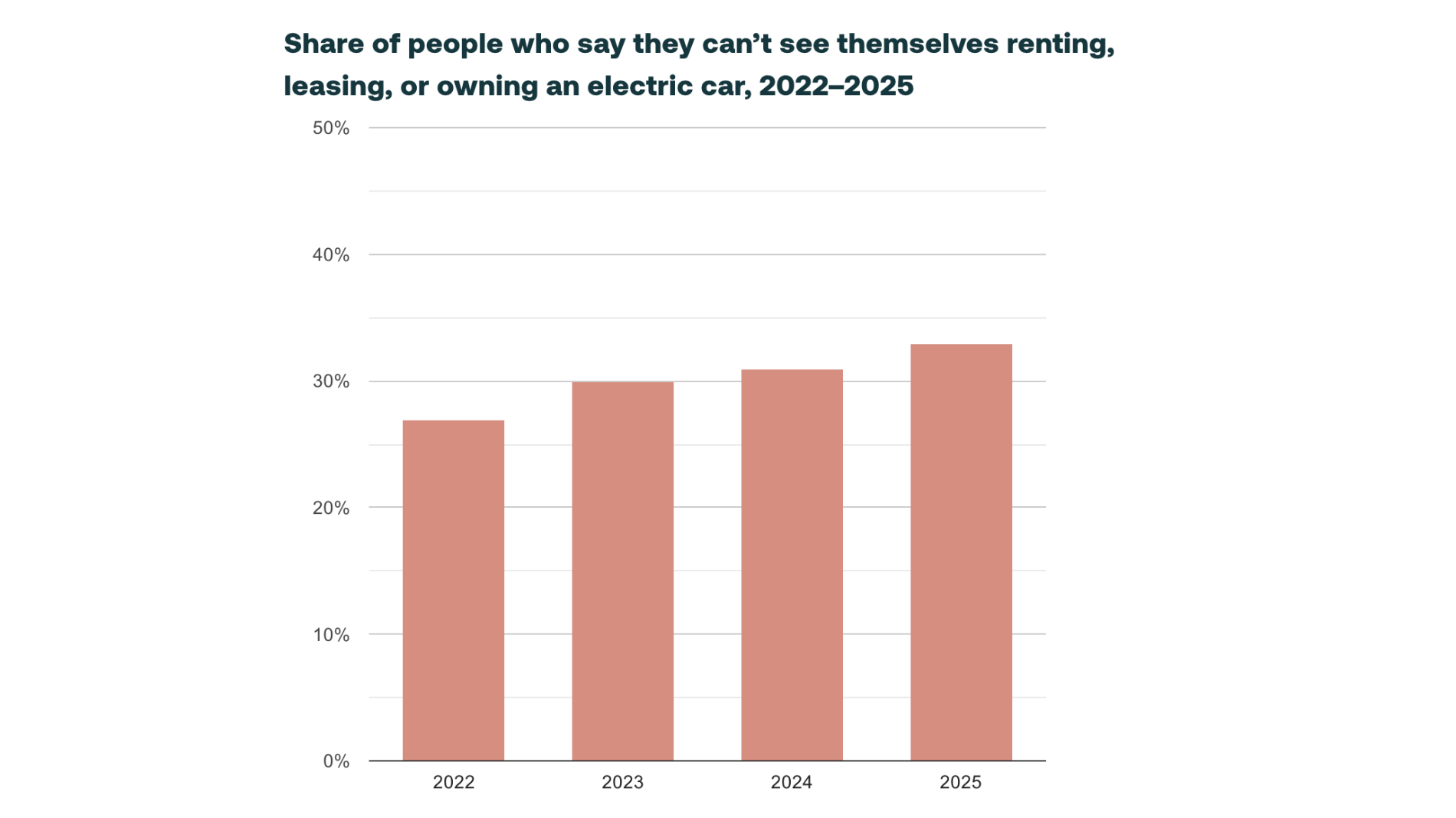
Even as EV technology improves, economic pressure is reshaping buyers’ behaviour in Nordic countries. Price sensitivity has overtaken technology as the main source of hesitation. Economic pressure, and not technology, is now the main barrier to EV adoption.
Diverging Trends Across the Nordics
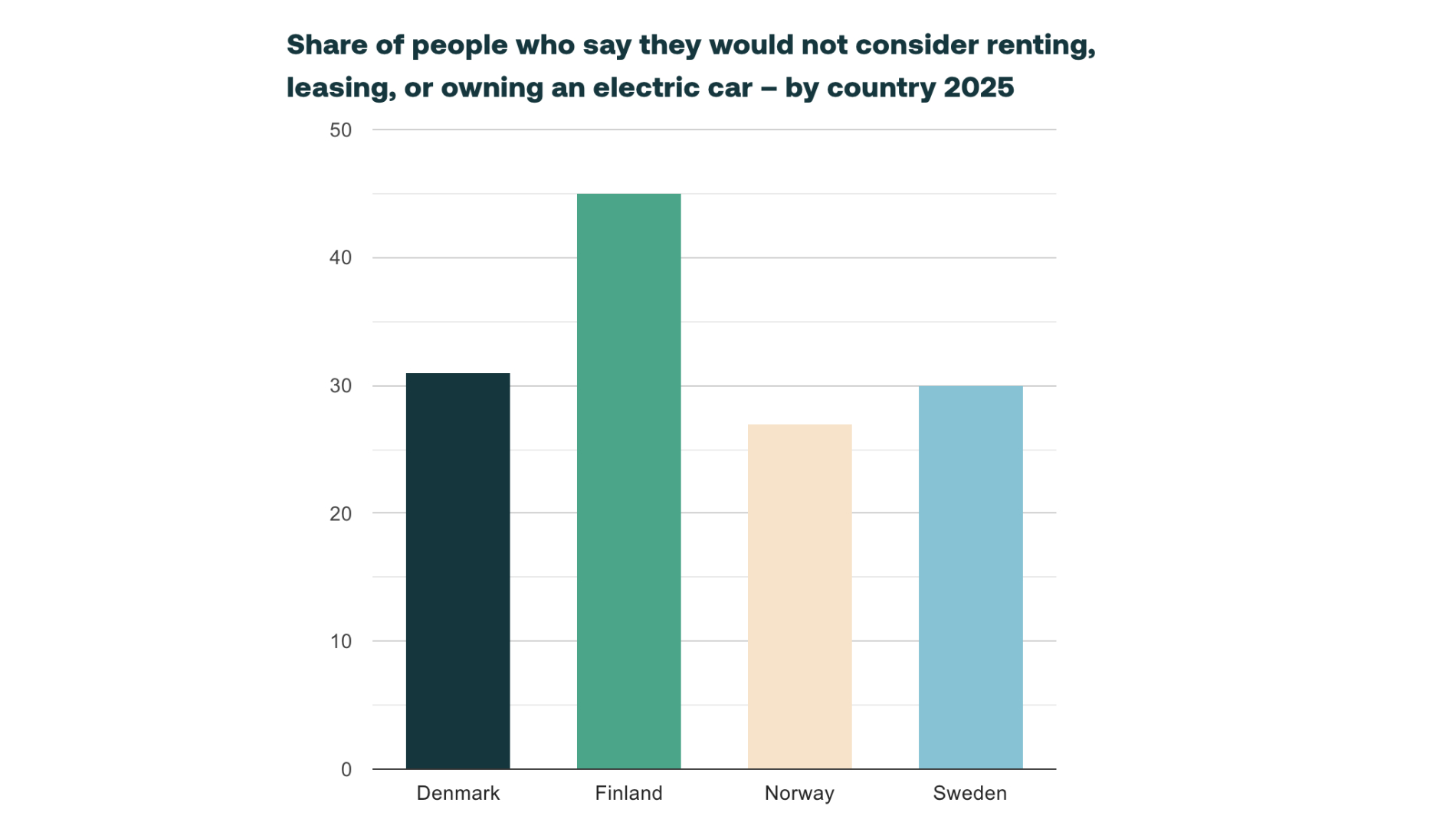
The steepest shift has occurred in Sweden. Resistance has risen by nearly 67 percent, climbing from under one in five Swedes to nearly one in three. Denmark and Finland follow a similar direction, with Finland now showing the highest share of EV skeptics at 45 percent.
Norway, the global frontrunner in EV adoption remains notably positive. Resistance among Norwegian consumers sits at 27 percent, a two-point decline since 2024.
2. 2035 ICE Ban: Majority in the Nordics Oppose the EU Plan
The EU’s planned 2035 ban on new combustion cars faces strong pushbacks in all Nordic countries. 51% oppose the ban and 20% support it, only electric car owners show a slight majority in favour. Opposition is strongest among drivers aged 50+, rural residents, Finnish consumers and ICE owners.
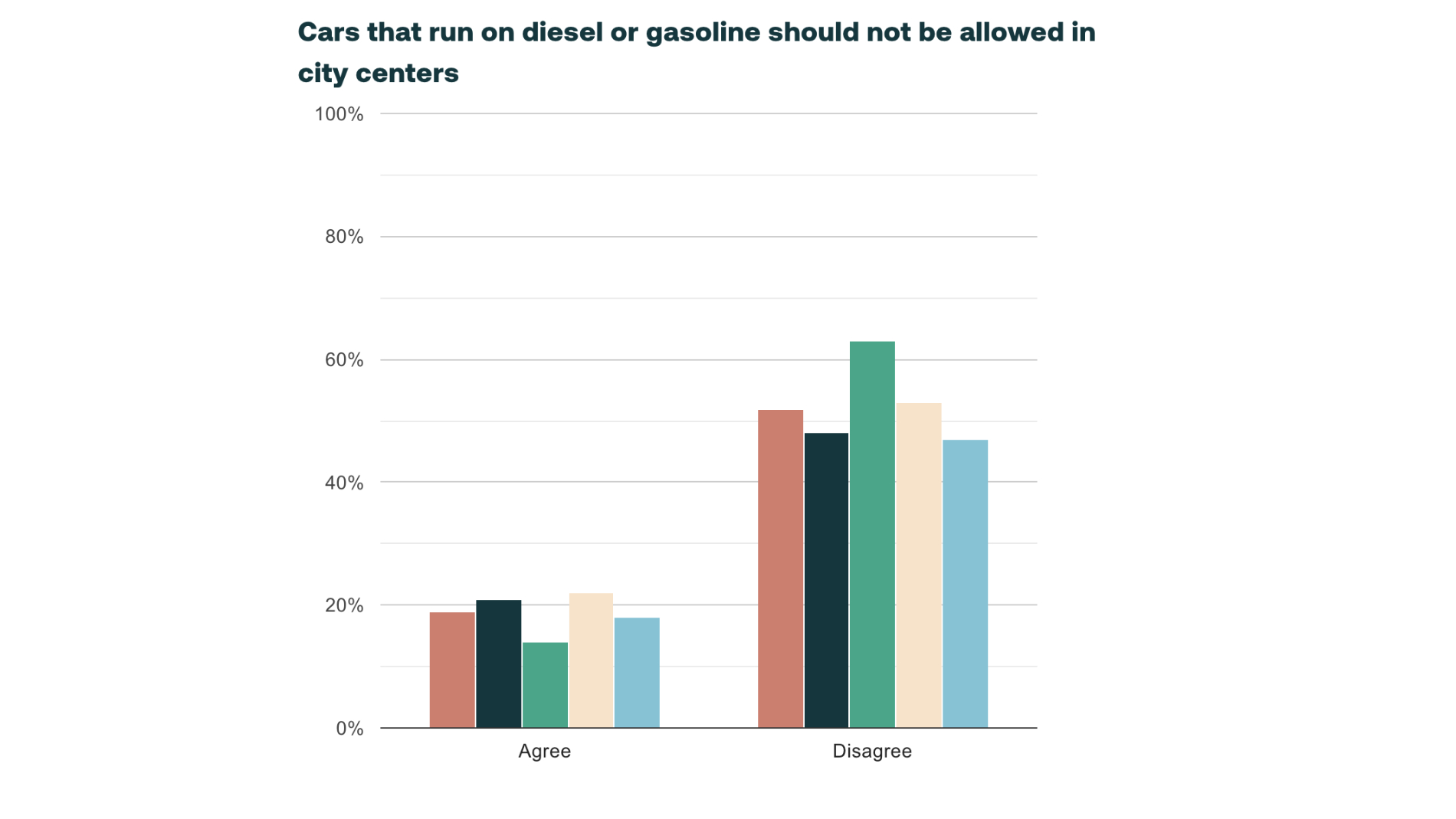
The Nordic public is generally not ready for strict urban bans on petrol and diesel cars. Highest support for bans is in Norway and Denmark (both ~21–22%). Finland shows the lowest support (~14%). The strongest opposition demonstrates Finland (~63%), Sweden (~48%), Denmark (~49%), Norway (~52%). Support is modest even in Norway, highlighting tension between climate ambitions and public acceptance.
3. Car Use Reaches the Highest Level in Four Years
Daily car use is increasing across the Nordic region. 80% of Scandinavians drive weekly, and 30% drive daily (highest since the survey began in 2022). Denmark leads with 36% daily drivers. More than one in four say the car has become more important since 2021. Despite new mobility options, the car remains the most reliable, flexible, and accessible mode of transport.
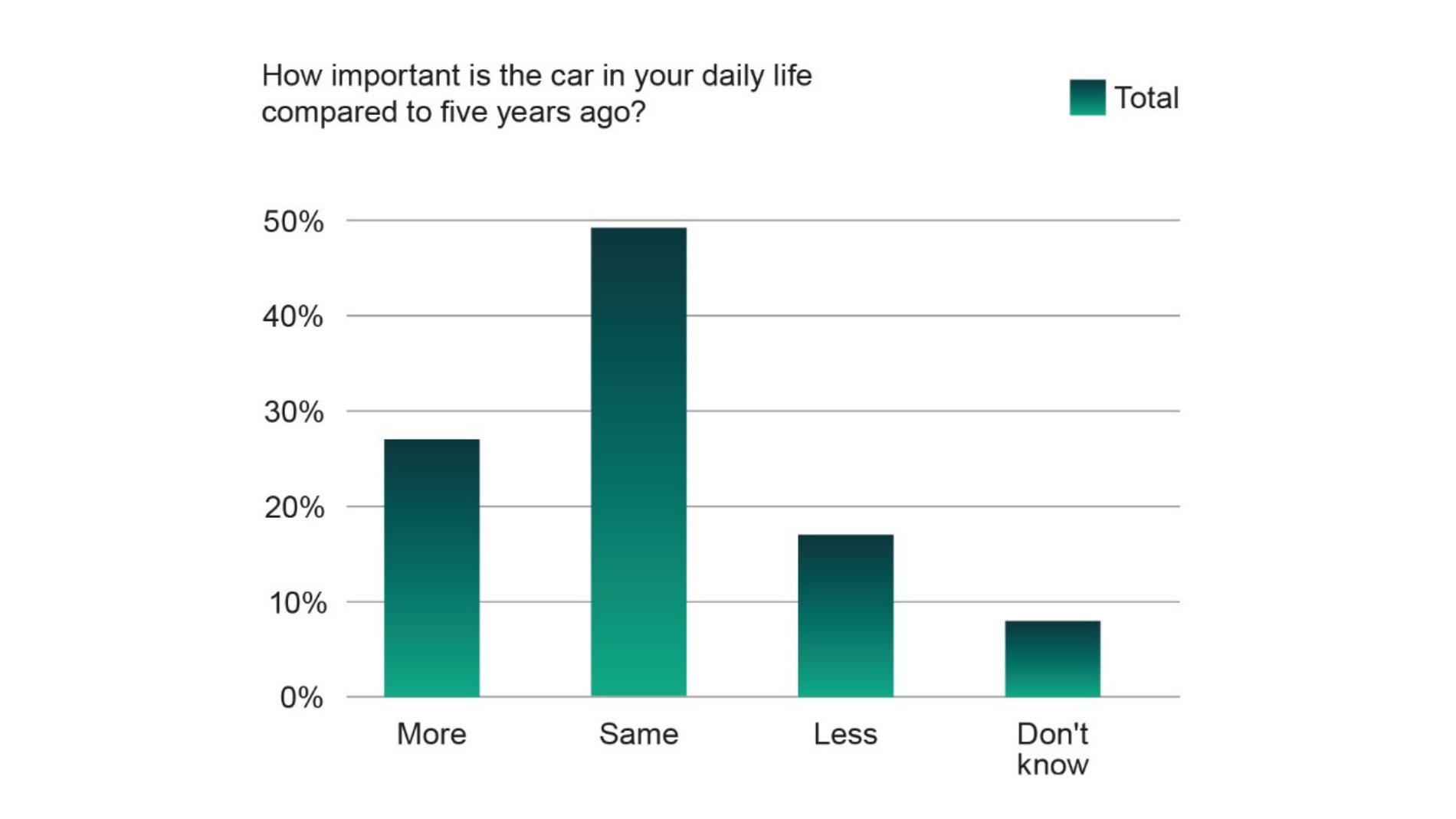
For many households, the car remains a part of daily mobility. 49% of cosumers report that the car is just as important today as it was five years ago. A growing group is more dependent on the car, 27% say the car is more important now. This behaviour reflects post-pandemic travel behaviour shifts.
4. Car Sharing Grows Slowly — Except Among Under-35s
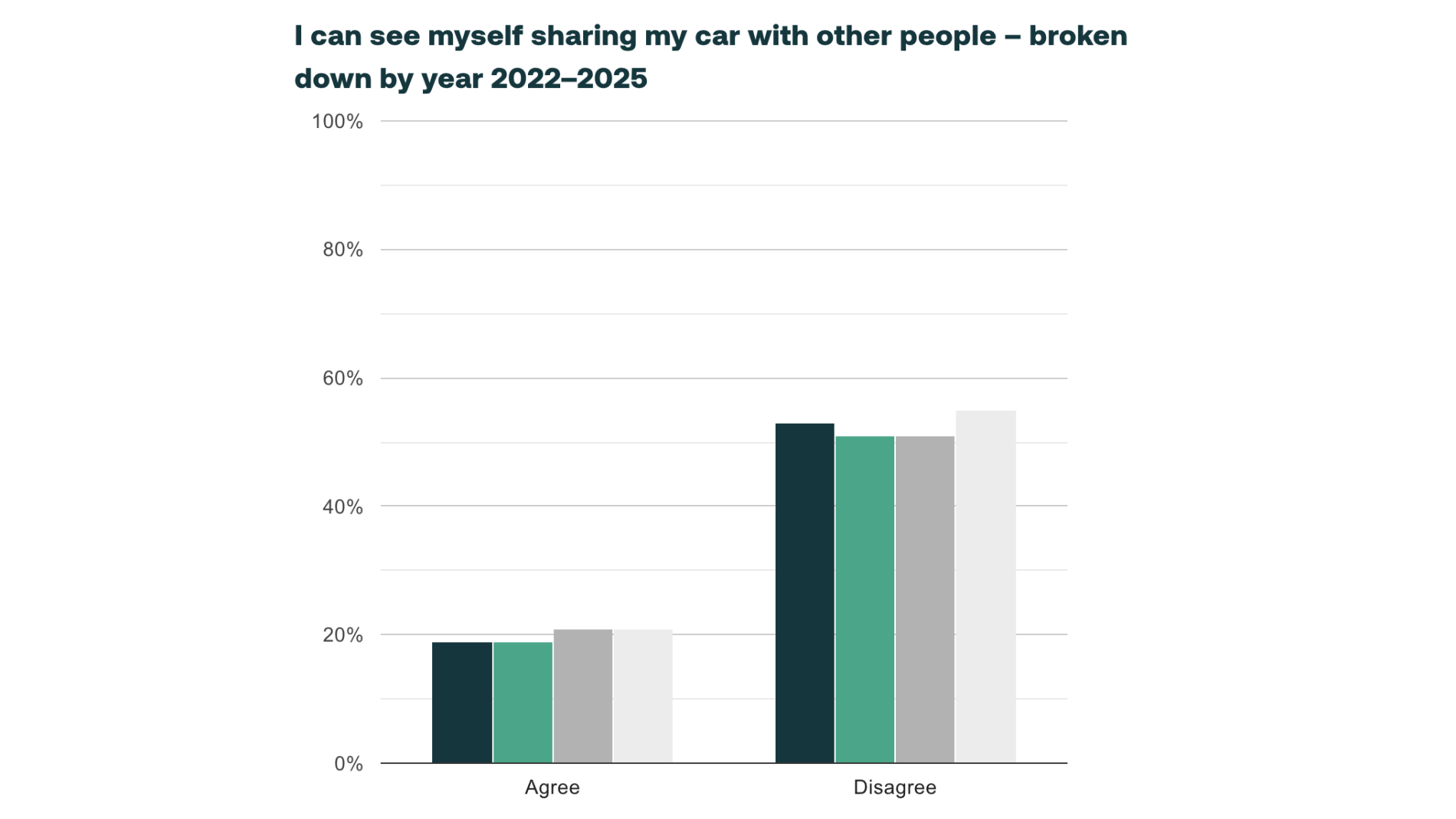
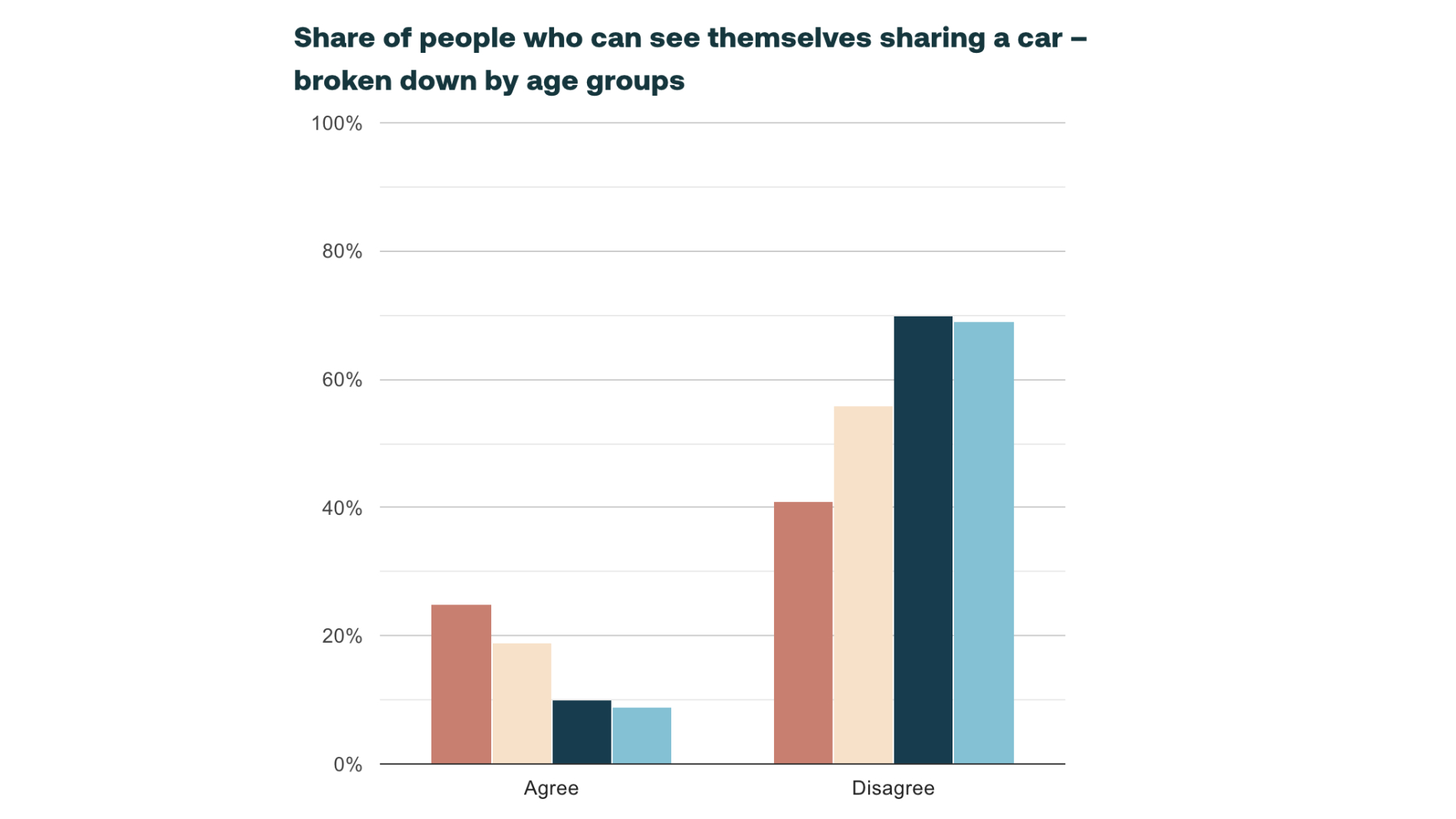
Car sharing remains a niche phenomenon in Nordic countries. 12% of Scandinavian consumers use car-sharing services, and only 3% use them regularly. Finland is showing the lowest usage (7%) and Norway the highest (17%). People under 35 are the only strong demographic; in this group, one in four uses shared mobility.
5. Car Brands and Country of Origin Matter More Than Before
The Mobility Barometer shows a strong rise in brand sensitivity: 43% say brand matters (up from 35%), and 34% say country of origin matters (up from 25%). Nordic consumers connect brand origin with trust, quality, values, long term reliability. This trend affects Chinese entrants, European incumbents, and EV-only brands differently.
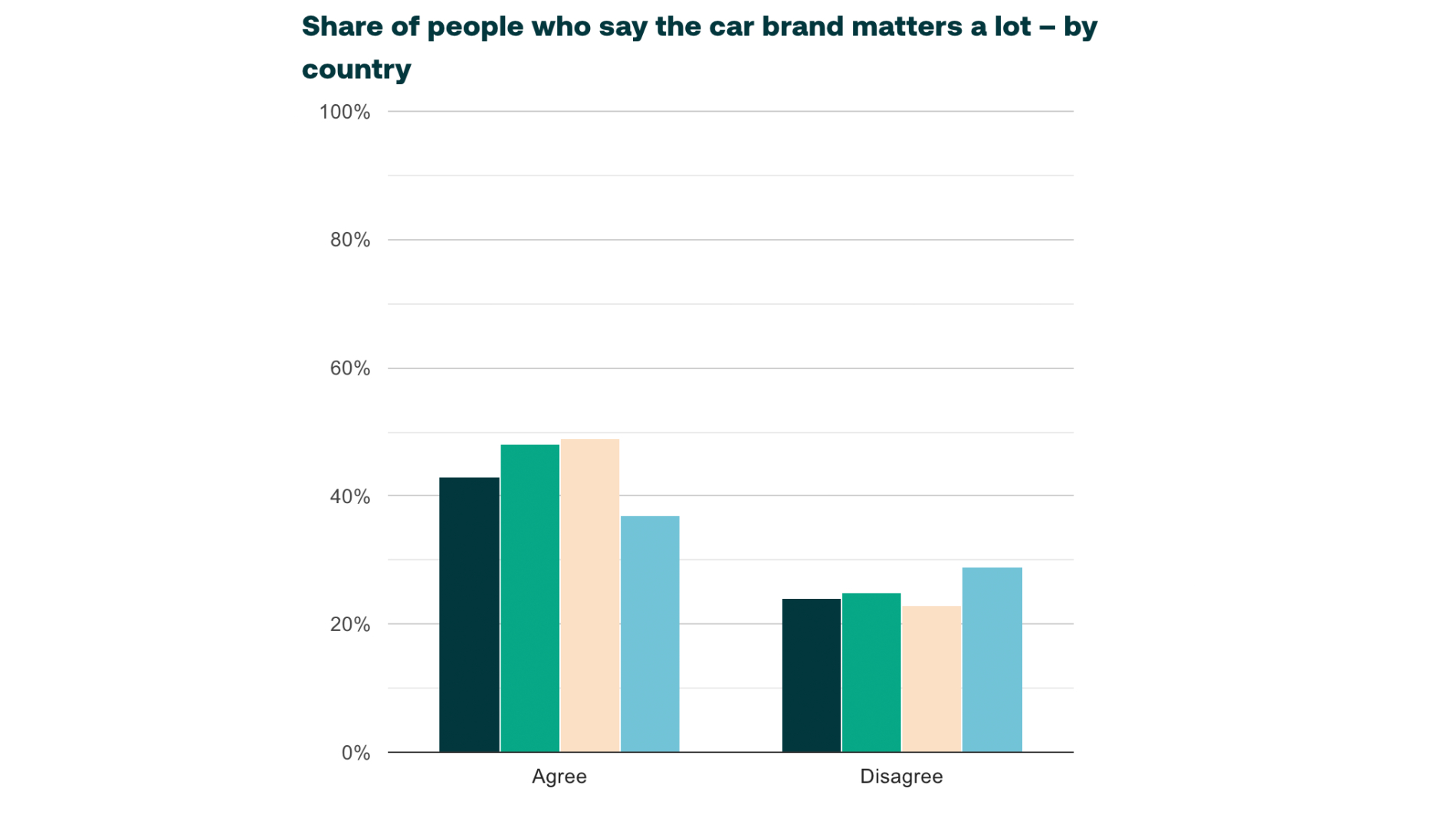
Brand reputation is gaining relevance in car purchase decisions of Nordic consumers. Emotional, quality-related, and trust-based factors seem to carry increasing weight. For OEMs, this highlights the continued value of strong branding, design identity, and customer experience.
6. Workshop vs. At-Home Service
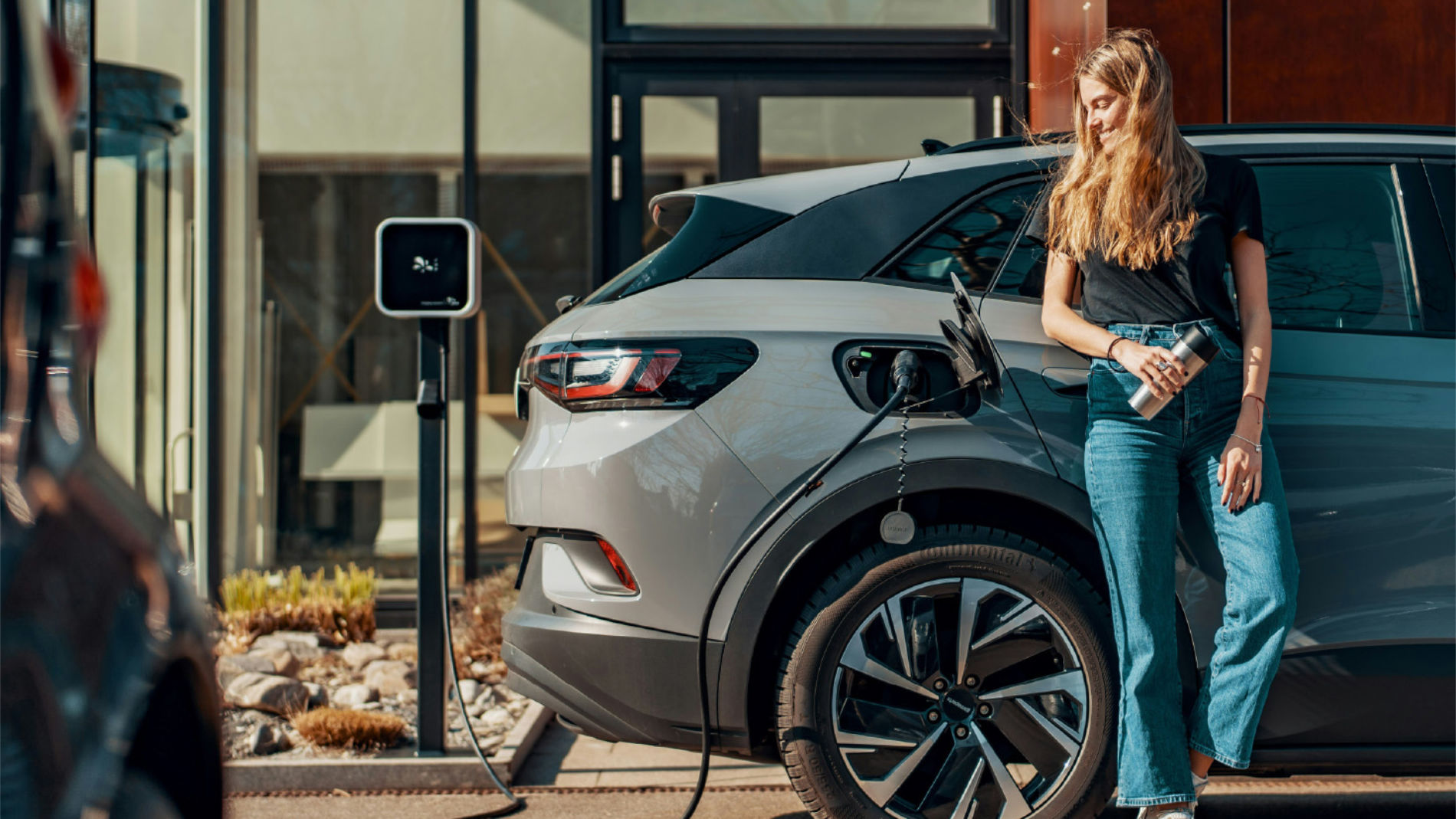
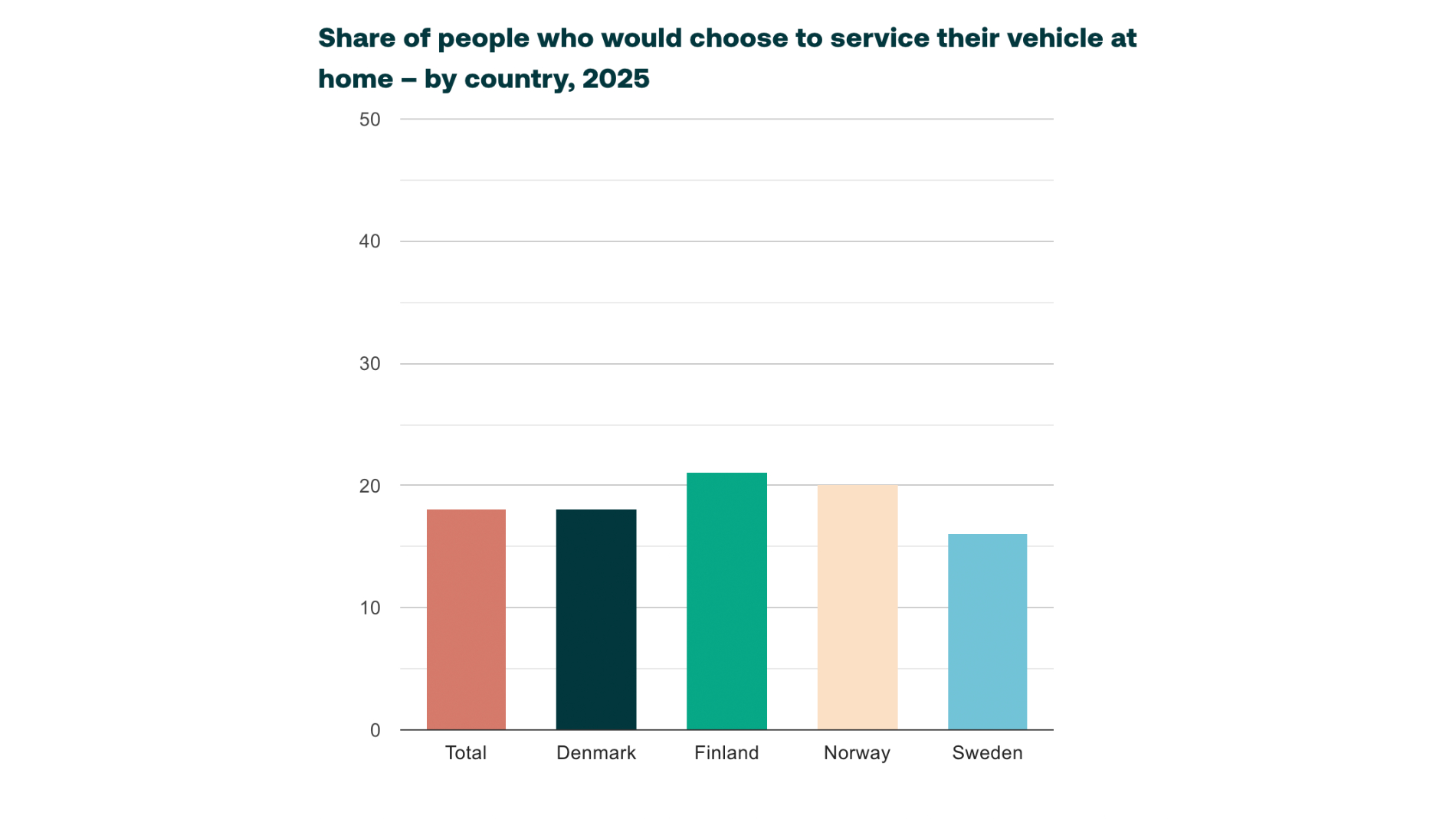
Despite rising expectations for convenience, the traditional workshop model remains firmly rooted in Nordic car-owning culture. Six in ten consumers still prefer taking their vehicle to a workshop, a figure that has remained stable since 2022. At the same time, a consistent 18 percent would rather have a technician come to their home or workplace. This segment has neither grown nor declined over the past four years, suggesting a steady but limited demand for mobile repair services.
Country differences are notable. Denmark stands out as the only market where interest in at-home repairs is increasing, rising from 11 percent to 18 percent since 2021. During the same period, support for using a workshop has declined from 67 to 59 percent. Sweden shows the opposite trend, with the share preferring at-home service falling from 20 percent to 16 percent, reinforcing a renewed preference for workshop-based repairs.
Age remains a strong predictor. Among 35–49-year-olds, one in three would opt for at-home or workplace service, while eight in ten consumers over 50 still favour the traditional workshop visit.
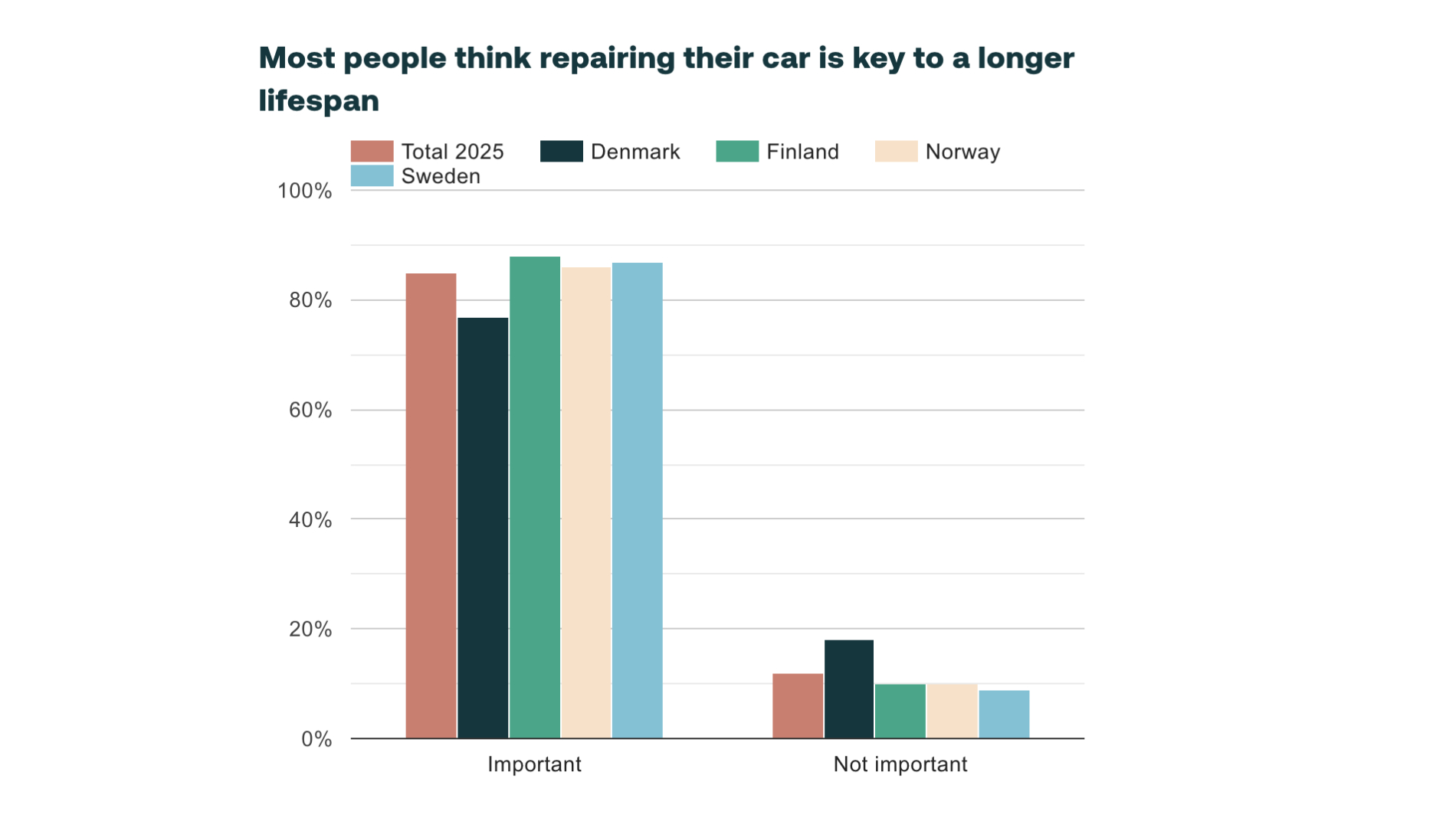
MEKO highlights:
- Electrification will continue long-term
- EV prices must come down for mass adoption
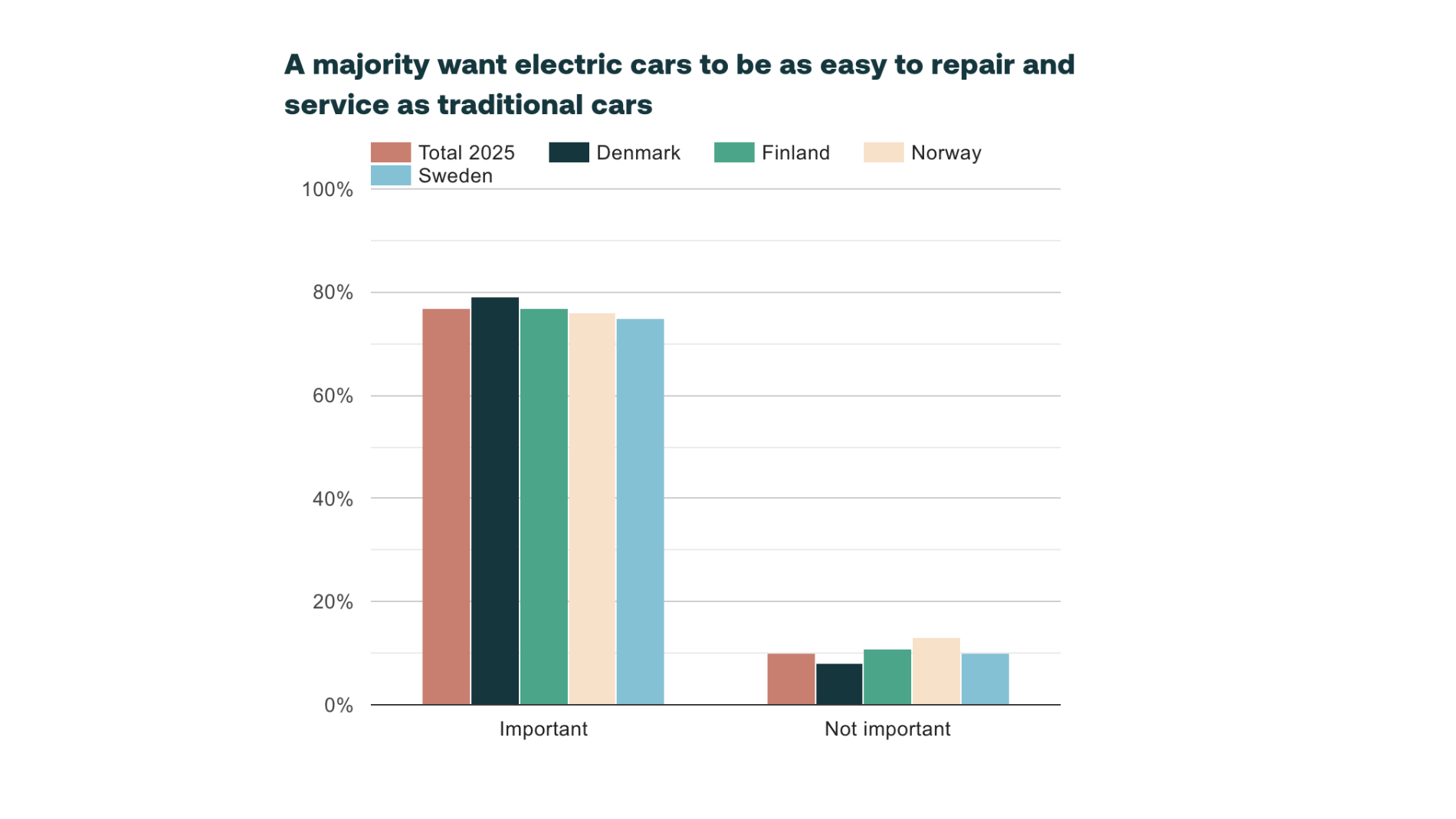
- Independent workshops need access to data and components
- “Right to repair” is essential for affordability
About MEKO
MEKO is one of the largest players in the vehicle aftermarket in Northern Europe. The company, which is based in Sweden, operates in eight markets with 600 stores and 20,000 workshop customers. Its workshop and wholesale brands include Mekonomen, MECA, BilXtra, FTZ, Fixus, Inter-Team, and Sørensen og Balchen.