Key Takeaways
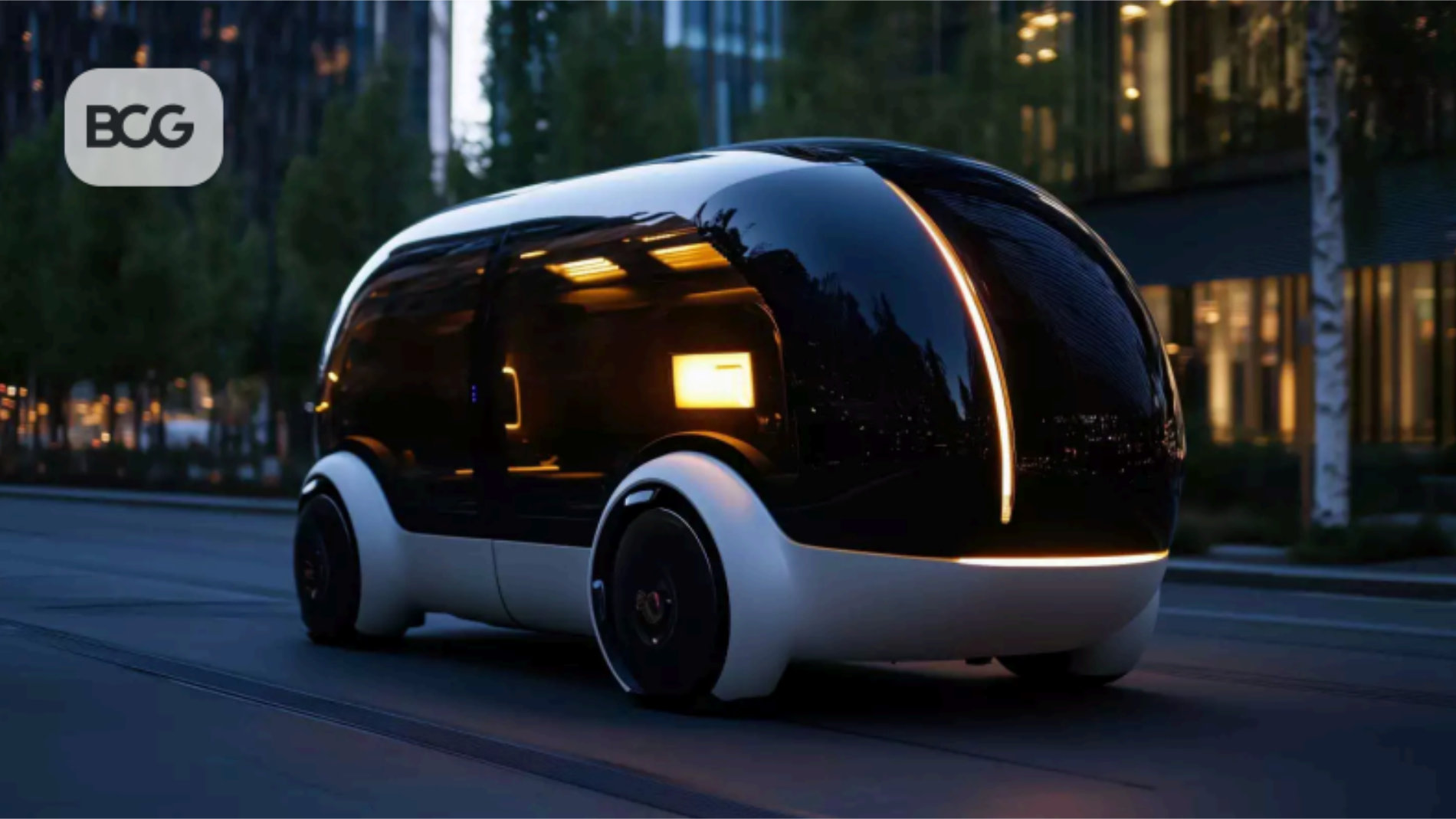
- A BCG analysis estimates that the global robotaxi fleet could range between 700,000 to 3 million vehicles by 2035 and that fares in some markets will be lower than traditional ride-hailing services.
- The speed of deployment will be influenced by the costs of entering new markets, the time needed to scale up, consumers’ willingness to embrace robotaxis, and the degree to which they capture share from other transportation modes.
- To win in this increasingly competitive market, operators will need patience and years of substantial investment. They’ll also need to navigate complex regulatory, operational, and technological challenges.
Download
- Here at Last: The Evolution of the Robotaxi (pdf, 2 MB)
Authors: Markus Hagenmaier, Sebastian Pfaffinger, Julien Bert, Augustin K. Wegscheider, Dong Cui, Luis Schaber und Raphael Brunner